In the United States, all drones weighing more than 250 grams (0.55 lbs) must be registered with the FAA for recreational use. Crucially, any drone used for commercial purposes requires a Part 107 Remote Pilot Certificate, regardless of how small or light the aircraft is.
🎯 Key Takeaways
- Takeaway 1:Drones over 250 grams (0.55 lbs) require FAA registration for recreational use.
- Takeaway 2:Commercial operations require a Part 107 license regardless of the drone’s weight.
- Takeaway 3:All recreational pilots must pass the free TRUST safety test before flying.
- Takeaway 4:Sub-250g drones are only exempt from registration if flown strictly for fun.
- Takeaway 5:FAA registration costs $5 and is valid for a period of three years.
The FAA requires you to register any drone that weighs 250 grams (0.55 pounds) or more if you are flying for recreational purposes. This 250-gram threshold is the most important number in drone regulation because it separates “micro” drones from aircraft that require federal oversight. If your drone falls exactly on or over this weight limit, you must register the device through the FAA DroneZone and pay a registration fee before your first flight.
Prime for Young Adults — 6 Months Free
Exclusive Offer Amazon Prime for Young Adults, Students and 18–24s get six months of Prime free, then half price.
Start 6 Months Free As an Amazon Associate I earn from qualifying purchases.Staying compliant matters because the FAA views any unregistered aircraft over the weight limit as a serious safety violation. Failing to register a 250-gram drone can result in civil penalties reaching thousands of dollars. Furthermore, drones at or above this weight must comply with Remote ID regulations, meaning they must broadcast identification and location information while in flight. Understanding how your drone’s weight is calculated is the first step in ensuring you stay on the right side of the law.
The 250-Gram Rule: Why Weight Determines FAA Registration
Recommended Best Deal Products

The 250-gram rule is the primary dividing line for recreational drone pilots in the United States. The FAA arrived at this specific weight—0.55 pounds—after determining that aircraft below this mass pose a significantly lower risk to people and property on the ground. Because these “sub-250g” drones carry less kinetic energy, the FAA allows hobbyists to fly them without the need for formal aircraft registration or the requirement to display a registration number on the fuselage.
Calculating Total Takeoff Weight
It is a common mistake to assume that the weight printed on the drone’s box is the only number that matters. The FAA defines drone weight as the total “takeoff weight.” This means the scale must include everything currently attached to the aircraft at the moment it leaves the ground. If you buy a drone that weighs 245 grams to avoid registration, but then add a small accessory, you likely pushed yourself into the mandatory registration category. To stay legal, you must account for the following items:
- The Battery: Many manufacturers offer “Plus” or “Extended” batteries. These often push a sub-250g drone well over the limit.
- Propeller Guards: These plastic cages are excellent for safety, but they usually add 20 to 50 grams of weight.
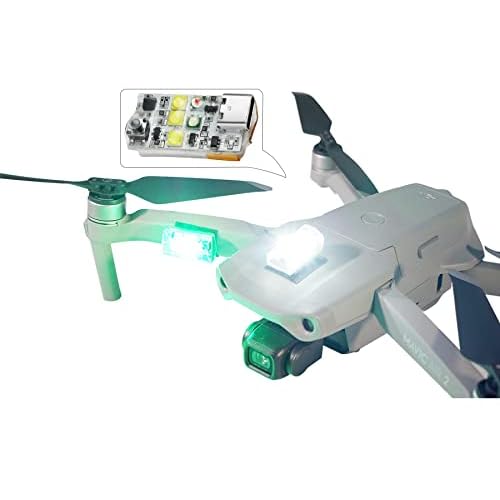
- External Lighting: If you add a strobe light for night flying, that weight counts toward your 250-gram limit.
- Filters and Lenses: Even small glass ND filters for the camera contribute to the total mass.
- Landing Gear: Snap-on leg extensions can easily bridge the gap between 249 and 251 grams.
Practical Examples of Drone Weights
To give you a better idea of where popular models stand, consider the current market leaders. The DJI Mini series (such as the Mini 3 or Mini 4 Pro) is specifically engineered to weigh exactly 249 grams with a standard battery. This allows you to fly for fun without registration. However, as soon as you step up to a mid-sized drone like the DJI Air 3 or Mavic 3, the weight jumps to over 700 grams, making registration 100% mandatory. Even smaller “FPV” (First Person View) racing drones often exceed 250 grams once a GoPro or action camera is strapped to the top, requiring the pilot to register the craft immediately.
Recreational vs. Commercial: When a Pilot License is Mandatory
There is a massive legal distinction between registering a drone and being a licensed pilot. While weight determines if a recreational drone needs registration, it has almost no bearing on whether a commercial pilot needs a license. The FAA classifies drone operations based on the intent of the flight, not just the size of the aircraft. If your flight provides any “furtherance of a business,” the rules change instantly, and the 250-gram weight exemption effectively disappears.
The Part 107 Requirement for All Sizes
If you intend to use your drone for any commercial purpose, you are required by law to obtain a Part 107 Remote Pilot Certificate. This is a formal license issued by the FAA after you pass a proctored aeronautical knowledge exam. Under Part 107, every drone must be registered, regardless of whether it weighs 249 grams or 50 pounds. There is no weight-based “free pass” for professional work. If you are taking photos for a real estate listing, inspecting a roof for a client, or even creating content for a monetized YouTube channel, you are a commercial pilot in the eyes of the FAA and must be licensed.
Licensing Requirements for Hobbyists
Even if you are flying strictly for fun and your drone is under the 250-gram limit, you are not entirely exempt from FAA requirements. While you may skip the $5 registration fee for a tiny drone, you are still required to pass the TRUST (The Recreational UAS Safety Test). This is a free, online safety quiz that ensures you understand basic airspace rules. To summarize the licensing and registration landscape:
Prime for Young Adults — 6 Months Free
Exclusive Offer Amazon Prime for Young Adults, Students and 18–24s get six months of Prime free, then half price.
Start 6 Months Free As an Amazon Associate I earn from qualifying purchases.- Recreational (Under 250g): No registration required, but you must pass the TRUST test.
- Recreational (250g and Over): Registration is mandatory ($5 fee), and you must pass the TRUST test.
- Commercial (Any Weight): You must pass the Part 107 exam to get a license, and the drone must be registered regardless of weight.
The takeaway is simple: if you are making money or helping a business, weight doesn’t save you from licensing requirements. You must treat a 249-gram drone with the same legal rigor as a massive professional cinema drone if it is being used for work.
Understanding Remote ID Requirements for Different Drone Sizes
Recommended Best Deal Products
The size of your drone doesn’t just dictate whether you need a license; it also determines your “digital footprint” in the sky. Remote ID is essentially a digital license plate that broadcasts your drone’s location and identification. For most modern drones, this technology is built-in, but the requirements vary based on the weight and intent of your flight. Even the smallest drones can fall under these rules if used incorrectly.
Remote ID and the 250-Gram Threshold
If your drone weighs more than 250 grams, Remote ID is mandatory for all outdoor flights in the United States. However, the 250-gram “safe zone” disappears if you are a commercial pilot. If you use a sub-250g drone like the DJI Mini series for a paid photography gig, you must have Remote ID active. If the drone doesn’t have it built-in, you’ll need to attach a dedicated broadcast module to remain legal.
- Recreational < 250g: No Remote ID required for casual backyard flying.
- Recreational > 250g: Remote ID is mandatory as part of the registration process.
- Part 107 (Any Size): Remote ID is mandatory for all operations, regardless of how light the aircraft is.
Retrofitting Older Drones
Many older, larger drones don’t have internal Remote ID hardware because they were manufactured before the rules took effect. To stay compliant, you don’t necessarily need to buy a new drone. Instead, you can purchase a Remote ID broadcast module. These are small accessories that strap onto the frame and provide the necessary signal to keep you on the right side of the FAA. Think of it as adding a modern transponder to a vintage car.
Legal Consequences and Compliance Factors for Unlicensed Pilots
It might be tempting to think the FAA isn’t watching, but the risks of flying an unlicensed drone far outweigh the convenience of skipping the paperwork. The FAA has increased its oversight, using everything from Remote ID signals to social media monitoring to identify non-compliant pilots. Ignorance of the law is rarely accepted as a valid defense when a drone is involved in an incident.
Fines and Legal Penalties
The financial impact of flying without a license can be staggering. Civil penalties for operating a drone commercially without a Part 107 license can reach tens of thousands of dollars per violation. In extreme cases, such as flying in restricted airspace or interfering with manned aircraft, the FAA can pursue criminal charges. They are particularly focused on “repeat offenders” who continue to fly commercially after being warned.
- Civil Fines: Can exceed $30,000 depending on the severity and number of flights recorded.
- Cease and Desist: Often the first official warning before heavy fines are levied.
- Evidence Gathering: The FAA frequently uses YouTube and Instagram footage to track down unlicensed commercial operators who brag about their flights.
Insurance and Liability Issues
One of the biggest hidden risks of unlicensed flight is the loss of insurance coverage. Most drone insurance providers require the pilot to be fully compliant with local laws. If you are involved in a crash that causes property damage or injury, your insurance provider will likely deny your claim if they discover you were flying illegally. This leaves you personally liable for damages, which can be financially devastating in the event of a serious accident.
Prime for Young Adults — 6 Months Free
Exclusive Offer Amazon Prime for Young Adults, Students and 18–24s get six months of Prime free, then half price.
Start 6 Months Free As an Amazon Associate I earn from qualifying purchases.Conclusion
Determining whether your drone requires a license comes down to two main factors: its weight and its purpose. If your drone is over 250 grams, registration is a must. If you plan to use your drone for anything other than pure fun, the Part 107 license is your golden ticket to legal flight. Understanding these rules ensures you can enjoy the skies without the looming fear of fines, legal trouble, or denied insurance claims.
To get started, weigh your drone with all its accessories attached to see where you stand. If you’re over the limit or flying for business, head to the FAA DroneZone to get your paperwork in order. For those looking to go professional, start studying for your Part 107 exam today. Fly smart, fly safe, and keep those rotors turning!
❓ Frequently Asked Questions
What is the difference between drone registration and a pilot license?
Drone registration refers to the aircraft itself and is required for any drone over 250g. A pilot license (Part 107) is a certification for the person operating the drone, required specifically for commercial work.
Can I fly a drone commercially if it weighs less than 250 grams?
Yes, but you still need a Part 107 Remote Pilot Certificate. The weight exemption only applies to registration for recreational flyers, not to the licensing requirements for commercial operators.
What happens if I fly a drone over 250g without registering it?
Failure to register a drone that meets the weight threshold can result in significant civil and criminal penalties from the FAA, including heavy fines. Registration only costs $5 and can be done online.
Are indoor drone flights subject to FAA weight and license rules?
The FAA’s authority generally covers ‘navigable airspace,’ so indoor flights are typically exempt from registration and licensing rules. However, safety and privacy laws still apply indoors.
Do I need to carry proof of registration or my license while flying?
Yes, the FAA requires pilots to have their registration certificate (digital or physical) and their pilot license (if applicable) available for inspection during any drone operation.
How does the FAA define ‘commercial use’ for drones?
The FAA defines it as any flight in ‘furtherance of a business.’ This includes taking photos for real estate, inspecting roofs, or even uploading monetized drone footage to YouTube.