So you’ve just gotten your hands on a shiny new drone and you’re excited to take flight. But where do you start? Flying a drone for the first time can be a bit intimidating, especially if you’re unfamiliar with the technical aspects. But fear not! In this article, I’ll guide you through the process of flying a drone for the first time, providing you with easy-to-follow steps and practical advice. Whether you’re a beginner, an enthusiast, or a professional, this comprehensive guide will give you the confidence to soar through the skies with your new aerial companion. So buckle up, hold on tight, and let’s learn how to fly a drone!
How to Fly a Drone for the First Time
Understanding the Basics
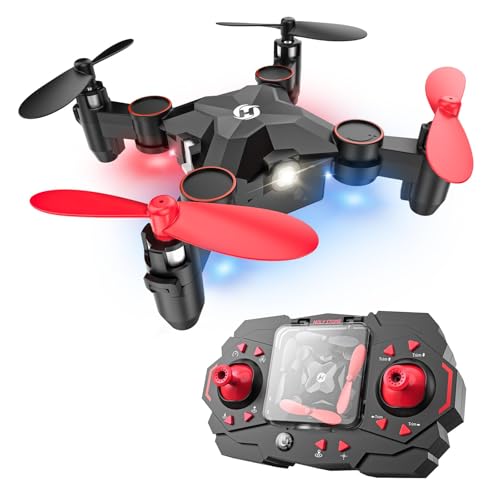
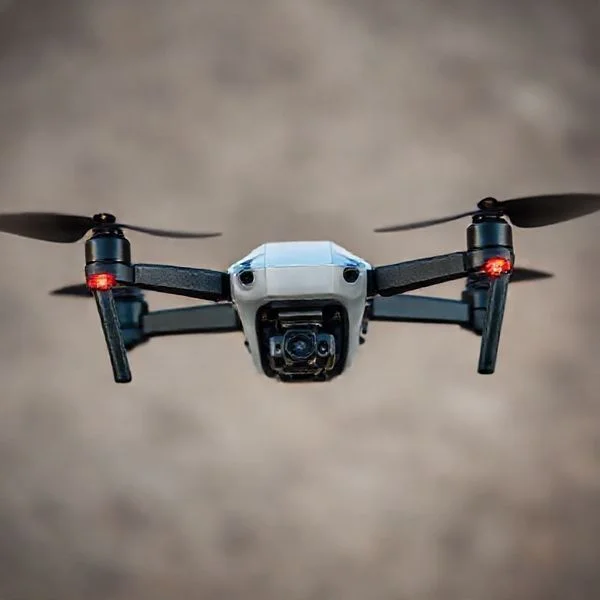
Flying a drone for the first time can be an exciting and exhilarating experience. However, it is important to understand the basics before taking to the skies. Drones, also known as unmanned aerial vehicles (UAVs), are remote-controlled aircraft that can be used for various purposes such as photography, videography, and even recreational flying. To fly a drone safely and successfully, it is crucial to have a clear understanding of its components, controls, and regulations.
Prime for Young Adults — 6 Months Free
Exclusive Offer Amazon Prime for Young Adults, Students and 18–24s get six months of Prime free, then half price.
Start 6 Months Free As an Amazon Associate I earn from qualifying purchases.Before getting started, it is essential to familiarize yourself with the different parts of a drone. These include the drone itself, remote controller, propellers, battery, and various sensors. Understanding how each component works together is the first step towards becoming a competent drone pilot.
Pre-flight Preparation
Once you have a good grasp of the basics, it is time to prepare for your first flight. Proper pre-flight preparation is key to ensuring a safe and successful flight. Here are a few steps to follow:
-
Find a suitable location: Choose an open area away from trees, buildings, and other obstacles. It is also important to check if there are any local restrictions or no-fly zones in your area.
-
Check the weather conditions: Avoid flying your drone in strong winds, rain, or other adverse weather conditions. Always check the weather forecast before heading out.
-
Charge the batteries: Make sure your drone’s batteries are fully charged before taking off. It is also a good idea to carry spare batteries for longer flights.
-
Perform a pre-flight check: Inspect your drone for any signs of damage or loose parts. Check the propellers for any debris and ensure they are securely attached. Also, take a moment to calibrate the compass and GPS if necessary.
Taking Off
Now that you are ready to take to the skies, it’s time to launch your drone. Here’s how to take off:
-
Power on the drone: Turn on the drone by pressing the power button. Wait for the drone to initialize and establish a GPS lock if applicable.
-
Power on the remote controller: Turn on the remote controller and ensure it is properly connected to the drone.
-
Connect your smartphone or tablet: If your drone has a camera, you may need to connect your smartphone or tablet to view the live video feed.
-
Arm the motors: Most drones require you to arm the motors before taking off. This is typically done by pushing both control sticks towards the center and then outwards.
-
Slowly increase the throttle: Gently push the throttle stick upwards to increase the drone’s altitude. Be cautious not to ascend too quickly or lose control of the drone.
Flying Techniques
Once your drone is in the air, it’s time to master some basic flying techniques. Here are a few tips to help you navigate the skies:
-
Maintain a steady altitude: To keep your drone at a consistent altitude, adjust the throttle accordingly. Avoid drastic changes in altitude as it can be difficult to control the drone.
-
Use smooth and gradual movements: When controlling the drone, make sure your movements are smooth and gradual. Avoid jerky or sudden movements, as it can cause instability or even crashes.
-
Fly in open spaces: Especially for beginners, it is recommended to fly in open spaces away from obstacles. This gives you more room to practice and reduces the risk of accidents.
-
Be mindful of the wind: Wind can significantly affect the stability and control of your drone. It is important to keep an eye on the wind direction and strength to make adjustments accordingly.
Basic Maneuvers
Once you have a good handle on the basic flying techniques, you can start experimenting with some basic maneuvers. Here are a few maneuvers to try:
-
Hovering: Hovering is the act of keeping your drone in a stationary position in the air. Practice maintaining a steady hover using the controls.
-
Forward and backward flight: Gradually increase the throttle to move the drone forward, and decrease the throttle to fly it backward. Practice flying in a straight line and maintaining control.
-
Turns and rotations: Use the control sticks to make smooth turns and rotations. Practice turning the drone in both directions while maintaining stability.
Landing the Drone
As your flight time comes to an end, it is important to know how to safely land your drone. Here’s how to do it:
Prime for Young Adults — 6 Months Free
Exclusive Offer Amazon Prime for Young Adults, Students and 18–24s get six months of Prime free, then half price.
Start 6 Months Free As an Amazon Associate I earn from qualifying purchases.-
Find a suitable landing spot: Look for a clear and flat area to land your drone. Avoid landing on uneven or unstable surfaces.
-
Reduce the throttle: Slowly reduce the throttle to decrease the drone’s altitude. Aim to bring it down gently without any sudden drops.
-
Gradually disarm the motors: Once the drone is near the ground, disarm the motors by pushing both control sticks towards the center.
-
Turn off the drone and remote controller: After landing, turn off the drone and remote controller to conserve battery power.
Safety Tips
While flying a drone can be a fun and rewarding experience, it is essential to prioritize safety at all times. Here are some safety tips to keep in mind:
-
Follow local regulations: Familiarize yourself with the drone regulations in your area and fly within the legal limits. This includes respecting no-fly zones and airspace restrictions.
-
Maintain visual line of sight: Always keep your drone within your line of sight while flying. This allows you to have better control and awareness of your surroundings.
-
Avoid flying near people and animals: To minimize the risk of accidents, never fly your drone near people, animals, or moving vehicles. It is important to respect others’ privacy and safety.
-
Be aware of battery life: Keep an eye on the remaining battery life of your drone and return to the landing spot in a timely manner to avoid a sudden loss of power.
Troubleshooting
Even the most experienced drone pilots encounter technical issues from time to time. Here are some common troubleshooting tips to help you in case of any problems:
-
GPS signal loss: If your drone loses GPS signal, try moving to a different location away from any potential interference. Calibrating the compass and GPS might also help.
-
Connection issues: If you are experiencing connection problems between the drone and the remote controller, ensure that both devices have sufficient battery power and are within range of each other.
-
Unstable flight: If your drone is flying erratically or seems unstable, check for any loose parts, propeller damage, or debris. Calibrating the gyroscope and performing a firmware update might also solve the issue.
Common Mistakes to Avoid
When flying a drone for the first time, it is natural to make a few mistakes. Here are some common mistakes to avoid:
-
Flying too far or too high: It is important to keep your drone within your line of sight and comply with local regulations regarding maximum altitude and distance limits.
-
Ignoring weather conditions: Flying in unfavorable weather conditions such as strong winds or rain can result in accidents or damage to your drone. Always check the weather forecast before flying.
-
Failing to calibrate sensors: Calibrating your drone’s sensors, including the compass and GPS, ensures accurate flight and stability. Neglecting this step can lead to improper navigation.
Conclusion and Next Steps
Flying a drone for the first time can be a thrilling experience, and with the right knowledge and preparation, it can also be a safe and enjoyable one. By understanding the basics, engaging in pre-flight preparation, and practicing flying techniques, you can become a confident drone pilot. Remember to prioritize safety, follow regulations, and continue learning as you gain more experience. So, grab your drone, head to an open field, and take to the skies with confidence!
Call to Action
We hope this comprehensive guide has provided you with valuable information on how to fly a drone for the first time. If you found this article helpful, be sure to leave a comment and share it with others who may be interested in learning how to fly a drone. And don’t forget to check out our other articles for more in-depth guides, product reviews, and industry news. Happy flying!