An FPV (First Person View) drone allows pilots to see exactly what the drone sees in real-time through specialized video goggles. Unlike standard drones, they offer unmatched speed and maneuverability, typically requiring manual control for a true cockpit-like experience.
🎯 Key Takeaways
- FPV drones provide an immersive perspective using a live camera feed to goggles.
- Low-latency video transmission is critical for high-speed navigation and safety.
- FPV drones rely on ‘Acro’ mode, giving pilots full manual control.
- These drones are significantly faster and more agile than standard GPS drones.
- They are primarily used for racing, freestyle acrobatics, and cinematic filming.
An FPV (First-Person View) drone is a high-performance aircraft that transmits a live video feed directly to a pair of goggles worn by the pilot. Unlike standard consumer drones where you watch a screen on your controller, FPV technology allows you to see exactly what the drone’s camera sees in real-time. This creates a virtual cockpit experience, making you feel as though you are shrunk down and sitting inside the drone itself. It is the closest a human can get to feeling like they are actually flying without leaving the ground.
Prime for Young Adults — 6 Months Free
Exclusive Offer Amazon Prime for Young Adults, Students and 18–24s get six months of Prime free, then half price.
Start 6 Months Free As an Amazon Associate I earn from qualifying purchases.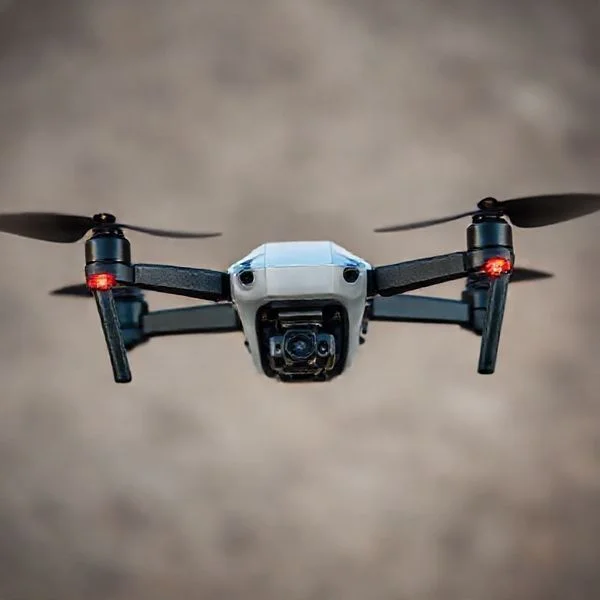
Understanding FPV is essential because it bridges the gap between simple aerial photography and true stunt flight. It transforms a flying camera into a high-speed extension of your own body. Whether you are racing through gates at 90 mph or diving down the side of a mountain, the technology focuses on speed, immersion, and total manual control. This creates a level of precision and freedom that traditional automated drones simply cannot provide.
The Technology Behind First Person View (FPV)
Recommended Best Deal Products


The core of the FPV experience is the “video loop,” which consists of an onboard camera, a video transmitter (VTX), and the receiving goggles. This system is designed for near-zero latency. In the drone world, latency is the delay between the drone’s camera capturing an image and that image appearing in your goggles. While a standard drone might have a delay of 200 milliseconds, an FPV system aims for under 30 milliseconds. This speed is critical because, at high velocities, a fraction of a second is the difference between clearing a gate and hitting a wall.
Analog vs. Digital Video Systems
There are two primary ways this video signal is delivered to your goggles, each offering a different pilot experience:
- Analog Systems: This is the traditional standard for racing. It provides an instantaneous, raw video feed. While the image quality is lower (reminiscent of an old tube TV), the latency is incredibly low and consistent. When the signal gets weak, the image gets “staticy,” but it rarely cuts out entirely.
- Digital Systems: High-definition systems (like DJI, Walksnail, or HDZero) offer crisp, 1080p visuals. They provide a much more immersive and beautiful view, making them the favorite for cinematic pilots. While they used to have higher latency, modern digital systems are now fast enough for almost all types of flying.
The Goggle Experience
The goggles are what truly distinguish FPV from other hobbies. By blocking out your peripheral vision and filling your entire field of view with the drone’s camera feed, your brain begins to interpret the drone’s movements as your own. This sensory immersion is why FPV pilots often sit or lean against something while flying; the experience is so convincing that your body may try to lean into turns as if you were physically moving. This perspective allows for precise navigation through tight spaces, such as windows or tree branches, that would be impossible to navigate while looking at a handheld tablet or a distant drone in the sky.
FPV vs. Standard Drones: Key Differences in Control
The biggest shock for new pilots is the lack of “training wheels.” Standard consumer drones are essentially flying computers; they use GPS, barometers, and downward-facing sensors to hover perfectly in place if you let go of the sticks. FPV drones, however, operate primarily in “Acro” (Acrobatic) or “Manual” mode. If you stop providing input on an FPV drone, it will not hover; it will maintain its current orientation and eventually fall. You are responsible for every degree of movement at every second of the flight.
The Freedom of Manual/Acro Mode
In Manual mode, the drone’s flight controller stops fighting to keep the craft level. This gives you complete control over the drone’s pitch, roll, and yaw, allowing for maneuvers that are physically impossible for a standard drone. You are no longer flying on a flat horizontal plane; you are moving through 3D space.
- Power Loops: Flying in a perfect 360-degree vertical circle around an object.
- S-Turns: Weaving through obstacles with fluid, banked turns like a fighter jet.
- Dives: Turning the drone nose-down and falling vertically down buildings or cliffs while maintaining a steady camera angle.
- Inverted Flight: Momentarily flying upside down to clear obstacles or perform tricks.
Speed and Agility
Standard drones are usually capped at speeds around 35-45 mph for safety and stability. FPV drones are built for raw performance, with many custom builds easily exceeding 100 mph and accelerating from 0 to 60 mph in less than two seconds. Because they lack the heavy sensors and GPS modules of photography drones, they have a much higher power-to-weight ratio. This makes them incredibly “snappy.” You can change direction instantly, flip 180 degrees in a heartbeat, or stop a high-speed descent in a fraction of a second. This agility is what makes FPV the primary choice for both high-speed racing and “freestyle” flying, where the goal is to use the environment as a playground for stunts.
Prime for Young Adults — 6 Months Free
Exclusive Offer Amazon Prime for Young Adults, Students and 18–24s get six months of Prime free, then half price.
Start 6 Months Free As an Amazon Associate I earn from qualifying purchases.The Core Components: Goggles, Transmitters, and Low-Latency Cameras
Recommended Best Deal Products

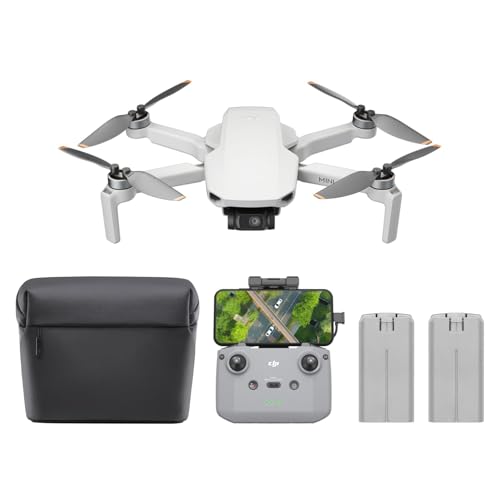

To experience the sensation of flight, you need a specialized ecosystem of hardware that works in perfect synchronization. Unlike standard drones that rely on a smartphone screen, FPV systems prioritize instantaneous feedback. Even a fraction of a second in delay can mean the difference between a successful maneuver and a spectacular crash.
The Visual Link: Goggles and Cameras
The “eyes” of the drone are small, specialized cameras capable of handling rapid changes in lighting. These cameras feed video into a transmitter (VTX) that beams the signal directly to your FPV goggles. This creates a fully immersive experience where the pilot’s entire field of vision is occupied by the drone’s perspective.
- Analog Systems: These provide the lowest possible latency and are the gold standard for racers. The image may have static, but it never “lags.”
- Digital Systems: Brands like DJI and Walksnail offer high-definition video that looks stunningly clear, making it easier to see small obstacles like tree branches.
- Field of View (FOV): Most goggles offer an FOV between 30 and 50 degrees; a wider FOV provides more immersion but can make it harder to focus on the center of the path.
The Control Link: Radio Transmitters
The radio transmitter (or “controller”) is your physical connection to the aircraft. Modern FPV pilots typically use protocols like ExpressLRS (ELRS) or Crossfire, which offer incredible range and reliability. These systems ensure that even if you fly behind a building or deep into a forest, you maintain a solid “lock” on the drone.
- Gimbals: Look for “Hall Effect” gimbals in a transmitter for smoother, more precise stick movements.
- Switches: Most controllers feature multiple switches to “arm” the motors, change flight modes, or activate a “flip over after crash” mode.
- Latency: High-performance links now operate at refresh rates up to 1000Hz, ensuring the drone reacts the millisecond you move your thumb.
Popular Applications: Racing, Freestyle, and Cinematic FPV
Once you have the gear, the way you fly depends on your personal interests. FPV isn’t a “one-size-fits-all” hobby; different pilots prioritize different flight characteristics. From the raw speed of a track to the artistic flow of a mountain dive, there is a niche for everyone.
Racing and Freestyle: Speed and Acrobatics
FPV racing is often described as “Formula 1 in the sky.” Pilots navigate complex gate-filled courses at speeds exceeding 100 mph. It requires intense focus and incredibly fast reflexes. Freestyle flying, on the other hand, is about expression. Pilots use the environment—like abandoned buildings or clusters of trees—as a playground to perform flips, rolls, and “power loops.”
- Racing Drones: Built to be as light and aerodynamic as possible, often using specialized “stretch-X” frames.
- Freestyle Drones: Usually a bit heavier and more durable to survive the inevitable impacts with concrete or steel.
- The “Flow”: Freestyle is all about momentum and making gravity-defying moves look smooth and effortless.
Cinematic FPV: A New Perspective
In recent years, FPV has revolutionized the film industry. By mounting high-end action cameras (like GoPros) to agile drones, creators can capture shots that were previously impossible. Think of a single, continuous shot moving through a window, under a car, and then soaring up a skyscraper. This “Cinestudy” style has become a staple in Hollywood blockbusters and high-end commercials.
- Long-Range Flying: Using specialized GPS-equipped drones to fly miles away to capture majestic mountain peaks or coastline views.
- Proximity Flying: The art of flying inches away from subjects—like mountain bikers or drifting cars—to create a sense of extreme speed.
- Cinewhoops: Small, guarded-propeller drones designed to fly safely indoors or around people without the risk of injury.
Conclusion
Recommended Best Deal Products


FPV drones offer a unique blend of technology, sport, and artistry. Whether you are drawn to the adrenaline of high-speed racing, the creative freedom of freestyle, or the breathtaking visuals of cinematic flight, the FPV world has a place for you. It is a hobby that rewards patience and practice with an experience unlike anything else in the world of aviation.
Prime for Young Adults — 6 Months Free
Exclusive Offer Amazon Prime for Young Adults, Students and 18–24s get six months of Prime free, then half price.
Start 6 Months Free As an Amazon Associate I earn from qualifying purchases.Ready to start your journey? Your first step should be to invest in a quality radio transmitter and spend some time in a flight simulator to build your muscle memory. Once you feel comfortable in the virtual world, the transition to real flight will be much smoother. Join a local flying club or online community, ask questions, and get ready to see the world from a whole new perspective. Happy flying!
❓ Frequently Asked Questions
Is there a difference between analog and digital FPV systems?
Analog systems offer the lowest possible latency and are generally cheaper, making them great for racing. Digital systems provide high-definition video clarity but can be more expensive and may have slightly more variable latency.
What is a Cinewhoop FPV drone?
A Cinewhoop is a small, stable FPV drone with ducted propellers designed for capturing smooth, cinematic footage in tight spaces or near people safely. They are the industry standard for indoor ‘fly-through’ real estate or event videos.
Do FPV drones have GPS?
While many FPV drones can be equipped with GPS for ‘Return to Home’ safety features, it is rarely used for flight stabilization. The pilot usually maintains full manual control over the aircraft’s position and altitude.
Can I fly an FPV drone if I’ve only used a DJI Mavic?
You can, but the learning curve is steep. You should practice in a flight simulator first to master manual (Acro) mode before attempting to fly a real FPV drone.
What is the range of an FPV drone?
Range depends on the frequency and power of the video transmitter and radio link, typically spanning from a few hundred meters to several kilometers with long-range gear like ELRS or Crossfire.
Is FPV flying legal?
Regulations vary by region, but most countries require a visual observer (spotter) to maintain line-of-sight with the drone while the pilot is wearing goggles to ensure airspace safety.