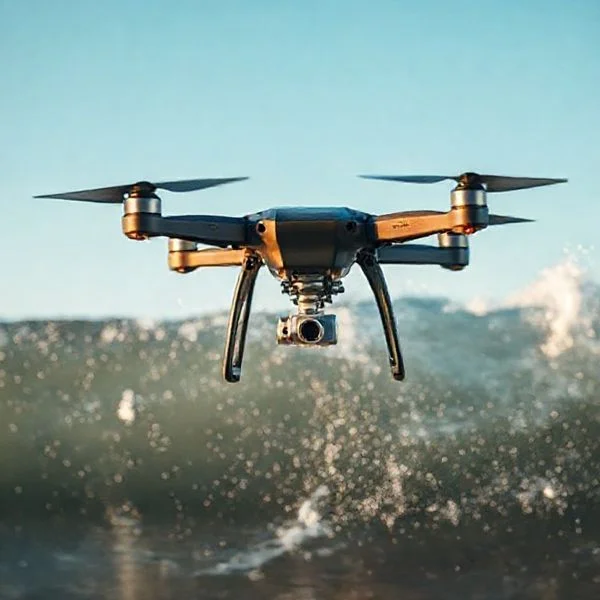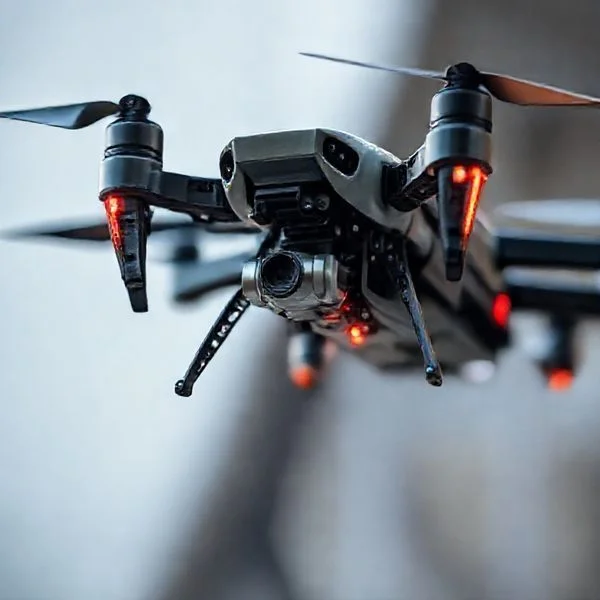
The most important rule is to never shoot down or physically interfere with a drone, as it is a federal crime. Instead, you should document the flight and report the incident to the FAA or local law enforcement to resolve privacy or safety concerns legally.
🎯 Key Takeaways
- Shooting or damaging a drone is a federal felony under Title 18 Section 32.
- Signal jammers are illegal for civilian use and monitored by the FCC.
- Use Remote ID apps to identify the drone’s digital ‘license plate’ and operator.
- Document the date, time, and flight path as evidence for authorities.
- Contact the FAA Flight Standards District Office for persistent safety violations.
To stop a drone hovering over your property, you must prioritize legal documentation over physical action. While your first instinct might be to knock the device out of the sky with a garden hose or a projectile, doing so is a federal felony. The FAA classifies all drones as aircraft, which gives them protected status. The only legal and effective way to handle an unwanted drone is to identify the operator through Remote ID technology and report the incident to the appropriate authorities for investigation.
Prime for Young Adults — 6 Months Free
Exclusive Offer Amazon Prime for Young Adults, Students and 18–24s get six months of Prime free, then half price.
Start 6 Months Free As an Amazon Associate I earn from qualifying purchases.
Practical drone defense is about building a legal case, not engaging in a mid-air dogfight. By gathering specific data points like the pilot’s location or the drone’s serial number, you empower local law enforcement and the FAA to take action on your behalf. This approach keeps you out of jail while ensuring the offending pilot faces the actual legal consequences of their “reckless or unauthorized” flight behavior.
Legal Realities: Why Physical Interference is a Federal Offense
Recommended Best Deal Products


The Aircraft Designation and Federal Law
The most important thing to understand is that the FAA considers a 250-gram plastic drone to be the legal equivalent of a Cessna or a Boeing 747. Under 18 U.S. Code § 32, it is a federal crime to damage, destroy, or disable any aircraft in flight. If you shoot a drone, throw a rock at it, or even hit it with a high-powered stream of water, you are technically committing a felony. This law exists because a disabled drone becomes an unguided projectile that can cause property damage, fire, or personal injury upon impact.
The Danger of Civilian Anti-Drone Tech
Many retailers attempt to sell “drone defense” tools to frustrated homeowners, but using these devices as a civilian is almost always a violation of federal law. Using these tools can lead to massive fines from the FCC and potential imprisonment.
- Signal Jammers: These devices interfere with radio frequencies used for communication and navigation. Using one violates the Communications Act of 1934. Jammers don’t just stop the drone; they can interfere with emergency responder radios, cell towers, and even medical equipment.
- Net Guns and Kinetic Catchers: While they seem less violent than firearms, these still cause the aircraft to crash. The FAA makes no distinction between a drone destroyed by a bullet and one destroyed by a net; both are considered “sabotaging an aircraft.”
- Spoofing Devices: Attempting to take over the drone’s command link via software is considered “computer fraud and abuse” and “unauthorized access to a protected computer.”
In short, if you physically interfere with a drone, you are more likely to be arrested than the pilot who was annoying you. The legal system views the safety of the national airspace as a higher priority than the temporary annoyance of a trespassing drone.
Everything You Need to Know About Protecting Your Privacy From Drones
Discovering an unauthorized drone hovering over your private property can be an unsettling experience, raising immediate concerns about privacy, safety, and surveillance. While your first instinct might be to take physical action, it is crucial to understand that drones are considered “aircraft” by federal authorities, and interfering with them physically can lead to severe legal consequences. This guide provides a comprehensive, legal, and strategic action plan to identify the intruder, document the incident, and use the proper channels to stop the intrusion effectively while keeping yourself on the right side of the law.
Step 1: Identify and Classify the Intrusion
What you need: High-powered binoculars (8×42 or 10×50 magnification) and a notepad.
Instructions: As soon as you spot the drone, use your binoculars to identify its type and behavior. Is it a small hobbyist quadcopter (like a DJI Mini), or a larger industrial drone with specialized camera equipment? Observe the flight pattern: Is it hovering specifically over windows and backyard spaces (harassment/voyeurism), or is it moving in a grid pattern (potential utility or real estate survey)? Note the color, number of rotors, and any visible markings or “N-numbers” (tail numbers) on the chassis. Identifying the drone’s intent is the first step in determining whether you are dealing with a curious neighbor or a professional entity that may actually have a permit to be there.
Prime for Young Adults — 6 Months Free
Exclusive Offer Amazon Prime for Young Adults, Students and 18–24s get six months of Prime free, then half price.
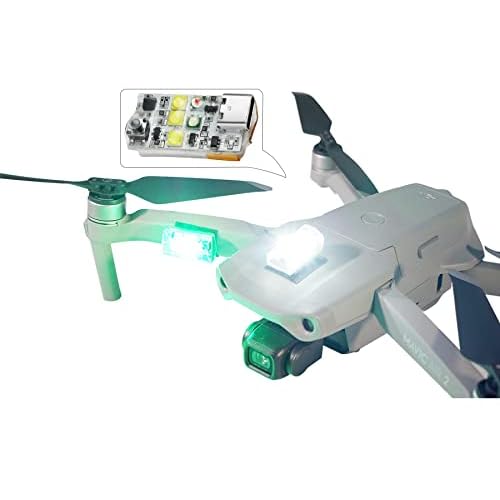
Start 6 Months Free As an Amazon Associate I earn from qualifying purchases.Pro Tip: Look for a small flashing light. Most commercial drones are required to have anti-collision lighting that flashes white or red/green. If the lights are off at night, the operator is likely in violation of FAA nighttime flying regulations.
Step 2: Document the Incident with High-Quality Evidence
What you need: A smartphone with a high-resolution camera (capable of 4K video) or a DSLR with a telephoto lens.
Instructions: Begin recording video immediately. Do not just take photos; video captures the “nuisance” aspect of the flight. Ensure your GPS location services are enabled on your phone so the metadata proves the footage was taken on your property. Capture the drone in relation to your house—film it hovering near windows or over your fence line to establish a breach of privacy. Record for at least 3-5 minutes if possible, noting the exact start and end times. If you can hear the drone, ensure the audio is recorded as well, as noise ordinances are often a secondary way to pursue legal action against intrusive operators.
Pro Tip: Use a reference point in your video, such as a chimney or a specific tree, to help authorities estimate the drone’s altitude. Most local privacy laws trigger at specific “low-altitude” thresholds.
Step 3: Utilize Remote ID Identification Apps
What you need: A smartphone and a “Remote ID” scanner app (such as DroneScanner or OpenSky).
Instructions: As of 2026, the FAA requires most drones to broadcast “Remote ID” signals, which act as a digital license plate. Open a Remote ID scanner app while the drone is in flight near you. If the drone is compliant, the app will show you the drone’s ID number, its current altitude, its speed, and—most importantly—the location of the pilot. This digital footprint is the “smoking gun” for local police. Screenshot all data the app provides, including the pilot’s coordinates. This information bridges the gap between an anonymous flying object and a specific individual who can be held accountable for their actions.
Pro Tip: If the drone does not appear on your scanner app despite being clearly visible, it is likely an older model or the pilot has illegally disabled the broadcast, which is a significant federal violation you should report.
Prime for Young Adults — 6 Months Free
Exclusive Offer Amazon Prime for Young Adults, Students and 18–24s get six months of Prime free, then half price.
Start 6 Months Free As an Amazon Associate I earn from qualifying purchases.Step 4: Safely Locate and Communicate with the Operator
What you need: A calm demeanor and, if possible, a witness or neighbor.
Instructions: If your scanner app or visual tracking reveals the pilot is nearby (often within 500-1,000 feet), you may choose to approach them. However, do not do this aggressively. Walk to the public area where they are standing and wait for them to land the drone before speaking; distracting a pilot during flight can cause a crash for which you might be held liable. State clearly: “I am the owner of the property you are currently filming, and I do not consent to being recorded. Please fly elsewhere.” Often, hobbyists are unaware of property boundaries and will leave once confronted. If they become hostile, leave immediately and move to the next step of involving authorities.
Pro Tip: Never touch the pilot or their equipment. Even if they are trespassing, physical interference can shift the legal “victim” status from you to them in the eyes of the law.
Step 5: File a Formal Report with Local Law Enforcement and the FAA
What you need: Your documented video evidence, Remote ID data, and the non-emergency number for your local police department.
Instructions: Call the non-emergency line to report a “nuisance drone” or “invasion of privacy.” Provide the officer with your documentation. While police sometimes claim they “can’t do anything about the air,” remind them of local privacy, harassment, or “Peeping Tom” statutes that govern the person’s behavior, regardless of the technology used. Simultaneously, file a report through the FAA’s “Drone Zone” website or contact a Law Enforcement Assistance Program (LEAP) agent. The FAA takes unauthorized surveillance and unsafe flight over people very seriously and can issue fines exceeding $10,000 for repeated violations.
Pro Tip: Use the specific phrase “reckless endangerment” if the drone is flying low over people or pets, as this triggers higher-priority responses from both local and federal agencies.
Step 6: Implement Passive Physical Deterrents
What you need: Privacy screens, tall landscaping (Arborvitae trees), or motion-activated lights.
Instructions: Since you cannot legally shoot down or “jam” a drone, you must make your property a “hard target” for surveillance. Plant fast-growing evergreen trees like Green Giant Arborvitaes along your property line to block low-angle shots. Install sunshades or “sail drapes” over your patio or pool area to create a physical canopy that prevents overhead viewing. For nighttime intrusions, install high-intensity, motion-activated LED floodlights. When a drone descends to a certain height, the blast of light can overexpose the drone’s camera sensor, effectively “blinding” the footage without physically touching the aircraft.
Pro Tip: Avoid using high-powered lasers to blind drone cameras. Pointing a laser at any aircraft is a federal crime investigated by the FBI and can result in prison time.
Step 7: Seek Civil Remedies and Cease and Desist Orders
What you need: A consultation with a real estate or privacy attorney.
Instructions: If the drone intrusions are persistent and the pilot has been identified, have your lawyer draft a formal “Cease and Desist” letter. This letter should cite specific state privacy laws and “trespass to airspace” precedents. In many jurisdictions, owning a property includes a reasonable amount of the immediate lower airspace (typically up to 500 feet). If the drone continues to hover after receiving this letter, you can file for a restraining order or a civil lawsuit for “private nuisance” or “intentional infliction of emotional distress.” Legal pressure is often the most effective way to stop professional or persistent “creeper” pilots.
Pro Tip: Keep a detailed log of every single flight, including dates, times, and durations. A pattern of behavior is much easier to prosecute in civil court than a one-time incident.
✅ Final Checklist
- Confirmed the drone’s identity and took 4K video evidence of the flight path.
- Attempted to scan for a Remote ID signal to get the pilot’s location and serial number.
- Reported the incident to the local police and filed a report via the FAA Drone Zone.
- Installed physical privacy barriers like shade sails or trees to block camera sightlines.
- Consulted with a legal professional if the pilot is a repeat offender or neighbor.
Important Notes:
- WARNING: Never attempt to shoot, net, or use electronic jammers on a drone. Under 18 U.S. Code § 32, destroying an aircraft is a federal felony.
- Seek professional help from a private investigator if you suspect the drone is being used for high-level stalking or corporate espionage.
- Estimated Time: 1-2 hours for initial documentation; 1-2 weeks for legal/police follow-up.
- Estimated Cost: $0 (Basic reporting) to $1,500+ (Legal fees and professional landscaping).
Remote ID and Technology for Identifying Intruding Drones
Recommended Best Deal Products


The Digital License Plate System
Since the implementation of the FAA’s Remote ID rule, most drones flying in U.S. airspace are now required to act as “digital beacons.” Remote ID is essentially a digital license plate that broadcasts the drone’s location, its serial number, and the location of the ground control station (the pilot). This technology was created specifically to help law enforcement and the public identify who is flying in sensitive areas. If a drone is hovering over your property, it is likely broadcasting its identity right now.
Using Your Smartphone as a Detection Tool
You do not need military-grade radar to identify an intruding drone. You can use your smartphone to capture the pilot’s information, which serves as the most powerful evidence you can provide to the police. This is the safest and most effective way to “stop” a drone permanently through legal channels.
- Download Remote ID Apps: Applications like DroneScanner or OpenSky allow your phone to receive the Bluetooth or Wi-Fi signals emitted by the drone. These apps can show you the drone’s altitude, speed, and—most importantly—the exact GPS coordinates of the person holding the controller.
- Documenting the ID: When the app detects a drone, take a screenshot of the serial number and the pilot’s location. This data is indisputable evidence that the FAA can use to track the registered owner.
- Identify the Hardware: If the drone is too old for Remote ID, use your phone’s camera to zoom in on any identifying features. Look for the “N-number” (a physical registration number) which is required to be displayed on the exterior of any drone weighing over 250 grams.
By using technology to identify the pilot, you move the conflict from your backyard to the courtroom. Knowing exactly where the pilot is located allows you to direct local law enforcement to their position in real-time. This is significantly more effective than trying to catch a moving drone by hand, and it ensures that your actions remain 100% legal.
Privacy Laws and Local Ordinances Regarding Aerial Surveillance
While the FAA manages the flight paths, your right to privacy is often protected by state and local statutes. These laws are designed to prevent “technological trespassing,” where a drone is used to peer into areas where you have a reasonable expectation of privacy. If a drone is hovering directly outside your bedroom window or low over your fenced backyard, it may be violating Peeping Tom or harassment laws, even if it hasn’t physically touched your property.
The Concept of “Curtilage” and Privacy
In legal terms, “curtilage” refers to the area immediately surrounding your home, like your porch or a private garden. Many jurisdictions are updating their privacy laws to specifically include drone surveillance within these zones. If an operator uses a drone to record video of you in a private setting, they could face criminal charges regardless of how high they are flying.
- State-Specific Privacy Acts: Some states, like Florida and Texas, have passed specific “Drone Privacy Acts” that prohibit using a drone to capture images of privately owned real property with the intent to conduct surveillance.
- Harassment Ordinances: If a drone follows you persistently or hovers at low altitudes every time you go outside, it may fall under local anti-stalking or harassment ordinances.
- Nuisance Laws: Loud, buzzing drones that interfere with your “quiet enjoyment” of your property can sometimes be addressed through local noise or nuisance complaints.
Practical Tips for Addressing Privacy Violations
If you believe your privacy is being invaded, your best tool is documentation. Take photos of the drone from the ground to show its proximity to your windows or private areas. Note the date, time, and frequency of the flights. This evidence is crucial if you decide to file a report with local law enforcement, as it demonstrates a pattern of behavior rather than a one-time accidental flyover.
Navigating FAA Regulations vs. Local Law Enforcement Jurisdiction
Recommended Best Deal Products
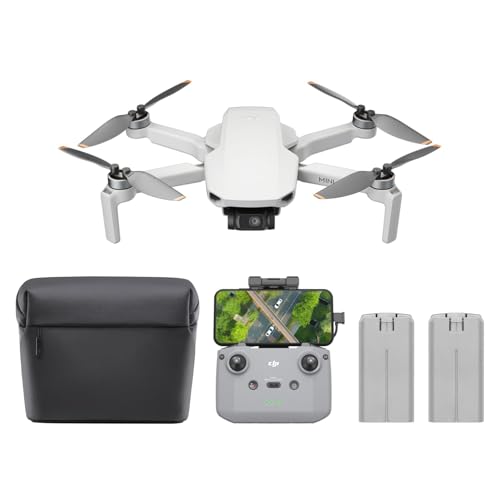


One of the most confusing aspects of stopping a drone is knowing who to call. It is a common misconception that homeowners “own” the air above their houses. In reality, the FAA treats the entire National Airspace System as its domain, from the ground up. This means that while the drone is in the air, it is governed by federal aviation rules, but the operator’s conduct on the ground is often a matter for local police.
When to Contact Local Police
Local law enforcement may not have the authority to “ground” a flight based on airspace rules, but they do have the power to regulate the person holding the remote. If an operator is standing on a public sidewalk but using the drone to harass neighbors, the police can intervene. Local authorities are your first line of defense for immediate safety concerns or criminal behavior.
- Reckless Endangerment: If a drone is flying dangerously low over a crowd or near power lines on your property, local police can cite the operator for public safety violations.
- Trespassing by Operator: While the drone in the air is a gray area, the operator physically standing on your lawn to fly it is a clear-cut case of trespassing.
- Remote ID Compliance: Most modern drones are now required to broadcast a “Digital License Plate” called Remote ID. Police can use apps to identify the drone’s location and the operator’s control station in real-time.
The FAA’s Role in Enforcement
The FAA focuses on the safety of the skies. They are the ones to contact if you see a drone flying near an airport, interfering with emergency responders, or flying at night without proper lighting. However, the FAA rarely responds to individual backyard disputes unless there is a significant safety risk. Always remember: never attempt to disable a drone yourself. Under 18 U.S.C. 32, damaging an aircraft—even a small drone—is a federal felony that carries stiff penalties, including prison time.
Conclusion
Dealing with a drone over your property requires a balance of patience and legal awareness. While it can be frustrating to feel watched, the most effective methods for stopping unwanted flights involve documenting the activity and working through the proper channels. By understanding the distinction between FAA airspace regulations and your local privacy rights, you can protect your home without risking legal trouble yourself.
Your next steps should be to check your specific city and state ordinances regarding aerial surveillance and to invest in “No Drone Zone” signage for your property. These signs serve as a clear notice to operators that they are not welcome. Stay informed, stay calm, and always prioritize legal safety over direct confrontation.
Ready to secure your privacy? Keep an eye on our blog for the latest updates on drone technology and privacy accessories to keep your home a sanctuary.
❓ Frequently Asked Questions
What should I do if a drone is peeping through my windows?
This is a matter for local police rather than just the FAA. Document the drone’s behavior and report it as voyeurism or stalking under your state’s privacy and harassment laws.
How does Remote ID help me stop an intrusive drone?
Remote ID acts as a digital license plate, broadcasting the drone’s serial number and the pilot’s location. This data allows law enforcement to track the pilot and issue citations or warnings for illegal flights.
Can I use a high-powered hose to spray a drone away?
While it seems harmless, spraying a drone can cause it to crash, leading to charges of destruction of property or federal aircraft interference. It is always safer to use legal reporting channels.
How do I file an official complaint with the FAA?
You should contact your local FAA Flight Standards District Office (FSDO) with specific details, including the time of the incident, any identification numbers on the drone, and video evidence of the flight.
Are there specific ‘No-Fly Zones’ for residential areas?
Generally, no; the FAA manages all airspace, and most residential areas are open for flight. However, pilots must follow ‘Part 107’ or recreational rules, which include not flying over people or in a reckless manner.
What are the legal consequences for a drone pilot harassing a neighbor?
Pilots can face significant FAA fines (often exceeding $1,000 per violation), the loss of their pilot certification, and local criminal charges such as stalking, harassment, or disorderly conduct.