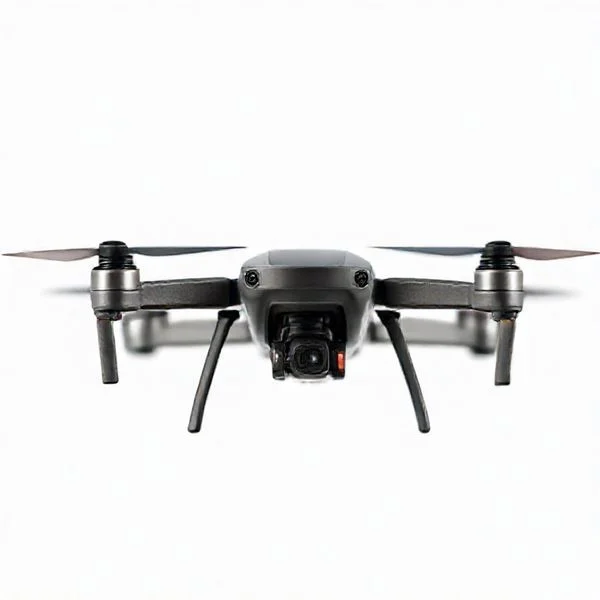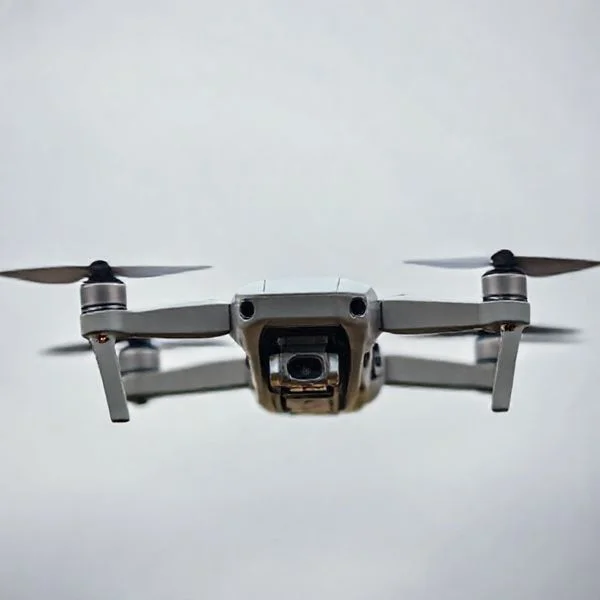
A UAS (Unmanned Aircraft System) refers to the entire technological suite required to operate a pilotless aircraft, rather than just the flying machine. This comprehensive term includes the unmanned aerial vehicle (UAV), the ground control station (GCS), and the communication data link that connects them.
🎯 Key Takeaways
- UAS stands for Unmanned Aircraft System, representing the complete operational package.
- The system includes the aircraft, ground controller, and the wireless data link.
- UAV specifically refers only to the physical aircraft or drone itself.
- Regulatory bodies like the FAA use UAS to emphasize total system safety.
- Professional industries prefer the term UAS over the colloquial term drone.
A UAS, or Unmanned Aircraft System, is the technical and regulatory term for what most people simply call a drone. While “drone” is a convenient catch-all phrase, it is technically incomplete. A UAS represents the entire ecosystem required to operate an aircraft without a human pilot on board. It is the combination of hardware, software, and communication protocols that transforms a flying machine into a functional tool for photography, mapping, or inspection.
Recommended Best Deal Products


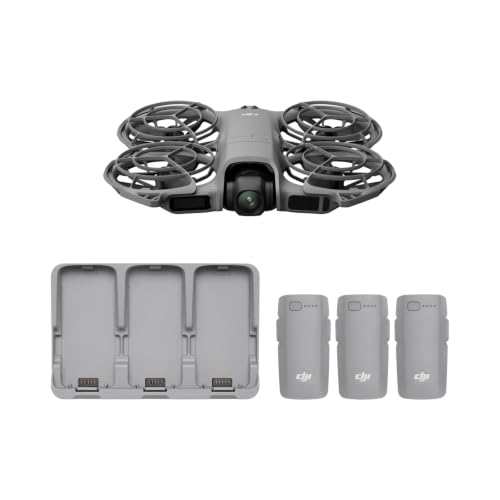
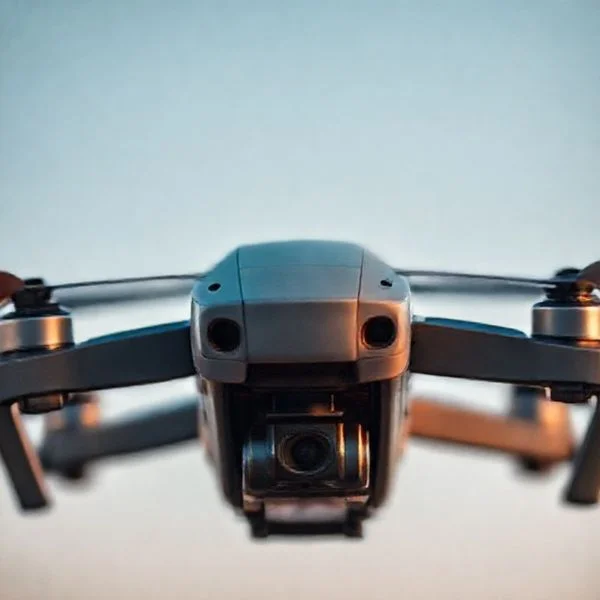
Understanding the UAS framework is essential for anyone moving beyond basic hobby flying. Whether you are studying for your Part 107 commercial certificate or investing in high-end drone accessories, you need to view your equipment as a system rather than just a vehicle. This perspective helps you troubleshoot connectivity issues, optimize your signal range, and comply with aviation laws that govern the entire system, not just the aircraft itself.
Decoding the Acronym: The Three Pillars of a UAS
A UAS is defined by its interconnectivity. If you remove any one of the following three components, the system fails to function. The industry refers to this as a “system of systems,” where each part has a specific role in ensuring a safe and successful flight.
1. The Unmanned Aerial Vehicle (UAV)
The UAV is the physical aircraft that takes to the skies. This includes the airframe, motors, propellers, and the internal flight controller. In the context of a UAS, the UAV is simply the payload carrier. It houses the sensors, such as high-resolution cameras or LiDAR scanners, and the GPS modules necessary for stabilization. When you upgrade your propellers or add landing gear extensions, you are modifying the UAV component of your system.
2. The Ground Control Station (GCS)
The GCS is your interface as the pilot. This is not just the physical remote controller you hold in your hands. It encompasses the software and hardware used to monitor the flight. A modern GCS often includes:
- A handheld transmitter with control sticks.
- A smartphone or tablet running a flight app (like DJI Fly or Autel Explorer).
- Advanced ground stations involving laptops and high-gain antennas for long-range missions.
- Mission planning software used to pre-program waypoints and autonomous flight paths.
3. The Command and Control (C2) Data Link
The data link is the invisible bridge that connects the GCS to the UAV. It is a two-way communication channel typically operating on radio frequencies like 2.4GHz or 5.8GHz. The “Uplink” carries your manual steering commands from the controller to the drone. The “Downlink” carries vital telemetry data—such as battery voltage, altitude, and GPS coordinates—back to your screen. In most modern systems, this link also carries the live FPV (First Person View) video feed. This is where drone accessories like signal boosters and high-quality cables become critical for maintaining a stable connection.
UAS vs. UAV vs. Drone: Key Differences Explained
In casual conversation, these terms are used interchangeably. However, in professional and legal environments, the distinction is sharp. Using the correct terminology shows a level of expertise that is expected in the commercial drone industry. It also helps you understand exactly what you are responsible for when you operate in controlled airspace.
The Aircraft vs. The Ecosystem
The primary difference is scope. A UAV (Unmanned Aerial Vehicle) refers strictly to the aircraft itself. If you are talking about the weight of your gear or the aerodynamics of the wings, you are talking about the UAV. On the other hand, the UAS (Unmanned Aircraft System) includes everything in your hardshell carrying case. This includes the remote, the tablets, the data links, and even the software updates that allow them to communicate.
Think of it like a computer system. The UAV is the monitor and tower, while the UAS is the entire workstation including the internet connection, the keyboard, and the user interface. You cannot have a functioning UAS without a UAV, but a UAV sitting on a shelf without a controller is just an inert object.
Why Regulatory Bodies Prefer “UAS”
Organizations like the FAA (Federal Aviation Administration) and EASA use the term UAS because they regulate the entire operation, not just the flying machine. When you register your drone, the FAA considers you the “operator” of a “system.” Their safety guidelines cover:
- Maintenance: Keeping the UAV in airworthy condition.
- Link Security: Ensuring the C2 data link is not susceptible to interference.
- Pilot Responsibility: The GCS must provide enough information for the pilot to avoid other aircraft.
By focusing on the “System,” authorities ensure that pilots account for potential failures in the remote controller or the software, rather than just focusing on the drone’s battery life or motors. This holistic view is what makes modern drone flight one of the safest sectors in aviation.
The Role of the Ground Control Station and Data Links
When we talk about a Unmanned Aircraft System, we have to look beyond the propellers and the camera. The “system” part of the acronym refers largely to the components that stay on the ground but are vital for flight. Without a high-functioning Ground Control Station (GCS) and a stable data link, the aircraft is essentially a high-tech paperweight.
The Ground Control Station (GCS): The Pilot’s Cockpit
The GCS is the command center where the pilot interacts with the aircraft. While hobbyists often use a simple handheld remote or a smartphone, professional UAS setups utilize sophisticated stations. These can range from ruggedized laptops to complex mobile command centers with multiple monitors. The GCS allows the operator to monitor battery levels, GPS health, and real-time telemetry data.
- Multi-Device Integration: High-end GCS setups often allow for a secondary display, letting the pilot focus on navigation while a camera operator focuses on the shot.
- Mission Planning: Many GCS software programs allow for autonomous “waypoint” flying, where the flight path is pre-programmed before the drone even takes off.
- Hardware Quality: Investing in high-quality sunshades and ergonomic controller grips can significantly improve your GCS experience during long field days.
Data Links: The Invisible Tether
The data link is the communication bridge between the ground and the air. It typically consists of two distinct channels: the uplink, which carries the pilot’s commands, and the downlink, which brings back video and sensor data. In modern UAS, this is usually handled via radio frequency (RF) or, in more advanced industrial cases, via 4G/5G or satellite connections.
- Latency: Low-latency links are crucial for real-time maneuvers and avoiding obstacles.
- Interference Management: Professional UAS systems use frequency-hopping technology to maintain a stable connection in “noisy” environments like urban construction sites.
- Redundancy: Some systems use dual-link setups to ensure that even if one frequency fails, the pilot retains control.
Why Regulatory Agencies and Professionals Use the Term UAS
You might wonder why the FAA or EASA rarely uses the word “drone” in their official documents. The reason is simple: precision. The term “drone” is often associated with toys or military hardware, whereas “UAS” encompasses the entire safety ecosystem required to operate a remote aircraft in shared airspace.
Precision, Safety, and Accountability
For regulatory bodies, the focus isn’t just on the flying object; it’s on the safety of the entire operation. By using the term UAS, regulators can set standards for the ground hardware, the software updates, and even the maintenance of the communication links. This holistic view ensures that every part of the system is held to a high standard of reliability.
- Standardized Certification: Professional licenses, like the Part 107 in the US, focus on UAS knowledge because pilots need to understand weather, airspace, and system limitations.
- Operational Continuity: If a data link fails, a true UAS has a programmed “fail-safe” protocol, which is a key requirement for professional certification.
Adopting a Professional Mindset
Switching your vocabulary from “drone” to “UAS” often marks the transition from a casual hobbyist to a serious professional. Whether you are performing thermal inspections, mapping a farm, or shooting a high-budget commercial, thinking in terms of “systems” helps you prepare for potential points of failure.
Pro Tip: When applying for commercial insurance or flight permits, using the term UAS in your documentation can signal to underwriters and authorities that you are a knowledgeable, safety-conscious operator.
Conclusion
Understanding what a UAS drone is helps demystify the complex technology behind modern flight. It isn’t just about the aircraft; it’s about the synergy between the pilot, the ground control hardware, and the invisible data links that hold everything together. Recognizing the system as a whole allows you to prioritize safety, choose better accessories, and communicate effectively with other professionals in the industry.
Now that you have a firm grasp of the “system” behind the drone, your next step should be to audit your own gear. Check your signal range, update your ground control software, and ensure your data links are secure. Whether you’re a hobbyist or an aspiring pro, treating your drone as part of a larger system is the best way to ensure every flight is a success. Safe flying!
❓ Frequently Asked Questions
What are the three main components of a UAS?
A UAS consists of the Unmanned Aerial Vehicle (UAV), a Ground Control Station (GCS) which acts as the pilot’s interface, and a command-and-control data link. All three must work in harmony for a successful and safe flight mission.
Why do the FAA and other regulators prefer the term UAS?
Regulators use UAS because it encompasses the entire operational environment, including the pilot on the ground and the equipment used to control the flight. This comprehensive view allows for more effective safety regulations and air traffic management.
Can a hobbyist drone be considered a UAS?
Technically, yes; even a small consumer drone is a UAS because it relies on a remote controller and a radio connection to fly. However, the term is more frequently applied in professional, industrial, or military contexts.
What is the difference between a UAV and a UAS?
The UAV (Unmanned Aerial Vehicle) is simply the flying machine itself, whereas the UAS (Unmanned Aircraft System) includes the UAV plus the remote pilot, the control station, and the communication links.
What kind of data links are used in a UAS?
Data links typically involve radio frequency (RF) signals, satellite communications, or cellular networks. These links transmit control commands to the aircraft and send telemetry or high-definition video feeds back to the operator.
Are autonomous drones still considered part of a UAS?
Yes, even fully autonomous drones are part of a UAS because they still require a launch/recovery system, a mission planning interface, and a monitoring station to ensure flight safety and compliance.