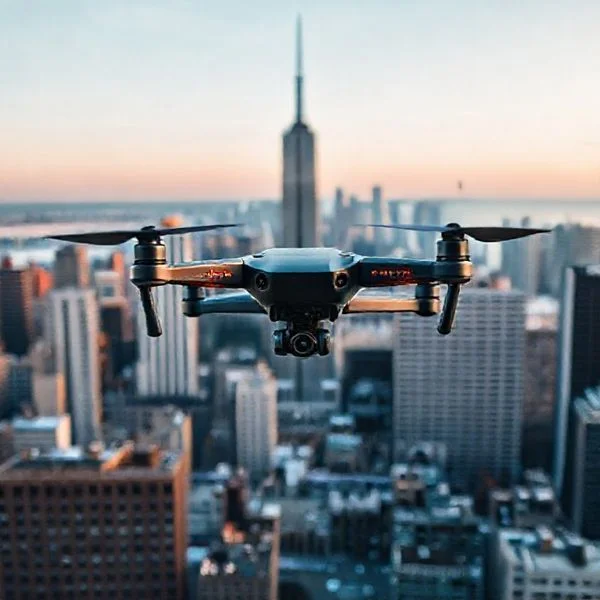
Shooting down a drone is a federal crime because the FAA classifies drones as aircraft, punishable by up to 20 years in prison. Beyond criminal charges, individuals face severe civil liability for property damage and potential lawsuits. Instead of force, you must report privacy concerns to local law enforcement or the FAA.
🎯 Key Takeaways
- Shooting a drone is a federal felony under 18 U.S.C. § 32.
- Drones are legally classified as aircraft, similar to commercial planes.
- You can face up to 20 years in federal prison for drone destruction.
- Expect civil lawsuits for the replacement cost and potential damages.
- Document the drone’s behavior and contact local police or the FAA.
If you pull the trigger on a drone hovering over your property, you aren’t just defending your privacy; you are committing a federal felony. Regardless of whether the drone is a cheap toy or a professional rig, the law treats it as an aircraft. Shooting one down puts you in the same legal category as someone who fires at a commercial airliner. The consequences are immediate, severe, and can result in years of prison time and life-altering financial ruin.
Prime for Young Adults — 6 Months Free
Exclusive Offer Amazon Prime for Young Adults, Students and 18–24s get six months of Prime free, then half price.
Start 6 Months Free As an Amazon Associate I earn from qualifying purchases.
Understanding these risks is vital because “self-defense” or “property rights” are rarely valid legal justifications for destroying a drone. In the eyes of the Federal Aviation Administration (FAA) and the Department of Justice (DOJ), the airspace above your home is not your private shooting range. Before you reach for a firearm, you need to understand the federal statutes that prioritize the safety of the National Airspace System over your personal frustrations with a neighbor’s camera.
Federal Law and the Classification of Drones as Aircraft
Recommended Best Deal Products

The core reason shooting a drone is such a serious offense lies in how the United States government classifies Unmanned Aircraft Systems (UAS). Under 18 U.S.C. § 32, the “Destruction of Aircraft or Aircraft Facilities” is a federal crime. The FAA officially categorized drones as “aircraft” in 2015, which means they are protected by the same statutes that protect a Cessna or a Boeing 737.
The Reach of 18 U.S.C. § 32
This federal statute was originally designed to prevent sabotage and terrorism against commercial aviation. However, it now applies to drones in every capacity. When you disable a drone, you are interfering with an aircraft “in flight” within the special aircraft jurisdiction of the United States. It does not matter if the drone is flying at 400 feet or 10 feet off the ground.
- No Trespassing Defense: Federal law typically supersedes local trespassing or privacy laws regarding flight. You cannot shoot an aircraft just because it is over your land.
- The “In-Flight” Rule: An aircraft is considered “in flight” from the moment power is applied for takeoff until it lands. Shooting it anywhere in this window triggers federal jurisdiction.
- Broad Interpretation: The law covers not just the drone itself, but any person who “sets fire to, damages, destroys, disables, or wrecks” an aircraft.
Why Privacy Isn’t a Legal Defense
Many property owners cite privacy as their justification for taking a shot. However, current legal precedent suggests that there is no “reasonable expectation of privacy” from the air in a way that permits the use of force. Courts have repeatedly ruled that what is visible from public navigable airspace is generally fair game for observation. Even if a drone is recording you, your legal remedy is a civil privacy lawsuit or a police report. Using kinetic force to solve a privacy dispute is a legal non-starter that usually results in the shooter being the one in handcuffs.
Criminal Penalties: Jail Time and Felony Records
The penalties for shooting down a drone go far beyond a simple “destruction of property” charge. Because it is a federal crime, the investigation is often handled by federal agencies like the FBI rather than just local police. If convicted under 18 U.S.C. § 32, the legal repercussions are designed to be a massive deterrent to ensure the safety of the skies.
Potential Prison Sentences and Fines
The statutory maximum for destroying an aircraft is 20 years in federal prison. While a first-time offender shooting a small drone might not receive the maximum, the starting point for negotiations is much higher than most people anticipate. Unlike state crimes, federal crimes come with strict sentencing guidelines and no possibility of parole. You will serve the vast majority of whatever time you are given.
- Maximum Prison Term: Up to 20 years in federal prison for damaging or destroying a drone.
- Civil Penalties: The FAA can levy administrative fines of up to $27,500 per violation.
- Criminal Fines: Court-ordered fines for federal felonies can reach $250,000.
- Weapon Enhancements: Using a firearm to commit a felony often carries mandatory minimum sentences that are added to the primary charge.
The Reality of a Federal Felony Record
Beyond jail time, a conviction results in a permanent federal felony record. This isn’t something that can be easily expunged or “hidden” after a few years. A felony conviction means you lose your right to own firearms, your right to vote in many states, and it will significantly hinder your ability to find employment in many industries.
Prime for Young Adults — 6 Months Free
Exclusive Offer Amazon Prime for Young Adults, Students and 18–24s get six months of Prime free, then half price.
Start 6 Months Free As an Amazon Associate I earn from qualifying purchases.The FBI tracks these cases closely to ensure that the precedent of “safe airspace” remains intact across the country. Consider the financial burden alone: the cost of a defense attorney capable of handling federal aircraft sabotage charges can easily exceed $50,000. Even if you manage to avoid prison, the legal fees and the FAA’s administrative fines can lead to personal bankruptcy. One moment of anger toward a drone can lead to a lifetime of restricted civil liberties and financial ruin.
Civil Liability and the Financial Cost of Drone Destruction
Even if you managed to avoid a prison sentence, the financial fallout of shooting down a drone can be devastating. When you destroy someone else’s property, you aren’t just liable for the “toy” you see in the sky; you are responsible for the full replacement value of a highly sophisticated piece of technology. Modern drones are essentially flying supercomputers equipped with stabilized gimbals, high-resolution sensors, and advanced GPS systems.
The High Price Tag of Replacement
Drones used for professional photography or industrial inspections can cost anywhere from $2,000 to over $20,000. If the drone was carrying specialized equipment, such as a thermal imaging camera or a high-end cinema lens, the bill could climb even higher. In a civil lawsuit, the owner can sue you for:
- The full retail replacement cost of the aircraft and all attached accessories.
- Loss of income if the drone was being used for a commercial contract at the time of the incident.
- Legal fees incurred by the drone owner to recover their losses.
- Emotional distress or invasion of privacy claims, depending on the circumstances of the confrontation.
The Risk of “Strict Liability”
In many jurisdictions, property damage cases operate under a concept of strict liability. This means that if you admit to shooting the drone, there is very little defense you can offer to avoid paying for it. Claiming you felt “annoyed” or “watched” rarely holds up in a civil court as a justification for destroying thousands of dollars in property. You may find yourself facing a judgment that results in wage garnishment or a lien against your home just to settle the debt.
Legal Alternatives and Privacy Rights Protections
It is understandable to feel a sense of intrusion when a drone hovers near your backyard. However, the law provides several peaceful avenues to protect your privacy without risking a felony charge. Knowing how to handle a drone encounter legally is the best way to ensure your rights are respected while keeping yourself out of the courtroom.
Leveraging Remote ID and Law Enforcement
Under new FAA regulations, most drones are now required to broadcast Remote ID information. This acts like a digital license plate. Instead of reaching for a weapon, you can use smartphone apps designed to identify nearby drones. These apps can often show you the drone’s identification number and, in some cases, the location of the pilot.
- Document the incident: Use your phone to record video of the drone’s behavior, focusing on how low it is flying or if it is hovering specifically over windows.
- Call local police: Report the drone as a nuisance or a potential privacy violation. Many states have specific “Peeping Tom” or harassment laws that apply to drone usage.
- File an FAA report: The FAA takes reports of reckless flying very seriously. If a pilot is operating unsafely, the federal government can levy heavy fines and revoke their pilot certification.
Understanding Your “Airspace” Rights
While the FAA controls the navigable airspace, they also recognize that property owners have a right to the “reasonable enjoyment” of their land. If a drone is hovering consistently at a very low altitude (below the tree line), it may be considered trespassing under state law. By contacting a lawyer or local authorities, you can seek a cease-and-desist order or a restraining order against the pilot. This approach is far more effective—and significantly cheaper—than attempting to solve the problem with a firearm.
Prime for Young Adults — 6 Months Free
Exclusive Offer Amazon Prime for Young Adults, Students and 18–24s get six months of Prime free, then half price.
Start 6 Months Free As an Amazon Associate I earn from qualifying purchases.Conclusion
Shooting down a drone might feel like a quick solution to a privacy concern, but the legal and financial consequences are simply too high. From federal felony charges for interfering with an aircraft to massive civil lawsuits for property destruction, the risks far outweigh any perceived benefits. Protecting your privacy is important, but it must be done within the boundaries of the law to ensure you don’t become the one facing a judge.
Next Steps: If you are concerned about drones in your neighborhood, take a moment to research your specific state’s privacy and drone trespassing laws. Consider downloading a drone tracking app to stay informed about the activity in your local airspace. Stay informed, stay legal, and always choose documentation over confrontation.
❓ Frequently Asked Questions
Why does the FAA treat drones like commercial airplanes?
The FAA classifies all unmanned aircraft systems (UAS) as aircraft to maintain uniform safety across national airspace. This legal status means that interfering with a drone carries the same weight as interfering with a manned flight, intended to prevent reckless behavior that could endanger the public.
Are there any ‘Stand Your Ground’ laws that apply to drones?
Generally, no; self-defense laws require a credible threat of physical harm to a person, which a hovering drone rarely poses. Shooting a drone is legally viewed as property destruction and an endangerment to anyone in the area where the projectile or drone might land.
What happens if I shoot a drone with a BB gun or use a jammer?
Using any method to down a drone, including kinetic projectiles or electronic jamming, is illegal and violates federal communications and aviation laws. Jammers specifically violate FCC regulations, and both methods can lead to federal investigations and heavy fines.
Can I be sued even if the police do not charge me with a crime?
Yes, civil court has a lower ‘preponderance of evidence’ standard than criminal court, allowing drone owners to sue for damages independently. You may be forced to pay for the drone, the camera gear, and the owner’s legal fees.
Does the height of the drone matter for legal protection?
No, federal jurisdiction over the airspace begins at the ‘blade of grass,’ meaning any altitude is considered navigable airspace under FAA control. Shooting at a drone remains a federal offense regardless of how low it is flying over your property.
What should I do if a drone is hovering near my window?
Instead of using force, document the incident with your phone, note the time and location, and call the police. You can also file a formal complaint with the nearest FAA Flight Standards District Office to initiate a professional investigation into the pilot.