📋 Table of Contents
A drone, or Unmanned Aerial Vehicle (UAV), is an aircraft that operates without a human pilot on board using remote control or autonomous software. These devices rely on sophisticated sensors, GPS, and propulsion systems to navigate complex environments for recreational and commercial purposes. Understanding their core components and capabilities is the first step toward mastering aerial technology.
🎯 Key Takeaways
- Takeaway 1:Drones are remotely piloted or autonomous aircraft used for civilian and military tasks.
- Takeaway 2:Modern UAVs utilize GPS and multi-rotor systems for stable flight and precise positioning.
- Takeaway 3:Essential accessories like extra batteries and prop guards improve flight safety and duration.
- Takeaway 4:Commercial drones offer specialized features like thermal imaging or high-resolution mapping sensors.
- Takeaway 5:Knowing local flight regulations is crucial before launching any drone for the first time.
Have you ever looked up and seen a small, buzzing object darting through the sky like a futuristic bird? Not long ago, these flying machines were the stuff of science fiction or high-tech military operations. Today, drones are everywhere, capturing stunning wedding photos, inspecting power lines, and even delivering packages to your doorstep. They have quickly moved from being expensive gadgets to essential tools for hobbyists and professionals alike.
Recommended Best Deal Products

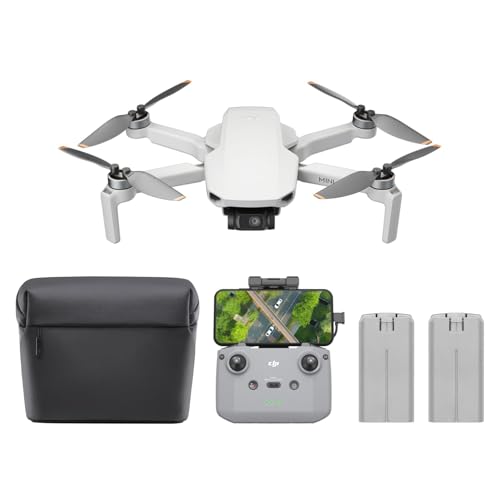


Understanding what a drone is matters because this technology is changing our world fast. Whether you want to start a new hobby, boost your business, or just stay informed, knowing the basics is key. Drones are much more than just remote-controlled toys. They are sophisticated robots that combine aerospace engineering with advanced software to perform tasks we once thought were impossible. Let’s dive into what makes these flying wonders tick.
Understanding the Core Technology of Unmanned Aerial Vehicles
At its simplest, a drone is an Unmanned Aerial Vehicle (UAV). This means it is an aircraft that flies without a human pilot on board. Instead, it is controlled by a person on the ground or by an internal computer. The magic happens through a mix of hardware and software working in perfect harmony. Every time you move a joystick, the drone performs hundreds of tiny calculations to stay level and move smoothly through the air.
The “Brain” and the Power Plant
The heart of any drone is the flight controller. Think of this as the drone’s brain. It takes data from sensors like gyroscopes and accelerometers to understand its position in space. If a gust of wind hits the drone, the flight controller detects it instantly. It then tells the motors to speed up or slow down to keep the craft steady. This happens so fast that you probably won’t even notice the drone wobbling.
- Flight Controller: The central computer that manages stability and navigation.
- Electronic Speed Controllers (ESCs): These tell the motors how fast to spin.
- Brushless Motors: High-efficiency engines that provide the lift needed to fly.
- Propellers: These spin to create the airflow that pushes the drone upward.
Sensors and Connectivity
Modern drones rely on GPS (Global Positioning System) to know exactly where they are on Earth. This allows for features like “Return to Home,” where the drone flies back to you automatically if it loses connection. Many drones also use vision sensors. These act like eyes to help the drone avoid trees, walls, and other obstacles. To keep you in control, the drone uses radio waves to talk to your remote controller. This link sends your commands up and beams a live video feed back down to your screen.
Quick Tip: Always check your GPS signal before taking off. A strong satellite lock ensures your drone can hover in one spot without drifting away in the wind.
Comparing Recreational, Commercial, and Industrial Drone Types
Not all drones are built for the same job. Just like you wouldn’t use a bicycle to move a house, you wouldn’t use a tiny toy drone to map a massive farm. Drones are generally grouped into three main categories based on their size, cost, and capabilities. Understanding these differences helps you choose the right gear for your specific needs.
Consumer and Recreational Drones
These are the drones you see most often at parks or on vacation. They are designed to be user-friendly and portable. Most consumer drones feature high-quality cameras mounted on “gimbals.” A gimbal is a motorized mount that keeps the camera perfectly still, even if the drone is tilting or shaking. These drones are perfect for vlogging, family photos, or just enjoying the view from above. They are usually light enough to fit in a backpack and can be flown by almost anyone with a little practice.
- Mini Drones: Very light drones that often don’t require government registration.
- Photography Drones: Equipped with 4K cameras and smart flight modes for cinematic shots.
- FPV Drones: Built for speed and agility, often used for racing or high-speed stunts.
Commercial and Industrial Powerhouses
When drones go to work, they get much bigger and more complex. Commercial drones are built for durability and specialized tasks. For example, an industrial drone might carry a thermal camera to find heat leaks in a building. Another might have a heavy-duty sprayer to help farmers protect their crops. These drones often have “hot-swappable” parts, meaning you can change the camera or battery very quickly to keep working. They are built to fly in tougher weather and stay in the air for much longer periods than a standard hobby drone.
Common Industrial Uses Include:
- Agriculture: Mapping crop health and spraying fertilizers with precision.
- Public Safety: Using thermal imaging to find missing people at night.
- Infrastructure: Inspecting bridges and cell towers without putting workers at risk.
- Mapping: Creating highly detailed 3D models of construction sites or land.
Practical Example: A search-and-rescue team might use an industrial drone with a zoom lens. This allows them to see small details from a safe distance, saving precious time during an emergency.
Key Components and Critical Accessories for Drone Operation
Understanding what makes a drone fly is essential for any aspiring pilot. While the exterior might look like a simple plastic shell, the interior is a sophisticated ecosystem of electronics working in perfect harmony. The Flight Controller acts as the brain, processing data from sensors to keep the aircraft stable, while the Electronic Speed Controllers (ESCs) tell the motors exactly how fast to spin.
The Internal Anatomy of a UAV
Beyond the “brain,” several hardware components are vital for a successful flight. High-torque brushless motors provide the lift, while the Gimbal serves as a mechanical stabilizer for the camera, ensuring your footage remains buttery smooth even in high winds. Without these core parts, a drone would be little more than a vibrating brick.
- Propellers: These are the “tires” of the sky. Always carry spares, as even a tiny chip can cause flight instability.
- IMU (Inertial Measurement Unit): A collection of sensors like gyroscopes and accelerometers that tell the drone its orientation.
- Radio Receiver: The hardware that catches signals from your handheld controller to execute maneuvers.
Must-Have Accessories for Your Kit
Buying the drone is just the beginning. To get the most out of your flight time, certain accessories are considered non-negotiable by the pros. For instance, ND (Neutral Density) Filters act like sunglasses for your camera, allowing you to capture cinematic motion blur in bright sunlight. A dedicated landing pad is another “pro tip” accessory; it prevents dust and debris from being sucked into the motors during takeoff from grass or sand.
- Extra Intelligent Flight Batteries: Most drones only fly for 20-30 minutes. Having three or more batteries is the industry standard for a full day of shooting.
- High-Speed microSD Cards: Drones record massive amounts of data. Look for U3 or V30 rated cards to prevent recording errors.
- Propeller Guards: Essential for indoor flying or when practicing in tight spaces to protect both the drone and your surroundings.
Current Regulations and Safety Standards for New Pilots
As drones have become more popular, governments have introduced specific rules to keep the skies safe. Flying a drone is no longer just a hobby; it is an entry into the National Airspace System. Before you take off, you must understand that the air above your backyard is shared with helicopters, planes, and emergency services.
Navigating Legal Requirements
In many regions, including the United States (FAA) and the UK (CAA), you are required to register your drone if it weighs more than 250 grams. This registration is like a license plate for your aircraft. Furthermore, many countries now require hobbyists to pass a basic safety knowledge test, such as the TRUST (The Recreational UAS Safety Test) in the US, before their first flight.
- Remote ID: Most modern drones now broadcast a digital “license plate” that authorities can track to ensure legal operation.
- Altitude Limits: In most jurisdictions, you must stay below 400 feet (120 meters) to avoid interfering with manned aircraft.
- Visual Line of Sight (VLOS): You are legally required to be able to see your drone with your own eyes at all times during flight.
Safety Standards for Public Spaces
Safety isn’t just about following the law; it’s about common sense and respect. Avoiding “No Fly Zones” near airports, military bases, and national parks is critical to avoid heavy fines or equipment confiscation. Use smartphone apps like B4UFLY or AirControl to check for temporary flight restrictions in your area before you power up your rotors.
- Privacy Respect: Avoid hovering over private backyards or filming people without their explicit consent.
- Weather Monitoring: High winds and rain are the leading causes of drone crashes. Check localized wind gusts before launching.
- Wildlife Awareness: Birds often see drones as threats. Keep a safe distance from nests and sensitive habitats.
Conclusion
Drones are far more than just high-tech toys; they are versatile tools that combine advanced physics, robotics, and creative artistry. From the internal flight controllers that keep them level to the essential accessories like ND filters and spare batteries, every piece of the puzzle matters. By understanding the technology and respecting the legal regulations of the sky, you can enjoy this hobby safely and professionally.
Ready to take to the skies? Your next steps are simple: research your local flight laws, invest in a quality starter kit with extra batteries, and find a wide-open field for your first practice session. The world looks incredible from a few hundred feet up—go out and capture it!
❓ Frequently Asked Questions
What is the difference between a drone and a UAV?
While the terms are used interchangeably, ‘drone’ is the common name while ‘UAV’ is the technical term. ‘UAS’ (Unmanned Aircraft System) is also used to describe the entire system, including the controller and link.
What are the main types of drone wing configurations?
The most common are multi-rotors for stability and hovering, and fixed-wing drones for long-distance endurance. Hybrid VTOL drones combine both styles to take off vertically and fly efficiently like a plane.
Why are drone accessories considered essential for beginners?
Accessories like propeller guards protect the aircraft during crashes, while landing pads prevent dust from entering the motors. Investing in extra batteries ensures a longer and safer flying experience.
Do I need a license to fly a drone for fun?
In many countries, you must register your drone and pass a basic safety test if it weighs over 250 grams. Always check your local aviation authority’s rules regarding recreational versus commercial pilot certifications.
How far can a typical consumer drone fly from the pilot?
Most high-end consumer drones have a signal range of 5 to 10 miles, but laws usually require ‘visual line of sight.’ This means you must keep the drone visible to your eyes at all times.
What industries use drones the most today?
Agriculture uses drones for crop monitoring, while construction and real estate use them for mapping. Public safety agencies also utilize them for search and rescue operations.