A drone light show is an aerial performance where a fleet of synchronized drones equipped with RGB LEDs creates complex 3D animations in the sky. Controlled by centralized swarm software, these displays offer a sustainable and high-tech alternative to traditional pyrotechnics.
🎯 Key Takeaways
- Drone shows utilize swarms of synchronized quadcopters to form dynamic 3D shapes and logos.
- High-precision RTK GPS technology provides centimeter-level accuracy for complex aerial formations.
- Unlike fireworks, drone displays produce zero chemical waste and minimal noise pollution.
- A single ground control station manages thousands of drones simultaneously via specialized software.
- Show durations are typically 10-15 minutes, limited by current lithium-polymer battery capacity.
A drone light show is a synchronized aerial performance where hundreds, or even thousands, of specialized Unmanned Aerial Vehicles (UAVs) equipped with high-intensity LED lights choreograph complex 3D shapes, logos, and animations in the night sky. Unlike traditional fireworks that rely on chemical explosions, these shows are essentially “flying pixels” controlled by a single computer. This technology transforms the sky into a massive digital canvas, allowing for storytelling with a level of precision and repeatablity that was previously impossible.
Prime for Young Adults — 6 Months Free
Exclusive Offer Amazon Prime for Young Adults, Students and 18–24s get six months of Prime free, then half price.
Start 6 Months Free As an Amazon Associate I earn from qualifying purchases.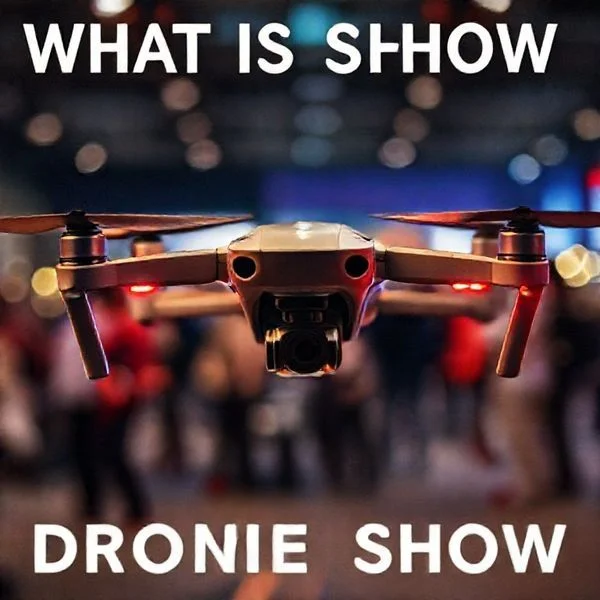
For event organizers and brands, understanding drone shows is critical because they represent the intersection of high-end robotics and creative art. These displays solve many of the logistical and environmental headaches associated with pyrotechnics while offering a unique “wow factor” that captures social media attention. As the hardware becomes more accessible and the software more sophisticated, drone shows are rapidly becoming the standard for major sporting events, festivals, and high-end product launches across the globe.
The Mechanics of Synchronization: How Swarm Technology Works
Recommended Best Deal Products

The magic of a drone show isn’t found in the hands of hundreds of individual pilots. In fact, a show featuring 1,000 drones is typically managed by just one or two operators at a Ground Control Station (GCS). This is made possible through “swarm technology,” a sophisticated ecosystem of software and hardware that allows multiple robots to act as a single, cohesive unit. Each drone follows a pre-programmed flight path dictated by a central computer, communicating constantly to ensure they remain in their designated “3D box” of airspace.
High-Precision Positioning with RTK GPS
Standard GPS, like the kind found in your smartphone, is only accurate within about three to five meters. In a drone show, where drones fly within 1.5 meters of each other, that margin of error would lead to catastrophic mid-air collisions. To solve this, drone shows utilize RTK (Real-Time Kinematics) GPS. This technology uses a static ground base station to send correction data to the drones in real-time, narrowing the positioning error to just 1 to 3 centimeters.
- The Base Station: Acts as a fixed reference point on the ground.
- Satellite Correction: It calculates the difference between where the satellites say it is and where it actually is.
- Centimeter-Level Accuracy: This correction is broadcast to the “swarm,” allowing the drones to hold perfectly still even in moderate winds.
Swarm Software and 3D Choreography
Before a single drone leaves the ground, the entire show is designed in a virtual environment. Animators use 3D software (like Blender or Maya) to create the movement of “light points.” These animations are then exported into specialized swarm software that translates visual art into telemetry data. Each drone is assigned a specific “ID” and a unique flight path file. When the show begins, the software “pings” every drone to ensure they are synchronized to the millisecond, much like a digital orchestra conductor.
- Path Planning: The software automatically calculates the most efficient route for each drone to avoid collisions.
- Redundancy Systems: If one drone fails or loses its signal, the software can often redistribute the remaining drones or safely land the malfunctioning unit without interrupting the show.
- Automated Pre-Flight: The system runs through hundreds of checks (battery health, signal strength, GPS lock) simultaneously across the entire fleet before takeoff.
Drone Shows vs. Fireworks: Comparing Benefits and Environmental Impact
While fireworks have been the go-to for aerial entertainment for centuries, they are fundamentally limited by their “one-and-done” nature. Drone shows offer a paradigm shift because they are digital, programmable, and repeatable. The ability to create recognizable shapes—such as a company’s logo or a moving 3D animal—gives drones a narrative capability that pyrotechnics simply cannot match.
Environmental and Sensory Advantages
The most immediate advantage of drone shows is their minimal impact on the environment. Traditional fireworks release heavy metals (like strontium and barium), perchlorates, and fine particulate matter into the air and water. Drones, conversely, are powered by rechargeable lithium-polymer batteries. They produce zero smoke, zero chemical fallout, and zero physical debris. For cities with strict “no-burn” policies or high fire risks, drones provide a safe alternative that doesn’t sacrifice the spectacle.
- Noise Pollution: Fireworks generate decibel levels that can cause distress to domestic pets, local wildlife, and individuals with PTSD. Drones produce a low hum that is virtually unnoticeable from the ground.
- Sustainability: A drone fleet can be used for hundreds of shows, whereas every firework shell is destroyed upon use.
- Zero Fire Risk: Since there are no sparks or heat-generating explosions, drone shows can be safely performed in dry climates where fireworks are often banned.
Branding, Versatility, and Storytelling
From a marketing perspective, drones offer unprecedented precision. You can program a drone show to display a scannable QR code in the sky, a feat impossible with gunpowder. This allows brands to bridge the gap between physical experience and digital engagement. Furthermore, while fireworks are restricted to a series of explosions, drones can tell a chronological story, morphing from one complex 3D object into another seamlessly.
Prime for Young Adults — 6 Months Free
Exclusive Offer Amazon Prime for Young Adults, Students and 18–24s get six months of Prime free, then half price.
Start 6 Months Free As an Amazon Associate I earn from qualifying purchases.Consider the logistical flexibility: a drone show can be “paused” or “rewound” during rehearsal. If the weather doesn’t cooperate, the equipment can be packed away and used the following night at no extra cost for materials. This reusability makes the long-term ROI (Return on Investment) for high-frequency venues much more attractive than the recurring costs of buying and shipping explosive materials.
Core Technology: The Role of RTK GPS and Specialized Light Show Hardware
While consumer drones rely on standard GPS with a few meters of margin for error, a drone show demands centimeter-level precision. This is achieved through RTK (Real-Time Kinematic) GPS technology. Without this high-level accuracy, drones would drift into one another, ruining the complex geometric shapes and posing a significant safety risk. The “brain” of the operation is a ground control station that communicates with every drone simultaneously, ensuring they stay perfectly synchronized.
Precision Through RTK Positioning
RTK technology works by using a stationary base station that corrects the satellite signals for the drones in real-time. This allows hundreds of aircraft to fly in tight formations—sometimes as close as 1.5 meters apart—without colliding. In the world of aerial entertainment, this precision is what transforms a simple light into a recognizable 3D logo or a moving character in the sky.
Specialized Light Show Hardware
Unlike photography drones, light show drones are stripped of heavy cameras and gimbals to maximize flight time and agility. Key features of these specialized units include:
- High-Intensity LEDs: Capable of producing billions of color combinations (RGBW) that are visible from several miles away.
- Lightweight Frames: Usually constructed from carbon fiber or high-strength polymers to keep the weight under 1kg.
- Enhanced Battery Systems: Designed for rapid deployment and roughly 10–15 minutes of active show time.
- Propeller Guards: Essential safety features that prevent catastrophic failures if a minor mid-air “fender bender” occurs.
Operational Logistics: Safety Regulations, Weather Limits, and Flight Zones
Executing a flawless drone show isn’t just about the technology; it’s about navigating a complex web of logistics and safety protocols. Every show requires a clear “performance box” in the sky and a sterile “launch zone” on the ground. Professional teams spend weeks planning the flight paths to ensure that no drone ever flies directly over a crowd, maintaining a strict safety buffer at all times.
Navigating Airspace and Regulations
In the United States, the FAA regulates drone shows under Part 107 rules. To fly hundreds of drones at once, operators must obtain specific airspace waivers. These permits prove to the government that the team has the necessary safety fail-safes in place. For example, if a single drone loses connection, it is programmed to immediately land or return to a designated “home” point away from the audience.
Environmental Factors and Site Safety
The biggest enemy of a drone show is the weather. Even the most advanced hardware has its limits. Operators must constantly monitor environmental conditions to ensure a successful performance. Some common operational constraints include:
Prime for Young Adults — 6 Months Free
Exclusive Offer Amazon Prime for Young Adults, Students and 18–24s get six months of Prime free, then half price.
Start 6 Months Free As an Amazon Associate I earn from qualifying purchases.- Wind Speed: Most shows cannot proceed if sustained winds exceed 15–20 mph, as it drains batteries too quickly and affects formation stability.
- Precipitation: While some light show drones have basic water resistance, heavy rain or snow is typically a “no-go” for electronic safety.
- Geofencing: Virtual boundaries are programmed into the software to prevent any drone from straying outside the designated performance area.
- Electromagnetic Interference: Sites near large cell towers or high-voltage power lines are carefully scouted to avoid signal disruption.
Conclusion: The Future of the Skies
Drone shows are more than just a fleeting trend; they represent the perfect marriage of high-end robotics and creative storytelling. By utilizing RTK precision and specialized hardware, these displays are quickly becoming the preferred eco-friendly alternative to traditional pyrotechnics. As battery technology improves and regulations become more streamlined, we can expect to see these “pixels in the sky” appearing at everything from local festivals to major brand launches.
If you are interested in this evolving field, start by attending a live performance to see the technology in action or research the latest RTK-enabled drone accessories to understand the mechanics behind the magic. The sky is no longer the limit—it’s the canvas. Keep an eye on the horizon for the next evolution in aerial entertainment!
❓ Frequently Asked Questions
What kind of specialized hardware is used in show drones?
Show drones are purpose-built quadcopters that lack cameras to save weight and maximize battery. They feature powerful RGB LEDs capable of millions of colors and high-precision RTK GPS modules for exact positioning.
Does each drone have its own pilot?
No, a single pilot or technician monitors the entire fleet from a ground control station. The flight paths are pre-calculated and uploaded to the drones, which then execute the mission autonomously under software supervision.
What are the environmental advantages of drone shows?
Drone shows are entirely reusable and produce no smoke, sulfur, or chemical fallout. This makes them a preferred choice for dry climates at risk of wildfires and for organizations prioritizing carbon footprint reduction.
How long does it take to program a drone light show?
The design process can take weeks, as animators must convert 3D models into coordinates that translate to drone movements. Once the choreography is finalized, the software ensures the drones don’t collide during transitions.
What are the regulatory requirements for hosting a show?
In the US, operators must have FAA Part 107 certification and specific waivers for night flight and multiple-drone operations. Similar civil aviation authorities (CAA) govern these displays in other countries to ensure airspace safety.
How does weather affect a drone performance?
Performances are highly sensitive to wind and rain. Most show drones cannot fly in winds exceeding 18-20 mph, and because they are rarely waterproof, precipitation usually results in a show delay or cancellation.