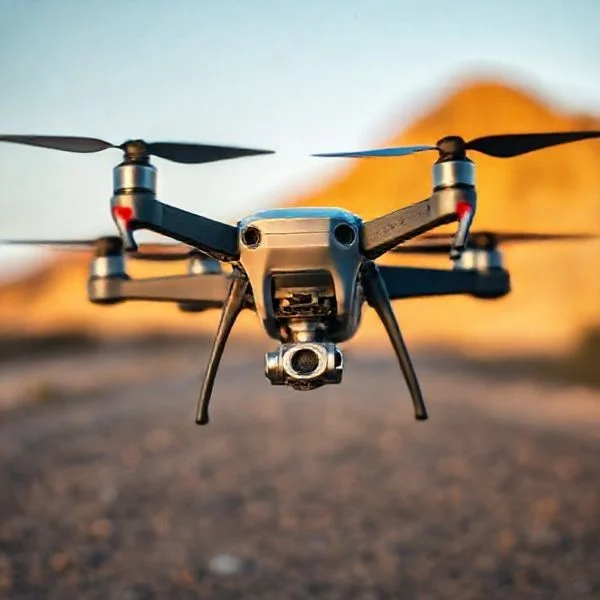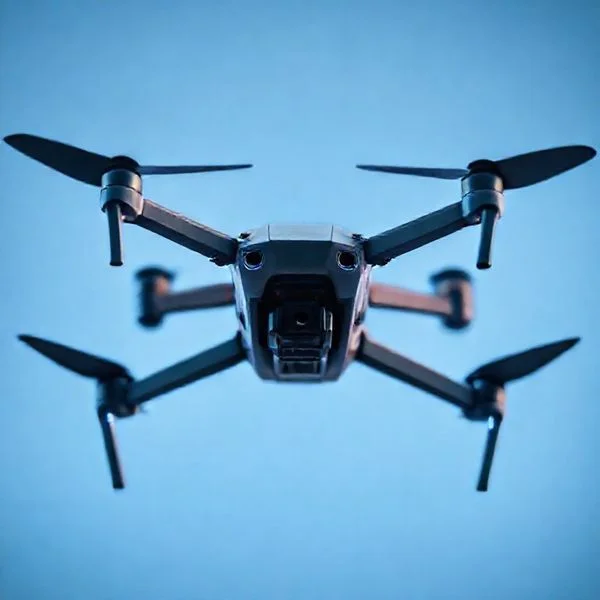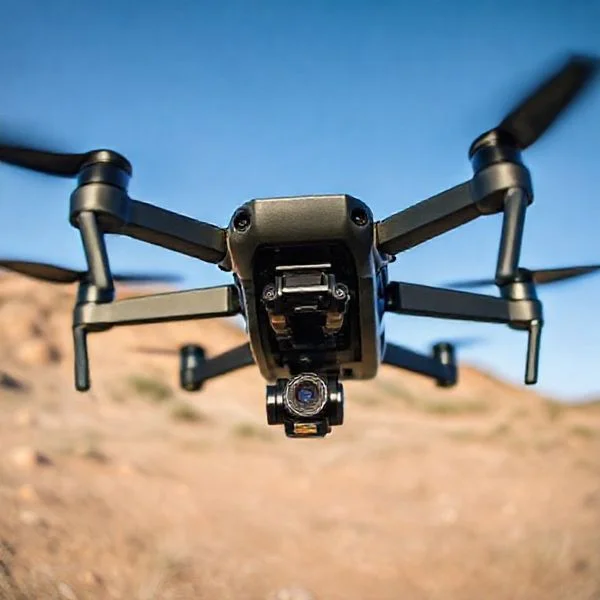
Most consumer drones are powered by high-density Lithium Polymer (LiPo) batteries that provide the high discharge rates necessary for lift. This energy is managed by an Electronic Speed Controller (ESC) and converted into mechanical thrust by high-efficiency brushless motors.
🎯 Key Takeaways
- LiPo batteries are preferred for their high energy-to-weight ratio and rapid discharge rates.
- The Electronic Speed Controller (ESC) regulates power flow to maintain flight stability and control.
- Brushless motors offer superior efficiency and lifespan compared to brushed motor alternatives.
- Industrial drones may use hydrogen fuel cells or combustion engines for extended flight range.
- Maintaining proper battery storage voltage is critical for long-term safety and cell health.
At its core, a drone is powered by a high-energy density electrical system consisting of a lithium-based battery, an Electronic Speed Controller (ESC), and high-torque brushless motors. These components work in a closed loop to convert chemical energy into electrical current, which is then transformed into the mechanical thrust needed to overcome gravity. Without the rapid discharge capabilities of modern lithium chemistry, drones would be too heavy to lift their own power source, making the battery the most critical link in the flight chain.
Prime for Young Adults — 6 Months Free
Exclusive Offer Amazon Prime for Young Adults, Students and 18–24s get six months of Prime free, then half price.
Start 6 Months Free As an Amazon Associate I earn from qualifying purchases.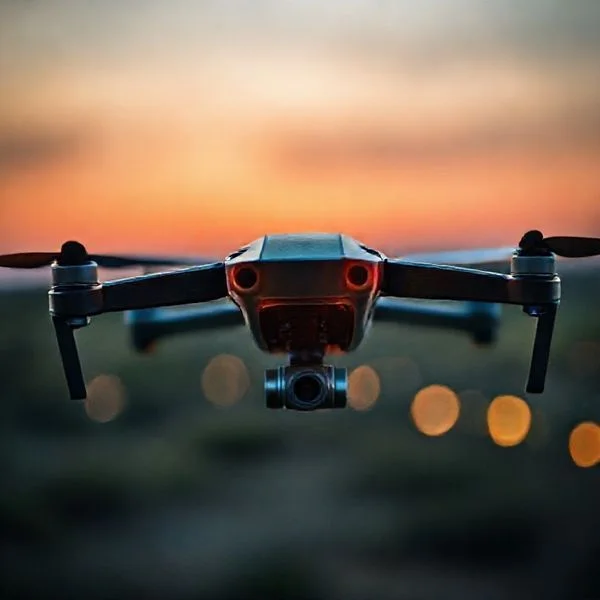
Understanding these power systems is essential for maximizing your flight time and ensuring the safety of your aircraft. Whether you are building a custom racing rig or maintaining a professional cinematography platform, the specific chemistry and discharge rate of your battery dictate how the drone handles. Proper power management prevents voltage sags that can lead to “brownouts,” ensuring your motors have the “punch” required for aggressive maneuvers or stable hovering in high winds.
Lithium-Polymer (LiPo) vs. Lithium-Ion: Choosing the Right Power Source
Recommended Best Deal Products



The choice between Lithium-Polymer (LiPo) and Lithium-Ion (Li-ion) determines your drone’s performance profile. While both are lithium-based, they serve vastly different roles in the field. LiPo batteries are the industry standard for most consumer and performance drones because they offer an incredibly high discharge rate. This allows them to deliver massive amounts of energy almost instantaneously, which is necessary for the rapid RPM changes required during flight stabilization and acrobatic maneuvers.
The LiPo Advantage: High Discharge and C-Ratings
LiPo batteries are favored because of their C-rating, which indicates how fast the battery can be safely discharged. A 1300mAh battery with a 100C rating can theoretically deliver 130 amps of current. This high-burst capability is what allows a drone to go from a hover to 60 mph in seconds. However, this performance comes at a cost of lower overall energy density compared to other chemistries.
- Nominal Voltage: Each cell in a LiPo pack has a nominal voltage of 3.7V, usually charged to 4.2V.
- Internal Resistance: High-quality LiPos have low internal resistance, minimizing heat buildup during high-amp draws.
- Weight-to-Power: LiPos provide the highest “punch-to-weight” ratio, making them ideal for racing and freestyle drones.
Lithium-Ion: The King of Long-Endurance
Li-ion batteries, specifically the 18650 or 21700 cylindrical cells, are becoming the preferred choice for long-range and endurance drones. While they cannot match the high discharge rates of LiPos (often limited to 10A–30A per cell), they possess a significantly higher energy density (Wh/kg). This means you can pack more total energy into a lighter frame, provided your drone does not require aggressive throttle bursts.
- Energy Density: Li-ion packs can offer up to double the flight time of a LiPo of the same weight.
- Voltage Sag: Li-ion cells experience significant voltage drop under load, requiring specialized power management.
- Application: Best for GPS-stabilized platforms, mapping drones, and long-distance cruising where steady, low-amp draws are the norm.
The Drone Power Train: From Battery to Brushless Motor
The propulsion system acts as the middleman that translates stored battery energy into physical lift. This process is not a simple direct connection; it requires a sophisticated translation of direct current (DC) into a three-phase signal that can drive a motor at varying speeds. The two key components in this train are the Electronic Speed Controller (ESC) and the brushless DC motor. Together, they form a system that reacts in milliseconds to inputs from the flight controller.
Electronic Speed Controllers (ESCs): The Power Translators
The ESC is the “brain” of the propulsion system. It takes the steady DC voltage from your battery and converts it into three-phase alternating current to spin the motor. It uses Pulse Width Modulation (PWM) or digital protocols like DShot to determine exactly how much power to send to the motor at any given microsecond. This rapid switching allows the drone to maintain its orientation by adjusting the speed of each individual propeller thousands of times per minute.
- Amperage Rating: ESCs are rated by the continuous current they can handle (e.g., 35A, 50A, or 65A).
- MOSFETs: These are the internal switches that manage the flow of electricity. High-quality MOSFETs handle heat better and provide smoother throttle response.
- BEC (Battery Eliminator Circuit): Many ESCs include a BEC to step down the main battery voltage to 5V to power the flight controller and receiver.
Brushless Motors: Converting Amps into Lift
Unlike the brushed motors found in cheap toys, professional drones use brushless DC motors. These rely on permanent magnets and electromagnetic coils to create rotation without the friction and wear of physical brushes. The efficiency of a motor is often measured by its KV rating, which tells you how many RPMs the motor will turn per volt of electricity applied. A lower KV motor (e.g., 900KV) is designed for larger propellers and higher voltage, while a high KV motor (e.g., 2500KV) is built for smaller, high-speed propellers.
Prime for Young Adults — 6 Months Free
Exclusive Offer Amazon Prime for Young Adults, Students and 18–24s get six months of Prime free, then half price.
Start 6 Months Free As an Amazon Associate I earn from qualifying purchases.- Stator and Magnets: The interaction between the copper-wound stator and the N52 neodymium magnets creates the torque required to spin the props.
- Efficiency: Brushless motors are roughly 80-90% efficient, meaning very little energy is wasted as heat compared to older motor technologies.
- Thrust-to-Weight Ratio: A well-optimized power train can often produce a 5:1 thrust-to-weight ratio, allowing the drone to carry heavy camera payloads with ease.
Critical Battery Specs: Discharge Rates, Voltage, and mAh Explained
Recommended Best Deal Products


Understanding the numbers printed on a drone battery label is the difference between a smooth flight and a crashed craft. These specifications dictate how much “fuel” you have, how much power you can push to the motors, and how heavy the overall setup will be. It is a delicate balancing act where more power often leads to more weight.
Decoding Capacity (mAh) and Voltage (S-Rating)
The mAh (milliampere-hour) represents the size of your fuel tank. A higher number generally means a longer flight time, but there is a point of diminishing returns. As you increase capacity, the battery gets heavier, requiring the motors to work harder and draw more current. Most consumer drones strike a balance between 2,000mAh and 5,000mAh.
Voltage is determined by the number of cells in the pack, referred to by the “S” rating. Each LiPo cell has a nominal voltage of 3.7V. Therefore:
- 3S Battery: 11.1V – Common for beginner drones and lightweight trainers.
- 4S Battery: 14.8V – The standard for most hobbyist and racing drones.
- 6S Battery: 22.2V – Used for professional cinematography and high-performance racing for maximum “punch.”
The “C” Rating: How Fast Can You Pull Power?
The Discharge Rate (C Rating) tells you how quickly the battery can safely release its energy. If you are flying a racing drone and perform a sudden “punch-out” (rapid vertical climb), you need a high C rating. If the rating is too low, the battery will struggle to provide the necessary current, leading to voltage sag, heat, and potential damage.
Pro Tip: Always look for a C rating that matches your flying style. For steady aerial photography, a 30C-50C rating is usually sufficient. For aggressive freestyle or racing, look for 75C or higher to ensure the battery can handle the demand.
Alternative Energy Sources for Industrial and Long-Endurance Drones
While LiPo batteries dominate the consumer market, they aren’t always the best fit for specialized missions. Industrial drones used for large-scale mapping, border patrol, or long-distance delivery often require energy sources that can keep them airborne for hours rather than minutes.
Hydrogen Fuel Cells and Hybrid Power
Hydrogen fuel cells are the gold standard for long-endurance flight. They offer a much higher energy density than lithium batteries, allowing drones to stay in the air for four to eight hours. These systems generate electricity by combining hydrogen with oxygen, with the only byproduct being a small amount of water vapor.
Prime for Young Adults — 6 Months Free
Exclusive Offer Amazon Prime for Young Adults, Students and 18–24s get six months of Prime free, then half price.
Start 6 Months Free As an Amazon Associate I earn from qualifying purchases.Hybrid systems are another emerging solution. These drones use a small internal combustion engine to act as an onboard generator, which then powers the electric motors and keeps a small buffer battery charged. This provides the reliability of electric flight with the incredible energy density of gasoline.
Tethered Systems and Solar Power
In some scenarios, the “power source” isn’t on the drone at all. Tethered drones are connected to a ground-based power station via a high-strength cable. This allows them to stay airborne indefinitely, making them perfect for:
- Persistent security surveillance at large events.
- Temporary communication towers in disaster zones.
- Continuous lighting for nighttime construction sites.
For high-altitude, long-endurance (HALE) drones, solar power is the primary driver. These drones are essentially “atmospheric satellites” that use solar panels on their massive wings to stay aloft for weeks at a time, charging batteries during the day to stay powered throughout the night.
Conclusion
Recommended Best Deal Products

The power system is the literal heartbeat of your drone. From the high-energy discharge of LiPo batteries to the high-efficiency rotation of brushless motors, every component must work in perfect harmony. Understanding specs like C-ratings and voltage ensures you get the performance you need without damaging your gear. As technology advances, we are seeing the gap between hobbyist flight times and industrial endurance close, thanks to innovations in hydrogen and hybrid systems.
Next Steps: Check your current battery health for any signs of swelling and ensure your ESCs are rated for the voltage you are using. If you are looking to upgrade your flight time, consider experimenting with high-efficiency propellers that better match your motor’s KV rating. Fly safe and keep your power levels in check!
❓ Frequently Asked Questions
Why are LiPo batteries used instead of standard Li-ion cells?
LiPo batteries can discharge energy much faster than standard Li-ion cells, which is necessary for the high-torque demands of drone motors. They are also lighter and can be manufactured in various thin shapes to fit aerodynamic drone frames.
What role does the C-rating play in drone power?
The C-rating indicates how fast the battery can be safely discharged relative to its capacity. Higher C-ratings are essential for racing or heavy-lift drones that require sudden, powerful bursts of energy for maneuvers.
How do hydrogen fuel cells compare to traditional batteries?
Hydrogen fuel cells offer significantly higher energy density, allowing specialized drones to fly for several hours rather than minutes. However, they are currently more expensive and require specialized refueling infrastructure compared to LiPo units.
What happens to power efficiency at high altitudes?
At high altitudes, the air is thinner, requiring motors to spin faster to generate the same amount of lift. This increases power consumption significantly, leading to shorter flight times and higher strain on the battery and ESCs.
Is solar power a viable option for powering drones?
Solar power is generally only viable for fixed-wing drones with large wing surface areas designed for high-altitude, long-endurance missions. It currently lacks the energy density required to keep standard multirotor drones airborne.
How does temperature affect a drone’s power system?
Cold temperatures increase the internal resistance of lithium batteries, which can lead to a sudden drop in voltage and shortened flight times. It is critical to pre-warm batteries before flying in cold environments to maintain power stability.