Recreational drones weighing 250 grams (0.55 lbs) or more must be registered with the FAA. This limit applies to the total takeoff weight, including batteries and accessories, while all commercial drones require registration regardless of weight.
🎯 Key Takeaways
- Recreational drones over 250g (0.55 lbs) require mandatory FAA registration.
- Takeoff weight includes the drone, battery, propellers, and any attached payloads.
- All commercial (Part 107) drones must be registered, even those under 250g.
- Drones weighing exactly 249g or less are exempt for recreational use.
- Registered drones must display their registration number on the aircraft’s exterior.
If you are flying a drone for fun in the United States, the Federal Aviation Administration (FAA) requires you to register your aircraft if it weighs 250 grams or more (approximately 0.55 pounds). This specific weight limit is the legal line between a “toy” and a regulated small Unmanned Aircraft System (sUAS). If your drone sits exactly at 250 grams or anything above it, you must have an FAA registration number displayed on the outside of your craft before you take your first flight.
Prime for Young Adults — 6 Months Free
Exclusive Offer Amazon Prime for Young Adults, Students and 18–24s get six months of Prime free, then half price.
Start 6 Months Free As an Amazon Associate I earn from qualifying purchases.Falling on the wrong side of this threshold without proper documentation can lead to significant civil and criminal penalties. Understanding the weight rule is not just about staying legal; it also determines which safety regulations you must follow and whether you need to participate in the FAA’s Remote ID requirements. For most hobbyists, choosing a drone that falls just under this limit simplifies the entire flight process and saves you from the administrative hurdle of the FAA DroneZone.
Understanding the 250g (0.55 lbs) Weight Threshold
Recommended Best Deal Products

The 250-gram threshold is the international standard for drone regulation, adopted by the FAA and many other aviation authorities globally. Most consumer drones on the market today are specifically engineered to weigh exactly 249 grams. This is no accident. Manufacturers want to save you from the paperwork and the five-dollar registration fee. If your drone weighs 249 grams or less, you can fly it recreationally without ever telling the government you own it.
The Recreational “Magic Number”
For the average hobbyist flying for fun, the weight of the drone is the only factor that determines registration status. If your aircraft is under the 250g limit, you do not need to register. However, you are still required to follow safety guidelines and pass the TRUST (The Recreational UAS Safety Test). Here is a quick breakdown of how the weight impacts your requirements:
- Under 250g: No registration required for recreational flight. No Remote ID required (until 2024 updates).
- 250g and Above: Mandatory registration ($5 for 3 years). Must display registration number on the aircraft. Must comply with Remote ID rules.
- Weight equivalence: 250 grams is roughly the weight of two sticks of butter or a standard roll of nickels.
When the 250g Rule Doesn’t Apply
It is vital to understand that the 250-gram “free pass” only applies to recreational flyers. If you are using your drone for any commercial purpose—which the FAA defines as “in furtherance of a business”—the weight does not matter. Under Part 107 regulations, even a tiny 25-gram toy drone must be registered if you are using it to take photos for a real estate listing or filming content for a monetized YouTube channel. In the eyes of the FAA, “work” drones have no minimum weight for registration.
Defining Takeoff Weight: What is Included in the Calculation?
The FAA defines the weight of the aircraft based on its takeoff weight. This is a critical distinction that catches many pilots off guard. You cannot simply look at the “dry weight” or “frame weight” listed on the box to determine if you need to register. Takeoff weight is the total weight of the drone at the exact moment it leaves the ground and enters the air.
What Counts Toward the 250g Limit?
If you are trying to stay under the registration threshold, you must account for every single component attached to the aircraft. If you start with a 245g drone but add a slightly heavier battery, you have likely crossed into the “must register” category. The FAA includes the following in their weight calculation:
- The Battery: This is the heaviest component. Using a high-capacity or “long-range” battery will almost always push a 249g drone over the limit.
- Propellers and Guards: Even lightweight plastic prop guards add enough grams to change your registration status.
- Internal Storage: While negligible, microSD cards are technically part of the takeoff weight.
- Lens Filters: ND filters or polarizers added to the camera lens count toward the total.
The Danger of Aftermarket Accessories
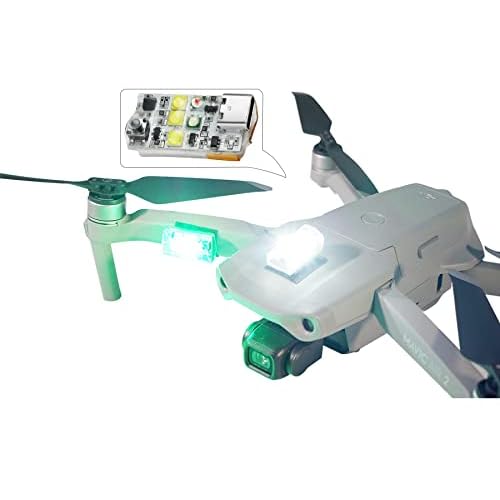
Many pilots purchase “ultralight” drones specifically to avoid FAA registration, then immediately void that benefit by adding accessories. For example, if you fly a DJI Mini 4 Pro, it is marketed as being 249g. However, if you snap on a set of landing gear extensions or a clip-on LED light for night flying, you are now flying an unregistered aircraft illegally.
Prime for Young Adults — 6 Months Free
Exclusive Offer Amazon Prime for Young Adults, Students and 18–24s get six months of Prime free, then half price.
Start 6 Months Free As an Amazon Associate I earn from qualifying purchases.You must also be careful with “payload.” If you use your drone to carry a small object or a secondary camera (like a GoPro mounted on top), that weight is added to the drone’s total. If the combined weight of the drone and the payload hits 250 grams, you are legally required to have a registration number on that aircraft before you throttle up. Always use a digital kitchen scale if you are unsure about your specific configuration.
Commercial vs. Recreational Registration Requirements
Recommended Best Deal Products


The 250-gram rule isn’t a “get out of jail free” card for everyone. The most critical factor in determining whether you need to register is not just how much the drone weighs, but why you are putting it in the air. The FAA separates pilots into two main categories: recreational flyers (The Recreational UAS Safety Test, or TRUST) and commercial flyers (Part 107).
The “Zero-Gram” Rule for Professionals
If you are using your drone for any commercial purpose—which the FAA defines as “in furtherance of a business”—the weight threshold completely disappears. Under Part 107 regulations, every single drone must be registered, regardless of how tiny it is. Even if you are flying a 249-gram DJI Mini to take photos for a real estate listing or to inspect a roof for a client, that drone requires an FAA registration number. There is no minimum weight exception for professional work.
Hobbyist Intent and the 250g Threshold
For those flying purely for fun, the weight limit remains your primary guide. If your flight is for personal enjoyment and has no connection to a business or monetary gain, you only need to register if the drone exceeds 250 grams. However, the moment you decide to use that same drone for a side hustle, you must transition it to a commercial registration.
- Commercial Examples: Real estate photography, mapping, construction site monitoring, or even monetized YouTube channels.
- Recreational Examples: Flying at a local park, taking family vacation photos, or practicing flight maneuvers for fun.
- Pro Tip: When in doubt, register it. The cost is only $5 for three years, which is a small price to pay for total legal peace of mind.
Legal Consequences and Benefits of Light-Weight Drones
Staying under the 250-gram limit isn’t just about avoiding a small fee; it’s about simplifying your life as a pilot. The FAA takes registration seriously because it allows them to tie a drone to an owner in the event of an accident or a restricted airspace violation. Understanding the stakes helps you appreciate why “sub-250” drones have become the most popular category on the market.
The Financial and Legal Stakes
Ignoring registration requirements can lead to more than just a slap on the wrist. The FAA has the authority to issue significant civil penalties for flying an unregistered drone. These fines can reach up to $27,500 for civil infractions, and in extreme cases, criminal penalties can include much higher fines and even prison time. While the FAA focuses on education first, repeat offenders or those involved in accidents with unregistered drones face an uphill legal battle.
The “Mini” Advantage Beyond Registration
Choosing a drone that weighs less than 250 grams offers benefits that go beyond just skipping the registration process for recreational use. These drones are often exempt from certain Remote ID requirements when flown recreationally, which means less hardware and less headache. Furthermore, many countries outside the US have adopted the 250-gram standard, making these “mini” drones the ultimate travel companions for international hobbyists.
Prime for Young Adults — 6 Months Free
Exclusive Offer Amazon Prime for Young Adults, Students and 18–24s get six months of Prime free, then half price.
Start 6 Months Free As an Amazon Associate I earn from qualifying purchases.- Travel Ease: Sub-250g drones often bypass strict weight-based permit requirements in foreign countries.
- Portability: Most lightweight drones are foldable and can fit in a jacket pocket, making them more likely to be used frequently.
- Lower Risk Profile: Smaller drones carry less kinetic energy, meaning they are generally viewed as lower risk if a mechanical failure occurs.
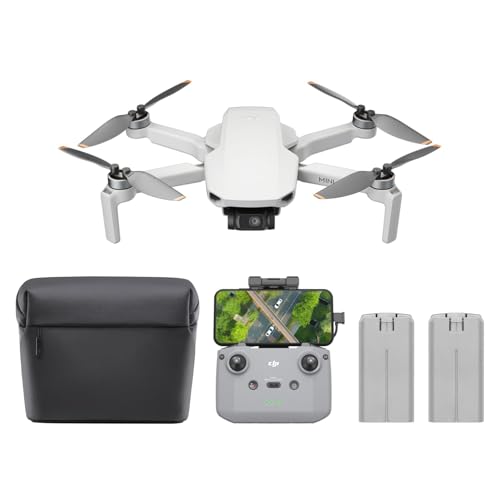
- Example: The DJI Mini 4 Pro is specifically designed to sit at 249 grams to help hobbyists stay compliant without extra paperwork.
Conclusion
Recommended Best Deal Products


Understanding the weight of your drone is the first step toward becoming a responsible pilot. If you are flying for fun and your drone is under 250 grams, you are largely exempt from registration. However, if you are flying for work, or if your drone is a larger model, registration is a non-negotiable legal requirement. The rules are designed to keep the skies safe and ensure that every pilot is accountable for their actions in the air.
To move forward, check the technical specifications of your drone or use a kitchen scale to confirm its “takeoff weight” with the battery included. If you fall into the registration category, visit the FAA DroneZone website to get your official tail number. Don’t let paperwork keep you grounded—take five minutes to ensure you’re compliant, and then get out there and enjoy the view from above!
💬 Quick Questions & Answers
What is the weight limit for drone registration?
For recreational flyers, any drone weighing 250 grams (0.55 lbs) or more must be registered.
Does the 250g limit include the battery?
Yes, the limit refers to the total takeoff weight, which includes the battery, props, and any accessories.
Do I have to register a tiny drone for a business?
Yes, all drones used for commercial purposes must be registered regardless of how little they weigh.
How often does drone registration need to be renewed?
FAA drone registration is valid for three years and must be renewed before it expires.
Can I fly a 249g drone without a license?
While you don’t need to register it for hobby use, you still need to pass the TRUST test for recreational flying.
❓ Frequently Asked Questions
Why is 250 grams used as the threshold for registration?
Aviation authorities determined that drones under 250 grams pose a minimal safety risk to people and property on the ground in the event of a crash. This threshold allows hobbyists to use lightweight ‘mini’ drones with fewer regulatory hurdles.
If I add a camera to a 240g drone, do I need to register it?
If the addition of the camera or any other payload pushes the total weight to 250 grams or higher, you are legally required to register it for recreational use. Always weigh your drone with all planned attachments before flying.
Do the same weight rules apply to commercial pilots?
No, commercial pilots operating under Part 107 rules must register every drone they use for work, even if it weighs less than 250 grams. The weight exemption only applies strictly to recreational flyers.
Where should I place the registration number on my drone?
The FAA requires the registration number to be displayed on the exterior surface of the drone. It must be visible, legible, and cannot be hidden inside a battery compartment.
What happens if I fly a drone over 250g without registration?
Flying an unregistered drone that meets the weight requirement can result in severe civil penalties and fines from the FAA. In extreme cases, it can also lead to criminal charges.
Are weight limits the same in every country?
While many countries like the UK, Canada, and the EU have adopted the 250g threshold, specific rules vary. Always check the local aviation authority’s regulations if you are traveling abroad with your drone.