Flying a Drone in Japan: Laws, Rules, and Penalties (2024)
Commercial UAV Pilot & Aerial Cinematography Specialist at Drone Nestle · FAA Part 107 Remote Pilot Certification, Commercial UAS Operations · 10+ Years in Commercial UAV Operations, Flight Hardware Benchmarking & 4K Aerial Cinematography
Operating a drone in Japan requires mandatory registration with the MLIT for any aircraft weighing 100g or more. Flying without a permit in Densely Inhabited Districts (DID) or neglecting Remote ID requirements can lead to immediate arrest and fines of up to 500,000 JPY.
🎯 Key Takeaways
- Register all drones weighing 100g or more via the DIPS 2.0 system.
- Remote ID equipment is legally required for almost all outdoor flights.
- Avoid Densely Inhabited Districts (DID) without explicit government permission.
- Maintain a 30-meter distance from people, buildings, and vehicles at all times.
- Violating flight laws can result in imprisonment or 500,000 JPY fines.
Flying a drone in Japan is legally possible, but the Ministry of Land, Infrastructure, Transport and Tourism (MLIT) maintains some of the strictest regulations in the world. If you launch a drone without proper registration and a Remote ID, you face immediate legal action, including fines up to 500,000 yen or imprisonment for up to one year. Japan treats its airspace with extreme caution, meaning “I didn’t know the law” is never a valid defense when the police arrive at your takeoff location.


To fly legally, you must navigate a mandatory digital registration process before your drone ever leaves your luggage. Since the 2022 updates to the Civil Aeronautics Act, the barrier for entry is much lower than in other countries; even hobbyist “mini” drones are now regulated as strictly as professional gear. This guide breaks down exactly what you must do to stay compliant and avoid a criminal record while visiting Japan.
Understanding the Civil Aeronautics Act and the 100g Threshold
The most critical number you need to remember is 100 grams. If your drone weighs 100g or more, it is legally classified as an “Unmanned Aircraft” (UA) under the Civil Aeronautics Act. This weight includes the battery and any attached accessories. Unlike many other countries that use a 250g threshold, Japan’s 100g rule brings almost every popular consumer drone—including the DJI Mini series—under strict federal oversight.


The Mandatory Registration Process (DIPS 2.0)
You cannot legally fly a drone over 100g without registering it through the Drone/UAS Information Platform System (DIPS 2.0). This is an online portal managed by the MLIT. The process requires you to submit your personal information, the drone’s serial number, and proof of identity (such as a passport). Once approved, you must pay a registration fee, which varies based on the identification method used.
- Validity: Registration is valid for three years.
- Physical Marking: After registration, you receive a unique registration ID. You must physically display this ID on the body of your drone using a permanent marker or a durable sticker.
- Foreign Registration: Note that registrations from the FAA (USA), CAA (UK), or other international bodies are not valid in Japan. You must register specifically with the Japanese government.
Remote ID Requirements
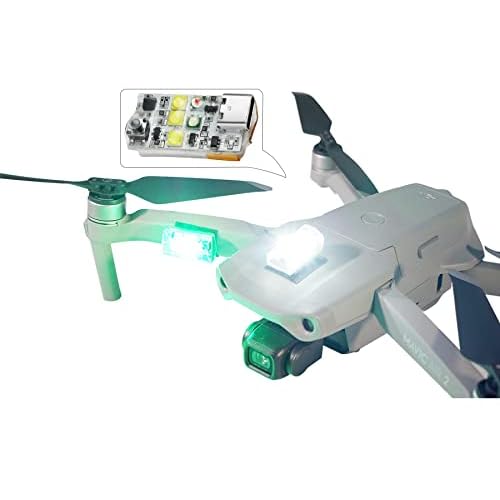
Since June 2022, Japan has mandated the use of Remote ID (RID) for all registered drones. Your drone must be capable of broadcasting its identification and position via radio waves while in flight. Most modern drones have built-in Remote ID firmware that can be activated once you receive your Japanese registration number. If your drone is an older model without built-in RID, you are legally required to purchase and strap an external Remote ID module to the aircraft. Flying without an active RID signal is a direct violation of the law and is easily detected by Japanese authorities.
Prohibited Airspace: Densely Inhabited Districts (DID) and Restricted Zones
Even if your drone is registered and transmitting a Remote ID, you cannot simply fly it anywhere. Japan divides its airspace into several “no-fly” categories. The most common hurdle for pilots is the Densely Inhabited District (DID). These zones are determined by census data and cover almost every urban and suburban area in the country. If there are houses, shops, or people nearby, you are likely in a DID zone.


Identifying and Navigating DID Zones
Flying in a DID zone is strictly prohibited without specific, advanced permission from the MLIT. For the average tourist or casual flyer, obtaining this permission is complex and often requires a Japanese-speaking representative. You should assume that all of Tokyo, Osaka, Kyoto, and Nagoya are completely off-limits. To check your specific location, you must use the officialjSTAT MAP or a mobile app like “Drone Map” which highlights DID areas in red.
- Example: Taking off from a quiet park in central Tokyo is illegal because the entire city is classified as a DID.
- Exception: You can fly indoors or inside a fully enclosed net (where the drone cannot escape) without needing DID permission.
Prohibited Facilities and the 30-Meter Rule
Beyond DID zones, the Small Unmanned Aircraft Flight Prohibition Act bans flying within 300 meters of sensitive locations. This includes the Imperial Palace, government buildings, nuclear power plants, and foreign embassies. Additionally, there is a “30-meter rule” that applies nationwide: you must maintain a minimum distance of 30 meters between your drone and any person, building, or vehicle that is not part of your operation. This rule makes it nearly impossible to fly in public parks or near roads without violating the law.
- Airports: Flying near airports is strictly forbidden. The restricted radius can extend up to 24km depending on the size of the airport and the approach paths.
- Emergency Response: If there is a fire, accident, or police activity, all drone flight in the vicinity is immediately prohibited to allow for emergency helicopters.
Legal Enforcement and Financial Penalties for Non-Compliance
Japan does not treat drone violations lightly. The authorities view the Civil Aeronautics Act as a critical component of national and public safety. If you are caught flying a drone in a restricted area or violating operational rules, the consequences often involve more than just a stern warning from the local police.
Serious Fines and Potential Imprisonment
The financial penalties for breaking drone laws are significant. Flying a drone in a prohibited zone—such as over a densely populated area or near an airport—can result in fines of up to 500,000 JPY (approximately $3,300 USD). Even more critical is the strict ban on flying under the influence of alcohol. Operating a drone while intoxicated is a criminal offense in Japan, punishable by up to one year of imprisonment or a fine of up to 300,000 JPY.
- Confiscation: Police have the authority to seize your drone equipment as evidence during an investigation.
- Criminal Record: Serious violations can lead to a permanent criminal record in Japan, which may affect future travel or visa status.
- Liability: If your drone causes property damage or injury, you are fully liable for civil damages in addition to criminal fines.
Active Monitoring and Public Reporting
Japanese police are highly vigilant, especially in tourist hubs like Tokyo and Kyoto. They utilize signal detection technology to locate unauthorized drones and their pilots. Furthermore, the Japanese public is very aware of drone regulations; locals often report drones flying near shrines, temples, or private residences to the police immediately. Practical tip: If a police officer approaches you, remain polite and have your registration digital ID ready on your smartphone.
Mandatory Operational Standards: Remote ID and Safety Protocols
Since 2022, Japan has moved toward a high-tech “digital license plate” system for all unmanned aircraft. It is no longer enough to simply register your drone; your hardware must actively communicate with the authorities while in the air to ensure accountability and safety.
The Remote ID Requirement: No Signal, No Flight
Almost every drone weighing 100g or more must be equipped with Remote ID functionality. This system broadcasts your drone’s identification number and position via radio waves or Bluetooth. Most modern drones from major manufacturers have this built-in, but older models may require an external “Remote ID module” attached to the frame. Flying a drone without an active Remote ID signal is a direct violation of the law and is easily detectable by law enforcement scanners.
Critical In-Flight Safety Habits
Japan enforces specific “standard of care” rules that every pilot must follow, regardless of where they are flying. These rules are designed to prevent mid-air collisions and ground-level accidents.
- Visual Line of Sight (VLOS): You must be able to see your drone with your naked eye at all times. Using FPV goggles or looking only at your screen without a visual observer is generally prohibited without special permission.
- The 30-Meter Rule: You must maintain a minimum distance of 30 meters (approx. 100 feet) from people, buildings, and vehicles at all times.
- Daylight Only: Night flying is strictly regulated. Unless you have a specific permit, your drone must be landed before the official sunset time.
- No Event Flying: Flying over crowds at festivals, concerts, or sporting events is forbidden due to the risk of a “fly-away” or hardware failure.
Ready to Take to the Japanese Skies?
Capturing the neon lights of Tokyo or the serene mountains of Nagano from above is a dream for many creators. However, Japan’s strict 2024 regulations mean that “flying for fun” requires serious preparation. By respecting the 100g weight limit, ensuring your Remote ID is broadcasting, and staying far away from restricted airspaces, you can enjoy your flight without the fear of heavy fines or police intervention.
Before you pack your gear, your next steps should be to check the official DIPS (Drone/UAS Information Platform System) map for prohibited zones and verify that your drone’s firmware is updated for Japan’s Remote ID standards. Fly safe, respect the local privacy, and enjoy the incredible views!
💬 Quick Questions & Answers
Do I need to register my drone in Japan?
Yes, any drone weighing 100g or more must be registered with the Ministry of Land, Infrastructure, Transport and Tourism (MLIT).
Can I fly a drone in Tokyo or Osaka?
Most urban areas in Tokyo and Osaka are Densely Inhabited Districts (DID), where flight is prohibited without a permit.
What is the penalty for illegal drone flight in Japan?
Unauthorized flight can result in fines up to 500,000 JPY and potential imprisonment for serious violations.
Is Remote ID mandatory for tourists?
Yes, tourists must comply with the same Remote ID and registration requirements as residents for drones over 100g.
Can I fly my drone at night?
Night flight is generally prohibited unless you have obtained specific permission from the MLIT.
❓ Frequently Asked Questions
What exactly is the 100g weight rule in Japan?
As of June 2022, the threshold for drone regulation was lowered from 200g to 100g. This means almost all consumer drones (including the DJI Mini series) are now subject to registration, Remote ID, and flight restriction laws.
Where can I find a map of No-Fly Zones (DID areas)?
The MLIT provides official maps, and several mobile apps (like AirMap or GSI Maps) show Densely Inhabited Districts in red. Flying in these areas without a permit is a direct violation of the Civil Aeronautics Act.
What is the DIPS 2.0 system?
DIPS 2.0 (Drone/UAS Information Platform System) is the official online portal for drone registration, flight applications, and accident reporting. All pilots must create an account and register their hardware before taking off.
Are there laws regarding flying near temples or shrines?
Yes, while not always covered by the Civil Aeronautics Act, the ‘Small Unmanned Aircraft Flight Prohibition Act’ and local ordinances often ban drones near cultural heritage sites and government buildings. Always seek explicit permission from the site’s administration.
What happens if I fly near an airport?
Flying near airports is strictly forbidden and monitored closely. Violations in these high-security zones often lead to immediate police intervention, heavy fines, and the permanent confiscation of your equipment.
Do I need insurance to fly a drone in Japan?
While not legally mandatory for all recreational flights, having liability insurance is highly recommended. Many local parks and permit-issuing bodies require proof of insurance before granting flight access.