What Does a War Drone Look Like? A Visual Guide to UAVs
Commercial UAV Pilot & Aerial Cinematography Specialist at Drone Nestle · FAA Part 107 Remote Pilot Certification, Commercial UAS Operations · 10+ Years in Commercial UAV Operations, Flight Hardware Benchmarking & 4K Aerial Cinematography
A war drone’s appearance varies significantly by its mission, ranging from massive windowless airplanes to small, ruggedized quadcopters. Most medium-to-large combat drones are identified by a spherical sensor turret under the nose and a distinct bulbous ‘hump’ for satellite communication.
🎯 Key Takeaways
- Large UAVs look like windowless gliders with bulbous noses for satellite dishes.
- Small tactical drones resemble consumer quadcopters but with matte, ruggedized finishes.
- Kamikaze drones often feature a simple triangular delta-wing shape without landing gear.
- A gimbal-mounted ‘sensor ball’ under the fuselage is a primary identification feature.
- Sizes range from 66-foot wingspans to micro-drones that fit in a palm.
When you ask what a war drone looks like, you aren’t looking for a single silhouette. Modern military UAVs range from massive, jet-sized aircraft with 60-foot wingspans to tiny, expendable quadcopters that fit in a soldier’s palm. Visually, they are defined by their mission: some are built for days of silent endurance, while others are designed to be high-speed, one-way projectiles. They rarely look like the plastic toys you see at the park; they are rugged, matte-colored, and packed with specialized hardware.


Recognizing these shapes is the first step in understanding how modern conflicts are fought. Whether it’s the bulbous “whale head” of a long-range surveillance craft or the jagged delta-wing of a “suicide” drone, every physical feature serves a specific combat function. By looking at the airframe, you can immediately tell if a drone is meant to watch from five miles up or strike a target from five feet away.
Major Form Factors: From Fixed-Wing Planes to Quadcopters


The most recognizable war drones follow the “fixed-wing” design. These look like traditional airplanes but with exaggerated proportions. Because they need to stay airborne for 24 hours or more, they often have extremely long, thin wings similar to a glider. This design allows them to catch thermals and save fuel. You will typically see a “pusher” propeller at the very back of the fuselage, which keeps the front clear for cameras and sensors. Common examples include the MQ-9 Reaper or the Bayraktar TB2.


Tactical Multi-Rotors and “FPV” Drones
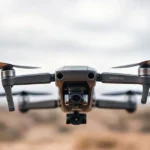
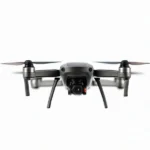
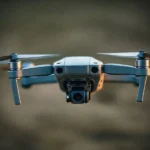
On the smaller end of the spectrum are tactical quadcopters. While they share a basic layout with consumer drones, their visual profile is much more industrial. They are typically finished in matte greys, blacks, or olive drabs to avoid glinting in the sun. You’ll notice larger, high-capacity batteries strapped to the frame and “First Person View” (FPV) antennas that look like small mushrooms or stalks. These drones are often cluttered with exposed wiring and 3D-printed mounts for carrying explosives or specialized thermal cameras.
Loitering Munitions (The “Kamikaze” Design)


The third major form factor is the loitering munition, or “suicide” drone. These often abandon the traditional plane shape for a delta-wing or “flying wing” design. This looks like a large, sharp triangle with no distinct tail. The Shahed-136 is the most prominent example. These drones are built for simplicity and stealth, featuring a flat profile that is difficult for radar to track. Key visual indicators include:



- Integrated Body: The wings and the fuselage are one single piece.
- Small Winglets: Vertical stabilizers at the tips of the wings rather than a central tail.
- Minimalist Underside: No landing gear, as these drones are launched from rails and never intended to land.
Anatomical Features: Identifying Sensors, Antennas, and Pylons


If you look closely at a medium-to-large military drone, the first thing you will notice is the “bulge” on the top of its nose. This distinctive hump gives the drone a whale-like appearance. It isn’t there for aerodynamics; it houses the high-bandwidth satellite dish. This allows a pilot sitting on a different continent to control the aircraft in real-time. Without this bulge, the drone would be limited to “line-of-sight” radio control, severely shortening its range.
The Under-Nose Sensor Turret


Most war drones do not have windows. Instead, they “see” through a spherical turret located under the nose or belly. This is often called a “gimbaled sensor ball.” If you see a drone in a photo, look for this glass-fronted sphere. Inside, you can often see multiple lenses of varying sizes. These are not just standard cameras; they include:


- Infrared (Thermal) Lenses: These allow the drone to see heat signatures of vehicles and humans at night.
- Laser Designators: A small, square lens used to “paint” a target with a laser for incoming missiles.
- High-Magnification EO: Electro-optical lenses that can read a license plate from thousands of feet up.
Hardpoints and Wing-Mounted Pylons


Unlike surveillance drones, “strike” drones feature visible weaponry attached to the underside of the wings. These attachment points are called hardpoints. You will see vertical struts, known as pylons, protruding from the wing. On a Reaper drone, you might see up to four pylons carrying AGM-114 Hellfire missiles or GBU-12 Paveway bombs. These munitions are usually painted in light grey or olive drab with high-visibility yellow or brown bands, indicating the type of explosive charge they carry. Even when empty, the presence of these pylons is a definitive visual marker of a combat-tasked UAV.
Understanding Scale: Comparing Micro Drones to Heavy UAVs


When people ask what a war drone looks like, they often imagine a single, mid-sized aircraft. In reality, the scale of military UAVs varies more than almost any other category of vehicle. You might see a drone that fits in the palm of a soldier’s hand, or one that requires a full-sized airport runway to take off.
The Nano and Micro Class: Drones You Can Hold
At the smallest end of the spectrum are “Nano” UAVs. These look less like planes and more like high-tech insects or small toys. They are designed for “over-the-hill” reconnaissance, allowing a single soldier to see what is around the next corner without exposing themselves to danger.
- The Black Hornet: This is the gold standard for micro drones. It looks like a tiny helicopter, measuring only about six inches long and weighing less than an ounce.
- Visual Profile: Minimalist frames, tiny plastic rotors, and a single, high-definition camera lens at the front.
- Practical Tip: If you see a small, hovering object that makes almost no sound and looks like a miniature grey helicopter, it’s likely a micro-reconnaissance tool.
High-Altitude Giants: Drones with Commercial Airliner Wingspans
On the opposite end are Group 5 UAVs. These are massive machines that operate at altitudes where they are invisible to the naked eye. Their scale is truly staggering when seen on a flight line next to traditional fighter jets.
- RQ-4 Global Hawk: This massive surveillance drone has a wingspan of roughly 130 feet—that is wider than a Boeing 737.
- Visual Profile: Long, glider-like wings, a bulbous “nose” to house satellite equipment, and a large jet engine intake on top of the fuselage.
- Scale Cue: These drones lack cockpits or windows, giving them an eerie, smooth appearance despite their enormous size.
Visual Differences Between Surveillance and Attack Drones


While some drones are multi-mission, most are designed for one of two primary roles: watching or striking. You can often tell the difference by looking at the “extras” attached to the airframe. The design philosophy changes significantly depending on whether the drone needs to be a silent observer or a flying weapons platform.


Reconnaissance Tools: Clear Optics and Silent Wings
Surveillance-heavy drones are built for endurance and clarity. They need to stay in the air for 24 hours or more, meaning their wings are often long and thin to maximize lift. Their most defining feature is the “sensor ball” located under the chin or belly of the aircraft.
- The Gimbal: Look for a rotating, spherical glass housing. This contains infrared sensors, high-zoom cameras, and laser rangefinders.
- Clean Lines: Purely investigative drones usually have “clean” wings with no racks or attachments, focusing entirely on aerodynamics and fuel efficiency.
- Example: The RQ-7 Shadow features a distinct twin-boom tail and a visible camera turret right under the nose.
Combat Platforms: External Hardpoints and Harder Angles
Attack drones, often referred to as UCAVs (Unmanned Combat Aerial Vehicles), look much more aggressive. They are designed to carry weight under their wings and often feature stealth-leaning designs to avoid radar detection. They look like a cross between a traditional stealth bomber and a futuristic glider.
- Hardpoints and Pylons: These are the “teeth” of the drone. If you see rails or racks under the wings holding missiles (like the AGM-114 Hellfire), you are looking at an attack platform.
- The MQ-9 Reaper: This is the most iconic attack drone. It features a V-shaped tail (V-tail) for stability and a robust frame designed to carry up to 3,000 pounds of ordnance.
- Angled Surfaces: Many modern attack drones, like the X-47B, use “flying wing” designs with no tail at all, giving them a flat, triangular appearance that helps them stay off enemy radar.
Conclusion
War drones are not a single type of aircraft; they are a diverse family of tools ranging from pocket-sized scouts to massive, jet-powered giants. By looking at the wingspan, the presence of sensor gimbals, or the addition of weapon pylons, you can quickly identify whether a UAV is built for silent observation or active combat. As technology evolves, these designs will continue to move toward more autonomous, stealthy, and specialized shapes.
If you want to dive deeper into the world of aviation, your next step should be to research the specific “Groups” (1 through 5) used by the military to categorize these vehicles. You can also follow reputable defense news outlets to see the latest prototypes currently in flight testing. Stay curious and keep exploring the fascinating intersection of robotics and aerospace!
💬 Quick Questions & Answers
Why do large war drones have a ‘hump’ on their head?
This bulge houses the satellite dish required for long-range remote control beyond line-of-sight.
What color are most military drones?
They are typically painted matte grey, tan, or olive drab to blend with the sky or local terrain.
Do all war drones carry missiles?
No, many are designed strictly for surveillance and lack the under-wing pylons used for mounting weapons.
How big is a Reaper drone compared to a car?
A Reaper drone is much larger; its 66-foot wingspan is wider than a standard tractor-trailer is long.
What is the glass ball seen under many drones?
That is a gimbal-mounted sensor turret containing high-powered optical cameras and infrared sensors.
❓ Frequently Asked Questions
What does a ‘suicide’ or kamikaze drone look like?
Most kamikaze drones, such as the Shahed, feature a triangular delta-wing design and lack landing gear. They are built for one-way missions, so they often appear simpler and more aerodynamic than reusable surveillance drones.
How can you tell the difference between a civilian and military quadcopter?
Military quadcopters are usually finished in non-reflective matte colors and feature modular, reinforced frames. They also carry specialized payloads like thermal imaging cameras or heavy-duty batteries that are absent on most consumer models.
What are the visible signs that a drone is armed?
Look for structural hardpoints or ‘pylons’ under the wings which hold missiles like the Hellfire. Even when unarmed, these protruding mounts remain visible as part of the drone’s external skeleton.
What do ‘Global Hawk’ class drones look like compared to Reapers?
While the Reaper looks like a lean glider, the Global Hawk is much larger and more bulbous, resembling a windowless commercial jet. It is purely for surveillance and lacks the visible weapon mounts found on attack-capable UAVs.
What is the smallest type of war drone?
The smallest are ‘nano-UAVs’ like the Black Hornet, which looks like a tiny grey toy helicopter. These fit easily in a soldier’s palm and are used for scouting around corners in urban combat environments.
Do war drones have cockpits or windows?
No, war drones are windowless because there is no pilot on board to look out. The ‘eyes’ of the drone are strictly the digital cameras located in the sensor turret beneath the fuselage or nose.