What Is the Range of a Drone with Camera? (2024 Guide)
Commercial UAV Pilot & Aerial Cinematography Specialist at Drone Nestle · FAA Part 107 Remote Pilot Certification, Commercial UAS Operations · 10+ Years in Commercial UAV Operations, Flight Hardware Benchmarking & 4K Aerial Cinematography
The range of a camera drone varies from 30 meters for toy models to over 15 kilometers for high-end professional systems. While advertised distances are impressive, real-world range is heavily influenced by signal interference, physical obstacles, and battery life.
🎯 Key Takeaways
- Toy drones typically range from 30 to 100 meters.
- Mid-range hobbyist drones reach between 2km and 8km.
- Professional drones can exceed 15km with advanced transmission.
- Real-world range is often 30-50% less than advertised figures.
- Proprietary transmission systems outperform standard Wi-Fi connections significantly.
A consumer drone with a camera typically has a range between 30 meters for toy models and 15 kilometers for high-end professional systems. In 2024, the average enthusiast drone offers a reliable transmission distance of 6km to 10km. However, these advertised numbers are often recorded in “ideal” laboratory conditions; real-world factors like signal interference and physical obstacles usually reduce your effective distance by 30% to 50%.


Understanding these limits is vital for your flight safety and the security of your investment. Knowing your drone’s range helps you avoid the dreaded “Signal Lost” screen, which can lead to a crash or a lost aircraft if your emergency settings aren’t configured. Whether you are chasing a sunset or inspecting a property, your drone’s range determines exactly how much creative freedom you have in the sky.
Drone Range Categories: From Toy Models to Professional Systems
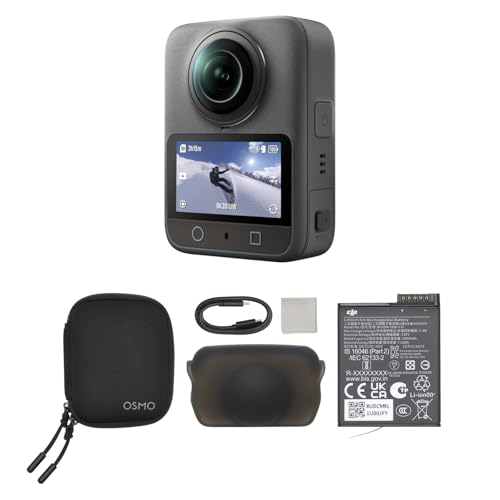


Drone range is almost always tied directly to the price tag. As you move from basic toy models to professional cinematic tools, the technology used to send signals back and forth becomes significantly more robust and expensive. Here is how the market breaks down in 2024.


Toy and Beginner Drones (30m – 100m)
If you bought a drone for under $100, you are likely operating within a very small bubble. These drones rely on basic Wi-Fi signals to communicate with your smartphone or a cheap plastic controller. They are designed for backyard use or indoor flight where the aircraft stays within your direct line of sight at all times.
- Typical Range: 30 to 100 meters (roughly 100 to 330 feet).
- Key Technology: Standard 2.4GHz Wi-Fi.
- Common Models: Ryze Tello, basic Holy Stone models, or generic Amazon brands.
- Pros/Cons: Very affordable, but signal drops frequently if you fly behind a single tree or wall.
Mid-Range Enthusiast Drones (500m – 5km)


Stepping into the $300 to $600 price bracket introduces more sophisticated radio frequencies. These drones are perfect for hobbyists who want to explore local parks or coastal areas. While they claim long distances, they are highly susceptible to interference from urban Wi-Fi networks and buildings.


- Typical Range: 500 meters to 5 kilometers (0.3 to 3.1 miles).
- Key Technology: Enhanced Wi-Fi or early-generation proprietary radio links.
- Common Models: DJI Mini 4K, Potensic Atom, and older DJI Mavic Air models.
- Pros/Cons: Great value for most users, but the video feed may become “choppy” once you pass the 1km mark.
Professional and Long-Range Systems (10km – 15km+)


High-end drones utilize proprietary transmission technologies that can punch through interference over massive distances. These are the gold standard for 2024, offering crystal-clear video feeds even when the drone is miles away. They use dedicated frequencies that “hop” to avoid congestion.
- Typical Range: 10 kilometers to 15+ kilometers (6.2 to 9.3+ miles).
- Key Technology: DJI OcuSync 4.0, Autel SkyLink, or Lightbridge.
- Common Models: DJI Mavic 3 Pro, DJI Air 3, and Autel EVO II Pro.
- Pros/Cons: Incredible reliability and HD video streaming, but requires a significant financial investment.
Control Range vs. Video Transmission Range: Key Technical Differences


Many pilots make the mistake of thinking range is a single number. In reality, your drone maintains two separate connections: the control link (how you move the drone) and the video downlink (what you see on your screen). These often have different limits, and understanding the gap between them is crucial.


Understanding Signal Latency and Video Feed


The video feed is usually the first thing to fail. Because high-definition video requires a massive amount of data, the signal degrades much faster than the simple commands sent from your joysticks. If your screen begins to flicker, lag, or turn black-and-white, you are reaching the edge of your effective video transmission range, even if you can still technically steer the drone.
- Wi-Fi Transmission: Found in budget drones. It has high latency (lag), meaning what you see on the screen happened half a second ago. This makes long-distance flying dangerous.
- Dedicated Systems (OcuSync): Found in DJI models. These systems use advanced compression to keep the video feed live and smooth at much greater distances than standard Wi-Fi.
The Importance of Frequency: 2.4 GHz vs. 5.8 GHz
Most modern drones use dual-band frequencies to maximize range. Each frequency has a specific job. The 2.4 GHz band is the workhorse for distance; its longer waves can travel further and penetrate obstacles like trees or light foliage more effectively. The 5.8 GHz band offers much faster data speeds, which results in a clearer, high-resolution video feed, but it has a much shorter reach and is easily blocked by physical objects.
Top-tier drones automatically switch between these two bands in real-time. If the drone senses interference on the 5.8 GHz band, it will downshift to 2.4 GHz to ensure you don’t lose control of the aircraft, even if the video quality drops slightly as a result.
Environmental Factors That Reduce Real-World Signal Strength


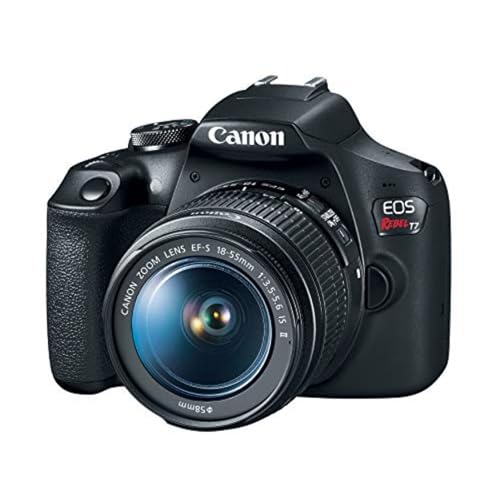
While manufacturers boast impressive range figures on the box, those numbers are usually achieved in laboratory-perfect conditions. In the real world, several invisible forces act as barriers between your controller and your drone, often cutting your effective range in half.
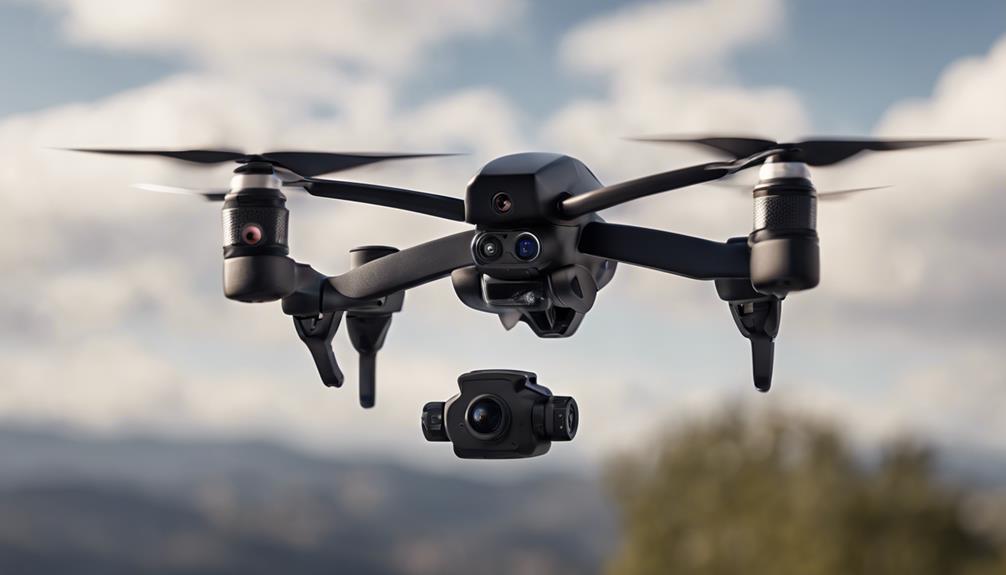
Physical Obstructions and Line of Sight
The most common range-killer is the loss of a direct “Line of Sight” (LOS). Radio waves travel best in straight lines. When you fly behind a thick grove of trees, a concrete building, or over the crest of a hill, the signal weakens significantly. High-frequency signals used by drones do not “bend” well around solid objects.


- Urban Environments: Concrete and steel are notorious for reflecting and absorbing signals, making city flying much more restrictive than rural flying.
- Dense Foliage: Leaves contain moisture, which is highly effective at blocking radio waves. A single row of trees can sometimes drop your signal bars instantly.
- Altitude Advantages: Often, flying slightly higher can clear local obstacles and restore a flickering signal by creating a cleaner path to the remote.
Electromagnetic Interference (EMI)
Even in an open field, your range might suffer if you are near cell towers, high-voltage power lines, or dense residential areas. These locations are flooded with competing signals. Since most drones operate on the same frequencies as home routers and mobile networks, this “electronic noise” makes it harder for your drone to hear the controller.
Comparing Wi-Fi, OcuSync, and Long-Range Transmission Technologies

The “brain” of your drone’s connectivity is its transmission protocol. Not all wireless signals are created equal, and the specific technology inside your drone determines whether you will experience frequent lag or a crystal-clear 4K feed from miles away.
Standard Wi-Fi vs. Proprietary Systems
Entry-level and toy drones typically use standard Wi-Fi. While convenient for connecting to a smartphone, Wi-Fi is prone to latency and has a very low ceiling—usually topping out at 100 to 300 meters. For serious aerial photography, you want a drone equipped with dedicated transmission hardware.
- DJI OcuSync (O3/O4): This is the gold standard in 2024. It uses digital compression and frequency hopping to maintain a stable HD video feed up to 10–15 kilometers in ideal conditions.
- Autel SkyLink: A powerful competitor that offers ultra-high-resolution transmission with strong resistance to interference.
- Radio Frequency (RF) Systems: Used primarily by FPV (First Person View) pilots, systems like ELRS offer incredible range and “penetration” through obstacles, though they often require more technical knowledge.
The Role of Dual-Band Frequencies
Most modern camera drones switch between 2.4GHz and 5.8GHz frequencies automatically. The 2.4GHz band is the “distance” frequency because its longer waves travel further and pass through objects more easily. The 5.8GHz band offers more bandwidth for high-quality video but has a shorter reach. High-end drones use both simultaneously to ensure that if one frequency gets crowded, the video feed doesn’t skip a beat.
Conclusion
Understanding the range of a drone with a camera is about more than just reading the maximum distance on a spec sheet. It is a delicate balance between the drone’s internal technology, the interference in your environment, and the legal safety requirements of your region. While modern drones can technically fly miles away, the best experience usually happens within a clear line of sight where the signal is strongest and your video feed is smoothest.
Next Steps: Check your drone’s manual to see which transmission system it uses, and always scout your flying location for potential interference like power lines or heavy Wi-Fi congestion. Ready to see the world from above? Keep your software updated and your batteries charged for the best possible signal!
💬 Quick Questions & Answers
How far can a cheap camera drone fly?
Most budget or toy drones have a limited range of 30 to 100 meters (approx. 100-300 feet).
What is the range of a DJI drone?
Depending on the model, DJI drones range from 4km to 15km+ using OcuSync technology.
Can I fly a drone 10 miles away?
Technically yes with high-end gear, but battery life and legal line-of-sight rules usually make this impractical.
Does weather affect drone range?
Yes, high humidity, rain, and strong winds can interfere with signal propagation and drain batteries faster.
What is the difference between FCC and CE range?
FCC (US) allows higher power output and longer range than CE (Europe) regulations allow.
❓ Frequently Asked Questions
Why is the real-world range shorter than the advertised specs?
Manufacturers test drones in ‘ideal conditions’ with zero radio interference and a perfect line of sight. In reality, trees, buildings, and competing Wi-Fi signals degrade the connection significantly.
What happens if my drone flies out of range?
Most modern camera drones feature an automatic ‘Return to Home’ (RTH) function that triggers when the signal is lost, bringing the drone back to its takeoff point.
Is video range the same as control range?
No, the video feed usually cuts out or lags before you lose actual flight control. Transmission systems like DJI O3+ help keep these two ranges nearly identical.
How do obstacles like trees and buildings impact range?
Radio signals require a clear line of sight; solid objects like concrete or dense foliage absorb and block the signal, often cutting range by more than 70%.
Do I need a license to fly long distances?
While the equipment might allow long distances, most countries require you to keep the drone within your visual line of sight (VLOS) unless you have a specific waiver.
Can I increase my drone’s range with accessories?
Range extenders and high-gain antennas can help focus the signal, but they cannot overcome fundamental hardware limitations or heavy environmental interference.