Drones weighing 250 grams or more require mandatory FAA registration and must comply with Remote ID regulations for legal flight. Operators must also complete the TRUST safety test for recreational use or obtain a Part 107 certificate for commercial operations.
🎯 Key Takeaways
- Register your drone at FAADroneZone for a $5 three-year fee.
- Ensure your drone has built-in or attached Remote ID technology.
- Display your registration number clearly on the drone’s exterior.
- Stricter ‘flying over people’ rules apply to drones over 250g.
- Pass the mandatory TRUST test before your first recreational flight.
If your drone weighs 250 grams or more, you are no longer flying a “toy” in the eyes of the law. At this weight—roughly equivalent to two sticks of butter—the FAA (and most global aviation authorities) classifies your aircraft as a regulated vehicle. This means you are legally required to register your drone and comply with Remote ID broadcast standards before you ever take off.
Prime for Young Adults — 6 Months Free
Exclusive Offer Amazon Prime for Young Adults, Students and 18–24s get six months of Prime free, then half price.
Start 6 Months Free As an Amazon Associate I earn from qualifying purchases.Crossing the 250-gram threshold changes your legal status immediately. It is the specific dividing line where the government demands accountability to ensure the safety of the national airspace. Failing to register or flying without the proper identification signals can lead to steep civil penalties, equipment seizure, or even criminal charges. If you want to stay in the air, you need to understand how to bridge the gap from casual hobbyist to compliant pilot.
Understanding the 250-Gram Weight Threshold and Legal Classifications
Recommended Best Deal Products


The “250-gram rule” is the most important number in the drone industry. It represents the maximum weight a drone can be while remaining exempt from registration for recreational use. However, once you hit 250.0 grams (0.55 pounds), the aircraft must be documented in the FAA DroneZone database. This rule applies to the takeoff weight, not just the drone’s body weight.
The “Takeoff Weight” Trap
Many pilots buy drones marketed as “ultralight” at 249 grams, thinking they are exempt forever. However, “takeoff weight” includes everything attached to the aircraft at the moment of flight. If you add any of the following, you will likely exceed the 250-gram limit and must register:
- Extended flight batteries: These are often heavier than standard cells.
- Propeller guards: Plastic cages add significant weight.
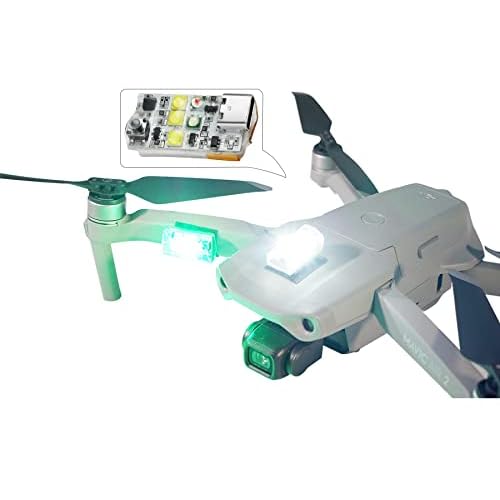
- External lights: Necessary for night flying, but they push you over the limit.
- Payloads: This includes action cameras, delivery clips, or landing gear extensions.
Recreational vs. Commercial Registration
If your drone is over 250 grams, you must choose the correct legal path for registration. For hobbyists, you register as a Section 44809 flyer. This costs $5 and covers all drones in your personal fleet for three years. If you plan to make money, use the drone for work, or even use it to help your business’s social media, you must register each individual drone under Part 107. Even if a Part 107 drone is under 250 grams, it must be registered, but for recreational pilots, the 250-gram mark is the specific trigger for the law.
Remote ID Compliance and Hardware Requirements for Heavier Drones
Remote ID is essentially a “digital license plate” for your drone. For aircraft over 250 grams, this is a mandatory requirement. Your drone must broadcast specific identification and location information while in flight. This allows the FAA, law enforcement, and the public to identify drones flying in the vicinity. If your drone exceeds the weight limit, you cannot legally fly in most areas unless this signal is active.
Standard Remote ID vs. Broadcast Modules
There are two primary ways to comply with Remote ID if your drone is over the weight limit. Most modern drones manufactured after 2022 have Standard Remote ID built-in. This means the software and hardware are integrated, and the drone will automatically broadcast its signal when you turn it on. You simply need to ensure the serial number is listed correctly in your FAA registration.
If you are flying an older or custom-built drone (like a heavy FPV quad) that doesn’t have built-in tech, you must use a Remote ID Broadcast Module. This is a small, separate piece of hardware with its own battery and GPS that you strap to the drone. It must be registered to that specific aircraft and remain powered on for the duration of the flight.
Prime for Young Adults — 6 Months Free
Exclusive Offer Amazon Prime for Young Adults, Students and 18–24s get six months of Prime free, then half price.
Start 6 Months Free As an Amazon Associate I earn from qualifying purchases.What Information is Being Broadcasted?
Your drone is not just sending out a random signal; it is broadcasting a specific data packet via radio frequency (usually Bluetooth or Wi-Fi). The data includes:
- The Drone’s Unique ID: Usually the serial number provided by the manufacturer.
- Current Location: Latitude, longitude, and altitude of the drone.
- Velocity and Heading: How fast and in what direction the drone is moving.
- Control Station Location: The GPS coordinates of where you (the pilot) are standing.
- Time Mark: A timestamp for the data being sent.
The Only Exception: FRIAs
The only way to fly a drone over 250 grams without Remote ID is to operate within an FAA-Recognized Identification Area (FRIA). These are typically traditional model aircraft flying clubs or designated community-based organization fields. Outside of these specific geographic boundaries, your heavy drone must be broadcasting, or you are in violation of federal law. If you are flying in your backyard or a local park, and you are over 250 grams, Remote ID is a non-negotiable requirement.
Safety Certification Standards: TRUST vs. Part 107 Requirements
Recommended Best Deal Products


Once your drone tips the scales past the 250-gram mark, the FAA expects you to prove that you understand the rules of the sky. While a sub-250g drone might occasionally be perceived as a high-end toy, a heavier aircraft is legally treated with more gravity. The weight indicates a higher potential for impact, which is why safety certification is mandatory. Depending on your goals, you will fall into one of two specific certification categories.
Choosing the Right Path for Your Flight Purpose
If you are flying purely for fun, relaxation, or personal photography, you must pass The Recreational UAS Safety Test (TRUST). This is a free, online safety training meant to ensure you understand basic airspace rules. However, if your drone is over 250 grams and you intend to use it for any commercial purpose—including real estate photography, roof inspections, or even a monetized YouTube channel—you must obtain a Part 107 Remote Pilot Certificate. This involves a more rigorous, proctored exam at an FAA-approved testing center.
Maintaining Compliance and Documentation
Regardless of which path you take, the FAA requires you to have proof of your certification whenever you are operating your drone. For heavier drones, the stakes are higher, and local law enforcement or FAA officials are more likely to request your paperwork if you are flying in public spaces.
- Physical or Digital Proof: Always carry your TRUST completion certificate or your Part 107 “hard card” while in the field.
- Commercial vs. Hobbyist: If you are flying a 250g+ drone for a “furtherance of a business,” the TRUST certificate is not enough; you must have a Part 107 license.
- Recurrency Requirements: Part 107 pilots must complete online recurrent training every 24 months to keep their certification active and legal.
Operational Restrictions and Prohibited Flight Zones for Drones Over 0.55 lbs
The weight of your drone directly influences how the FAA perceives the risk to people and property on the ground. Because drones over 0.55 lbs (250g) carry more kinetic energy, they are subject to stricter operational boundaries than “mini” drones. Understanding where you can and cannot fly is essential to avoiding heavy fines or equipment confiscation.
Understanding Controlled Airspace and LAANC
When flying a heavier drone, you must be acutely aware of the airspace class you are in. Operating near airports typically requires explicit permission through the Low Altitude Authorization and Capability (LAANC) system. For drones over 250g, sticking to the designated “grid altitudes” is vital. While sub-250g drones are also restricted in controlled airspace, heavier drones are often monitored more closely by local air traffic control due to their larger radar and visual profile.
Prime for Young Adults — 6 Months Free
Exclusive Offer Amazon Prime for Young Adults, Students and 18–24s get six months of Prime free, then half price.
Start 6 Months Free As an Amazon Associate I earn from qualifying purchases.Restrictions on Flying Over People and Moving Vehicles
One of the biggest shifts for pilots moving from a mini drone to a heavier one is the restriction on flying over human beings. The FAA’s “Operations Over People” rule is very specific. Most drones over 250 grams do not meet the “Category 1” requirements for flying over people because they lack the necessary safety features like prop guards or a certified parachute system.
- Sustained Flight: You should avoid hovering directly over unprotected people or crowds, as a malfunction could lead to significant injury.
- No-Fly Zones: Be aware of Temporary Flight Restrictions (TFRs) which often occur during major sporting events, political rallies, or emergency response efforts (like wildfires).
- Sensitive Sites: Avoid flying near critical infrastructure, correctional facilities, and government buildings, which are often designated as “No Drone Zones.”
Practical Tip: Always use a situational awareness app like B4UFLY or AirControl before every takeoff. These apps provide real-time data on localized restrictions that might not be visible on your standard flight controller map.
Final Thoughts on Handling Your Heavier Drone
Recommended Best Deal Products


Stepping up to a drone that weighs more than 250 grams opens the door to better flight stability, higher-quality optics, and advanced features like obstacle avoidance. However, this extra power comes with a clear set of legal responsibilities. By registering your craft, ensuring your Remote ID is broadcasted, and obtaining the correct safety certification, you contribute to a safer sky for everyone. Operating within authorized zones and respecting the privacy of those on the ground is the hallmark of a professional pilot.
Actionable Next Steps:
- Verify your drone’s takeoff weight, including the battery and any added accessories like filters or landing gear.
- Log into the FAADroneZone portal to complete your $5 registration if you haven’t already done so.
Ready to take to the skies? Keep your documentation handy, stay aware of your surroundings, and enjoy the incredible perspectives that only a high-performance drone can provide. Happy flying!
💬 Quick Questions & Answers
Do I have to register a drone over 250g?
Yes, all drones weighing between 250g and 55 lbs must be registered with the FAA for both recreational and commercial use.
What is the cost of drone registration?
For recreational flyers, registration costs $5 and is valid for three years for all drones in your fleet.
Is Remote ID required for a 250g+ drone?
Yes, current FAA regulations require drones over 250g to broadcast identification signals via built-in technology or an external module.
Can I fly a drone over 250g over people?
Generally no; drones over 250g face much stricter limitations regarding sustained flight over non-participating people compared to micro-drones.
Where do I put my registration number?
You must mark your registration number on the outside of the drone’s body where it is clearly visible to the naked eye.
❓ Frequently Asked Questions
What happens if I fly an unregistered drone over 250 grams?
Failure to register can result in significant civil penalties of up to $27,500 and potential criminal fines. It is essential to comply with registration laws to avoid legal action and ensure national airspace safety.
Does the 250-gram limit include the battery and accessories?
Yes, the weight is calculated as the total ‘takeoff weight.’ This includes the aircraft itself, the battery, propellers, and any additional payloads like cameras, guards, or lights.
Is the TRUST test mandatory for drones over 250g?
The Recreational UAS Safety Test (TRUST) is mandatory for all recreational flyers regardless of drone weight, but it is a critical legal prerequisite for operating heavier aircraft safely.
How does the 250-gram rule affect flying over crowds?
Drones over 250 grams are generally prohibited from flying over open-air assemblies unless they meet specific Category 2, 3, or 4 safety requirements. Most consumer drones in this weight class do not currently qualify for flight over people.
Do I need a different license for commercial work with a heavy drone?
If you fly a drone of any weight for business purposes, you must obtain a Part 107 Remote Pilot Certificate. The 250g registration exemption only applies to recreational users; commercial drones must always be registered.
Can I use an external Remote ID module if my drone is older?
Yes, if your drone does not have built-in Remote ID capabilities, you can purchase and securely attach a broadcast module. You must then update your FAA registration with the module’s unique serial number.