What Is the Primary Use of a Military Drone? (Core Roles)
Commercial UAV Pilot & Aerial Cinematography Specialist at Drone Nestle · FAA Part 107 Remote Pilot Certification, Commercial UAS Operations · 10+ Years in Commercial UAV Operations, Flight Hardware Benchmarking & 4K Aerial Cinematography
The primary use of a military drone is Intelligence, Surveillance, and Reconnaissance (ISR), providing commanders with a persistent ‘eye in the sky.’ These platforms are essential for gathering real-time battlefield data while significantly minimizing the risk to human personnel in high-threat environments.
🎯 Key Takeaways
- ISR is the foundational mission for the vast majority of military drones.
- Drones provide ‘persistent stare’ capabilities that manned aircraft cannot match.
- Unmanned systems allow for high-risk operations without endangering pilot lives.
- Precision strikes from armed drones help reduce collateral damage during combat.
- Secondary roles include target acquisition, search and rescue, and communications relay.
The primary use of a military drone is Intelligence, Surveillance, and Reconnaissance (ISR). While Hollywood movies often focus on dramatic missile strikes, the vast majority of Unmanned Aerial Vehicle (UAV) missions involve acting as a persistent “eye in the sky.” Military forces prioritize drones because they can monitor a specific area for 24 hours or more without the physical limitations or fatigue of a human pilot in the cockpit. This capability provides a level of situational awareness that was impossible in previous generations of warfare.


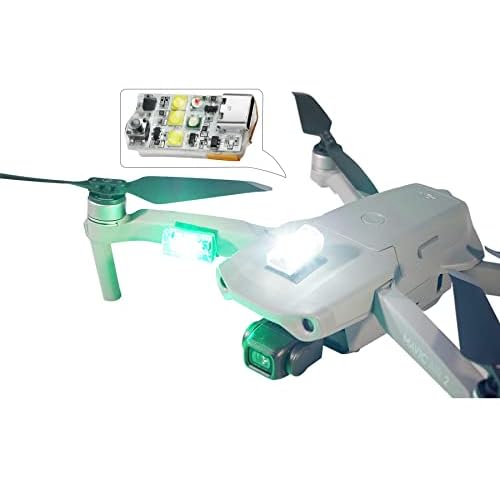

This matters practically because it saves lives by keeping personnel out of harm’s way while providing ground commanders with real-time data. By utilizing drones, your forces can gather intelligence on enemy movements, terrain, and potential threats without risking a single pilot. This data-driven approach allows for more informed decision-making, ensuring that when action is taken, it is precise, effective, and backed by high-definition evidence. The drone isn’t just a weapon; it is the ultimate information gathering tool.
The Core Mission: Intelligence, Surveillance, and Reconnaissance (ISR)
Persistent Loitering: The “Unblinking Eye”
The single greatest advantage of a military drone is its ability to “loiter.” Unlike a manned fighter jet that might need to refuel every few hours, high-end drones like the MQ-9 Reaper can stay airborne for over 27 to 30 hours. This provides what military analysts call the “unblinking eye.” You get a continuous, live feed of a target area, allowing you to track “patterns of life.” This means operators can observe a location for days to understand who comes and goes, identifying suspicious behavior that a quick fly-by from a traditional aircraft would miss entirely.



Multi-Sensor Data Collection and Threat Detection
Modern UAVs are far more than just flying cameras; they are sophisticated nodes in a digital network. They utilize a diverse suite of sensors to provide a comprehensive picture of the battlefield, regardless of the time of day or weather conditions. This data is often streamed live to analysts thousands of miles away, who can then relay vital info to soldiers on the ground.
- Full-Motion Video (FMV): High-definition daytime and infrared cameras allow for tracking movement even in total darkness.
- Signals Intelligence (SIGINT): Advanced drones can intercept electronic communications, helping to locate enemy command centers or radio hubs.
- Synthetic Aperture Radar (SAR): This technology allows drones to create detailed maps and “see” through thick cloud cover, smoke, or dust storms.
- LIDAR and Mapping: Specialized drones can create 3D maps of urban environments to help ground teams plan safe entry routes.
For example, the RQ-4 Global Hawk, a high-altitude long-endurance drone, can survey up to 40,000 square miles of territory in a single day. To put that in perspective, that is roughly the size of the entire state of Kentucky. This massive data intake allows commanders to spot an IED being planted or a convoy mobilizing long before they pose a direct threat to friendly forces.
Tactical Advantages of Precision Strikes and Combat UAVs
Surgical Accuracy and Reduced Collateral Damage
While ISR is the primary role, the ability to transition from “see” to “strike” is where tactical drones provide their secondary value. Armed drones, often called Unmanned Combat Aerial Vehicles (UCAVs), carry precision-guided munitions like the AGM-114 Hellfire missile. Because the drone is loitering directly above the target, the operator has a clear, top-down view. This allows for surgical strikes that hit specific targets with minimal damage to the surrounding infrastructure. In traditional aerial bombing, the “circular error probable” was much higher, but a drone operator can wait for the exact moment a target is clear of civilians before engaging.


Compressing the “Kill Chain” and Enhancing Safety
The most obvious benefit of using a drone for tactical operations is the total elimination of risk to the aircrew. In traditional missions involving “dirty, dull, or dangerous” environments, a human pilot might be exposed to heavy anti-aircraft fire or extreme physical strain. By using a drone, you project power into contested environments without the political or human cost of a downed pilot or a prisoner of war situation.
- Immediate Response: Drones compress the “kill chain”—the time between finding a target and engaging it—because the sensor and the weapon are on the same platform.
- Psychological Impact: The presence of a silent, high-altitude threat forces adversaries to change their behavior, often restricting their movement and communication.
- Cost-Efficiency: Operating an armed drone is significantly cheaper per hour than flying a manned stealth fighter. For instance, an MQ-9 Reaper costs about $3,500 per flight hour, compared to over $30,000 for an F-35.
This efficiency allows military forces to maintain a constant presence in high-stakes areas without the massive financial and logistical footprint required by traditional air wings. By removing the pilot from the danger zone, the military can take calculated risks that would be otherwise impossible, ensuring that mission objectives are met with the highest possible degree of safety for their own personnel.
Strategic Benefits: Risk Mitigation and Persistence
The rise of military drones isn’t just about high-tech gadgets; it is about changing the fundamental math of risk. Traditionally, sending a pilot into contested airspace meant risking a life and an incredibly expensive aircraft. Drones shift this dynamic, allowing commanders to operate in high-threat environments where a manned mission might be deemed too dangerous.

Protecting Human Life and Reducing Political Risk
The most obvious strategic benefit is risk mitigation. When a drone is shot down, it results in a loss of hardware, not a loss of life. This allows for bolder reconnaissance missions and long-duration flights over hostile territory. Beyond the physical safety of the pilot, there is a lower political cost. Without the risk of a pilot being captured as a prisoner of war, military leaders have more flexibility in how they deploy assets.
The Power of Unmatched Loitering Time
Human pilots have physical limits. They get tired, hungry, and lose focus after several hours in a cockpit. Drones, however, offer persistence. High-altitude, long-endurance (HALE) drones can stay airborne for over 30 hours at a time, providing a constant “eye in the sky” that no manned jet can match.
- 24/7 Monitoring: Drones can orbit a target for days, waiting for the perfect moment to act or gather intelligence.
- Reduced Fatigue: Operators work in shifts from a ground station, ensuring the person “flying” is always fresh and alert.
- Cost-Effective Presence: Maintaining a drone on station is often significantly cheaper than rotating manned fighter jets in and out of an area.
Diverse Support Roles: Logistics, Spotting, and Search and Rescue
While combat and surveillance get the most attention, drones serve as the backbone for many “behind-the-scenes” military operations. These support roles are vital for the efficiency and safety of ground troops. As technology shrinks, even small squads can carry their own aerial support in a backpack.
Artillery Spotting and Precision Guidance
Modern artillery is incredibly powerful, but it is only as good as the data it receives. Drones act as the ultimate spotters. They can hover over a battlefield and feed real-time coordinates back to the batteries. This allows for “first-round” accuracy, reducing the need for multiple shots and minimizing collateral damage. Small tactical drones, like the AeroVironment Puma, are frequently used to identify targets that are invisible to troops on the ground.
Logistics and Search and Rescue (SAR)
Drones are increasingly used to move supplies without risking convoys on dangerous roads. From delivering emergency medical supplies to dropping ammunition to an isolated unit, cargo drones are becoming essential. Furthermore, in Search and Rescue missions, drones equipped with thermal imaging can scan vast areas of rugged terrain much faster than a ground team, identifying the heat signature of a missing soldier in minutes.
- Thermal Mapping: Using heat sensors to find personnel at night or through dense forest canopy.
- Communication Relays: Drones can act as flying cell towers, providing signal to troops in deep valleys or remote regions.
- Last-Mile Delivery: Transporting critical gear to the front lines without exposing a truck or helicopter to fire.
Conclusion
The primary use of a military drone has evolved from simple “flying cameras” to multi-functional tools that define modern warfare. By providing unmatched surveillance, precise strike capabilities, and vital logistical support, drones have become indispensable. They save lives by taking the place of human pilots in dangerous zones and provide ground commanders with a level of situational awareness that was once impossible.
If you want to stay ahead of the curve, your next step is to research how artificial intelligence is currently being integrated into these systems to automate flight patterns. The world of unmanned aerial vehicles is moving fast—stay informed and keep watching the skies!
❓ Frequently Asked Questions
Why is ISR considered the primary use of a military drone?
ISR provides real-time situational awareness that is critical for decision-making on the battlefield. By acting as a constant eye in the sky, drones allow commanders to track enemy movements and identify threats without the need for ground scouts or manned reconnaissance flights.
What is the difference between a surveillance drone and a combat drone?
A surveillance drone (UAV) is equipped with cameras and sensors for data collection, whereas a combat drone (UCAV) is equipped with weapons systems to perform precision strikes. While many combat drones can also perform surveillance, dedicated ISR drones are often smaller or designed for higher endurance.
How do drones improve precision in military operations?
Drones can loiter over a target for hours, allowing operators to wait for the exact moment to strike when collateral damage risk is lowest. This ‘loitering’ capability provides a level of patience and accuracy that traditional fast-moving manned jets often lack.
What role do drones play in artillery and target acquisition?
Drones serve as highly accurate spotters for artillery units, providing exact GPS coordinates and visual confirmation of where rounds land. This allows for immediate adjustments, making long-range fire much more effective and reducing the amount of ammunition needed to neutralize a target.
How do military drones contribute to personnel safety?
Drones take on the ‘3D’ missions—Dull, Dirty, and Dangerous—removing the need for humans to fly into range of anti-aircraft systems. If a drone is lost, the cost is purely financial rather than a loss of life or a hostage situation.
Are there different sizes of military drones for different uses?
Yes, they range from micro-drones that soldiers can launch by hand for local scouting to massive, high-altitude drones like the Global Hawk that monitor entire countries. Each size is optimized for a specific range, altitude, and payload capacity.