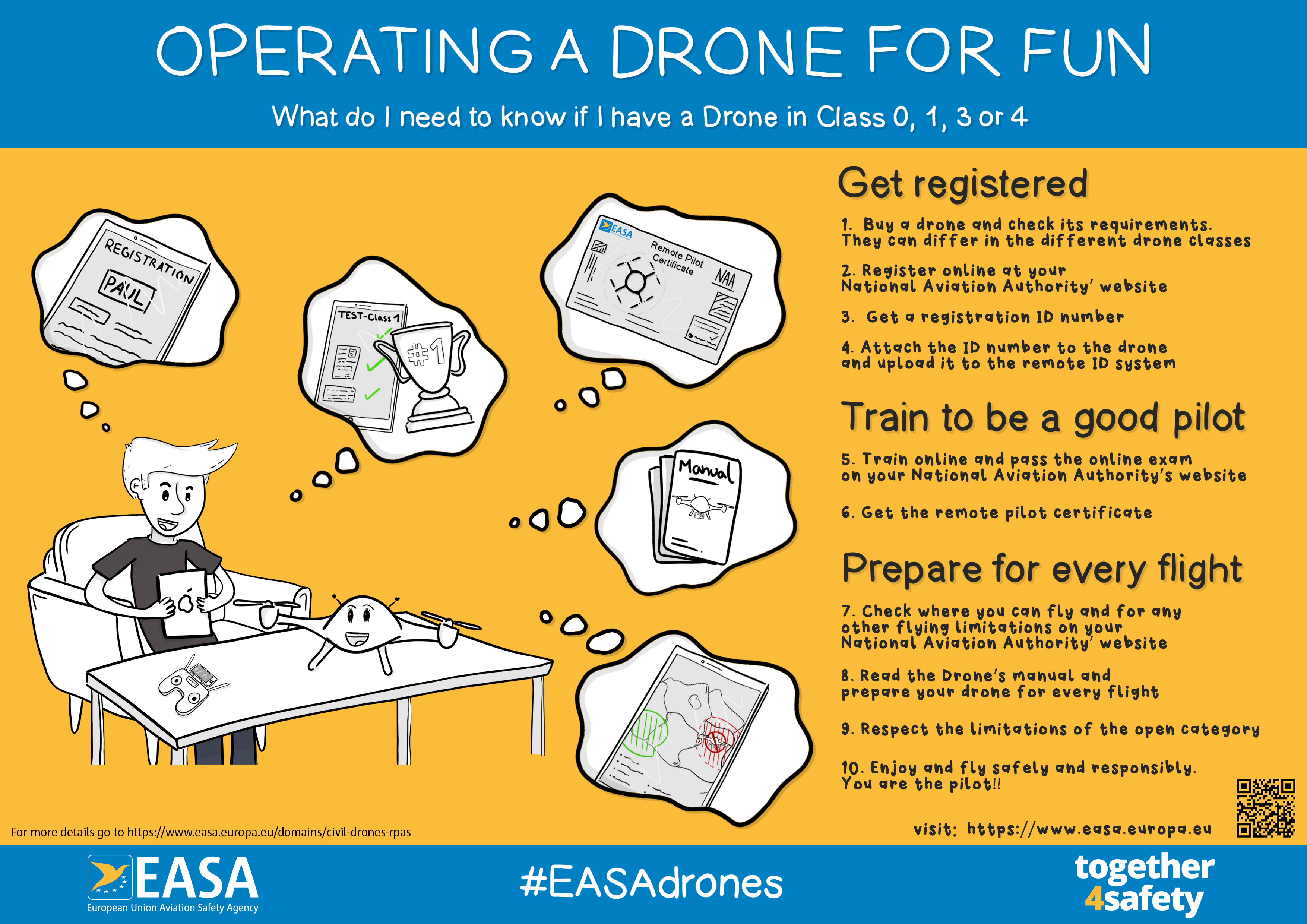
Have you ever dreamt of soaring through the sky, capturing breathtaking aerial footage, or even utilizing drones for professional purposes? Well, you’re in luck! In this article, I will guide you through the process of becoming a certified drone pilot. Whether you’re a beginner, an enthusiast, or a professional, I’ve got you covered. From understanding the technical aspects to navigating legal regulations, I’ll provide you with easy-to-follow steps and valuable tips that will set you on the path to becoming a certified drone pilot. So, fasten your seatbelt and get ready to take flight with me!
Prime for Young Adults — 6 Months Free
Exclusive Offer Amazon Prime for Young Adults, Students and 18–24s get six months of Prime free, then half price.
Start 6 Months Free As an Amazon Associate I earn from qualifying purchases.Becoming a certified drone pilot
If you’re interested in taking your drone piloting skills to the next level and becoming a certified drone pilot, you’ve come to the right place! In this comprehensive guide, I will walk you through the steps and provide you with some helpful tips to make the process as smooth as possible.
Step 1: Understand the regulations
Before you embark on your journey to becoming a certified drone pilot, it’s essential to have a clear understanding of the regulations set forth by the Federal Aviation Administration (FAA). These regulations are in place to ensure the safety of both manned and unmanned aircraft in the national airspace.
Subheading 1: Overview of FAA regulations
The FAA regulations pertaining to operating drones can be found in Part 107 of the Federal Aviation Regulations (FARs). Familiarize yourself with these regulations to ensure you’re aware of everything from airspace restrictions to operational limitations.
Subheading 2: Requirements for operating a drone commercially
If you plan on flying a drone for commercial purposes, such as aerial photography or surveying, there are specific requirements you need to meet. These include obtaining a remote pilot certificate, registering your drone with the FAA, and adhering to certain operational limitations.
Subheading 3: Restrictions on flying drones
There are also certain restrictions on flying drones, regardless of whether it’s for recreational or commercial purposes. These include maintaining visual line of sight, flying during daylight hours, and avoiding flying over people or moving vehicles. Understanding these restrictions is crucial to ensure you fly your drone within the legal parameters.
Step 2: Choose a drone pilot training program
Once you have a good understanding of the regulations, it’s time to choose a drone pilot training program that best suits your needs. There are various training programs available, ranging from in-person courses to online self-study options.
Subheading 1: Research available training programs
Take the time to research the different training programs available to you. Look for programs that are reputable and have a proven track record of success. Reading reviews and testimonials from past students can give you valuable insights into the quality of the training.
Prime for Young Adults — 6 Months Free
Exclusive Offer Amazon Prime for Young Adults, Students and 18–24s get six months of Prime free, then half price.
Start 6 Months Free As an Amazon Associate I earn from qualifying purchases.Subheading 2: Consider the curriculum and resources provided
When evaluating training programs, pay close attention to the curriculum and resources provided. Look for programs that cover all the necessary topics required to pass the aeronautical knowledge test, such as aviation regulations, airspace classification, weather, and drone operations.
Subheading 3: Read reviews and testimonials
Reading reviews and testimonials from other individuals who have completed the training program can give you a sense of what to expect. Look for programs with positive feedback and high success rates in helping students pass the aeronautical knowledge test.
Step 3: Study for the aeronautical knowledge test
To become a certified drone pilot, you must pass the aeronautical knowledge test administered by the FAA. This test assesses your understanding of various topics related to drone operations and aviation regulations.
Subheading 1: Familiarize yourself with the test material
Start by familiarizing yourself with the test material. The FAA provides a comprehensive study guide that outlines the topics covered in the test. Take the time to review each topic and ensure you have a solid understanding of the content.
Subheading 2: Utilize online resources and study guides
In addition to the FAA study guide, there are numerous online resources and study guides available to help you prepare for the test. These resources often include practice questions and explanations, allowing you to test your knowledge and identify areas where you may need further study.
Subheading 3: Take practice tests to assess your knowledge
Once you feel confident in your understanding of the test material, it’s a good idea to take practice tests to assess your knowledge. Practice tests simulate the actual test experience and can help you gain familiarity with the format and types of questions you may encounter.
Step 4: Schedule and take the aeronautical knowledge test
After thorough preparation, it’s time to schedule and take the aeronautical knowledge test. This test is administered by FAA-approved testing centers located throughout the country.
Prime for Young Adults — 6 Months Free
Exclusive Offer Amazon Prime for Young Adults, Students and 18–24s get six months of Prime free, then half price.
Start 6 Months Free As an Amazon Associate I earn from qualifying purchases.Subheading 1: Find an FAA-approved testing center
To take the aeronautical knowledge test, you must find an FAA-approved testing center near you. The FAA provides a directory of testing centers on their website, making it easy to locate one in your area.
Subheading 2: Make an appointment for the test
Once you’ve identified a testing center, contact them to make an appointment for the test. It’s important to schedule your test well in advance to ensure you secure a spot that aligns with your desired timeline.
Subheading 3: Prepare necessary identification and documentation
On the day of the test, make sure to bring the necessary identification and documentation, as specified by the testing center. This typically includes a valid photo ID and any additional paperwork required by the FAA or the testing center.
Step 5: Apply for remote pilot certification
Upon successfully passing the aeronautical knowledge test, you can apply for remote pilot certification through the FAA’s online application system.
Subheading 1: Complete the FAA’s online application
The FAA’s online application system guides you through the process of applying for remote pilot certification. You’ll need to provide personal information, such as your name, address, and contact details, along with your test results and other required documentation.
Subheading 2: Pay the required application fee
There is an application fee associated with obtaining remote pilot certification. Make sure to pay the fee during the application process to ensure your application is processed promptly.
Subheading 3: Submit supporting documents
In addition to completing the online application and paying the application fee, you may need to submit supporting documents, such as your test results and proof of identification. Follow the instructions provided by the FAA to ensure all necessary documentation is submitted correctly.
Step 6: Pass a background check
To further ensure safety and security, the FAA conducts a background check on all applicants for remote pilot certification.
Subheading 1: Provide fingerprints for a background check
As part of the background check process, you’ll be required to provide fingerprints at an authorized location. The FAA will provide instructions on where and how to complete this step.
Subheading 2: Await approval from the FAA
Once you’ve submitted your application and completed the background check process, you’ll need to wait for approval from the FAA. The timeframe for approval can vary, but it’s typically a few weeks.
Step 7: Receive your remote pilot certificate
After receiving approval from the FAA, you will be issued a remote pilot certificate, which serves as official documentation of your certification.
Subheading 1: Wait for the FAA to issue your remote pilot certificate
The FAA will send your remote pilot certificate to the address you provided during the application process. Be aware that there may be some delay between approval and receiving your certificate.
Subheading 2: Verify the accuracy of your certificate information
Upon receiving your remote pilot certificate, carefully review the information to ensure its accuracy. If you notice any errors or discrepancies, contact the FAA immediately to address the issue.
Subheading 3: Understand the privileges and limitations of your certification
It’s important to fully understand the privileges and limitations that come with your remote pilot certification. This includes knowing where and when you can fly your drone, as well as any additional restrictions that may apply to your specific certification.
Step 8: Maintain your certification
Obtaining remote pilot certification is just the beginning of your journey as a certified drone pilot. To maintain your certification, there are several steps you need to take.
Subheading 1: Renew your remote pilot certificate every 24 months
Remote pilot certificates are valid for a period of 24 months. To keep your certification current, you must undergo a recurrent knowledge test or complete an approved online training course every two years.
Subheading 2: Stay updated on new FAA regulations and requirements
The field of drone piloting is continually evolving, and it’s important to stay updated on any new regulations or requirements implemented by the FAA. This may include changes to airspace restrictions, operational limitations, or certification renewal procedures.
Subheading 3: Continuously improve your drone piloting skills
To be a successful and responsible drone pilot, it’s crucial to continuously improve your skills and knowledge. This can be done through practice flights, attending workshops or seminars, and networking with other certified drone pilots for insights and career opportunities.
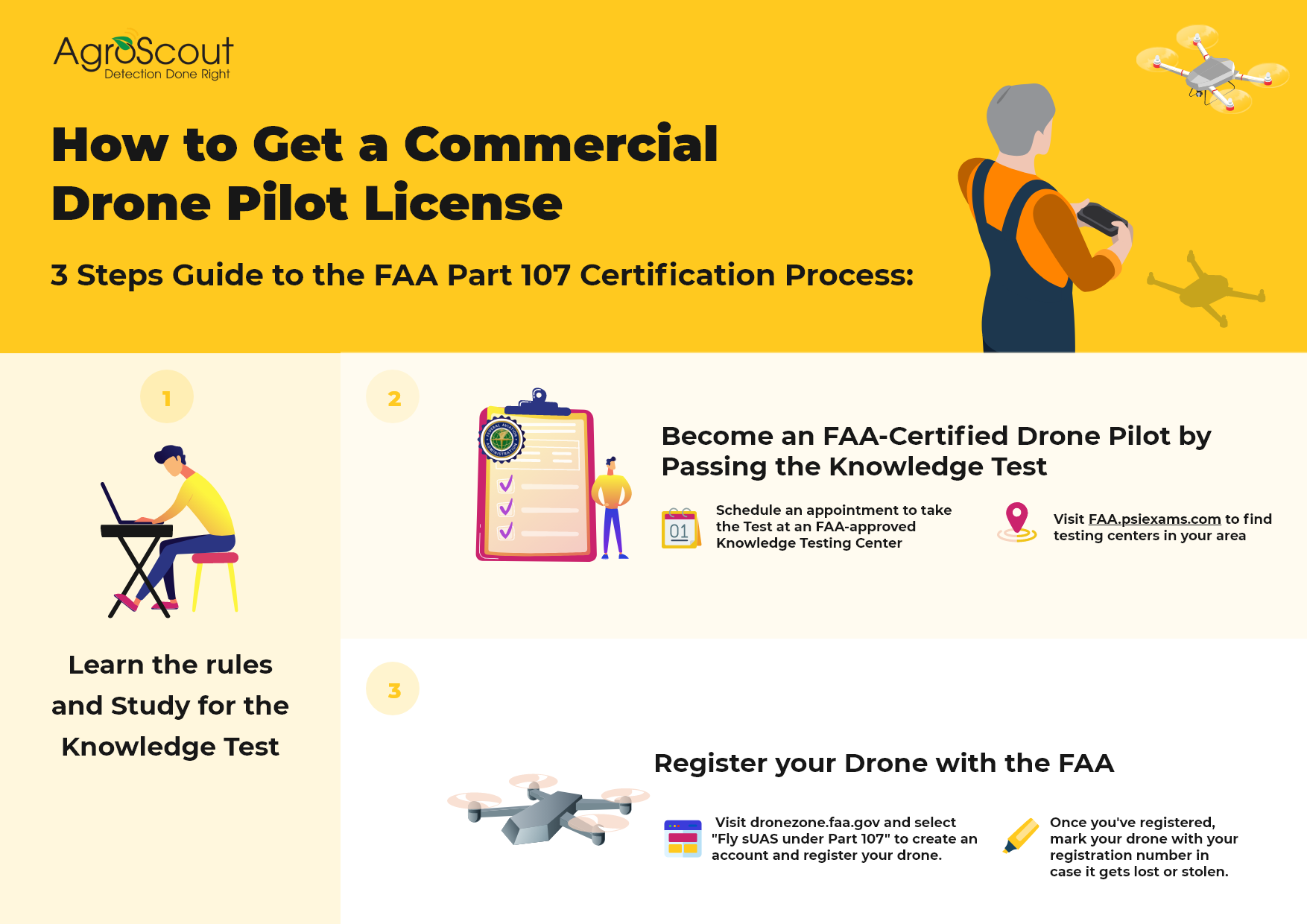
Tips for becoming a certified drone pilot
Recommended Best Deal Products

In addition to following the steps outlined above, here are some valuable tips to help you on your journey to becoming a certified drone pilot.
Tip 1: Start by flying a beginner-friendly drone
If you’re new to drone piloting, it’s advisable to start with a beginner-friendly drone. These drones are typically easier to fly and come with features that make them more forgiving for novice pilots. As you gain experience and proficiency, you can upgrade to more advanced models.
Tip 2: Join a local drone enthusiasts group for support and guidance
Connecting with fellow drone enthusiasts can provide you with valuable support and guidance throughout your certification journey. Join local drone enthusiasts groups or online communities to share experiences, ask questions, and stay updated on the latest industry developments.
Tip 3: Practice flying in different weather conditions
As a certified drone pilot, you may be required to fly in various weather conditions. It’s important to practice flying in different weather conditions, such as wind or rain, to familiarize yourself with how your drone handles in these situations. This will enhance your confidence and ability to safely operate your drone in adverse conditions.
Tip 4: Keep track of your flight hours and document your experience
Keeping track of your flight hours and documenting your experience can be beneficial in several ways. This information can be used to demonstrate your proficiency as a pilot when pursuing career opportunities or applying for advanced certifications. It can also serve as a reference for future training or troubleshooting purposes.
Tip 5: Network with other certified drone pilots for career opportunities
Networking with other certified drone pilots can open doors to various career opportunities. They may be aware of job openings, collaborations, or other professional opportunities that align with your skills and interests. Attend industry events, join online forums, and actively engage with other professionals in the field to expand your network.
Remember, becoming a certified drone pilot takes dedication, knowledge, and practice. By following the steps outlined in this guide and incorporating the tips provided, you’ll be well on your way to achieving your goal of becoming a certified drone pilot. Good luck on your journey!