What are Drones? A Complete Guide to UAV Technology
Commercial UAV Pilot & Aerial Cinematography Specialist at Drone Nestle · FAA Part 107 Remote Pilot Certification, Commercial UAS Operations · 10+ Years in Commercial UAV Operations, Flight Hardware Benchmarking & 4K Aerial Cinematography
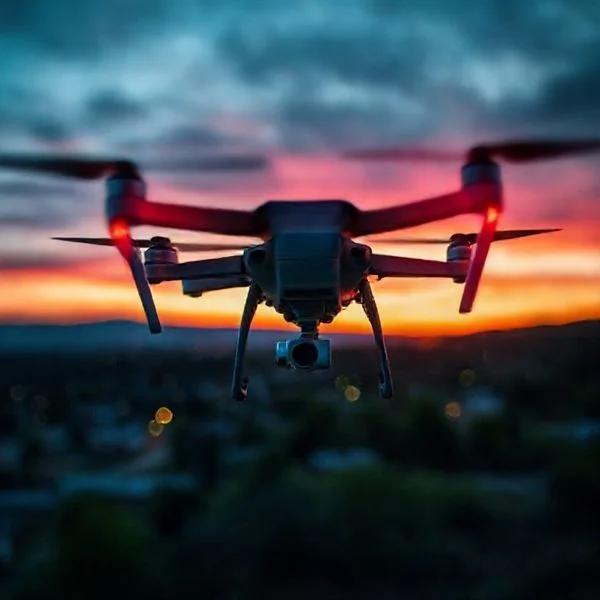
Drones, or Unmanned Aerial Vehicles (UAVs), are aircraft that operate without a human pilot onboard through remote control or autonomous software. These devices utilize integrated sensors, GPS, and multi-rotor systems to perform tasks ranging from hobbyist photography to complex industrial inspections.
🎯 Key Takeaways
- Drones are formally known as Unmanned Aerial Vehicles or UAVs.
- Most consumer models use four rotors for stable hovering and flight.
- Pilots control drones via radio transmitters or mobile applications.
- Onboard GPS and sensors allow for automated flight and safety features.
- Drone categories range from small toy models to large industrial crafts.
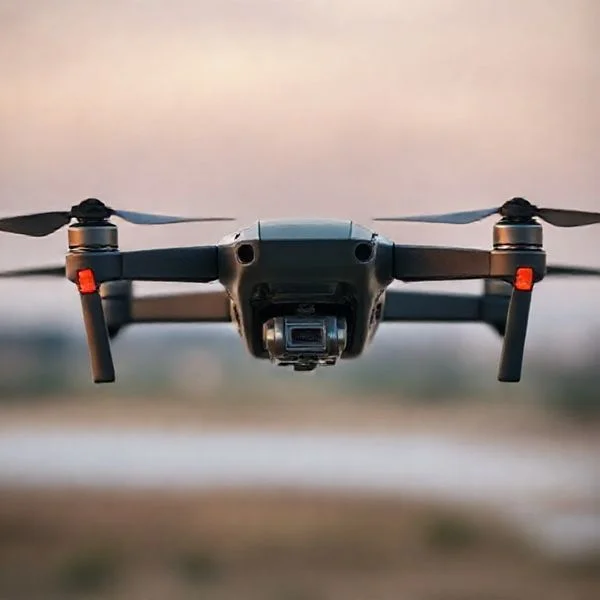
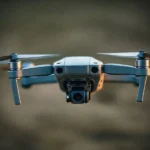
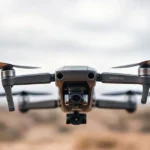
A drone, technically known as an Unmanned Aerial Vehicle (UAV), is an aircraft that operates without a human pilot on board. These machines are controlled either by a pilot on the ground using a dedicated remote or autonomously through onboard computers and GPS waypoint navigation. At its core, a drone is a flying robot that leverages advanced sensors and software to maintain balance and direction in three-dimensional space.


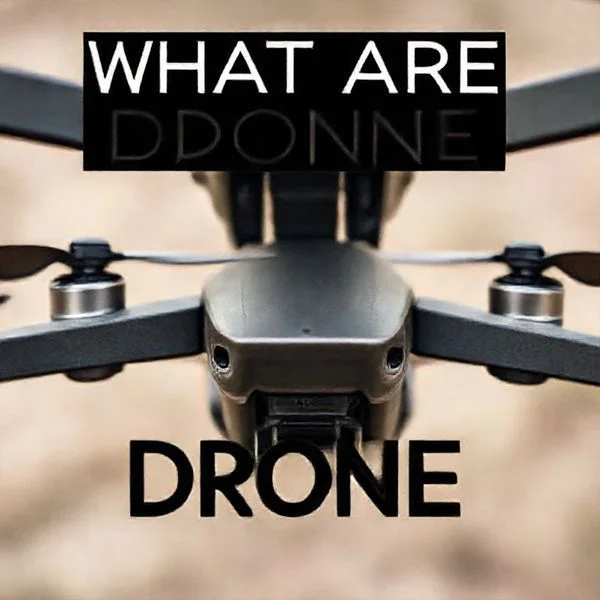
Understanding the fundamental mechanics of a drone is essential for anyone looking to enter the hobby or professional field. Because drones rely on a complex interplay of hardware and software, knowing how they function allows you to make better decisions regarding maintenance, upgrades, and safety. Whether you are using a palm-sized toy or a heavy-lift industrial unit, the basic principles of flight and control remain remarkably consistent across the industry.
Defining Drones: Understanding the UAV Ecosystem


When most people say “drone,” they are usually referring to a Unmanned Aircraft System (UAS). This term is more accurate because it encompasses the aircraft, the ground-based controller, and the wireless communication link that ties them together. The modern drone ecosystem is incredibly diverse, ranging from fixed-wing gliders that resemble traditional airplanes to the ubiquitous multi-rotor quadcopters that populate most store shelves.


The Three Tiers of Modern Drones
The drone market is generally divided into three distinct categories based on their intended use and internal capabilities. Recognizing which category a drone falls into helps you understand its technical limitations and required accessories:
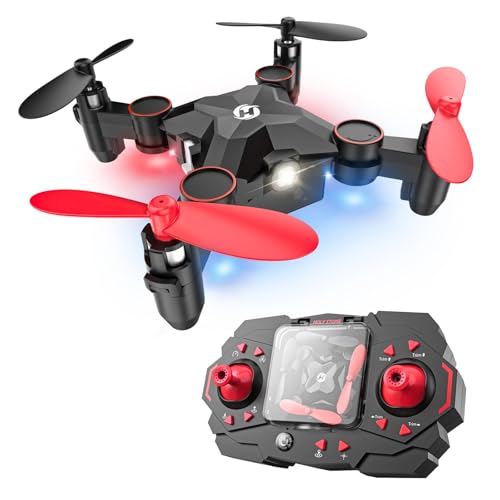
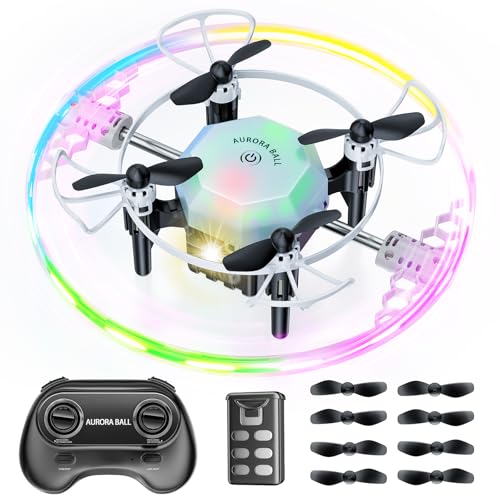
- Toy and Hobbyist Drones: These are lightweight, often weighing less than 250 grams. They focus on ease of use and durability. They typically use brushed motors and have limited flight times of 5 to 10 minutes.
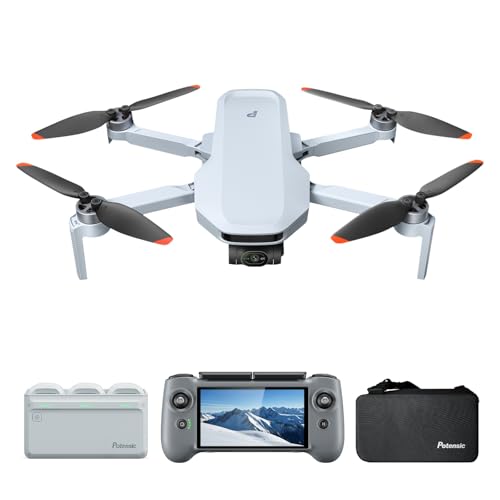
- Professional Photography Drones: These units feature high-end stabilized cameras and 3-axis gimbals. They utilize brushless motors for efficiency and can stay airborne for 30 minutes or more. They rely heavily on GPS for steady hovering.
- Industrial and Delivery Drones: These are specialized machines designed for heavy lifting or thermal imaging. They are often “hexacopters” (six rotors) or “octocopters” (eight rotors) for redundancy. If one motor fails, the others can still land the craft safely.
The primary appeal of the modern drone is its autonomy. Unlike traditional RC planes, which require constant manual input, a UAV uses a “flight controller” to interpret user commands and adjust motor speeds hundreds of times per second. This technology makes it possible for even a beginner to hover perfectly in place without touching the control sticks.


Core Technology: How Drones Stay Airborne and Stable


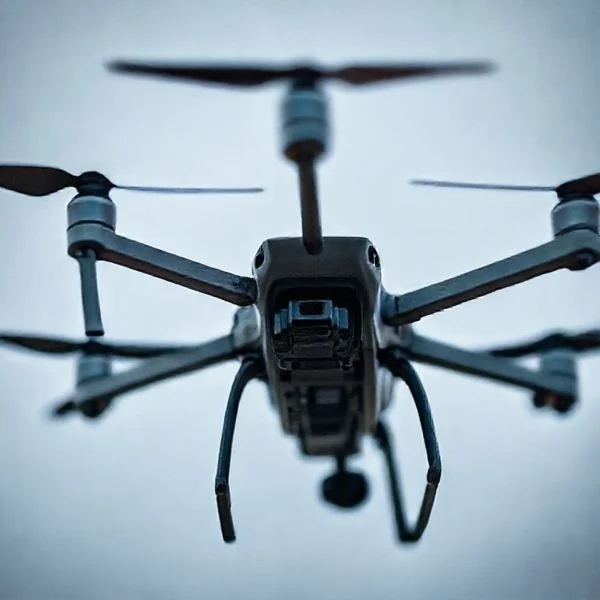
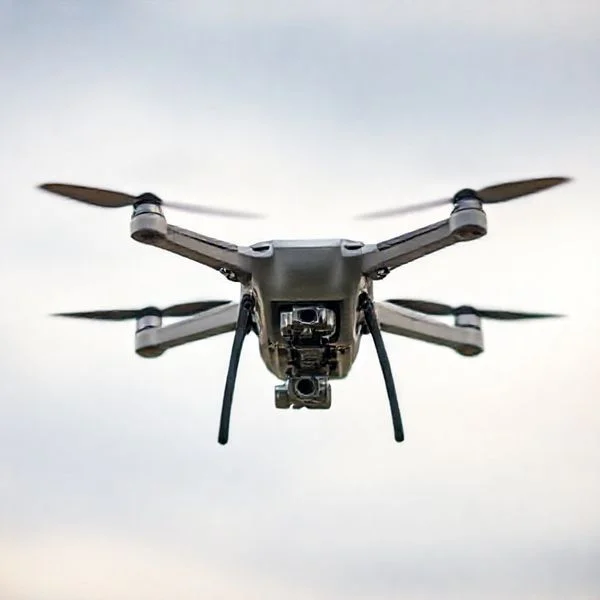
The magic of drone flight lies in the propulsion system and the “brain” of the craft. Unlike a helicopter that uses a complex swashplate to change direction, a standard quadcopter is a masterpiece of simplicity. It uses four fixed-pitch propellers. To move or rotate, the drone simply changes the relative speed of specific motors. This creates a difference in thrust and torque, allowing the craft to tilt, turn, or climb.
The Propulsion System: Motors and ESCs


The physical movement of a drone is managed by the Electronic Speed Controllers (ESCs) and the motors. The ESCs act as the middleman between the battery and the motor. They take the signal from the flight controller and tell each motor exactly how fast to spin. Most modern drones use brushless motors. These are significantly more powerful and reliable than older brushed designs because they have fewer moving parts that can wear out over time.

- Clockwise (CW) Rotors: Two motors spin clockwise to provide lift.
- Counter-Clockwise (CCW) Rotors: Two motors spin in the opposite direction to cancel out the rotational force (torque).
- Propeller Pitch: The angle of the blades determines how much air is moved per rotation, affecting speed and battery life.
The Brain: Flight Controllers and Sensors


If the motors are the muscles, the Flight Controller (FC) is the brain. This small circuit board contains an Inertial Measurement Unit (IMU). The IMU consists of gyroscopes and accelerometers that detect the drone’s orientation and movement. If a gust of wind tips the drone to the left, the IMU detects this change instantly. It tells the FC to speed up the left motors to level the craft. This happens so fast that the user never sees the drone wobble.
Stability is further enhanced by GPS and GNSS modules. By connecting to multiple satellites, the drone establishes its exact coordinates on earth. This enables features like Position Hold, where the drone will fight wind to stay in one spot, and Return to Home (RTH), which automatically flies the drone back to its takeoff point if the signal is lost or the battery runs low. These sensors are what transformed drones from difficult-to-fly RC toys into reliable tools for everyone.
The Communication Link


Your drone stays connected to you via a radio frequency link, typically operating on 2.4GHz or 5.8GHz bands. The controller (the transmitter) sends your stick movements to the drone’s receiver. Simultaneously, the drone sends back telemetry data, such as battery voltage, altitude, and a live video feed. This two-way communication is vital for long-range flight, allowing pilots to monitor the health of the aircraft in real-time while it is miles away from the home point.
Popular Drone Categories: From Toys to Commercial Tools


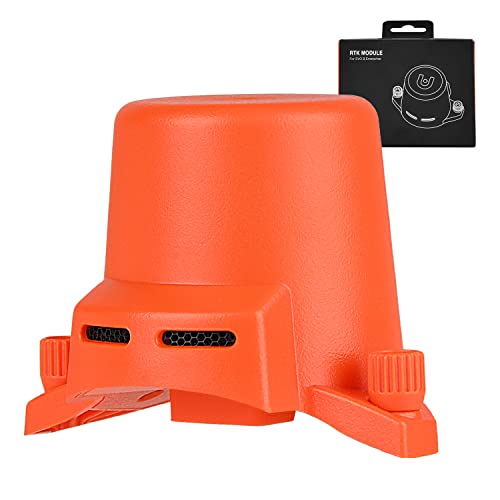
Drones are not a “one size fits all” technology. Depending on the intended use, a UAV can be small enough to fit in your palm or large enough to carry heavy industrial equipment. Understanding these categories helps you identify which type of aircraft suits your specific needs and budget.
Consumer and Recreational Drones
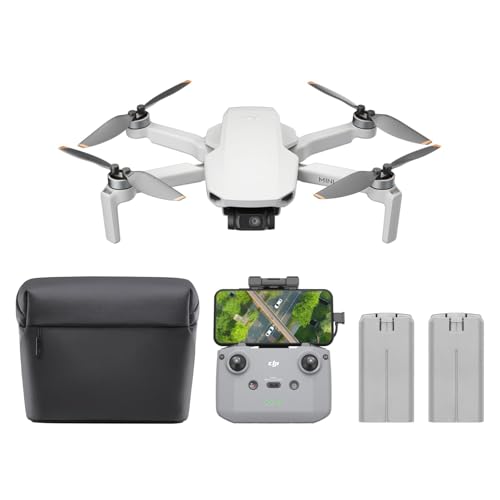
These are the most common drones seen in parks and at travel destinations. Designed for ease of use, they often feature “Ready-to-Fly” (RTF) designs that require minimal setup. Many recreational drones are categorized as Mini Drones, weighing under 250 grams to bypass certain registration requirements in many countries.


- Entry-Level Toys: Affordable, lightweight, and perfect for learning flight basics indoors.
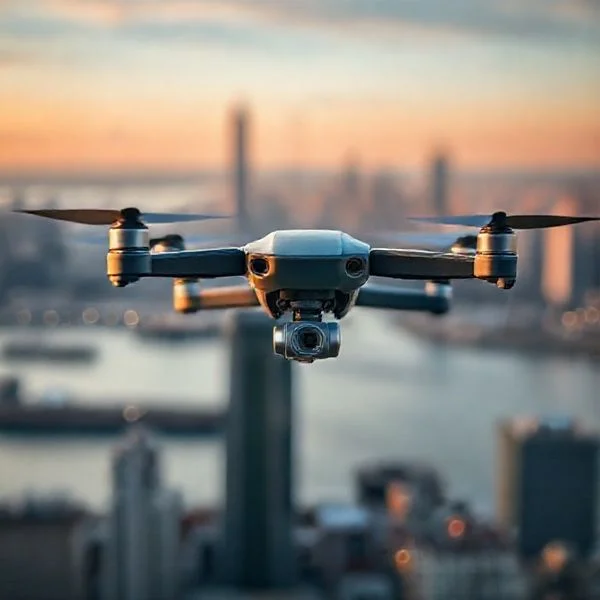
- Photography Drones: Equipped with stabilized gimbals and high-resolution 4K cameras for stunning aerial shots.
- FPV (First Person View) Drones: Built for speed and agility, these are flown using goggles to provide an immersive, cockpit-style experience.
Enterprise and Industrial UAVs
At the higher end of the spectrum, commercial drones serve as specialized workhorses. These systems are built for durability and precision, often featuring modular payloads that allow users to swap cameras for different sensors depending on the mission requirements.
- Thermal Drones: Used by firefighters and utility companies to detect heat signatures and equipment failures.
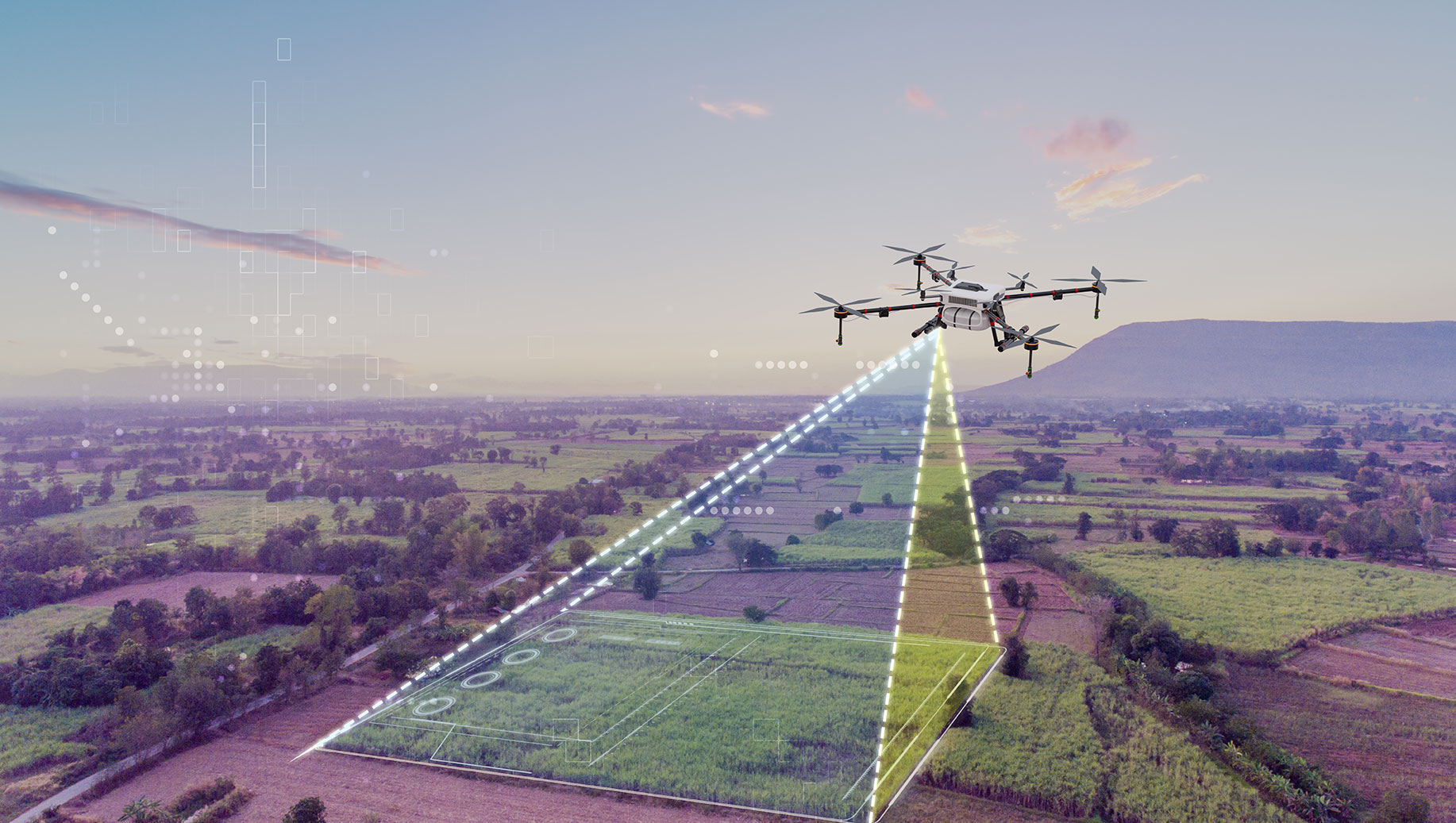
- Multispectral Drones: Essential for precision agriculture to monitor crop health and soil moisture.
- Heavy-Lift Drones: Massive platforms capable of carrying professional cinema cameras or delivering small cargo packages.
Modern Applications: Real-World Use Cases for Drones


The “what” of drones is best defined by “how” they are used. Beyond hobbyist flying, UAV technology is solving complex problems across dozens of industries, making tasks safer, faster, and more cost-effective than traditional methods.
Aerial Photography and Cinematography
This is perhaps the most visible application of drone technology. Before UAVs, capturing high-angle footage required expensive helicopters or cranes. Today, a single operator can capture cinematic 5.1K video that was once reserved for big-budget Hollywood films. This has revolutionized Real Estate marketing, allowing agents to provide breathtaking bird’s-eye views of properties and neighborhoods.
Public Safety and Infrastructure
Drones are literal lifesavers in emergency scenarios. Search and rescue teams use drones equipped with thermal imaging to find missing persons in dense forests or at night. Similarly, industrial inspectors use UAVs to examine high-voltage power lines, cell towers, and bridge underpinnings. This eliminates the need for human workers to climb dangerous structures, significantly reducing workplace accidents.
Agricultural Monitoring and Spraying
Modern farmers utilize drones to practice “precision agriculture.” By flying over thousands of acres, drones can identify specific areas of a field that need more water or are suffering from pest infestations. Some large-scale drones are even equipped with tanks to spray fertilizers or pesticides with pinpoint accuracy, reducing chemical waste and environmental impact.
- Environmental Conservation: Tracking wildlife populations and monitoring illegal deforestation in remote areas.
- Delivery Services: Rapid transport of medical supplies, such as vaccines or blood samples, in areas with poor road infrastructure.
- Construction Mapping: Creating highly accurate 3D models of job sites to track progress and manage resources.
Conclusion
Drones have evolved from complex military experimental craft into versatile, accessible tools that touch almost every part of our modern world. From capturing family vacation memories to conducting high-stakes search and rescue missions, UAV technology continues to push the boundaries of what is possible from the air. As the technology becomes more autonomous and battery life improves, we can expect drones to become even more integrated into our daily lives and global industries.
If you are ready to take to the skies, your next steps are simple: research the local drone regulations in your area and determine which category of drone aligns with your goals. Whether you are a budding photographer or a tech enthusiast, there has never been a better time to explore the world from a new perspective. Start your aerial journey today and see where the horizon takes you!
❓ Frequently Asked Questions
What is the main difference between a drone and a remote-controlled (RC) plane?
While both are remotely operated, drones (UAVs) feature autonomous capabilities like GPS hovering, obstacle avoidance, and ‘return-to-home’ functions. RC planes typically require constant manual input to stay airborne.
What are the most common types of drone motor configurations?
The quadcopter (four rotors) is the most popular configuration for its balance of stability and maneuverability. Hexacopters and octocopters are used for professional payloads because they provide more lifting power and motor redundancy.
How do drones use GPS during flight?
GPS allows drones to pinpoint their exact location, maintain a steady hover even in windy conditions, and automatically return to the takeoff point if the signal is lost or the battery is low.
What are the weight classifications for consumer drones?
Many countries distinguish between drones under 250 grams, which often have fewer regulatory requirements, and heavier drones that typically require registration and pilot certification.
How far can a typical consumer drone fly?
While high-end drones can transmit signals up to several miles using advanced radio tech, most regulations require pilots to maintain a visual line of sight with the aircraft at all times.
Can drones fly in rain or bad weather?
Most consumer drones are not waterproof and can be damaged by moisture or high winds; however, specialized industrial drones are built with IP ratings for harsh weather conditions.

Similar Posts