Drones with the Longest Battery Life: 2024 Top Leaderboard
Commercial UAV Pilot & Aerial Cinematography Specialist at Drone Nestle · FAA Part 107 Remote Pilot Certification, Commercial UAS Operations · 10+ Years in Commercial UAV Operations, Flight Hardware Benchmarking & 4K Aerial Cinematography
The DJI Mini 4 Pro and DJI Mavic 3 series currently dominate the market, offering advertised flight times of 45 to 47 minutes. Achieving these durations often requires Extended Flight Battery Plus options, which may push consumer drones over the 250g weight limit.
🎯 Key Takeaways
- The DJI Mini 4 Pro reaches 47 minutes with the Intelligent Flight Battery Plus.
- Extended batteries often increase drone weight beyond the 250g regulatory threshold.
- Real-world flight times are typically 15-20% shorter than manufacturer laboratory estimates.
- Industrial drones like the DJI Matrice 350 RTK provide up to 55 minutes.
- Aggressive flying in Sport mode significantly reduces total battery endurance.
As of 2024, the drone with the longest battery life for consumer use is the DJI Mavic 3 series (including the Pro and Classic models), which boasts an advertised flight time of 46 minutes. Close behind is the DJI Mini 4 Pro, which can reach 45 minutes when equipped with the Intelligent Flight Battery Plus. In real-world conditions, these figures typically translate to about 38 to 41 minutes of actual hovering and maneuvering time before the low-battery RTH (Return to Home) triggers. These models represent the current ceiling for lithium-ion efficiency in consumer-grade hardware.


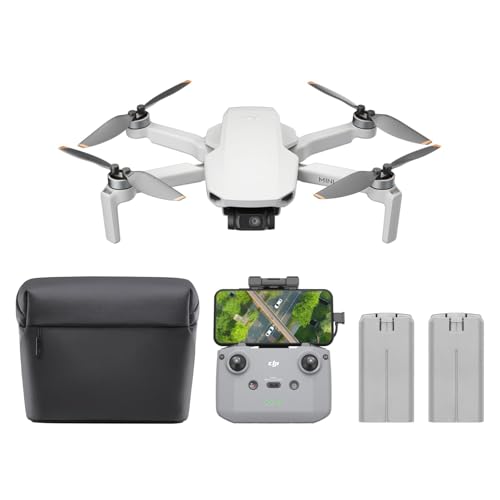
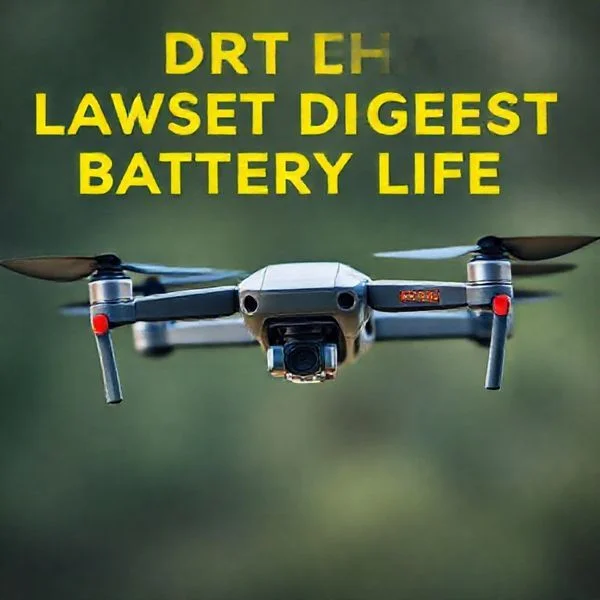
Maximizing your air time is not just about convenience; it is a critical factor for professional workflows. Longer battery life allows you to scout distant locations, wait for the perfect lighting, and execute complex automated flight paths without the constant anxiety of a landing timer. If you are tired of spending more time swapping batteries than capturing footage, moving into the 40-plus minute club is the most significant upgrade you can make to your kit. Every extra minute in the air is another opportunity to capture the perfect shot that shorter-range drones simply cannot reach.
Top Consumer Drones Ranked by Maximum Flight Endurance


The elite tier of drones has finally broken the 40-minute barrier, a feat that was once reserved for expensive industrial platforms. Currently, DJI dominates this leaderboard, but competitors like Autel are keeping the race tight. When looking at these numbers, remember that manufacturers calculate these times in windless conditions at a constant speed; however, they serve as the gold standard for comparing potential endurance.


The 45-Minute Club: DJI’s Leading Endurance Models
- DJI Mavic 3 Pro / Classic: 46 Minutes. This is the industry benchmark. Its aerodynamic frame and high-capacity 5000 mAh battery allow for incredible efficiency during forward flight.
- DJI Air 3: 46 Minutes. Matching its larger sibling, the Air 3 uses a dual-battery charging hub with a “power accumulation” feature that transfers remaining juice from multiple batteries into the one with the highest charge.
- DJI Mini 4 Pro (with Plus Battery): 45 Minutes. While the standard battery is lighter, the “Plus” version is the king of the sub-250g frame drones, though it pushes the takeoff weight over the limit.
High-Endurance Alternatives from Autel and Potensic


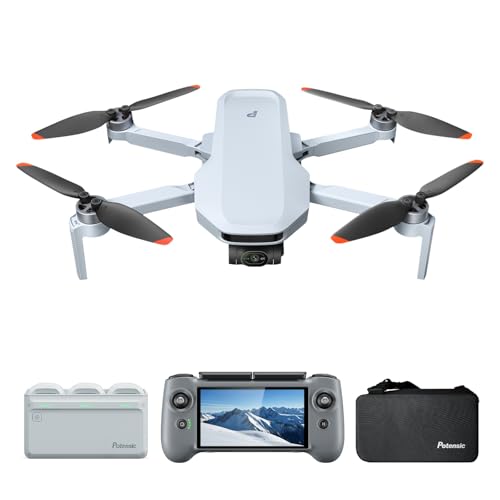
While DJI holds the top spots, other manufacturers are optimizing their propulsion systems to compete. The Autel EVO Lite+ remains a strong contender with a 40-minute flight time. It is particularly known for its stability in high winds, which often drains smaller batteries faster. For those on a stricter budget, the Potensic Atom offers a respectable 31 to 32 minutes, though it sits just outside the top-tier endurance category. When you choose a drone in this bracket, you are paying for high-density battery cells and ESC (Electronic Speed Controller) efficiency that allows the motors to sip power rather than gulp it.
Standard vs. Extended Batteries: Performance and Regulatory Trade-offs


It is important to understand that the “longest battery life” often depends on which battery you physically slide into the drone. Many modern drones, particularly the DJI Mini series, offer two distinct battery types: the Standard Intelligent Flight Battery and the Intelligent Flight Battery Plus. The choice between them isn’t just about how long you can stay in the air; it also affects where you can legally fly and how the drone handles in the wind.


The Weight and Regulation Barrier


In many regions, including the US and UK, the 250-gram weight limit is a major legal threshold. Using a standard battery keeps drones like the Mini 4 Pro under this limit, exempting you from certain registration requirements. However, the “Plus” batteries that provide that 45-minute flight time are significantly heavier. Once you click that extended battery into place, your drone will likely exceed 250 grams. This means you must register the aircraft with the FAA or your local civil aviation authority. You must weigh the benefit of those extra 11 minutes against the added regulatory steps.
Physical Performance and Wind Resistance


Extended batteries don’t just add time; they add mass. While a heavier drone can sometimes be more stable in a light breeze, it also puts more strain on the motors during aggressive maneuvers. Using an extended battery in Sport Mode will see a much steeper decline in percentage than using a standard battery in Cine Mode. Here is a quick breakdown of the trade-offs:


- Standard Battery: Keeps the drone agile, maintains legal weight limits, and usually offers 30-31 minutes of flight.
- Extended/Plus Battery: Provides 45+ minutes of flight, increases total aircraft weight, and requires FAA registration.
- Power Management: Standard batteries often charge faster, meaning you can get back in the air sooner even if your individual flights are shorter.
Choosing the right battery is about balancing your specific mission needs. If you are hiking miles into the wilderness, fewer, longer-lasting batteries might be better than carrying a dozen smaller ones. Conversely, if you are flying in a strict urban environment, the standard battery keeps you compliant and nimble.
Environmental Factors That Drain Your Drone Battery Faster


The flight times you see on a drone’s retail box are recorded under perfect laboratory conditions. In the real world, your battery has to work much harder. Understanding these invisible “battery thieves” helps you plan your flights more effectively and avoid an emergency landing.

Temperature and Air Density
Batteries are chemical powerhouses, and they are very sensitive to the weather. Cold temperatures are the biggest enemy of LiPo (Lithium Polymer) batteries. In freezing conditions, the chemical reactions inside the cell slow down, leading to a sudden drop in voltage. Conversely, flying in high-altitude areas where the air is “thin” forces the motors to spin much faster to maintain lift, consuming significantly more energy.
- Cold Weather: Expect up to a 20-30% reduction in flight time when flying below 40°F (4°C).
- High Humidity: Moist air is denser and creates more drag, making the drone work harder to push through the sky.
- Heat: Excessive heat can cause batteries to throttle power output to prevent permanent damage.
Wind Resistance and Flight Style
Fighting a headwind is like driving a car uphill; the motors require a constant surge of high current to maintain position or forward momentum. If you are constantly flying in Sport Mode or performing aggressive maneuvers, you will never hit those 40-minute benchmarks. Smooth, steady movements in “Cinematic” or “Normal” mode are the secret to reaching the leaderboard stats.
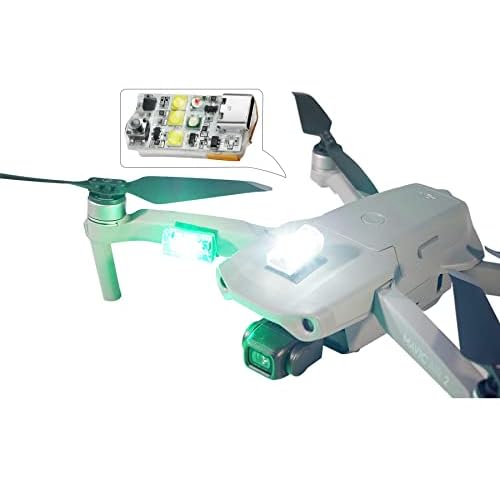
- Payload Weight: Adding propeller guards, heavy ND filters, or external lights will shave minutes off your flight.
- Constant Corrections: Flying in gusty winds requires the flight controller to make thousands of micro-adjustments, which drains the battery rapidly.
Professional and Industrial Drones: Pushing the 50-Minute Frontier

While consumer drones hover around the 30-to-45-minute mark, the enterprise sector is where we see true endurance. These drones are designed for search and rescue, mapping, and infrastructure inspection, where every extra minute in the air can save lives or thousands of dollars in operational costs.


The Giants of Endurance
Professional platforms like the DJI Matrice 350 RTK or the Autel EVO II Dual 640T utilize massive dual-battery systems. These drones are built with high-efficiency carbon fiber propellers and streamlined frames to maximize every milliampere. For example, some specialized industrial drones can now push past the 55-minute mark, though they require a much larger physical footprint and a significantly higher price tag.
- DJI Matrice 350 RTK: Boasts a massive 55-minute max flight time (without payload).
- Autel EVO II Enterprise V3: Optimized for 42 minutes of continuous flight even with high-resolution thermal cameras.
- Hydrogen Fuel Cells: Emerging industrial drones are experimenting with hydrogen, which can keep a drone airborne for over 2 hours, though this technology isn’t yet available for the average hobbyist.
Why Enterprise Batteries Differ
Industrial drone batteries often include built-in heating elements. This allows them to “self-warm” before takeoff, ensuring the chemistry is optimized for peak performance even in sub-zero environments. They also feature advanced BMS (Battery Management Systems) that provide real-time data on cell health, ensuring that “long life” doesn’t come at the cost of safety or reliability during a mission.
Conclusion
The quest for the longest drone battery life has come a long way. In 2024, we have finally reached a point where 40 to 45 minutes of flight time is becoming the new standard for flagship consumer models. Whether you choose the ultra-light DJI Mini series for its portability or an Enterprise powerhouse for its sheer endurance, knowing how to manage your power is key to a successful flight. Remember that environmental factors like wind and temperature will always play a role in your actual results.
Your next step should be to audit your current gear—check your battery cycle counts and consider investing in a “Fly More” or “Premium” bundle to keep your bird in the air for longer sessions. Which drone in our leaderboard is your top pick? Leave a comment below and share your longest flight record with us!
❓ Frequently Asked Questions
Why is my actual flight time lower than the advertised specs?
Manufacturers test flight times in ideal laboratory conditions with no wind and consistent speeds. Real-world factors like wind resistance, obstacle avoidance sensors, and the 15-20% ‘return-to-home’ safety buffer reduce usable airtime.
What is the difference between DJI’s Standard and Plus batteries?
The Standard battery is designed to keep the drone under 250g for regulatory ease, while the Plus version uses higher-density cells to provide 10-15 extra minutes of flight at the cost of increased weight.
Are there drones that can fly for over an hour?
Most battery-powered quadcopters max out around 45-55 minutes. To exceed an hour, you typically need industrial hydrogen-cell drones or fixed-wing UAVs which are significantly more expensive and specialized.
How does temperature affect drone battery longevity?
Lithium-polymer (LiPo) batteries are sensitive to cold; in freezing temperatures, the chemical reaction slows down, leading to a sudden drop in voltage and significantly shorter flight times.
Does the flight mode (Cine vs. Sport) impact battery life?
Absolutely. Sport mode pushes the motors to their RPM limits for speed, which consumes power much faster than Cine or Normal modes which prioritize stability and efficiency.
Is it worth buying a drone with a 40+ minute battery?
It depends on your use case; for landscape photographers or mappers, every minute counts to reach distant targets, but for casual backyard flyers, 30 minutes is usually sufficient.

Similar Posts