What to Consider When Buying a Drone: 2024 Buyer’s Guide
Commercial UAV Pilot & Aerial Cinematography Specialist at Drone Nestle · FAA Part 107 Remote Pilot Certification, Commercial UAS Operations · 10+ Years in Commercial UAV Operations, Flight Hardware Benchmarking & 4K Aerial Cinematography
The most critical factor is matching the drone’s weight and camera specs to your specific use case, such as choosing a sub-250g model to bypass certain FAA registrations. You must also prioritize mechanical gimbal stabilization and battery life to ensure high-quality footage and sufficient airtime.
🎯 Key Takeaways
- Choose sub-250g drones to avoid most FAA registration requirements for recreational use.
- Prioritize a 3-axis mechanical gimbal for professional-grade, stable aerial cinematography.
- Evaluate battery life and factor in the cost of at least two spare batteries.
- Check transmission range and obstacle avoidance sensors to prevent expensive crashes.
- Verify local flight regulations and ‘No Fly Zones’ before purchasing specific models.
Choosing the right drone in 2024 comes down to balancing three critical factors: image sensor size, flight endurance, and the 249-gram weight threshold. Most buyers make the mistake of prioritizing speed or “maximum range” figures that rarely reflect real-world performance. To get the best value, you must prioritize the hardware that directly affects your footage quality and your legal ability to fly in specific areas.

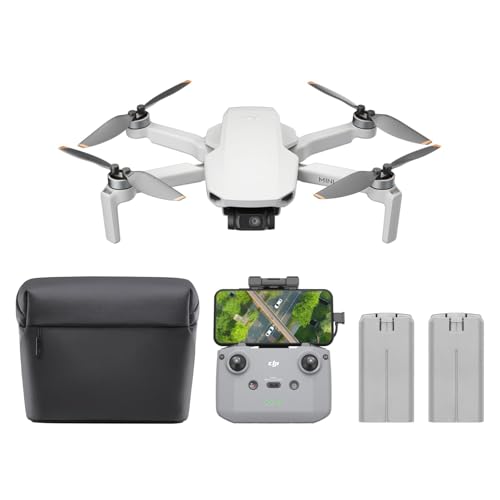
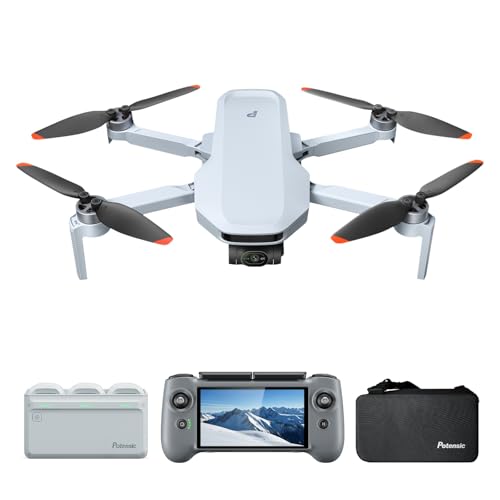
Whether you are capturing cinematic landscapes or inspecting a roof, your choice will dictate your workflow. A drone with a superior camera but a weak transmission system will lead to a frustrating experience and potential crashes. Conversely, a long-range drone with a tiny sensor will produce muddy video that looks poor on large screens. This guide cuts through the marketing noise to focus on the specs that actually impact your flight experience.
Essential Technical Specifications for Flight and Image Quality


The internal hardware of your drone determines the professional polish of your final output. You should treat the drone as a flying camera first and a remote-controlled aircraft second. If the technical specs don’t support your creative goals, the drone will likely end up gathering dust.


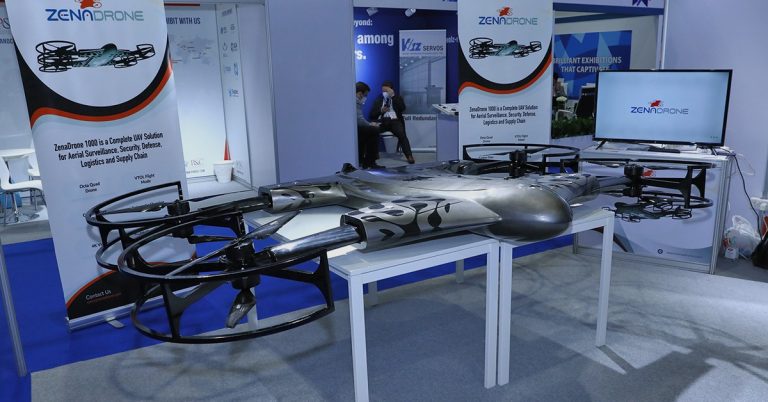
Sensor Size and Gimbal Stabilization
In the drone world, sensor size is king. Avoid drones that do not specify their sensor dimensions. Most entry-level drones use a 1/2.3-inch sensor, which struggles in low light and high-contrast environments. For high-quality 4K video, look for at least a 1/1.3-inch sensor or, ideally, a 1-inch sensor. A larger sensor allows for better dynamic range, meaning you won’t lose detail in bright clouds or dark shadows.
- 1/2.3-inch sensors: Good for casual daylight hobbyist use.
- 1/1.3-inch sensors: The current “sweet spot” for social media creators and high-end enthusiasts.
- 1-inch sensors: Essential for professional color grading and low-light videography.
- 3-Axis Mechanical Gimbal: Ensure your drone has a physical 3-axis gimbal. Software stabilization (EIS) often crops your image and looks unnatural in windy conditions.
Flight Time and Transmission Reliability

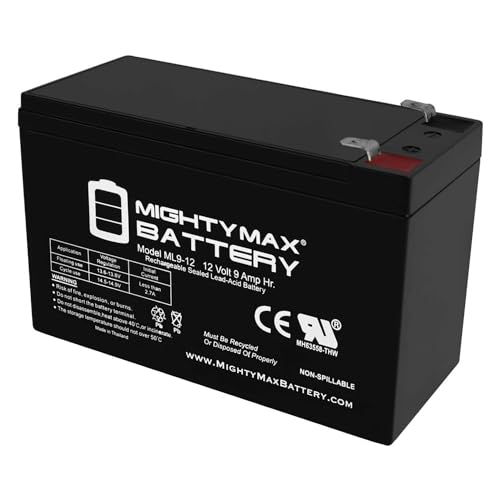

Manufacturer “flight time” ratings are almost always recorded in windless, ideal conditions. In practice, a 34-minute battery usually provides about 25 minutes of usable airtime after accounting for takeoff, landing, and the “Return to Home” safety margin. Look for drones that offer “Intelligent Flight Batteries” which provide real-time voltage data to your controller.


Transmission is equally vital. Budget drones often use standard Wi-Fi, which drops out near cell towers or trees. Look for proprietary transmission protocols like DJI’s OcuSync or Autel’s SkyLink. These systems use frequency hopping to maintain a clear 1080p live feed even in congested urban environments. Reliability is more important than “max distance” because a stable signal at 500 meters is better than a flickering signal at 5 kilometers.
Understanding Weight Classes and Legal Requirements


Before you spend a dollar, you must understand how much your drone weighs. Global aviation authorities, such as the FAA in the United States and EASA in Europe, use weight to determine where and how you can fly. The 250-gram mark is the most important number in the industry.


The Magic of 249 Grams


Drones weighing under 250 grams (typically labeled as 249g) occupy a special legal category. In many jurisdictions, these “micro-drones” do not require the same rigorous registration or Remote ID hardware as heavier models. This makes them the perfect choice for beginners or travelers who want to avoid excessive paperwork and fees.
- No FAA Registration: For recreational fliers in the US, sub-250g drones do not need to be registered with the FAA.
- Fewer Flight Restrictions: You can often fly closer to people or in “Category 1” environments that are off-limits to heavier rigs.
- Portability: These drones are roughly the size of a large smartphone when folded, fitting easily into a jacket pocket.
Stepping Up to Professional Rigs


If your goals involve professional cinematography or industrial work, you will likely need a drone in the 500g to 900g range. While these require registration and a Part 107 certificate (for commercial use in the US), they offer stability that micro-drones cannot match. A heavier drone has larger motors and more mass, allowing it to remain stationary in gusty winds where a lighter drone would be tossed around.
When choosing a heavier rig, consider the “category” of the drone under local laws. Heavier drones often require a minimum distance from uninvolved persons, which can limit your ability to film in suburban or crowded areas. Always evaluate if the jump in image quality from a heavier drone outweighs the increased regulatory burden you will face every time you take off.
Aligning Drone Categories with Your Specific Use Case


Buying the most expensive drone on the market doesn’t always mean you’re getting the best tool for your specific needs. The “best” drone is the one that fits seamlessly into your lifestyle and fulfills your creative or professional goals without being a burden. Before you swipe your card, you must define exactly what you want to achieve once you’re in the air.

The Enthusiast Photographer vs. The Casual Hobbyist
If you are a traveler looking to capture cinematic vacation footage without the bulk, look toward ultralight drones (sub-250g). These are designed for portability and often bypass the stricter registration requirements in many countries, making them the ultimate travel companion.


- Portability: Look for folding designs that can fit into a jacket pocket or a small camera bag.
- Social Media Integration: Many hobbyist drones now feature “Vertical Shooting” modes, which rotate the gimbal 90 degrees to capture native TikTok and Instagram Reel content.
- Example: A hiker would benefit more from a lightweight DJI Mini 4 Pro than a heavier professional rig that requires a dedicated backpack.
Professional Utility and FPV Racing
For those aiming for high-end commercial work or adrenaline-pumping speed, your requirements shift toward specialized hardware. Professional drones offer larger sensors—typically 1-inch or Micro Four Thirds—for better low-light performance and dynamic range. Conversely, if you want to feel like you’re in the cockpit, FPV (First Person View) drones provide an immersive experience that standard GPS drones simply cannot match.
- FPV Experience: These drones require goggles and offer a “manual” flight mode for flips, rolls, and high-speed proximity flying.
- Commercial Features: If you’re inspecting roofs or mapping land, prioritize drones with thermal sensors or mechanical shutters to avoid “rolling shutter” distortion.
- Tip: If you are a beginner, look for “Cinewhoop” style FPV drones which have guarded propellers for safer indoor or close-quarters flying.
Long-Term Ownership Costs: Maintenance, Insurance, and Accessories


The sticker price of a drone is rarely the final number you will spend. To keep your bird in the air safely and legally, you need to budget for ongoing expenses and the “hidden” costs of ownership. Think of a drone as a long-term investment that requires a small ecosystem of support gear.
Essential Accessories and Power Management
A single battery usually provides 20 to 30 minutes of flight time, which sounds like a lot until you’re actually in the field. Most seasoned pilots find that a “Fly More” style bundle is actually a necessity rather than an optional luxury. Without extra juice, your day ends just as you’re getting the perfect light.
- Spare Propellers: Even the most experienced pilots will clip a tree branch eventually. Always keep at least two full sets of spares in your kit.
- High-Speed Storage: 4K video at high bitrates requires specialized SD cards. Look for cards with a V30 or V60 rating to prevent dropped frames or corrupted files.
- ND Filters: These act like sunglasses for your camera lens. They are essential for controlling shutter speed and achieving that smooth, cinematic motion blur in bright sunlight.
Insurance, Protection Plans, and Legal Fees
Drones are flying computers, and they can be fragile. Investing in a protection plan is often the difference between a minor setback and a total financial loss. Furthermore, depending on where you live, there are small but mandatory administrative costs to consider.
- Manufacturer Protection: Programs like DJI Care Refresh offer low-cost replacements if you crash your drone or even lose it in a body of water. It provides incredible peace of mind for new pilots.
- Liability Insurance: If you plan to fly for business or in populated areas, specialized drone liability insurance is highly recommended to protect against accidental property damage.
- Registration and Remote ID: In the United States, any drone weighing over 250g must be registered with the FAA for a small fee ($5 for three years). Additionally, ensure your drone is Remote ID compliant to meet current aviation standards.
Conclusion
Choosing the right drone in 2024 is all about balancing your creative ambitions with your budget and technical comfort level. From prioritizing camera sensor size to understanding the “hidden” costs of extra batteries and insurance, being an informed buyer ensures you won’t be grounded by unexpected hurdles. Remember that the best drone is the one that you actually feel confident flying and that fits your specific use case, whether that’s capturing family memories or launching a professional photography business.
As an actionable next step, we recommend checking the local drone airspace maps in your area to see where you can legally practice. Once you have a model in mind, look for hands-on flight reviews to see how it handles real-world wind conditions. Ready to take to the skies? Pick your perfect model and start your aerial journey today!
❓ Frequently Asked Questions
What are the main differences between toy, photography, and FPV drones?
Toy drones are inexpensive and lack GPS, while photography drones focus on stable 4K imaging and autonomous flight. FPV (First Person View) drones prioritize speed and immersion, often requiring significant practice and extra goggles.
How does the camera sensor size affect my aerial photos?
A larger sensor, like a 1-inch CMOS, captures more light and detail than smaller sensors. This results in better dynamic range and significantly improved performance in low-light or sunset conditions.
Do I need to buy insurance or a protection plan for my drone?
While not mandatory, plans like DJI Care Refresh are highly recommended for beginners. They provide low-cost replacements for accidental damage, including water damage or flyaways, which standard warranties don’t cover.
Why is GPS important for a consumer drone?
GPS enables ‘Return to Home’ (RTH) functionality, which automatically brings the drone back if the signal is lost or the battery is low. It also provides essential flight stability by allowing the drone to hover precisely.
What hidden costs should I expect when buying a drone?
Beyond the drone itself, you should budget for extra batteries, high-speed microSD cards, a carrying case, and landing pads. You may also need to pay for FAA registration or Part 107 certification for commercial use.
How do flight regulations differ for commercial vs. recreational use?
Recreational flyers follow basic safety rules and register drones over 250g, while commercial pilots must pass an FAA Part 107 exam. Commercial use is defined as any flight intended to further a business or generate revenue.

Similar Posts