What is a UAS Drone? Understanding the Complete System
Commercial UAV Pilot & Aerial Cinematography Specialist at Drone Nestle · FAA Part 107 Remote Pilot Certification, Commercial UAS Operations · 10+ Years in Commercial UAV Operations, Flight Hardware Benchmarking & 4K Aerial Cinematography
A UAS (Unmanned Aircraft System) represents the entire technological ecosystem required to operate an unmanned flight. Unlike the term ‘drone,’ which usually refers only to the aircraft, a UAS encompasses the unmanned aerial vehicle (UAV), the ground control station, and the communication link that connects them.
🎯 Key Takeaways
- UAS stands for Unmanned Aircraft System, the formal industry and regulatory term.
- A UAS includes the aircraft, the controller, and the data link between them.
- UAV refers specifically to the flying vehicle, not the entire system.
- Regulatory bodies like the FAA use UAS to emphasize operational safety components.
- The ‘system’ aspect includes essential accessories like telemetry links and control software.
A Unmanned Aircraft System (UAS) is much more than just the flying machine you see in the sky. While most people use the word “drone” to describe the aircraft itself, the technical term UAS refers to the entire ecosystem required to make that flight possible. This includes the aircraft, the person on the ground, the controller in their hands, and the invisible signals connecting them all. If one part of this system fails, the entire operation stops.


Understanding this distinction is critical if you are moving beyond hobbyist flying into professional or commercial work. When you deal with the FAA or buy high-end accessories, you aren’t just managing a “drone”; you are managing a complex system of integrated technology. Recognizing how these parts work together helps you troubleshoot connection issues, choose the right upgrades, and operate more safely in shared airspace.
Defining UAS: The Difference Between Drones and Systems
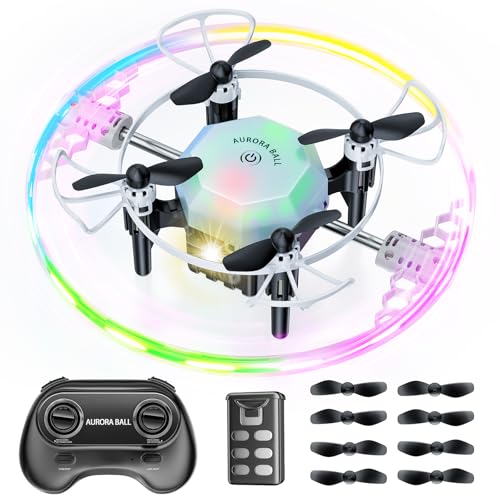


In common conversation, “drone” is the catch-all term for anything that flies without a pilot on board. However, in the professional industry, we use more specific language to describe what we are actually doing. The term “drone” is essentially a nickname. Using the term UAS acknowledges that flight is a collaborative process between hardware, software, and human input.



UAV vs. UAS: The Part vs. The Whole
The biggest point of confusion for most people is the difference between a UAV (Unmanned Aerial Vehicle) and a UAS (Unmanned Aircraft System). Think of it like a computer setup: the UAV is the monitor or the tower, while the UAS is the entire workstation including the mouse, keyboard, and internet connection.
- UAV (The Vehicle): This is the physical craft that actually leaves the ground. It includes the frame, motors, propellers, and internal flight controller.
- UAS (The System): This is the “big picture.” It encompasses the UAV, the ground-based controller, the software apps, and the wireless data links.
- The Human Element: Most regulatory bodies, like the FAA, include the Remote Pilot in Command (RPIC) as a vital component of the UAS.
The industry shifted toward the term UAS because it emphasizes that the “system” is what must be regulated and maintained. You don’t just maintain the propellers; you also have to update the firmware on your controller and ensure your data transmission frequencies are clear.


The Three Pillars: Aircraft, Ground Control, and Data Links


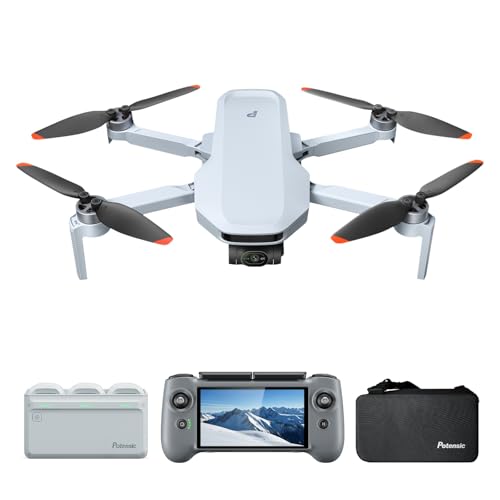
To truly understand what a UAS is, you have to look at its three primary pillars. If you remove any of these three elements, you no longer have a functioning system. Each pillar requires its own set of accessories and maintenance protocols to ensure the drone stays in the air and performs its job correctly.
The Unmanned Aerial Vehicle (UAV)


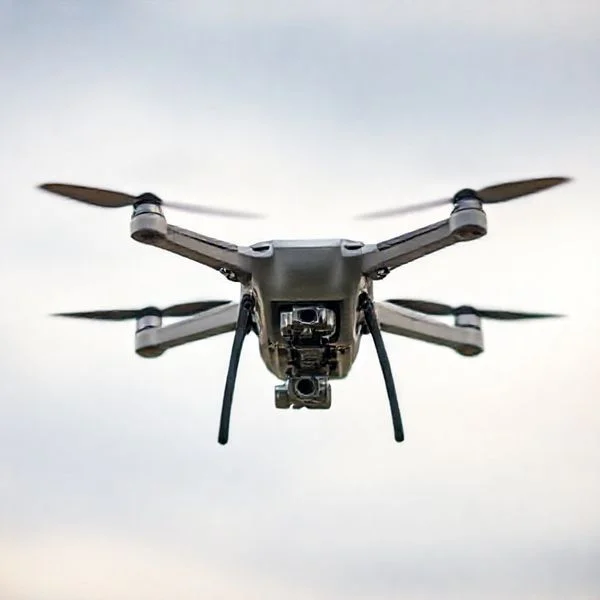
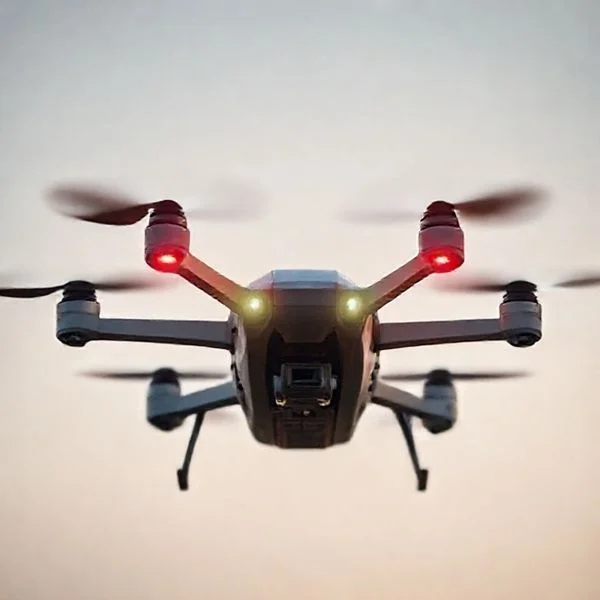
The UAV is the most visible part of the system. This is the hardware that carries your “payload,” which is usually a camera, a thermal sensor, or a delivery package. Even though it’s just one part of the UAS, it is the most complex piece of machinery in the kit. It relies on internal sensors like GPS modules, IMUs (Inertial Measurement Units), and barometers to stay stable.
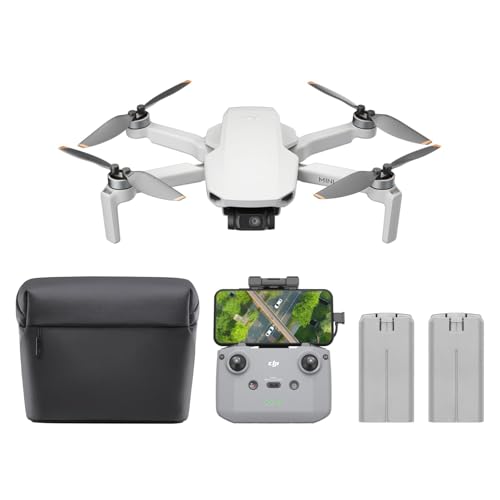


Key components of the UAV include:
- The Airframe: The physical structure (carbon fiber, plastic, or aluminum).
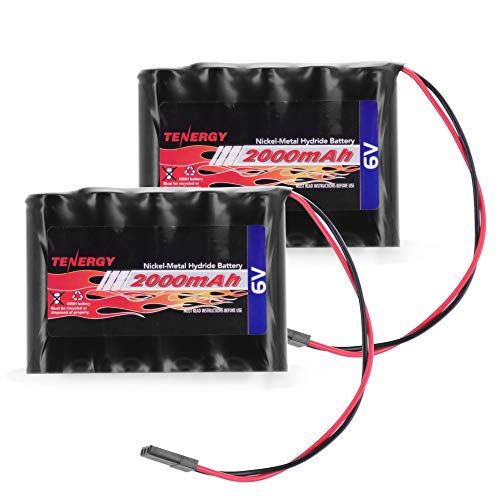
- The Propulsion System: The combination of the battery, Electronic Speed Controllers (ESCs), motors, and propellers.
- The Flight Controller: The “brain” that processes sensor data and keeps the craft level.
- The Payload: The specific gear you are flying, such as a 4K camera or a LiDAR scanner.
The Ground Control Station (GCS)


The Ground Control Station is your interface with the aircraft. For a hobbyist, this might just be a handheld remote with a smartphone attached. For professional or military applications, a GCS can be a massive trailer filled with computer screens and satellite dishes. Regardless of the size, the GCS is where the pilot sends commands and monitors the health of the aircraft.
Your GCS provides real-time telemetry data. This includes your altitude, your remaining battery life, and your distance from the home point. Modern systems often use “Smart Controllers” with built-in high-brightness screens, which reduce the need for external tablets or phones. This is a critical accessory because it serves as your primary safety tool for avoiding obstacles and monitoring flight paths.
The Communication Data Link


The Data Link is the “invisible tether” that connects the UAV to the GCS. This is arguably the most important part of the UAS because it facilitates two-way communication. Without a solid data link, you have no control over the aircraft, and you cannot see the live video feed coming from the camera.
Most UAS drones use two types of links simultaneously:
- C2 Link (Command and Control): This carries your stick inputs from the remote to the drone. It is built for low latency so the drone reacts instantly to your movements.
- Payload Link: This carries the heavy data, such as the live HD video feed or sensor readings, back to your screen.
These links typically operate on 2.4GHz or 5.8GHz radio frequencies. In professional systems, these links are often encrypted to prevent third parties from hijacking the video feed or the controls. Understanding your data link is vital when choosing accessories like high-gain antennas or signal boosters, which are designed to keep that invisible tether strong in areas with high interference.
UAV vs. UAS: Understanding Professional and Technical Terminology


The UAV: The Physical Aircraft
You will often hear the term UAV, which stands for Unmanned Aerial Vehicle. While many use it interchangeably with “drone,” it specifically refers to the aircraft itself—the part that actually leaves the ground. When you are discussing the aerodynamics of the wings, the thrust of the motors, or the battery life of the flight unit, you are technically talking about the UAV. It is the core component, but it cannot function in a vacuum.

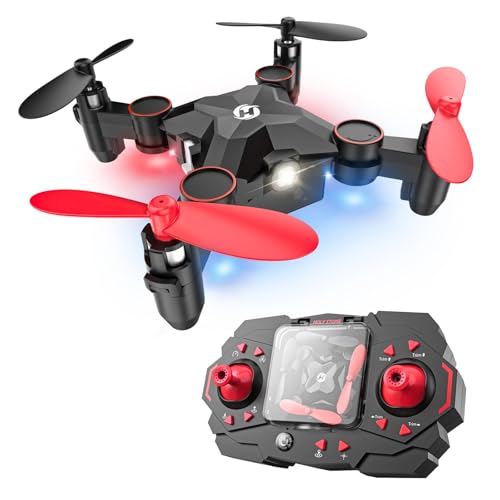


- Practical Example: A DJI Matrice 300 airframe sitting on a workbench without its remote or software is a UAV.
- Key Focus: Propulsion systems, airframe integrity, and onboard flight controllers.
The UAS: The Full Ecosystem
The UAS is the broader “umbrella” term. It includes the UAV but also encompasses every piece of hardware and software required to make the flight possible, safe, and productive. Professionals prefer this term because it acknowledges that a successful mission depends on more than just the rotors spinning. Without the ground control station (GCS) or the wireless data link, the UAV is simply a high-tech paperweight. Understanding this distinction is vital for troubleshooting, as many flight issues actually originate in the system components rather than the aircraft.
- Ground Control Station: The tablet, specialized remote controller, or laptop used to command the craft.
- Communication Link: The radio frequency or satellite connection that transmits telemetry and video feeds.
- Support Equipment: This includes the launch and recovery gear, specialized drone accessories, and the software used for mission planning.
Why Industry Experts and Regulators Prefer the Term UAS


Compliance and Legal Standards
If you look at FAA (Federal Aviation Administration) or EASA (European Union Aviation Safety Agency) documentation, you will rarely see the word “drone” used in a formal capacity. Regulators prefer UAS because their safety rules govern the entire operation. For instance, if a signal is lost due to a faulty remote controller or a software glitch on a tablet, the “system” has failed. Licensing, safety certifications, and airspace authorizations are built around this holistic view to ensure maximum public safety.
- Insurance Benefits: Most commercial insurance policies cover the “system,” including expensive ground stations and specialized payloads, rather than just the flying vehicle.
- Professional Certification: Earning a commercial license (like Part 107 in the US) requires knowledge of the entire system, including weather sensors and maintenance of the control link.
Reliability Beyond the Flight
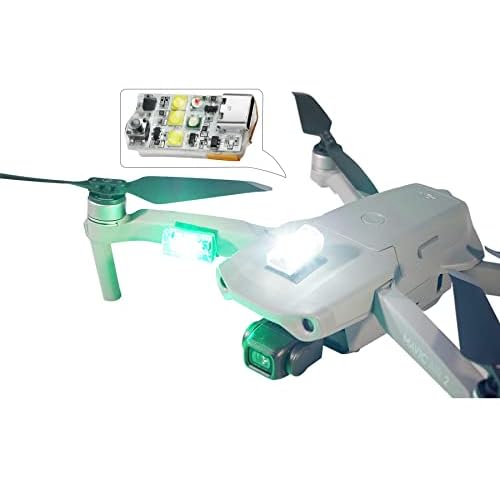
In the world of drone accessories and industrial work, focusing on the “system” prevents expensive mistakes. A professional pilot doesn’t just pack a drone; they pack a UAS kit. This mindset ensures you prioritize the maintenance of peripheral components that are often overlooked but are mission-critical. For example, a high-gain antenna or a specialized landing pad that protects sensitive onboard sensors are essential parts of the system that ensure the UAV can do its job.
- Pro Tip: Always treat your controller and data cables with the same care as your propellers; they are equally critical UAS components.
- Real-World Application: Using a high-quality tablet hood to see your screen in bright sunlight is a “system-level” upgrade that prevents pilot error and increases operational safety.
Conclusion: Seeing the Bigger Picture
Understanding that a drone is actually a UAS (Unmanned Aircraft System) changes how you approach this technology. It shifts the focus from simply “flying a gadget” to managing a sophisticated network of hardware, software, and communication links. By viewing your equipment as a complete system, you become a safer, more efficient, and more professional operator. Whether you are using your gear for high-end cinematography or industrial inspections, every part of the system matters.
Ready to level up your flight game? Start by auditing your current setup. Your next steps: Check your signal cables for wear, update your ground control software, and ensure your remote controller is calibrated. If you are looking to optimize your operations, explore our latest range of professional drone accessories to ensure every part of your UAS is performing at its peak. Happy flying!
❓ Frequently Asked Questions
What are the essential components that make a drone a ‘system’?
A complete Unmanned Aircraft System (UAS) consists of the aerial vehicle, the human pilot’s ground control station, and the communication link that facilitates data exchange. In professional setups, this can also include specialized launch and recovery equipment and various payload sensors.
Why does the FAA use UAS instead of the word drone?
The FAA uses the term UAS to emphasize that safe flight depends on more than just the aircraft. By regulating the ‘system,’ they address the reliability of the control link and the functionality of the ground station, which are critical for national airspace safety.
Can I use the term ‘drone’ in professional or legal documents?
While ‘drone’ is common in mainstream media, it is best to use ‘UAS’ or ‘UAV’ in professional, technical, or legal contexts. Using formal terminology demonstrates a higher level of expertise and aligns with official aviation standards.
How does the ‘Data Link’ function within a UAS?
The data link is the wireless connection—usually radio frequency or satellite—that transmits commands from the pilot to the drone. Simultaneously, it sends telemetry data, such as battery life and GPS location, back to the ground control station for the pilot to monitor.
Do drone accessories count as part of a UAS?
Yes, many accessories are integral parts of the UAS. For example, high-gain antennas for the controller, external tablets for flight software, and telemetry modules are all components that support the functionality of the overall system.
What is a Ground Control Station (GCS)?
The GCS is the ‘cockpit’ of the UAS, which can range from a simple handheld remote control to a complex mobile command center. It allows the operator to control flight paths, manage camera settings, and monitor the health of the aircraft during operation.

Similar Posts