Drone Motherships Explained: Launch, Recovery, and Swarms
Commercial UAV Pilot & Aerial Cinematography Specialist at Drone Nestle · FAA Part 107 Remote Pilot Certification, Commercial UAS Operations · 10+ Years in Commercial UAV Operations, Flight Hardware Benchmarking & 4K Aerial Cinematography
A drone mothership is a centralized carrier platform—aerial, naval, or terrestrial—designed to deploy, recover, and support a fleet of smaller drones. These hubs significantly extend operational range and mission persistence by acting as a mobile base for recharging and swarm coordination.
🎯 Key Takeaways
- A mothership acts as a mobile hub for drone deployment and recovery.
- It extends operational range by transporting drones closer to mission targets.
- Integrated recharging systems allow for continuous drone swarm persistence.
- Motherships coordinate complex data processing for multiple sub-drones simultaneously.
- They are utilized in military surveillance and commercial large-scale logistics.
A drone mothership is a high-capacity carrier platform designed to transport, deploy, manage, and recover a fleet of smaller Unmanned Aerial Vehicles (UAVs). Unlike standard drone operations where a single pilot controls one aircraft, a mothership acts as a mobile command-and-control hub for an entire “swarm.” This technology is the bridge between short-range tactical drones and long-distance strategic missions, providing the necessary infrastructure to keep dozens of smaller units operational in the field simultaneously.


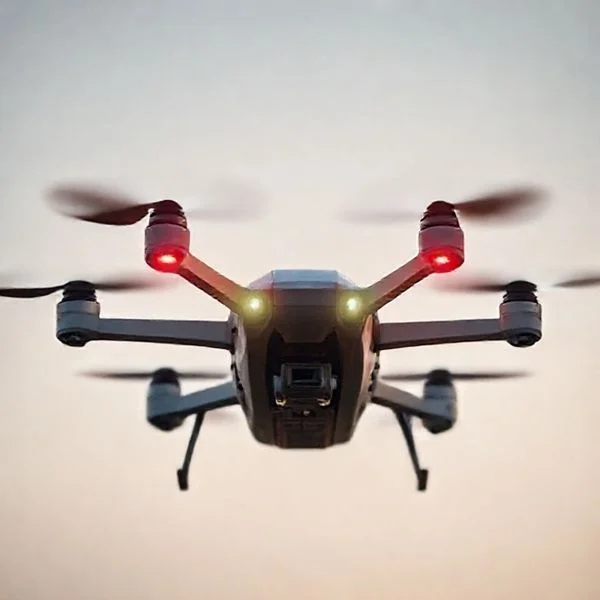
This matters because it solves the two biggest hurdles in modern robotics: limited battery life and signal range. By serving as a localized “nest,” the mothership carries smaller drones to a target area, launches them to perform specific tasks, and then retrieves them for refueling or data offloading. This setup allows you to project power or surveillance capabilities over massive distances without the logistical nightmare of setting up multiple ground stations.
Core Functionality: How Drone Motherships Operate


The core operation of a drone mothership follows a “hub-and-spoke” model. The mothership provides the heavy lifting, long-distance propulsion, and high-gain communications, while the “parasite” drones handle specialized tasks like localized sensing, delivery, or tactical interference. This relationship maximizes the strengths of both platforms while minimizing their individual weaknesses.


Automated Launch and Recovery Mechanics
The most complex aspect of a mothership is the physical “handshake” during launch and recovery. In aerial motherships, this often involves sophisticated mechanical cradles or towed recovery cables. For ground or naval platforms, the process typically relies on precision-automated landing pads. These systems must account for relative movement, wind turbulence, and the limited power of the smaller drones.
- Pneumatic and Rail Launchers: Many motherships use compressed air or electromagnetic rails to “fire” drones into the air. This saves the drone’s internal battery for the mission rather than wasting it on the high-energy takeoff phase.
- Mid-Air Capture: Specialized recovery drones or “flying traps” use nets or magnetic docking ports to snag smaller units mid-flight. This allows the mothership to maintain its cruising speed without forcing the smaller drones to land on a stationary target.
- Inductive Charging Hubs: Once a drone returns to its slot on the mothership, integrated wireless charging plates begin replenishing the battery immediately, preparing the unit for its next sortie without human intervention.
Swarm Orchestration and Data Processing


A mothership isn’t just a transport vehicle; it is a mobile data center. Small drones have limited onboard processing power. The mothership uses “edge computing” to aggregate data from the entire swarm, processing high-definition video feeds or sensor readings in real-time. It then transmits a condensed, high-priority data stream back to the human operator. This allows you to manage fifty drones as a single cohesive unit rather than fifty separate headaches. The mothership also manages “deconfliction,” ensuring that drones within the swarm don’t collide during high-speed maneuvers.


Types of Motherships: Aerial, Naval, and Ground Platforms


Motherships are categorized by the environment they operate in. Each platform offers unique strategic advantages depending on whether you are conducting a maritime search-and-rescue mission, a commercial delivery route, or a deep-penetration military reconnaissance flight.
Aerial Motherships: The “Flying Aircraft Carriers”


Aerial motherships are usually large, high-altitude aircraft like the C-130 or specialized heavy-lift UAVs. These platforms are designed for “stand-off” operations. They stay in safe, uncontested airspace while launching smaller “attritable” drones into high-risk zones. This protects the expensive primary aircraft and the human crew while allowing the smaller, cheaper drones to complete dangerous tasks. For example, the gremlins” target=”_blank” rel=”noopener noreferrer” title=”DARPA Gremlins program for drone launch and recovery”>DARPA Gremlins program demonstrated the ability to recover multiple drones into the cargo bay of a moving aircraft, effectively creating a persistent, reusable swarm capability.


Naval and Ground-Based Carriers

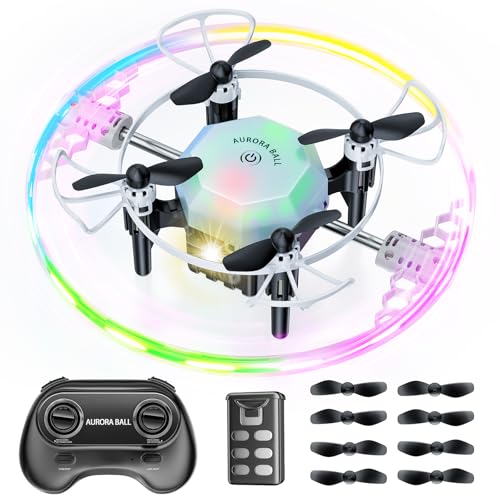

On the ground and at sea, motherships serve as persistent bases of operation that can stay on-station for weeks. Naval motherships, or Unmanned Surface Vessels (USVs), can deploy “packages” of underwater drones (UUVs) to map the ocean floor or aerial drones for horizon-scanning. Ground-based motherships are often autonomous trucks that act as mobile warehouses.
- Naval Saturation: A single naval mothership can deploy a swarm of forty drones to saturate an area, making it impossible for traditional radar to track every individual threat.
- Commercial Logistics: In the commercial sector, delivery companies use “delivery hubs” on wheels. A truck drives to a neighborhood, and five drones launch from the roof to deliver packages to individual doorsteps simultaneously, drastically reducing “last-mile” delivery times.
- Mission Persistence: Ground motherships carry massive fuel reserves or battery arrays. By rotating drones through the hub for charging, you can maintain a constant 24/7 “eye in the sky” over a specific location without ever having a gap in coverage.
Strategic Advantages: Range Extension and Swarm Coordination


The primary hurdle for most small-scale drones is endurance. Battery life typically caps flight times at thirty minutes, limiting the scope of any given mission. A drone mothership solves this by acting as a mobile “hub,” allowing smaller craft to preserve their energy for the final objective rather than the journey there. By transporting the fleet closer to the target zone, the mothership effectively doubles or triples the operational radius of the entire system.

Solving the Range Anxiety Problem
In large-scale operations, like inspecting offshore wind farms or expansive agricultural land, the “hub and spoke” model is king. The mothership handles the long-distance transit, while the smaller drones perform the intricate, close-up work. This setup ensures that the drones arrive at the site with a full charge, ready for maximum performance.
- Extended Loiter Time: Drones can stay on-site longer because they didn’t waste power getting there.
- Reduced Downtime: Many motherships feature hot-swapping capabilities, where drones are recharged or rearmed immediately upon landing.
- Data Relay: The mothership often carries more powerful antennas, acting as a signal booster for drones operating deep in “dead zones.”
Swarm Coordination and Intelligence
Beyond logistics, the mothership serves as the “brain” for swarm intelligence. Managing twenty drones simultaneously is impossible for a single human pilot. The mothership uses localized edge computing to assign tasks, prevent mid-air collisions, and synthesize data from multiple sources into a single, cohesive map or report. Practical Tip: When evaluating swarm systems, look for motherships that offer automated “task-allocation” software to reduce operator fatigue.
Future Outlook: Commercial Logistics vs. Military Defense Applications


As we look toward the horizon, drone motherships are evolving into two distinct paths: high-speed commercial delivery and tactical defense. While the technology is similar, the environments couldn’t be more different. We are moving away from “experimental” prototypes and toward standardized platforms that will soon become a common sight in our skies and on our roads.

Redefining “Last Mile” Delivery
In the commercial sector, the “mothership” is often a specialized delivery van or an autonomous truck. Companies like UPS and Amazon are testing systems where a truck drives to a neighborhood and launches a fleet of drones to deliver individual packages. This eliminates the need for the van to stop at every single house, drastically reducing traffic congestion and carbon emissions.
- Example: A grocery delivery truck acting as a landing pad for four drones to deliver eggs and milk to different blocks simultaneously.
- Benefit: Faster delivery windows and lower fuel costs for logistics providers.
- Current Challenge: Navigating complex urban FAA regulations for multi-drone flights.
Tactical Superiority in Defense
On the defense side, the mothership concept is shifting to the air. Large, high-altitude aircraft are being designed to launch and recover “loitering munitions” or surveillance drones mid-flight. This allows for rapid deployment in contested environments where ground-based launches would be too dangerous. These aerial carriers can saturate an area with sensors, providing real-time battlefield intelligence without risking a human pilot’s life.
Conclusion
Drone motherships represent the next great leap in autonomous technology. By moving away from single-drone operations and toward integrated, carrier-based systems, we are unlocking new levels of efficiency and range. Whether it is a delivery van launching packages or a high-tech aerial platform coordinating a search-and-rescue swarm, the “hub and spoke” model is the future of the industry.
Next Steps: To stay ahead of the curve, keep an eye on multi-agent orchestration software and local regulations regarding autonomous swarm operations. If you are a hobbyist or a professional pilot, now is the time to start learning about automated landing systems, as these will be the foundational skill for interacting with future mothership platforms. The world of drones is growing—make sure you’re ready to fly with the fleet!
❓ Frequently Asked Questions
How does a drone mothership improve mission persistence?
By providing a mobile ‘home base,’ it allows drones to return for recharging or maintenance without returning to a distant land base. This enables 24/7 surveillance or logistics operations in remote or hostile areas.
What is the difference between a mothership and a standard carrier?
While the terms are often used interchangeably, a mothership typically includes advanced command-and-control capabilities to coordinate autonomous swarm behavior. It functions as a nerve center, not just a transport rack.
What are the main challenges in developing aerial motherships?
The primary difficulties involve the aerodynamics of mid-air recovery and the significant power requirements needed to lift both the carrier and its payload. Managing the turbulence created by the mothership during drone docking is also a major engineering hurdle.
How do military drone motherships change modern warfare?
They allow for ‘distributed lethality’ where a single expensive platform stays safe while deploying dozens of low-cost, expendable drones. This overwhelms enemy defenses through sheer numbers and coordinated electronic warfare.
Can ground-based vehicles act as drone motherships?
Yes, many autonomous ground vehicles are designed to carry small quadcopters to scout terrain or deliver small items in urban environments. This ‘last-yard’ solution bridges the gap between road transport and inaccessible locations.
Is swarm technology required for a mothership to work?
While not strictly required, swarm technology maximizes the utility of a mothership by allowing one carrier to manage multiple drones simultaneously. Without swarm AI, the operator would be limited by how many drones they can manually pilot.

Similar Posts