Drone Pilot Summary Of What They Do
Commercial UAV Pilot & Aerial Cinematography Specialist at Drone Nestle · FAA Part 107 Remote Pilot Certification, Commercial UAS Operations · 10+ Years in Commercial UAV Operations, Flight Hardware Benchmarking & 4K Aerial Cinematography
drone pilot summary of what they do is an essential topic with practical applications and significant benefits. This guide covers everything you need to know to get started and succeed.
🎯 Key Takeaways
- Understanding drone pilot summary of what they do:Essential knowledge for success in this area
- Practical applications:Real-world scenarios and proven use cases
- Key benefits:Significant advantages when implemented correctly
- Best practices:Important guidelines and expert recommendations
- Future trends:Evolving landscape and emerging opportunities
A professional drone pilot serves as a high-tech data collector and precision navigator. Their primary role is to operate unmanned aerial vehicles (UAVs) to gather visual or multispectral information that would be dangerous, expensive, or impossible to obtain from the ground. Whether you are inspecting a bridge or mapping a construction site, your job is to translate a client’s data needs into a safe, repeatable, and accurate flight mission.


Understanding these responsibilities is critical because the industry is shifting away from simple photography toward complex technical deliverables. Pilots must master a workflow that balances regulatory compliance with the physical mechanics of flight. When you understand the daily operational expectations, you can provide more value to your clients by ensuring every flight minute produces actionable business insights rather than just “cool” footage.
Understanding drone pilot summary of what they do


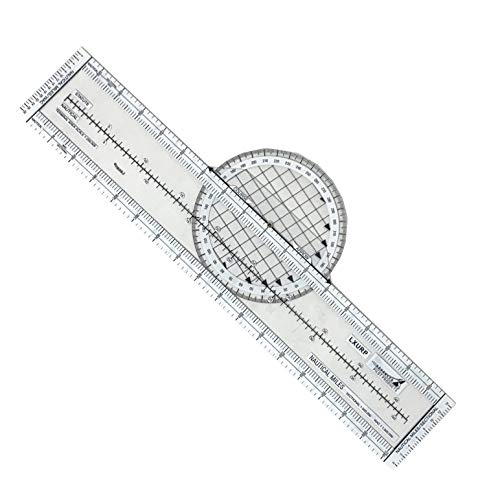
The daily life of a drone pilot revolves around a structured operational workflow. It starts long before the propellers spin up. A pilot’s primary duty is site assessment and risk management. You must evaluate the physical environment for obstacles like power lines, trees, or tall structures. Simultaneously, you check airspace classifications and temporary flight restrictions (TFRs) to ensure the mission is legal and safe. This technical preparation ensures that the actual flight is the least stressful part of your day.


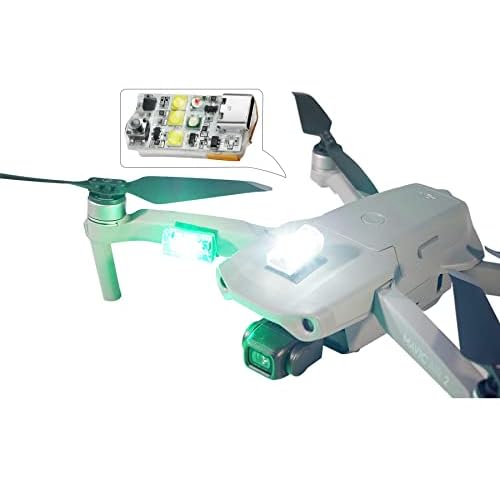

Pre-Flight Planning and Site Assessment
Before leaving the office, a pilot uses software to plan the mission’s geometry. This involves defining the specific area of interest and determining the necessary altitude to achieve the required Ground Sampling Distance (GSD). For example, a mapping mission might require a 70% front-lap and 60% side-lap between photos to create a seamless 3D model. On-site, the pilot performs a final ground check to ensure the takeoff and landing zones are clear and that GPS signal strength is sufficient for stable flight.
- Weather Evaluation: Monitoring wind speeds, gust factors, and cloud ceilings to ensure equipment safety.
- Airspace Authorization: Securing LAANC (Low Altitude Authorization and Notification Capability) approvals for controlled airspace.
- Ground Control Points (GCPs): Laying physical markers on the ground to ensure the drone’s data aligns with real-world geographic coordinates.
- Hardware Readiness: Checking battery health, firmware updates, and SD card capacity for the specific sensors needed.
Active Flight Operations and Data Acquisition
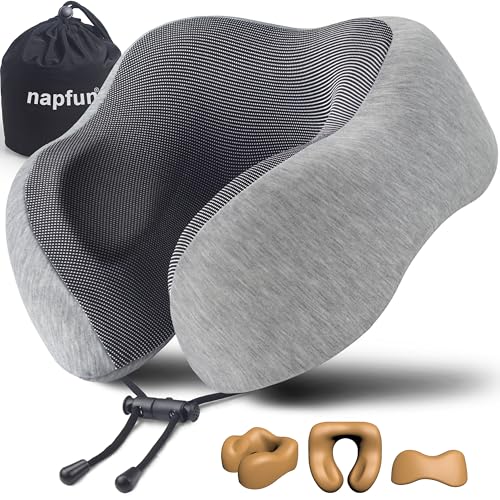


During the flight, the pilot is responsible for maintaining Visual Line of Sight (VLOS) while monitoring telemetry data. You are not just “flying”; you are managing a flying computer. You must monitor battery voltage, satellite counts, and signal interference in real-time. In many industrial applications, the drone flies an autonomous path, but the pilot must be ready to take manual control instantly if an unexpected aircraft or bird enters the area. The goal is consistent data capture, ensuring the sensor captures every required angle without gaps.


Key Benefits of drone pilot summary of what they do


The core benefit of a drone pilot’s work is the radical improvement in safety and data density. By performing tasks that previously required scaffolding, cranes, or manned helicopters, you eliminate the risk to human life. Furthermore, the speed at which a drone can cover a large area is unmatched. A task that takes a ground crew two days can often be completed by a drone pilot in twenty minutes, providing a massive return on investment for the client.
Enhanced Safety and Risk Mitigation


One of the most valuable things a drone pilot does is “keep boots on the ground.” In industries like energy or telecommunications, inspecting a 300-foot tower usually involves a climber. By using a drone with a high-zoom thermal camera, the pilot can identify a faulty component from a safe distance. This specialized workflow reduces insurance premiums and prevents workplace accidents. The pilot provides a high-resolution “digital twin” of the asset, allowing engineers to analyze the data from the safety of an office.


- Hazard Identification: Spotting structural cracks or thermal leaks without physical contact.
- Reduced Downtime: Inspecting live infrastructure (like flare stacks) without shutting down operations.
- Accurate Documentation: Creating a date-stamped visual record for compliance and legal audits.
- Rapid Response: Deploying quickly after storms to assess damage in areas that are inaccessible by vehicle.
Data Precision and Professional Deliverables


The modern drone pilot is a specialist in precision. You provide more than just pictures; you provide measurable data. In construction, this might mean calculating the volume of a stockpile within a 1-2% margin of error. In agriculture, it means using multispectral sensors to identify crop stress before it is visible to the naked eye. The benefit you provide is the ability to turn “aerial views” into “spatial intelligence.” This allows companies to make faster, more confident decisions based on current, accurate facts.
By focusing on these daily operational tasks and high-value outputs, a drone pilot moves from being a “hobbyist with a license” to an essential technical asset for any modern enterprise. You provide the bridge between the physical world and digital analysis, making operations safer and more efficient every time you take off.
How to Get Started with drone pilot summary of what they do

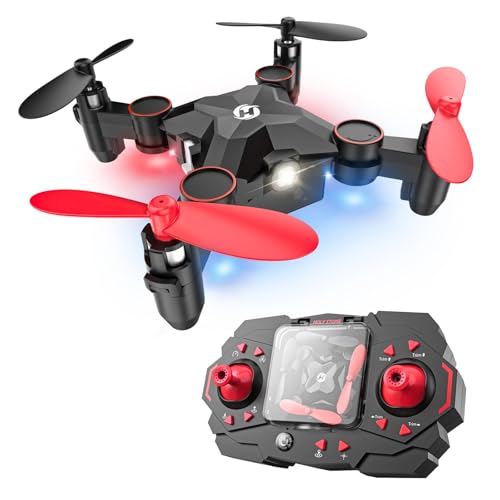

Entering the world of professional drone operation requires more than just a passion for flight. To truly master a drone pilot summary of what they do, you must first identify which industry aligns with your skills. Whether you are interested in the cinematic sweeping shots of real estate or the technical precision of industrial inspections, starting with a clear focus will dictate your equipment needs and training path.

Identifying Your Niche and Essential Gear
Every niche requires a specific set of tools and a different approach to flight. A real estate pilot focuses on aesthetics and lighting, while an agricultural pilot looks for data accuracy and multi-spectral imaging. Before you take your first commercial flight, you need to curate an accessory kit that supports your specific “summary” of services.
- Filters: Essential for cinematic pilots to control shutter speed and reduce glare.
- High-Capacity Memory Cards: Crucial for technical pilots who record hours of 4K data.
- Signal Boosters: Important for those working in dense urban environments or remote search-and-rescue areas.
- Landing Pads: Vital for protecting sensitive camera gimbals from dust and debris during take-off in rugged terrain.
Building a Professional Portfolio
The best way to demonstrate a drone pilot summary of what they do is through a visual reel. Potential clients want to see the quality of your work before they discuss your flight hours. Start by capturing diverse environments—urban, natural, and industrial—to show your versatility. Focus on smooth movements and technical accuracy to prove you can handle high-stakes assignments without compromising safety or quality.


Best Practices for drone pilot summary of what they do


Maintaining a high standard of professionalism is what separates a hobbyist from a career pilot. Excellence in this field is built on a foundation of consistency, foresight, and attention to detail. By following industry best practices, you ensure that every flight is not only productive but also builds your reputation for reliability.
Prioritizing Environmental Awareness
A professional drone pilot never flies “blind.” Understanding the environment is a core part of the job summary. This involves more than just looking at the sky; it requires analyzing data to ensure the mission can be completed successfully. Professionals always keep the following factors at the forefront of their planning:
- Weather Monitoring: Checking wind speeds at various altitudes, not just on the ground.
- Airspace Clearance: Utilizing digital tools to verify flight permissions and local restrictions.
- Battery Management: Calculating “return-to-home” margins carefully to account for unexpected head-winds.
- Site Surveys: Identifying physical hazards like power lines, bird nesting areas, or tall structures before the drone even leaves the ground.
Refining Post-Flight Deliverables
The work doesn’t end when the drone lands. A significant part of the drone pilot summary of what they do involves the processing and delivery of the data captured. Delivering raw footage is rarely enough; clients expect a polished, professional product that they can use immediately. This might mean basic color grading for videographers or generating detailed 3D maps for construction clients. Focusing on the final presentation ensures that your value as a pilot is clearly communicated through the quality of the data you provide.
Conclusion
Becoming a professional drone pilot is a journey that blends technical proficiency with creative problem-solving. As we have seen, the drone pilot summary of what they do involves everything from intricate flight planning and niche specialization to the careful maintenance of high-end accessories. By focusing on both your flight skills and your professional presentation, you can carve out a successful career in this rapidly growing industry. To move forward, start by identifying your preferred niche and investing in the specific accessories that will elevate your work. Take the first step today by building your portfolio and showcasing the unique perspective only a skilled pilot can provide.
❓ Frequently Asked Questions
What exactly is drone pilot summary of what they do?
drone pilot summary of what they do encompasses proven concepts and methodologies that help you achieve better results. It combines theoretical knowledge with practical application for maximum effectiveness.
How can drone pilot summary of what they do benefit me?
Understanding and applying drone pilot summary of what they do principles improves your skills, opens new opportunities, and helps you achieve your goals more efficiently.
What resources do I need to get started?
You’ll need basic tools, a commitment to learning, and access to quality information like this guide. Start with fundamentals before advancing to complex topics.
Is this suitable for complete beginners?
Absolutely! This guide is designed to take you from beginner to proficient. Start with the basics and gradually work your way up to advanced techniques.
How do I measure my progress?
Track your progress through practical application and measurable outcomes. Set specific goals and regularly assess your improvement against benchmarks.
Where can I learn more after this guide?
Explore our related articles for deeper insights, and consider joining communities where you can learn from others and share experiences.

Similar Posts