How Long Does It Take to Get a Drone License? (Part 107)
Commercial UAV Pilot & Aerial Cinematography Specialist at Drone Nestle · FAA Part 107 Remote Pilot Certification, Commercial UAS Operations · 10+ Years in Commercial UAV Operations, Flight Hardware Benchmarking & 4K Aerial Cinematography
Obtaining a commercial drone license typically takes 2 to 4 weeks from starting your studies to receiving your temporary certificate. The process requires roughly 15-20 hours of dedicated study time followed by a 6-10 business day wait for FAA background processing.
🎯 Key Takeaways
- Plan for 15-20 hours of study time to pass the Part 107 exam.
- Schedule your testing appointment 1-7 days in advance for best availability.
- Temporary certificates are usually issued 6-10 business days after passing the test.
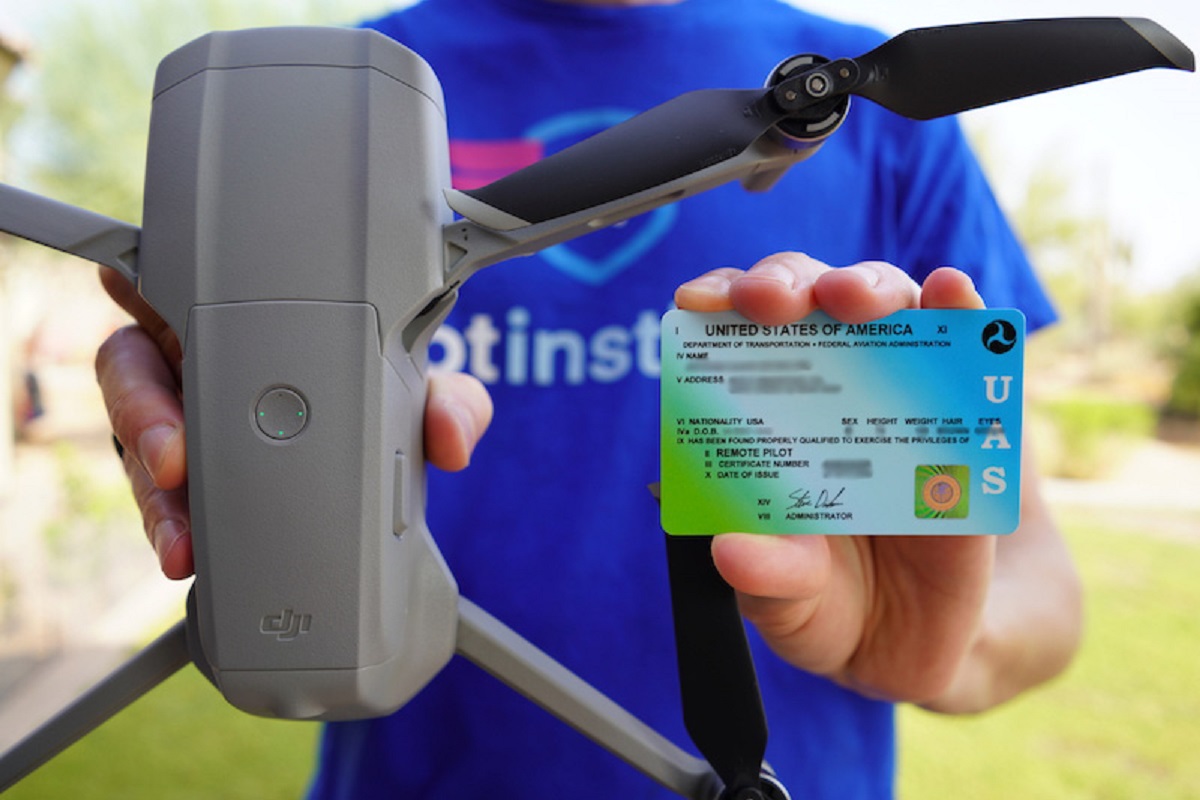
- The physical plastic license card can take 60-90 days to arrive by mail.
- An FAA Tracking Number (FTN) is required before you can book your exam.
If you are looking for a quick answer, you can expect the entire process of obtaining your FAA Part 107 commercial title=”drone regulation in the United States”>drone license to take between three and four weeks from start to finish. This timeline covers everything from the moment you open your first study guide to the day you receive your temporary certificate via email. While the actual flight test doesn’t exist for this license, the “flight” you must navigate is a series of administrative hurdles and a rigorous 60-question aeronautical knowledge exam.

Understanding this timeline is critical for your business planning. You cannot legally accept payment for drone services, use a drone for your employer, or even fly in furtherance of a business without this certificate. Because the FAA and TSA background checks have fixed processing times that you cannot “rush,” knowing exactly when to start your application ensures you don’t miss out on lucrative contracts or project deadlines due to a lack of credentials.
Core Factors Influencing the Drone Licensing Timeline
While the three-to-four-week window is standard, your personal timeline may fluctuate based on logistics and your existing knowledge. The two biggest variables are where you live and how you choose to prepare. Unlike a standard driver’s license, you cannot simply walk into a DMV; you must interface with a specialized testing network and federal databases.
Regional Testing Availability and Scheduling
The FAA uses a third-party company called PSI to administer the Part 107 exam. The time it takes to actually sit for the test depends heavily on the density of testing centers in your area. In major metropolitan hubs, you can often find a testing slot within 48 hours. However, in rural areas, you might only have one center within a 100-mile radius, and they may only offer testing on specific days of the week.
- Urban Areas: 1–3 days lead time for scheduling.
- Rural Areas: 5–10 days lead time for scheduling.
- Peak Seasons: Late spring and early summer often see a surge in applicants, which can push scheduling out by a full week.
Your Learning Pace and Study Method
Your “time to license” is largely dictated by how you digest technical information. If you have a background in aviation or emergency services, you might grasp sectional charts and weather reports in a single afternoon. For most people, a “slow and steady” approach over 10 to 14 days is more effective than a weekend cram session. Attempting the exam too early and failing results in a mandatory 15-day waiting period before you can retest, which effectively doubles your total certification timeline.
Breakdown of Study Time vs. Administrative Processing
To hit your goal of becoming a licensed pilot, you need to view the process as two concurrent tracks: the intellectual track (learning the material) and the administrative track (clearing the FAA’s bureaucratic hurdles). If you don’t start the administrative track early, you will be left waiting for computer systems to sync even after you have mastered the material.
The 15-to-20 Hour Study Commitment
Most successful applicants report spending between 15 and 20 hours of focused study time to pass the exam on the first attempt. This isn’t just “reading”; it involves memorizing airspace classifications, understanding lateral and vertical limits, and learning how to read METAR weather reports. A typical high-efficiency study schedule looks like this:
- Phase 1 (5–7 Hours): Mastering Airspace and Sectional Charts. This is the most time-consuming part of the curriculum.
- Phase 2 (4–5 Hours): Regulations, Operating Rules, and Weight/Balance. This is largely memorization-based.
- Phase 3 (3–4 Hours): Weather, Loading, and Radio Communications.
- Phase 4 (3–4 Hours): Practice Exams. You should not schedule your real test until you are consistently scoring 85% or higher on practice runs.
The Administrative Paperwork Loop (FTN and IACRA)
Before you can even book your exam at a PSI center, you must register for an FAA Tracking Number (FTN) through the Integrated Airman Certification and Rating Application (IACRA) website. This is a non-negotiable step that many beginners overlook until the last minute. Registering for your FTN takes about 20 minutes, but it is the “key” that unlocks the rest of the process.
Once you pass your exam, the testing center uploads your results to the FAA, which can take 24 to 48 hours. Only after those results appear in the system can you log back into IACRA to submit your final application. This triggers the TSA background check, which is the longest “quiet” period in the timeline. You are essentially waiting for the federal government to verify your identity and confirm you aren’t a security risk. This background check typically clears in 6 to 10 business days, at which point your temporary, printable certificate is issued.
FAA Processing Windows and TSA Background Check Durations
Passing your aeronautical knowledge test is a huge milestone, but the clock doesn’t stop the moment you walk out of the testing center. Once you have that passing score, the “administrative phase” begins. This is where the Federal Aviation Administration (FAA) and the Transportation Security Administration (TSA) take the reins to verify your identity and background.
The Digital Handshake: IACRA and Your Temporary Certificate
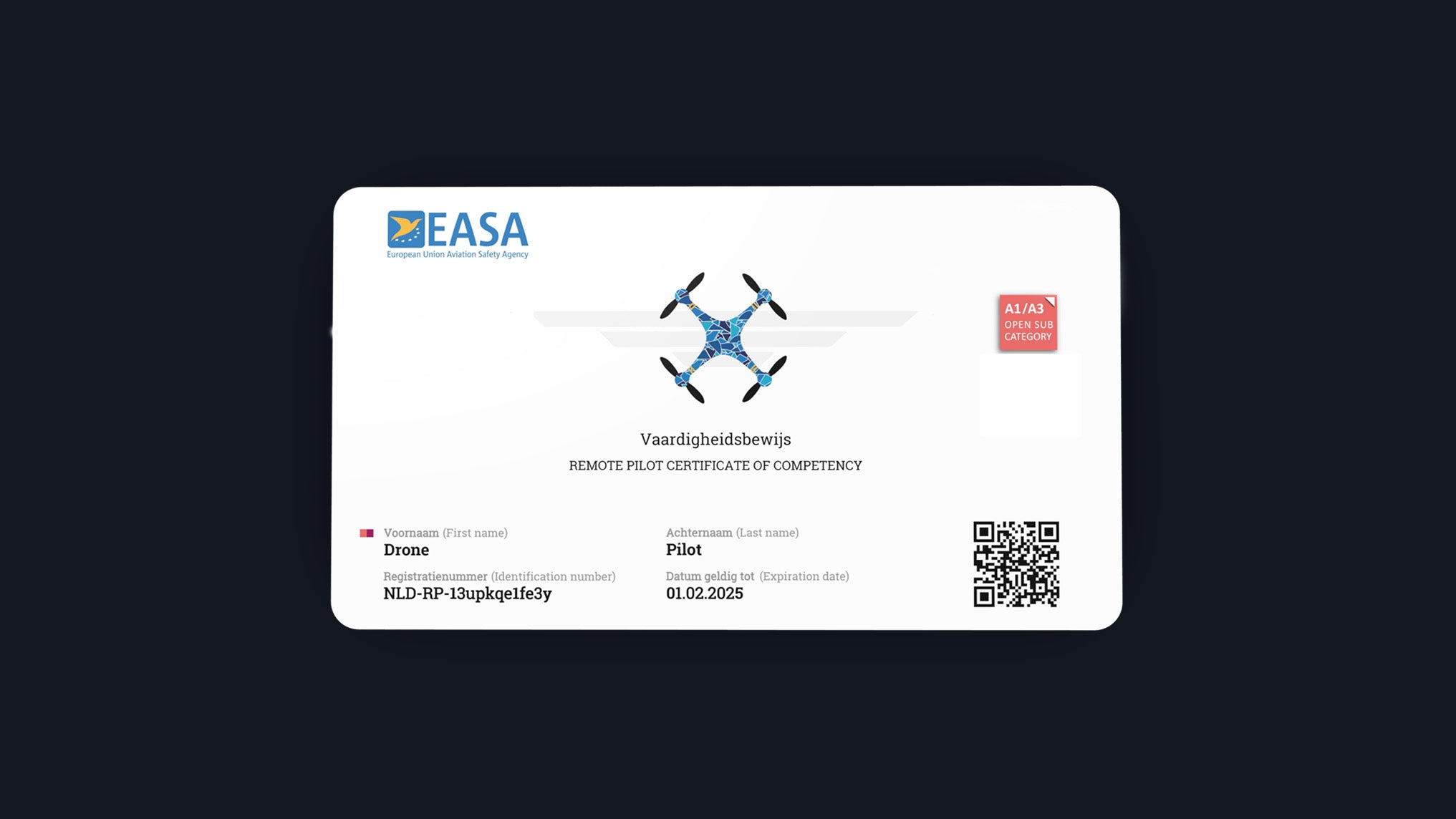
After you pass the exam, it typically takes about 48 to 72 hours for your test results to sync with the Integrated Airman Certification and Rating Application (IACRA) system. You cannot apply for your actual license until this data transfer is complete. Once you submit your application through the portal, the TSA begins a background check. For most applicants, a temporary digital certificate is issued within 7 to 10 business days. This temporary permit allows you to fly commercially immediately while you wait for your permanent card.
Factors That Influence TSA Clearance Times
The TSA background check is generally automated, but certain factors can lead to delays. While most people breeze through in a week, some wait up to a month. Common reasons for longer wait times include:
- Common Names: If you share a name with someone on a watch list, manual verification may be required.
- Inconsistent Documentation: Discrepancies between your testing ID and your IACRA profile can trigger a manual review.
- Government Backlogs: During peak seasons or federal holidays, processing windows often stretch by an extra few days.
Comparing Fast-Track Preparation vs. Standard Pace Options
The biggest variable in your Part 107 timeline is how you choose to study. Because the exam covers complex topics like sectional charts, weather METARs, and radio communications, the “cram factor” depends entirely on your existing knowledge and learning style.
The “Bootcamp” Approach (48–72 Hours)
If you are in a time crunch—perhaps for a specific job opportunity—the fast-track method is possible. This involves dedicated, 8-hour study days focused purely on practice exams and memorization. Professional pilots or those with aviation experience often choose this route. While efficient, the risk here is “brain dump” syndrome, where you pass the test but struggle to apply the rules in real-world flight scenarios. This approach is best for those who can commit a full weekend to nothing but drone regulations.
The “Deep Dive” Method (2–4 Weeks)
For most enthusiasts and entrepreneurs, a 2-to-4-week window is the gold standard. This allows for roughly 1 hour of study per night. This pace is highly effective because it allows for spaced repetition, which helps you actually understand airspaces rather than just memorizing chart symbols. Practical tip: If you choose this route, schedule your exam date the day you start studying. Having a fixed deadline on the calendar provides the necessary pressure to stay consistent with your reading.
- Fast-Track: 15-20 hours of study compressed into 2-3 days.
- Standard Pace: 20 hours of study spread across 21 days.
- The “Safety Buffer”: Always account for 3-5 days of lead time when booking your slot at a Knowledge Testing Center.
Conclusion
In total, you should expect the journey from opening your first study guide to holding a temporary Part 107 license to take anywhere from two to six weeks. While the actual exam only takes two hours, the combination of thorough preparation and federal processing times means you cannot get licensed overnight. By choosing a study pace that fits your lifestyle and accounting for the TSA’s background check window, you can avoid the stress of missed deadlines.
Your next steps: Pick a target date for your exam and look up the nearest testing center. Once you have that date locked in, you can work backward to build a study schedule that ensures you pass on your first attempt. The sky is waiting—get your paperwork started today!
❓ Frequently Asked Questions
Does previous aviation experience shorten the timeline?
Yes, current Part 61 certificate holders can complete a free online FAA course in about 2 hours and receive their license almost immediately.
What causes the biggest delays in getting a drone license?
The primary delays are usually testing center seat availability and the time it takes for the TSA to complete the mandatory background check.
How long does the physical drone license take to arrive in the mail?
The FAA generally takes between 6 to 12 weeks to mail the permanent plastic card after your temporary certificate is issued.
How much time should I dedicate to practice exams?
Most successful applicants spend at least 3-5 hours of their total study time specifically on practice exams to build confidence and speed.
Is there a way to expedite the FAA background check?
No, the TSA background check and FAA application review follow a set security protocol and cannot be expedited for an additional fee.
Does the license expire or require renewal?
The Part 107 certificate does not expire, but you must complete free online recurrent training every 24 months to maintain your flight currency.

Similar Posts