What Does a Drone Bee Do? The Role of Male Bees Explained
The primary role of a drone bee is to mate with a virgin queen to ensure the genetic diversity and survival of the honeybee colony. Unlike female workers, drones do not possess stingers or the ability to collect nectar, making them specialized biological ‘fliers’ focused solely on reproduction.
🎯 Key Takeaways
- Drones exist primarily to provide genetic material to queens during mating flights.
- They lack stingers, wax glands, and pollen baskets found in worker bees.
- Massive compound eyes allow drones to spot queens from great distances in flight.
- A drone dies immediately after a successful mating encounter with a queen.
- Workers forcibly evict drones from the hive before winter to conserve food stores.
A drone bee exists for one primary purpose: to mate with a virgin queen. Unlike the female worker bees that forage for nectar, build wax combs, and defend the hive, drones perform no manual labor. They do not collect pollen, they do not produce honey, and they lack the physical tools to protect the colony. Their entire biological design is centered on a single high-stakes mission to ensure the genetic survival of the honeybee species through successful reproduction.




Understanding the drone’s role is essential for anyone interested in the complex social structure of a beehive. While they may seem like “freeloaders” because they consume significant amounts of honey without contributing to the winter stores, they are the vital link in genetic diversity. Without the drone, a queen cannot fertilize her eggs, and the colony would collapse within a single generation. Their presence is a sign of a healthy, thriving hive that can afford to support these specialized male specialists.
The Singular Biological Purpose of the Drone Bee
In the world of the honeybee, the drone is the ultimate specialist. His life is defined by waiting and preparing for a brief window of opportunity to pass on his genes. During the spring and summer months, a healthy colony will raise several hundred to a few thousand drones. While they spend their mornings inside the hive being fed by workers, their afternoons are spent in the sky, patrolling specific zones in hopes of intercepting a queen on her nuptial flight.


The High-Stakes World of Drone Congregation Areas (DCAs)
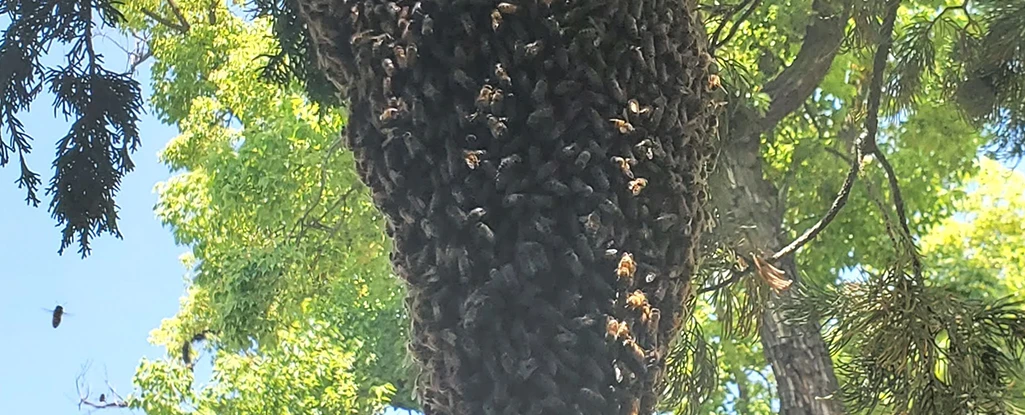
Drones do not fly aimlessly looking for a mate. Instead, they gather in specific geographic locations known as Drone Congregation Areas (DCAs). These are invisible boundaries in the sky, often 30 to 100 feet above the ground, where thousands of drones from different hives converge. Interestingly, these locations remain the same year after year, even though no drone survives the winter to “teach” the new generation where to go. Scientists believe drones use magnetic landmarks or visual cues to find these mating hubs.
- Range: Drones will travel up to 2 or 3 miles away from their home hive to reach a DCA.
- Safety in Numbers: Gathering in large groups increases the chances that a queen will find a mate quickly, reducing her exposure to birds and other predators.
- Genetic Mixing: By meeting in a common area, drones ensure that queens mate with males from different colonies, preventing the dangerous effects of inbreeding.
The Nuptial Flight: A One-Way Mission
When a virgin queen flies through a DCA, she releases a powerful pheromone that sends the drones into a frenzy. They form a “drone comet,” chasing her at high speeds. Only the fastest, strongest, and most persistent drones will successfully reach her. A queen will typically mate with 10 to 20 different drones during her flight. However, for the drone, success is a death sentence. The mating process is explosive and fatal, as his reproductive organs are ripped from his body upon completion. He falls to the ground and dies almost instantly, having fulfilled his life’s only goal.
Anatomical Differences: Why Drones Can’t Forage or Sting
A drone bee looks significantly different from a worker bee because his body is built for aerial pursuit rather than domestic labor. If you look at a drone, you will notice he is much larger, broader, and more “boxy” than the slender worker bees. He is also much louder; the deep, heavy buzz you hear in a garden often comes from a drone passing by. These physical traits are not just aesthetic; they are functional adaptations that prioritize speed and vision over everything else.


Built for Observation, Not Defense
The most striking feature of a drone bee is his massive compound eyes. While a worker bee has eyes on the sides of her head, a drone’s eyes are so large they meet at the top, a condition known as “holoptic.” These eyes contain roughly 8,000 facets (ommatidia), compared to the 4,000 to 5,000 facets found in a worker bee. This enhanced vision allows them to spot a queen’s silhouette against the bright sky from a great distance.
- No Stinger: Drones are completely defenseless. They lack a stinger, which is a modified ovipositor found only in females. You can pick up a drone with your bare hands, and he cannot hurt you.
- Power over Protection: Because they lack a stinger and venom sac, they have more internal space for powerful flight muscles and reproductive organs.
- Blunt Abdomen: Instead of the pointed tail of a worker, a drone has a rounded, blunt abdomen that gives him a “bumblebee-lite” appearance.
The Missing Tools for Hive Labor
A drone is biologically incapable of “working” for the hive in the traditional sense. Even if a drone wanted to help gather nectar, he couldn’t. His tongue (proboscis) is too short to reach the nectar inside most flowers. Furthermore, his legs lack “pollen baskets” (corbiculae), the specialized concave structures that workers use to pack and carry pollen back to the hive. He also lacks the wax glands required to build comb and the brood-feeding glands (hypopharyngeal glands) needed to care for larvae.
This lack of equipment means the drone is entirely dependent on his sisters. For much of his life, he wanders the hive, begging for food from workers or dipping into open honey cells. He is essentially a “flying gamete,” a biological vessel designed to transport genetic material from his mother’s hive to a new colony. Every part of his anatomy that doesn’t contribute to flight or mating has been stripped away by evolution to maximize his efficiency in the air.
Understanding Drone Congregation Areas (DCAs) and Mating Flights
Unlike worker bees that spend their days foraging among flowers, drones have a very specific “office” they commute to: the Drone Congregation Area (DCA). These are invisible hubs in the sky where hundreds, or even thousands, of drones from various colonies gather to wait for a virgin queen. Interestingly, these locations often remain the same year after year, even though no drone survives the winter to show the new generation where to go.

The High-Speed Aerial Pursuit
When a virgin queen flies into a DCA, the atmosphere changes instantly. The drones detect her pheromones and begin what beekeepers call a “drone comet.” This is a high-speed chase where drones compete to be the first to reach her. Because drones have massive compound eyes that meet at the top of their heads, they are perfectly evolved for this mid-air tracking.
- Speed and Agility: Drones are built for power, allowing them to maneuver quickly in 3D space to keep up with a fast-moving queen.
- Visual Precision: Their oversized eyes allow them to spot a queen against the bright sky from a significant distance.
- The Ultimate Sacrifice: Mating is a “one and done” event for the drone. The process is so physically explosive that the drone dies immediately afterward.
Tips for Spotting DCAs
If you are a nature enthusiast or a photographer using high-speed equipment, finding a DCA is a rewarding challenge. Look for open areas protected from the wind, usually 20 to 100 feet above the ground. You might hear a distinct, deep hum—much louder than a single bee—coming from the sky. Using a pair of high-quality binoculars on a bright, sunny afternoon is often the best way to witness this fascinating biological event without disturbing the flight path.
The Seasonal Lifecycle: Why Drones Face Winter Eviction
The life of a drone is one of luxury during the spring and summer, but it takes a dark turn as the nectar flow slows down. Because drones do not forage, clean the hive, or nurse the young, they are considered a “drain” on resources once the mating season ends. When the colony begins preparing for the harsh winter months, the worker bees make a cold, calculated decision: the drones have to go.
The Brutal Truth of Autumn
As temperatures drop and food becomes scarce, worker bees will physically prevent drones from entering the hive. You might see workers tugging at a drone’s wings or pushing him toward the entrance. Since drones cannot feed themselves effectively and have no stingers to fight back, they eventually perish from exposure or hunger. It seems harsh, but this “eviction” ensures the colony has enough honey to keep the queen and worker bees alive until spring.
- Resource Management: A single drone consumes as much food as several workers; removing them saves vital winter stores.
- Temperature Control: Fewer bodies in the hive make it easier for the workers to maintain the “winter cluster” around the queen.
- Genetic Refresh: In the spring, the queen will begin laying drone eggs again to start a fresh cycle with new genetic potential.
What Drones Tell You About Hive Health
For those monitoring a hive, the presence or absence of drones is a major health indicator. If you see drones being kicked out in mid-summer, it might signal a nectar dearth (food shortage). Conversely, if you see drones in the dead of winter, it often indicates a “drone-laying queen” or a queenless colony, which requires immediate attention. Practical Tip: Always keep a log of drone activity during your hive inspections to stay ahead of potential seasonal shifts.
Conclusion
While they are often dismissed as “lazy,” drone bees play a vital role in the survival and genetic diversity of the honeybee species. From their specialized physical traits designed for high-altitude mating to the tragic nature of their seasonal eviction, their contribution is essential for a healthy ecosystem. Understanding the drone’s life cycle gives you a much deeper appreciation for the complex social structure within every hive.
The next time you hear that deep, characteristic buzz in your garden, take a moment to observe. You might just be watching a drone on his way to a congregation area! To learn more about hive dynamics or to find the best gear for observing your local bees, check out our other guides on colony behavior. What’s the most surprising thing you’ve learned about male bees today? Let us know in the comments!
❓ Frequently Asked Questions
What happens to a drone bee after it mates?
Mating is a fatal event for a drone bee; his endophallus is ripped away during the process, causing him to fall to the ground and die immediately.
Why do worker bees kick drones out in the fall?
Since drones do not contribute to food production, workers evict them as winter approaches to ensure there is enough honey for the queen and workers to survive the cold.
Do drones help with any hive duties?
While their main role is mating, some research suggests drones help maintain hive temperature by vibrating their flight muscles to generate heat.
How many drones live in a single hive?
A healthy hive usually contains a few hundred to a thousand drones during the spring and summer months when mating is possible.
Where do drones go to find a queen?
Drones fly to specific locations called Drone Congregation Areas (DCAs), which are aerial spots where males from various hives gather to wait for a virgin queen.
Can a drone bee survive on its own?
No, drones are entirely dependent on worker bees to feed them and provide a regulated environment within the hive; they cannot forage for themselves.

Similar Posts