DJI Mini 4K Drone: Specs, Features & Product Information
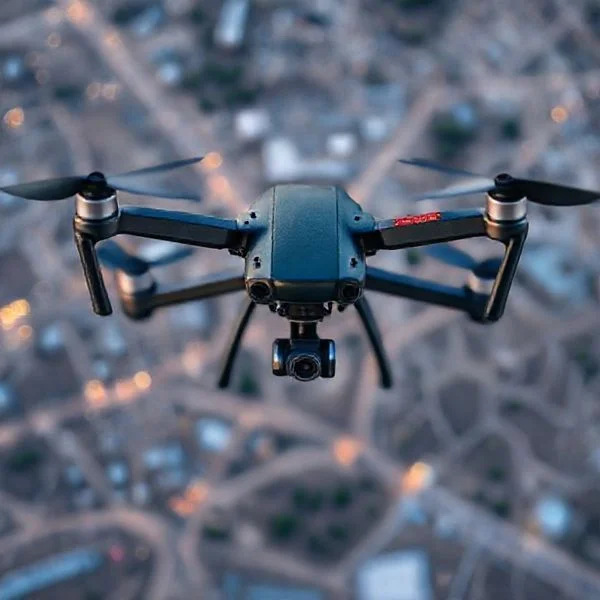
The DJI Mini 4K is a powerful entry-level drone that captures stunning 4K/30fps video while weighing less than 249 grams. This ultra-light design ensures it bypasses many drone registration requirements while offering a 31-minute flight time and 10km HD video transmission.
🎯 Key Takeaways
- Weighs under 249g, exempting it from FAA registration for recreational use.
- Records ultra-clear 4K/30fps video with a 3-axis stabilized gimbal.
- Features Level 5 wind resistance for stability in 38kph winds.
- Includes OcuSync 2.0 technology for reliable 10km video transmission range.
- Offers 31 minutes of flight time per Intelligent Flight Battery.
The DJI Mini 4K is currently the most cost-effective way to record stabilized 4K aerial footage without professional-grade costs. It delivers 4K/30fps video, a 31-minute flight time, and a 10km HD video transmission range. These specifications mean you can capture high-bitrate cinematic shots from distances that were previously reserved for drones costing twice as much.


For most users, this drone represents the “sweet spot” of value. You get the 3-axis mechanical gimbal for smooth video and the 1/2.3-inch CMOS sensor for sharp 12MP photos. Because it stays under the 249g weight limit, you can fly it in many regions without the legal headache of FAA registration or remote ID requirements for purely recreational use. It is a tool designed to get you in the air quickly while maintaining professional image quality.
Core Technical Specifications and Camera Performance
The standout feature of the DJI Mini 4K is its ability to record in 4K Ultra HD at 30 frames per second. While the previous entry-level models were capped at 2.7K, this unit provides the pixel density needed for modern 4K displays. The camera is supported by a full 3-axis mechanical gimbal, which compensates for tilt, roll, and pan. This ensures your footage remains level and shake-free, even when the drone is banking hard or fighting against the wind.


4K Video Quality and Bitrate Details
Resolution isn’t the only factor in image quality; the bitrate determines how much data is preserved in every second of footage. The DJI Mini 4K supports a max video bitrate of 100 Mbps. This high data rate reduces compression artifacts, ensuring that fine details like grass, water ripples, or tree leaves look crisp rather than “mushy” in your final edit. You also have access to various resolutions depending on your project needs:
- 4K: 3840×2160 at 24/25/30 fps
- 2.7K: 2720×1530 at 24/25/30/48/50/60 fps
- FHD: 1920×1080 at 24/25/30/48/50/60 fps
- Zoom: 2x digital zoom in 4K, 3x in 2.7K, and 4x in 1080p
The 4x digital zoom at 1080p is particularly useful for wildlife photography. It allows you to frame your subject tightly without flying too close and disturbing the environment. The sensor also supports an ISO range of 100-3200 for both photos and video, giving you manual control over exposure in different lighting conditions.
OcuSync 2.0 and Flight Endurance
The DJI Mini 4K utilizes OcuSync 2.0 transmission technology. This is a significant upgrade over the basic Wi-Fi systems found in cheaper drones. It provides a crisp 720p/30fps live feed to your phone from up to 10km (6.2 miles) away in FCC-compliant areas. This robust connection is highly resistant to interference, meaning your video feed won’t flicker or lag when flying behind obstacles or in urban environments.

Regarding flight endurance, the drone offers a 31-minute maximum flight time per battery. In real-world conditions, you can expect roughly 25-27 minutes of actual “record time” after accounting for takeoff, landing, and the return-to-home safety margin. This is achieved through a high-energy-density Intelligent Flight Battery and high-efficiency brushless motors that maximize every milliamp of power.
Physical Design, Portability, and Regulatory Advantages
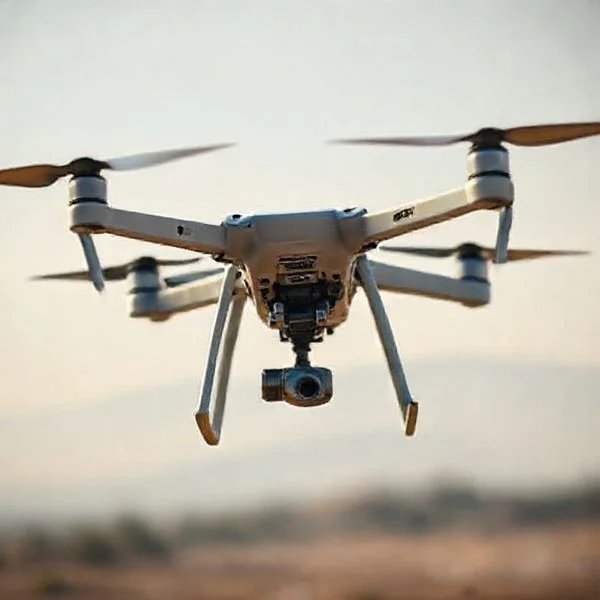
The DJI Mini 4K is built on the proven “Mini” folding architecture. When folded, the drone is roughly the size of a large smartphone, making it small enough to fit into a jacket pocket or a small camera bag. This portability is the primary reason why it is favored by hikers and travelers who cannot afford the bulk of a larger Mavic or Air series drone.
The 249g Ultra-Light Advantage
The most critical physical spec of the DJI Mini 4K is its weight: less than 249 grams. This specific number is no accident. In the United States and many other countries, drones weighing under 250g do not require FAA registration for recreational use. You simply charge the battery and fly. This eliminates the need to pay registration fees or display an FAA registration number on the hull, provided you are flying for fun and following basic safety rules.
- Folded Dimensions: 138×81×58 mm (L×W×H)
- Unfolded Dimensions: 245×289×56 mm (with propellers)
- Takeoff Weight: <249g (including battery, propellers, and microSD card)
Level 5 Wind Resistance
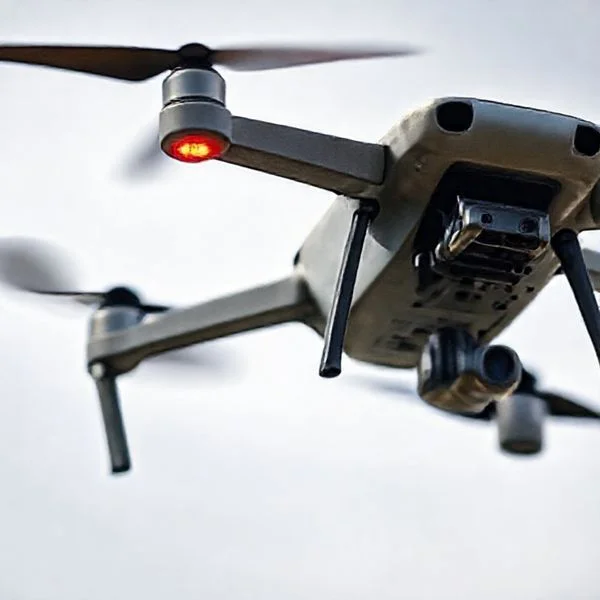
Despite its lightweight frame, the DJI Mini 4K is surprisingly resilient in the air. It features Level 5 wind resistance, which means it can maintain a stable hover and capture smooth footage in wind speeds of up to 10.7 m/s (approx. 24 mph). The drone’s flight controller automatically adjusts the RPM of each individual motor to counter gusts instantly.
This stability is vital for coastal flying or mountain photography where wind conditions are unpredictable. If the wind becomes too strong for the drone to fly safely, the DJI Fly app will provide an on-screen warning, prompting you to lower your altitude or return to the takeoff point. This “brains over brawn” approach ensures that even a sub-250g drone can compete with larger aircraft in moderate weather conditions.
Flight Capabilities, Safety Features, and Wind Resistance
The DJI Mini 4K is built to handle more than just calm backyard flights. Despite its small size, it boasts impressive flight performance that rivals much larger drones. With a maximum flight time of up to 31 minutes on a single battery, you have plenty of overhead to frame the perfect shot, explore a coastline, or wait for the ideal lighting conditions without constantly worrying about your battery percentage.

Stability and Transmission in Real-World Conditions
One of the standout features is its Level 5 wind resistance. This means the drone can maintain a stable hover and produce smooth footage in winds reaching up to 38kph (roughly 24mph). This is particularly useful for travelers capturing scenic overlooks or windy beaches where smaller, generic drones might struggle to stay airborne. Key flight specs include:
- Max Transmission Range: Up to 10km (6.2 miles) using DJI O2 (OcuSync 2.0) technology for a crisp 720p live feed.
- Max Altitude: Capable of taking off at 4,000 meters above sea level, making it a great companion for mountain hikers.
- Flight Modes: Switch between Cine (slow/smooth), Normal, and Sport (fast) depending on your environment.
Intelligent Safety Protocols for Peace of Mind
For many new pilots, the fear of losing the drone is a major hurdle. DJI addresses this with a suite of automated safety features. The Smart Return to Home (RTH) function is the ultimate safety net; if the battery gets too low or the signal is lost, the drone automatically navigates back to its takeoff point. Additionally, the downward vision sensing system and GPS-assisted hovering allow the drone to stay perfectly still even if you let go of the controls, preventing accidental drifting in tight spaces.
Standard Box vs. Fly More Combo Contents and Compatibility
When purchasing the DJI Mini 4K, you generally have two main choices: the Standard unit or the “Fly More Combo.” While the drone itself remains identical in both packages, the accessories included can significantly change your flying experience. Choosing the right one depends on how often you plan to be away from a power outlet and your specific travel needs.
Decoding the Kits: Which One Should You Buy?
The Standard Box is the budget-friendly entry point. It includes the drone, one Intelligent Flight Battery, the RC-N1C remote controller, and necessary cables. It is perfect for those who just want to dip their toes into aerial photography. However, the Fly More Combo is widely considered the better value for enthusiasts. It typically includes:
- Three Intelligent Flight Batteries: Triples your total air time to over 90 minutes.
- Two-Way Charging Hub: Charges three batteries in sequence and can even act as a power bank for your phone.
- Shoulder Bag: A custom-fitted carry case that keeps the drone and all accessories organized and protected.
- Extra Propellers: More spare sets to ensure a minor nick doesn’t end your day of shooting.
App and Storage Compatibility
To get the most out of your DJI Mini 4K, you need to ensure your peripheral gear is up to speed. The drone is controlled via the DJI Fly App, which is compatible with most modern iOS and Android smartphones. Regarding storage, the drone does not have internal memory for video. You will need a microSD card with a UHS-I Speed Grade 3 (U3) rating or higher to handle the high bitrate of 4K video. Pro Tip: Always carry a spare high-speed card, as 4K files can fill up a 32GB card surprisingly quickly during a long afternoon of filming.
Conclusion: The Ultimate Starter Drone
The DJI Mini 4K successfully bridges the gap between affordable toy drones and professional cinema gear. By offering 4K resolution, stabilized 3-axis gimbal tech, and robust safety features in a sub-240g package, it remains one of the most accessible tools for creators today. Whether you are documenting a family vacation or starting a new hobby in landscape photography, its portability and ease of use are hard to beat. The combination of its 31-minute flight time and Level 5 wind resistance ensures that your creative vision isn’t limited by the elements.
If you are ready to take to the skies, your next steps are simple: double-check your local drone registration laws and pick the battery combo that best fits your adventure style. Get your DJI Mini 4K today and start capturing the world from a whole new perspective!
❓ Frequently Asked Questions
What are the main differences between the DJI Mini 4K and the Mini 2 SE?
The primary difference is the video resolution; the Mini 4K supports 4K/30fps at a 100Mbps bitrate, whereas the Mini 2 SE is limited to 2.7K resolution. Both drones share the same physical frame, 249g weight, and 31-minute flight time.
What type of microSD card is required for the DJI Mini 4K?
To record 4K video without interruptions, you need a UHS-I Speed Class 3 or higher microSD card. Recommended brands include SanDisk Extreme or Samsung EVO Plus to ensure high-speed data writing.
How does the DJI Mini 4K handle windy conditions?
The drone is rated for Level 5 wind resistance, allowing it to maintain stable flight and clear footage in wind speeds up to 10.7 m/s (approx. 24 mph). However, battery consumption increases significantly when flying against strong winds.
Does the DJI Mini 4K have obstacle avoidance sensors?
The Mini 4K features downward-facing sensors for precise hovering and landing, but it does not have forward, backward, or side-facing obstacle avoidance. Pilots should use caution and fly in open spaces or use propeller guards.
What is included in the DJI Mini 4K Fly More Combo?
The Fly More Combo includes the drone, three Intelligent Flight Batteries, a Two-Way Charging Hub, a shoulder bag, and three sets of spare propellers. This package is ideal for users who need over 90 minutes of total potential flight time.
Which mobile app is used to fly the DJI Mini 4K?
The drone is controlled via the DJI Fly App, which is compatible with most modern iOS and Android smartphones. The app provides access to flight telemetry, camera settings, and QuickShots like Dronie and Helix.

Similar Posts