How Much is a Drone License? 2024 FAA Part 107 Cost Guide
The mandatory cost for an FAA Part 107 drone license is $175, which is the flat fee for the Remote Pilot Knowledge Test. Total initial investment typically ranges from $180 to $500 depending on your choice of study materials and drone registration needs.
🎯 Key Takeaways
- The mandatory FAA knowledge test fee is a flat $175 payment.
- Commercial drone registration costs $5 per aircraft every three years.
- Professional ground school courses range from $100 to $300 on average.
- Recurrent training and certificate renewals are currently free via the FAA.
- Failing the exam requires a 14-day wait and another $175 fee.
To obtain your FAA Part 107 commercial drone license in 2024, the absolute minimum you will spend is $175. This is the mandatory fee for the Unmanned Aircraft General (UAG) Knowledge Test. Most pilots choose to spend between $175 and $475 in total, depending on whether they invest in a professional ground school or rely on free study materials. This license is the legal requirement for anyone using a drone for any form of business, marketing, or non-recreational purpose.


Budgeting correctly for this certificate is essential because the FAA does not offer refunds if you fail the exam. You are essentially “paying to play,” and since the testing fee is the largest chunk of the cost, you want to ensure you pass on your first attempt. While there are no recurring annual “dues” to keep your license active, understanding the breakdown of these initial costs ensures you aren’t surprised by hidden fees at the testing center.
Breakdown of Mandatory FAA Knowledge Test Fees
The primary cost of getting your drone license is the fee for the proctored exam. You do not pay the FAA directly for your license; instead, you pay a third-party testing service called PSI. They manage the testing centers where you must physically go to take the 60-question multiple-choice exam. As of early 2024, the standardized fee across the United States is $175 per attempt.


The PSI Testing Center Fee Structure
When you register for your exam through the FAA’s IACRA system and the PSI portal, you must pay the full $175 upfront. This fee covers the administration of the test, the computer usage, and the processing of your results. It is important to note that this is a flat fee. It does not matter if you take the test at a small local airport or a dedicated professional testing facility in a major city.
- Standard Exam Fee: $175
- Retake Fee: $175 (Required for every attempt if you fail)
- Cancellation/Rescheduling Fee: Usually free if done 48 hours in advance; otherwise, you may forfeit the fee.
Hidden Costs and Future Renewals
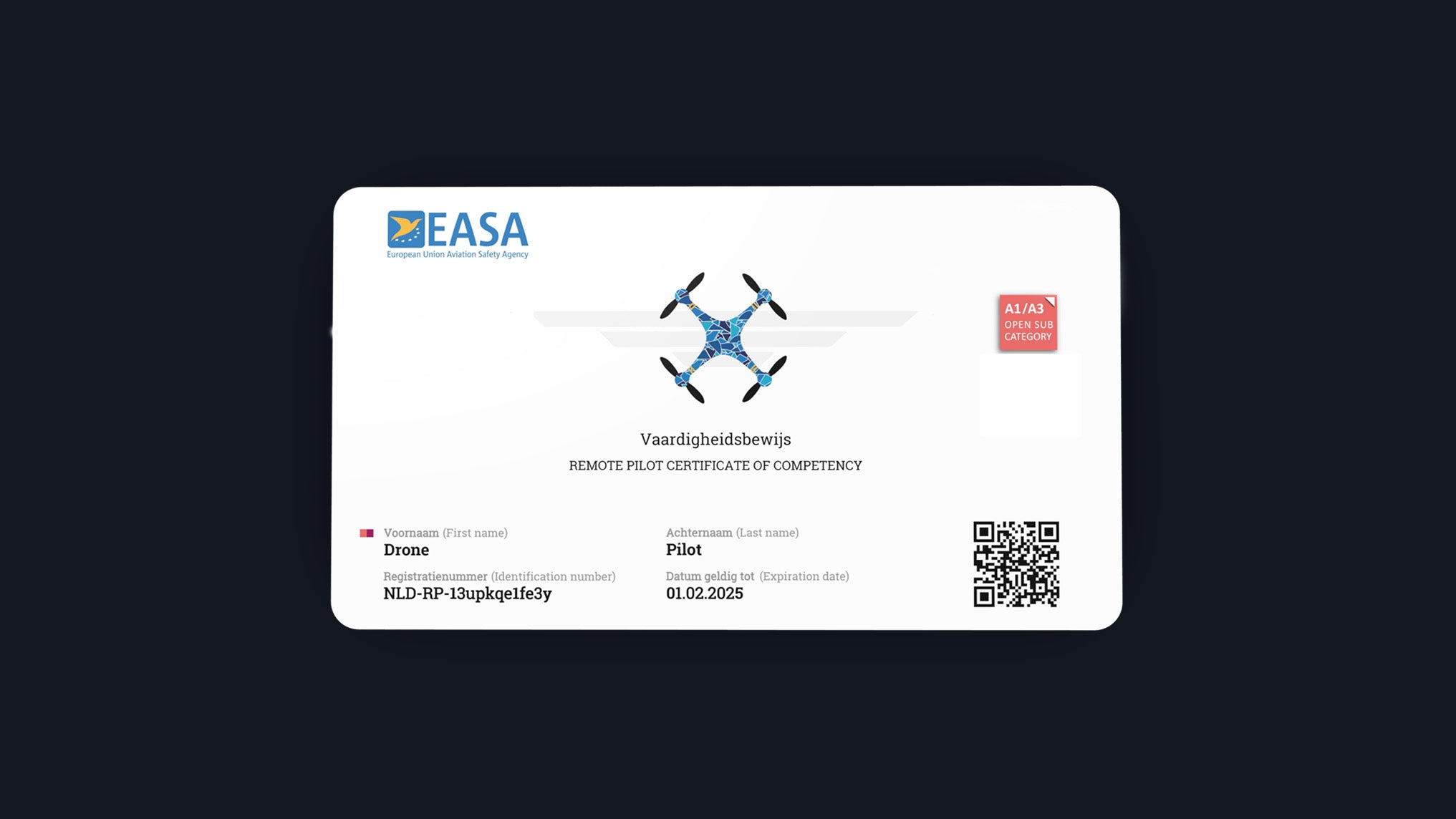
One of the best pieces of news for your wallet is that there is no fee to apply for the actual physical certificate once you pass the test. After you receive your passing score, you register on the FAA’s IACRA website for free. Furthermore, the FAA recently changed the rules for “renewing” your license. Instead of paying $175 every two years to retake the test, you now take a free online recurrent training course through the FAA Safety Team (FAASTeam) website to keep your license current. This makes the Part 107 license a low-cost long-term asset.
From Start to Finish: Drone Licensing Costs Explained
Navigating the world of Unmanned Aircraft Systems (UAS) can be confusing, especially when trying to figure out the financial commitment required to fly legally. Whether you are looking to capture stunning cinematic footage for a business or simply want to fly in your backyard for fun, the costs vary significantly. This guide breaks down every financial hurdle and administrative step involved in obtaining your drone license—specifically focusing on the FAA Part 107 Remote Pilot Certificate and recreational requirements in the United States—to ensure you are fully compliant without overspending on unnecessary extras.


Step 1: Identifying Your Pilot Category and Initial Needs
What you need: An honest assessment of your flight intentions and a basic understanding of the weight of your drone (above or below 250 grams).
Instructions: Before spending a dime, you must determine if you are a “Recreational Flyer” or a “Commercial Remote Pilot.” If you intend to use your drone for any purpose that could lead to financial gain—including real estate photography, YouTube monetization, or roof inspections—you fall under Part 107 regulations. Recreational flyers only need to pass the TRUST (The Recreational UAS Safety Test), which is free. Commercial pilots, however, must prepare for a formal FAA knowledge exam. This initial decision dictates whether your “license” will cost you $0 or upwards of $200. Take note of your drone’s weight; drones under 0.55 lbs (250g) do not require registration for recreational use, but they ALWAYS require registration if used commercially.
Pro Tip: Even if you aren’t sure you’ll make money yet, getting the Part 107 certificate provides much more flexibility in where and how you can fly, making the investment worthwhile for serious hobbyists.
Step 2: Registering Your Aircraft via FAA DroneZone
What you need: Your drone’s serial number, a credit or debit card, and access to the official FAA DroneZone website.
Instructions: Every drone used for commercial purposes, and drones over 250g used recreationally, must be registered with the FAA. This is the first tangible cost you will encounter. Go to the official FAA DroneZone portal (avoid third-party sites that charge “service fees”). Create an account and select the appropriate dashboard (Part 107 or Recreational). You will provide your physical address and the serial number of the drone. The cost is exactly $5 per drone for three years. Once paid, you will receive a registration number that must be physically labeled on the exterior of your drone using a permanent marker, engraving, or a sticker.
Pro Tip: Be wary of websites that look official but charge $50 or $100 for registration; these are scams. The FAA only charges $5 for the three-year registration period.
Step 3: Investing in Part 107 Study Materials
What you need: Access to the internet, FAA-G-8082-22 (Remote Pilot Study Guide), and potentially a paid online course.
Instructions: To earn your commercial license, you must pass a 60-question multiple-choice exam. Your costs here are flexible. You can choose the “DIY route” for $0 by downloading the free FAA Study Guide and watching YouTube tutorials. However, many students opt for professional online ground schools which range from $100 to $300. These courses often include practice exams, video lessons, and “pass guarantees” where they refund your testing fee if you fail. If you struggle with reading sectional charts or understanding weather METAR reports, a paid course is a highly recommended investment to avoid the $175 cost of retaking the exam.
Pro Tip: Download the “Remote Pilot” app on your smartphone; many offer free practice quizzes that mirror the actual FAA test questions to help you gauge your readiness.
Step 4: Budgeting for the FAA Knowledge Test Fee
What you need: A government-issued photo ID and exactly $175 for the testing center fee.
Instructions: This is the largest single expense in the licensing process. The FAA does not administer the test directly; instead, they use a third-party company called PSI. You must create an account on the PSI website, find a local testing center (usually located at small airports or flight schools), and schedule your “Unmanned Aircraft General – Small (UAG)” exam. As of current regulations, the standardized fee is $175. This fee is paid directly to PSI at the time of booking. Ensure your name on the registration matches your ID exactly, or they will turn you away at the door, and you may forfeit your fee.
Pro Tip: Schedule your test at least two weeks in advance to give yourself a hard deadline for studying, as slots at popular testing centers fill up quickly.
Step 5: Completing the IACRA Application
What you need: Your 17-digit exam ID number (found on your passing score report) and an FAA Tracking Number (FTN).
Instructions: After passing your exam with a score of 70% or higher, the testing center will give you a printed report. You must wait about 48 to 72 hours for your data to sync with the FAA’s Integrated Airman Certification and Rating Application (IACRA) system. Once synced, log into IACRA, start a “New Application,” and link your exam results using the ID number provided. This step is technically “free” as there is no administrative fee for the application itself. You will fill out your personal details and undergo a TSA background check. Once processed, you will be issued a temporary digital certificate, followed by a permanent plastic card in the mail.
Pro Tip: Keep your FTN (FAA Tracking Number) in a safe place; you will use this for the rest of your life for any FAA-related certifications or renewals.
Step 6: Accounting for Liability Insurance Costs
What you need: A smartphone and an insurance app or a quote from a traditional aviation broker.
Instructions: While the FAA doesn’t strictly require insurance for the license itself, many clients and local laws require it for commercial operations. This is a “hidden” cost of being a licensed pilot. You have two main options: On-demand insurance or annual policies. On-demand apps allow you to buy $1 million in liability coverage for a specific flight for about $7 to $15 per hour. If you fly frequently, an annual policy might cost between $500 and $800 per year. This cost ensures that your license and your assets are protected in the event of a crash or property damage.
Pro Tip: Join organizations like the Academy of Model Aeronautics (AMA); their membership often includes basic liability insurance for recreational flying, which can save you money on hobbyist coverage.
Step 7: Planning for Recurrent Training and Renewals
What you need: An internet connection and your existing Part 107 certificate number.
Instructions: Your drone license does not “expire” in the traditional sense, but your “legal currency” to fly does. Every 24 calendar months, you must complete recurrent training to keep your privileges active. In the past, this required paying for a proctored exam again. However, the FAA has recently made this process much cheaper. You can now take the Part 107 Small UAS Recurrent training (ALC-677) for free on the FAA Safety Team (FAASafety.gov) website. This takes about two hours and costs $0. While the renewal is free, you must budget your time to ensure you don’t let your currency lapse, which would make your operations illegal.
Pro Tip: Set a calendar reminder for 22 months after your initial exam so you have plenty of time to complete the online training before your currency expires.
✅ Final Checklist
- Verified if your flight intent is Recreational (TRUST) or Commercial (Part 107).
- Registered your drone on FAA DroneZone and paid the $5 fee per aircraft.
- Completed study prep and budgeted $175 for the PSI proctored exam.
- Submitted the IACRA application following a passing exam score.
- Labeled your drone with the registration number on an external surface.
Important Notes:
- Safety First: Always check B4UFLY or similar apps to ensure you are not in restricted airspace, regardless of your license status.
- Seeking Help: If you find the IACRA system confusing, contact your local Flight Standards District Office (FSDO) for free assistance.
- Estimated Total Cost: Recreational pilots should expect to spend $0–$5. Commercial pilots should budget between $180 (DIY study) and $500 (Paid course + Insurance).
- Estimated Time: 15–20 hours of study over 2 weeks is typical for most successful Part 107 candidates.
Evaluating the Cost of Study Materials and Ground Schools
While the test fee is mandatory, how you prepare for it is entirely up to your budget. You can choose a path that costs nothing but time, or you can pay for a structured program that guarantees a passing score. This “prep cost” is the only variable in the total price of your drone license.

Free Study Options ($0)
If you are a disciplined self-starter, you can pass the Part 107 exam for $0 in study costs. The FAA provides several high-quality resources for free, though they can be dry and difficult to navigate. Many pilots also utilize community-created content to bridge the gaps in their knowledge without spending a dime.
- FAA Remote Pilot Study Guide: A comprehensive PDF provided by the government covering all test topics.
- YouTube Ground Schools: Highly rated creators offer multi-hour “crash courses” that cover sectional charts and weather reports.
- Free Practice Tests: Several apps and websites offer limited sets of practice questions to test your readiness.
Professional Online Ground Schools ($100 – $300)
Most serious commercial pilots opt for a paid online ground school. These programs typically cost between $100 and $300. While this increases your initial investment, these courses are designed to save you time and protect your $175 test fee. Many of these schools offer a “Pass Guarantee,” promising to refund your course fee or even pay for your test retake if you fail the exam after completing their curriculum.
Paid courses provide several advantages that free resources often lack. They offer curated video lessons, hundreds of up-to-date practice questions, and access to flight instructors who can answer specific questions about complex topics like airspace classes or loading and performance. If you value your time and want to ensure you only pay the $175 test fee once, a $150 ground school is often the most cost-effective path in the long run.
Ancillary Expenses: Registration and Remote ID Compliance
While the testing fee is the most significant upfront cost, it isn’t the only one required to get your commercial operations off the ground. To be fully legal under Part 107, you must also account for federal registration and the newer mandates regarding Remote ID hardware.
Federal Drone Registration Costs
Every drone used for commercial purposes, regardless of its weight, must be registered with the FAA. Even if you fly a “micro” drone like the DJI Mini series that weighs under 250 grams, the recreational weight exemption does not apply once you are flying under your Part 107 certificate. Fortunately, this is one of the more affordable aspects of the process.
- Registration Fee: $5 per drone.
- Validity: Three years.
- Requirement: You must list the drone’s serial number and, if applicable, the Remote ID serial number via the FAA DroneZone portal.
Pro Tip: Be wary of third-party websites that offer to “handle your registration” for $50 or $100. These are often scams or unnecessary middleman services. Always use the official FAA DroneZone website to ensure you are only paying the standard $5 fee.
Remote ID Compliance Gear
As of 2024, Remote ID compliance is mandatory for almost all drone operations. If you are purchasing a modern drone, Remote ID is likely already built into the hardware (Standard Remote ID). However, if you are using an older “legacy” drone, you will need to purchase a broadcast module to stay legal.
These modules can be a significant “hidden” expense. Popular modules like the PingRID or Dronetag Beacon typically retail between $150 and $250. When calculating your total license and setup cost, check your drone’s compatibility list on the FAA website to see if an external hardware purchase is necessary.
Long-term Maintenance: Renewal Costs and Hidden Fees
Obtaining your Part 107 certificate isn’t a “one and done” expense. To maintain your privileges as a commercial pilot, you must keep your knowledge current and protect your business with appropriate coverage. The good news is that the FAA has made the renewal process much more budget-friendly in recent years.
Keeping Your License Current
Your Part 107 certificate does not expire, but your “legal authority” to fly does. Every 24 calendar months, you must complete a recurrent training course to stay current. In the past, pilots had to pay the $175 testing fee every two years to retake the exam in person.
Today, the process is significantly cheaper:
- Renewal Cost: $0.
- Platform: The FAA Safety Team (FAASTeam) website.
- Format: A free online training module and quiz that can be completed from your home office.
This shift to free online renewals has drastically lowered the long-term cost of being a drone pilot, making it much easier for side-hustlers and small business owners to maintain their credentials without recurring financial strain.
Insurance and Liability Considerations
While not a government-mandated “license fee,” insurance is a functional cost of doing business. Many clients will not hire a Part 107 pilot unless they can provide a Certificate of Insurance (COI) for at least $1 million in liability. Operating without insurance puts your personal assets at risk and limits your professional growth.
- On-Demand Insurance: Services like SkyWatch or Verifly allow you to purchase insurance by the hour. This is perfect for beginners, with costs starting as low as $7 to $15 per flight.
- Annual Policies: If you fly weekly, a commercial annual policy typically ranges from $500 to $1,200 per year, depending on your gear and industry (e.g., thermal inspections cost more to insure than real estate photography).
Conclusion
So, how much is a drone license in 2024? When you combine the $175 FAA exam fee, a quality study course, and registration, most pilots should budget between $350 and $500 to get started. While the initial investment might seem steep, the move to free online renewals means that maintaining your professional standing is virtually free for the rest of your career.
Your next steps are simple: choose a study method that fits your learning style, schedule your exam at a local Knowledge Testing Center, and register your aircraft. The commercial drone industry is expanding rapidly into sectors like agriculture, construction, and public safety—getting your license now positions you at the forefront of this technology.
Ready to take to the skies? Start by creating your FAA Tracking Number (FTN) on the IACRA website today and take the first step toward your professional drone career!
❓ Frequently Asked Questions
What is the total minimum cost to get licensed?
The absolute minimum cost is $180. This includes the $175 testing fee and the $5 registration fee, assuming you use entirely free study resources like YouTube or FAA handbooks.
Are professional study courses worth the extra cost?
Paid courses typically cost $100-$300 and often include pass guarantees. They are generally worth the investment to avoid failing the $175 exam and having to pay for a retake.
Do I need to pay for a new license if I lose my card?
Yes, if you need a replacement for a lost or destroyed permanent remote pilot certificate, the FAA charges a $2 replacement fee.
Does the drone license fee cover insurance?
No, the license fee only covers the testing and certification process. Hull and liability insurance are separate costs that vary based on your equipment and coverage needs.
Is the cost different for recreational vs. commercial flyers?
Recreational flyers only need to take the free TRUST test. The $175 Part 107 fee is specifically for those wishing to fly for commercial purposes or ‘furtherance of a business.’
Are there additional costs for Remote ID?
If your drone is not equipped with Standard Remote ID, you may need to purchase a broadcast module, which typically costs between $100 and $200.

Similar Posts