What Are the Drone Sightings? Recent Reports & Investigations
Commercial UAV Pilot & Aerial Cinematography Specialist at Drone Nestle · FAA Part 107 Remote Pilot Certification, Commercial UAS Operations · 10+ Years in Commercial UAV Operations, Flight Hardware Benchmarking & 4K Aerial Cinematography
Recent unexplained drone sightings across New Jersey, New York, and sensitive military sites have triggered high-level federal investigations. While officials are analyzing potential surveillance or corporate testing, the origins and operators of these large, nocturnal drone formations remain officially unidentified.
🎯 Key Takeaways
- Takeaway 1:Recent sightings are concentrated in New Jersey, New York, and military airspaces.
- Takeaway 2:Federal agencies like the FAA and FBI are actively investigating these incursions.
- Takeaway 3:Most reported drones are larger than consumer models and fly in coordinated formations.
- Takeaway 4:Authorities state there is currently no immediate kinetic threat to the general public.
- Takeaway 5:Reporting unauthorized drone activity helps agencies track patterns and identify potential operators.
Unexplained drone sightings have surged recently, transitioning from isolated incidents to coordinated swarms over major residential hubs and sensitive military installations. Reports from New Jersey, Pennsylvania, and Virginia describe large, high-altitude UAVs operating in formations that defy standard hobbyist behavior. You need to understand these events because they represent a significant shift in how our airspace is monitored and the potential security risks these unidentified craft pose to both commercial aviation and private citizens.

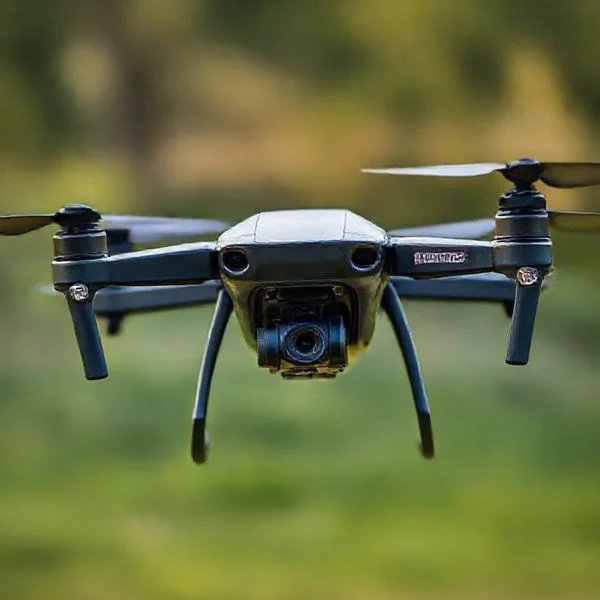
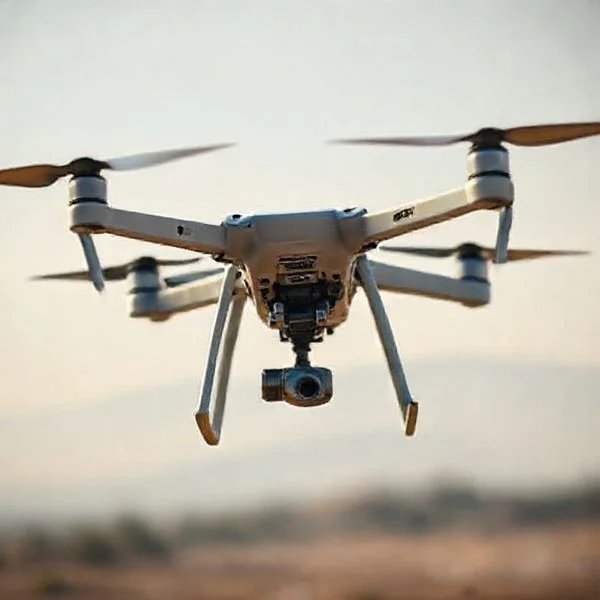
This isn’t just about a neighbor flying a camera drone too close to your fence. These recent reports involve industrial-scale drones, often larger than standard retail models, appearing in clusters during nighttime hours. Whether you are a drone pilot concerned about new regulations or a resident worried about privacy, knowing the specifics of these sightings helps you navigate the changing legal and safety landscape of our skies.
Breaking Down Recent High-Profile Drone Sighting Locations
The most alarming recent reports have shifted from rural areas to densely populated corridors and restricted government zones. These aren’t random blips; they are sustained appearances that have lasted for weeks at a time, leaving local authorities and residents looking for answers.
The New Jersey and Pennsylvania Swarms (Late 2024 – Early 2025)
In late 2024, residents across Morris, Somerset, and Hunterdon counties in New Jersey reported nightly sightings of large drones. These craft typically appear after sunset, flying in groups of three to seven. Witnesses and local law enforcement have noted specific patterns that distinguish these from typical consumer drones:
- High Altitude Persistence: The drones often hover between 500 and 1,000 feet, well above the standard FAA 400-foot ceiling for hobbyists.
- Fixed-Wing and Multi-Rotor Mix: Reports describe both traditional quadcopter shapes and larger, fixed-wing aircraft that can stay airborne for hours, suggesting sophisticated battery or fuel systems.
- Coordinated Flight: The drones move in “V” formations or grid patterns. This suggests automated flight paths or “swarm” technology rather than manual piloting by a nearby operator.
Langley Air Force Base and Critical Infrastructure
Perhaps the most significant security breach occurred over Langley Air Force Base in Virginia. For several nights, unidentified drones breached highly restricted airspace near one of the nation’s most sensitive military sites. These incidents forced the military to coordinate with local police to track the origins, though the operators remain elusive. Similar sightings have been reported near power plants and water treatment facilities in the Northeast, raising concerns about infrastructure surveillance. These drones often appear at dusk and remain stationary for long periods over specific structures before disappearing toward the horizon.
Analyzing Official Responses from the FAA, FBI, and Military
When drones appear in restricted areas, the response involves a complex web of federal agencies. The challenge lies in the fact that many of these drones do not broadcast Remote ID signals, making them “dark” to standard tracking software used by the FAA and local police.
The FBI and FAA Joint Investigations
The FBI has taken a lead role in the New Jersey sightings, treating them as a potential threat to national security. They are currently utilizing advanced forensic tools to triangulate signal origins and identify the radio frequencies being used. The FAA, meanwhile, is focusing on “Remote ID” compliance. If you fly a modern drone, you know that the FAA requires a digital license plate. However, the drones in these sightings appear to be bypassing these safety features entirely, suggesting they are either custom-built or modified to avoid detection.
- Aeroscope Technology: Authorities use DJI Aeroscope and similar RF sensors to detect drone signals. However, these systems only work if the drone uses known consumer frequencies.
- Temporary Flight Restrictions (TFRs): The FAA has frequently issued emergency TFRs over sighting hotspots. These bans are meant to clear the airspace for law enforcement aircraft to track the drones without interference.
- Public Reporting Portals: The FAA has encouraged citizens to use the “Sighting Report” tool, though the sheer volume of reports has made it difficult to verify every individual claim.
Military Counter-UAS Protocols
The Pentagon has acknowledged the difficulty in intercepting these craft. Under current domestic law, the military is limited in its ability to “shoot down” drones over U.S. soil due to the risk of falling debris and collateral damage. Instead, they are testing electronic warfare (EW) solutions. These include signal jamming and “spoofing” to force the drones to land or return to their home point. You can expect to see an increase in these “soft-kill” technologies as the military seeks to protect its bases without endangering the public below. Currently, the Air Force is deploying mobile sensor towers to create a “digital dome” around affected bases to better track these persistent intruders.
Common Theories Regarding Operator Identity and Flight Purpose
When mysterious drone sightings make the news, the first question everyone asks is: “Who is behind the controls?” Because many of these sightings involve advanced flight patterns or occur at night, the theories range from mundane commercial operations to high-level government activity. Understanding the likely culprits helps demystify the sightings and reduces public anxiety.
Government and Military Exercises
A leading theory for many high-altitude or persistent drone sightings involves military testing. The Department of Defense often tests electronic warfare capabilities or swarm technology in domestic airspace. These drones are frequently larger than consumer models and can stay airborne for several hours. While the military doesn’t always publicize these tests for security reasons, they account for a significant portion of sightings near naval bases or desert testing ranges.
Commercial Surveying and Industrial Use
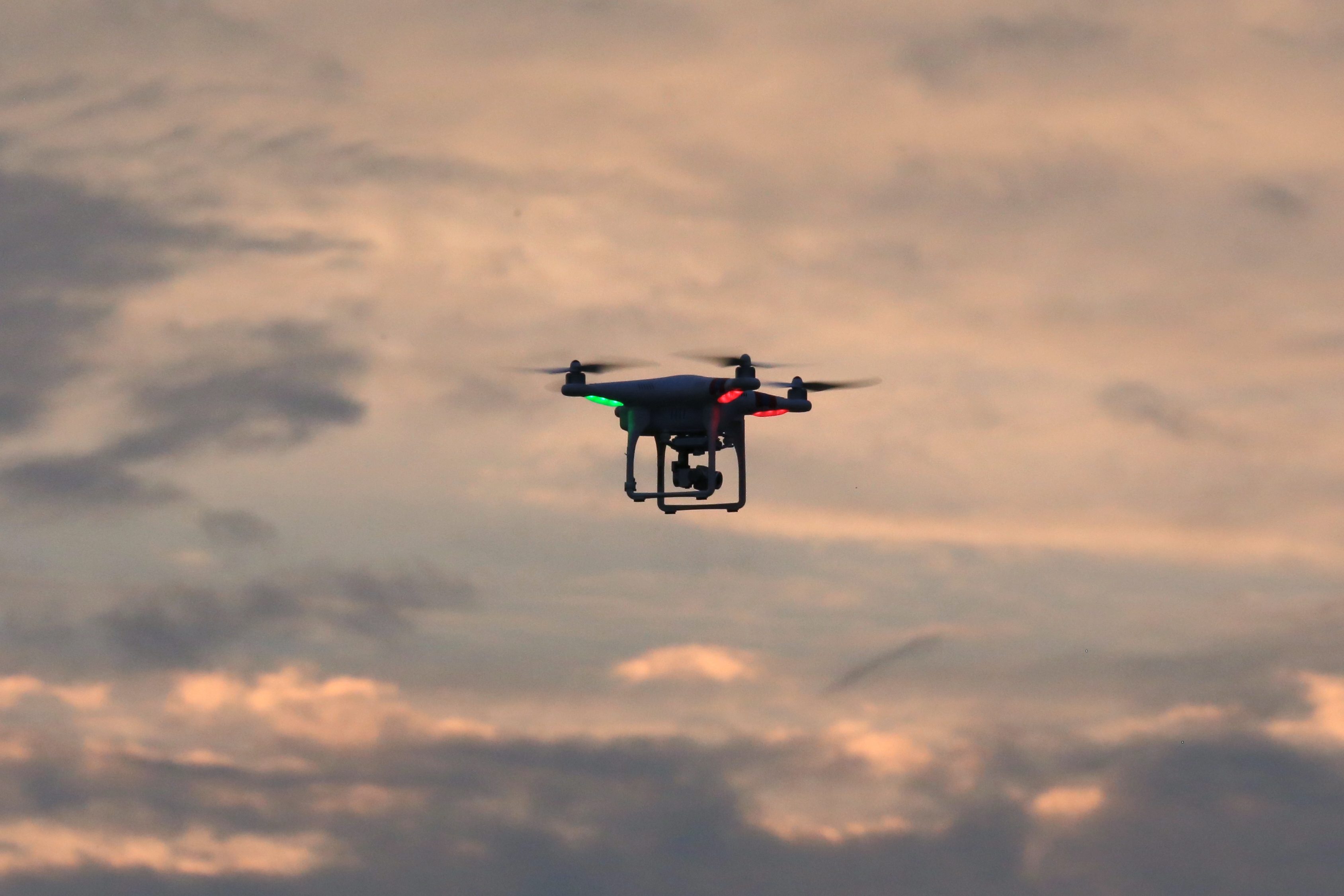
Many “mysterious” drones are actually professional tools at work. Utility companies use drones equipped with thermal cameras to inspect power lines, while agricultural firms use them to map crop health. To an untrained observer at night, the navigation lights of a high-end commercial drone can look like something much more exotic.
- Utility Inspections: Checking transformers and high-voltage lines for heat signatures.
- Real Estate Photography: Capturing neighborhood layouts for large-scale development.
- Delivery Testing: Major retailers testing autonomous flight paths for package distribution.
- Search and Rescue: Local law enforcement using thermal drones to find missing persons.
Legal Implications and Safety Risks of Unidentified Drone Activity
The rise in drone sightings isn’t just a matter of curiosity; it presents real challenges for aviation safety and privacy laws. When a drone flies in unauthorized airspace without a clear operator identity, it creates a “blind spot” for air traffic controllers and law enforcement. This has led to a rapid evolution in drone regulations and the technology used to track them.
Airspace Violations and Mid-Air Collisions
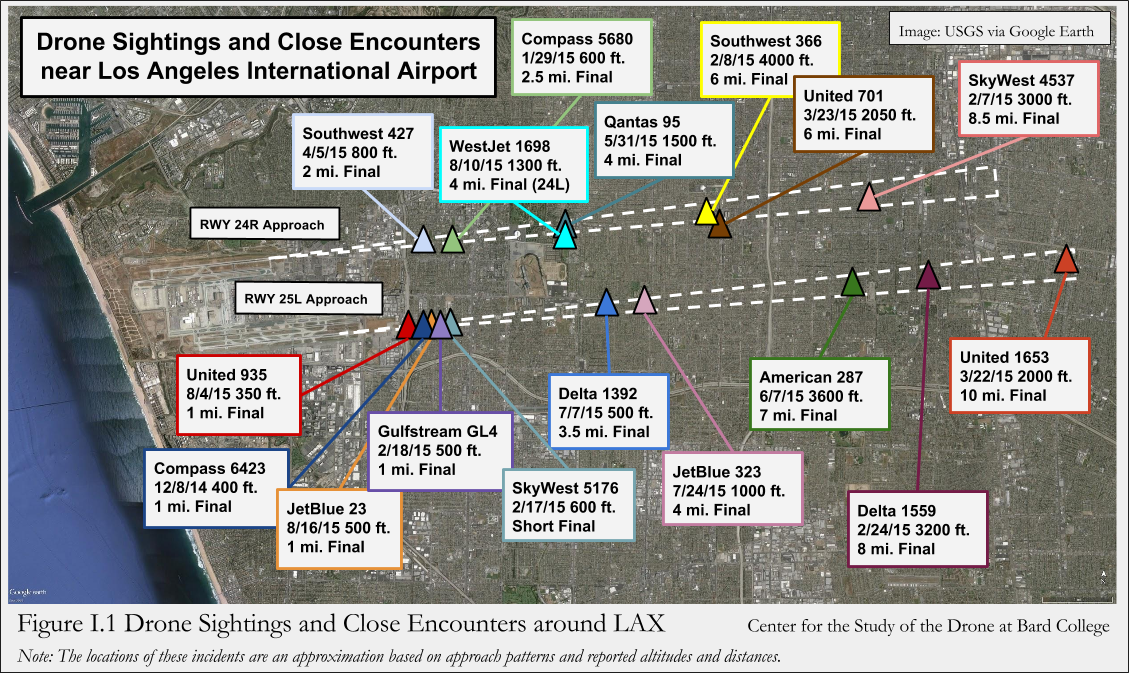
The most pressing concern for authorities is the risk to manned aircraft. Drones flying near airports or in flight paths can cause catastrophic accidents. Even a small consumer drone can cause significant damage if ingested into a jet engine. This is why “No Fly Zones” are strictly enforced, and sightings in these areas are treated as serious security breaches that can lead to heavy fines or imprisonment for the operator.
Privacy Concerns and Data Security
Beyond physical safety, many people worry about the “eyes in the sky.” Modern drones are often equipped with high-resolution zoom lenses and thermal sensors. If an unidentified drone lingers over a residential area, it raises valid questions about privacy. New regulations, such as Remote ID, are designed to act as a “digital license plate,” allowing authorities to identify the drone’s owner and location in real-time, ensuring accountability for every flight.
- Remote ID Compliance: Most drones now require a broadcast module to identify their position to the FAA.
- Strobe Lighting: Accessories like high-intensity anti-collision lights are now mandatory for night flights to increase visibility.
- Geofencing: Built-in software that prevents drones from taking off in restricted areas like airports or prisons.
- Strict Privacy Laws: Increasing local ordinances that prohibit hovering over private property without consent.
Conclusion
Drone sightings will likely continue to increase as the technology becomes more accessible and commercial applications expand. While many reports turn out to be standard military exercises or industrial surveys, they highlight the growing need for better transparency and stricter adherence to safety regulations. By understanding the theories behind these flights and the legal frameworks governing them, we can better distinguish between a harmless hobbyist and a potential safety risk.
To stay on the right side of the law, always ensure your drone is equipped with the latest Remote ID accessories and high-visibility lighting for evening flights. Stay informed on your local airspace restrictions to ensure every flight you take is a safe one. Are you ready to upgrade your gear for safer flying? Check out our latest safety accessories today!
❓ Frequently Asked Questions
What started the recent surge in drone sighting reports?
High-frequency reports began in late 2024 across New Jersey, where residents observed large drones flying at night in coordinated patterns. These incidents gained national attention due to their proximity to critical infrastructure and major airports like Newark Liberty.
Could these drones be from a foreign adversary?
While foreign surveillance is a theory being investigated, no concrete evidence has been released to confirm this. The FBI is looking into all possibilities, including corporate espionage, high-end hobbyist groups, or domestic testing.
Why can’t the military just shoot the drones down?
Federal law and safety regulations strictly limit the use of kinetic force against drones over populated areas. Shooting them down could cause falling debris and endanger people on the ground, creating a larger safety hazard than the drone itself.
How do these drones differ from standard consumer models?
Most reported sightings involve ‘Group 2’ or ‘Group 3’ UAVs, which are significantly larger and have longer flight times than retail models. They often operate at higher altitudes and exhibit more advanced navigational capabilities than standard hobbyist gear.
What should I do if I see an unidentified drone?
You should record the time, location, and a description of the drone’s behavior from a safe distance. Report the sighting immediately to your local law enforcement agency or use the FAA’s online reporting portal for unauthorized drone activity.
Are there any flight restrictions currently in place?
The FAA frequently issues Temporary Flight Restrictions (TFRs) in areas with high drone activity or sensitive operations to protect airspace. All drone pilots are required to check the B4UFLY app or FAA NOTAMs before every flight to ensure compliance.

Similar Posts