Have you ever wondered if you can fly the DJI Mini 2 in the rain? This article aims to provide you with a well-researched and in-depth view of the topic, giving you answers to your questions and shedding light on the subject. We’ll explore the background of flying drones in inclement weather, discuss the main points surrounding the DJI Mini 2’s rain resistance capabilities, and provide examples and case studies to illustrate these points. With informative content, engaging writing, and helpful visual aids, this article will give you a comprehensive understanding of whether or not you can safely fly the DJI Mini 2 in the rain. So, let’s get started and delve into this captivating topic within the drone industry.
Introduction
As a drone enthusiast, one of the questions that may have crossed your mind is whether it is safe to fly the DJI Mini 2 in the rain. Rainy conditions can present unique challenges for drone operations, and it’s important to understand the limitations and potential risks involved. In this article, we will explore the topic of flying the DJI Mini 2 in rain, including its water resistance capabilities, the potential effects of rain on drone performance, and the precautions and considerations to keep in mind when venturing out in wet weather.
Prime for Young Adults — 6 Months Free
Exclusive Offer Amazon Prime for Young Adults, Students and 18–24s get six months of Prime free, then half price.
Start 6 Months Free As an Amazon Associate I earn from qualifying purchases.Background
Recommended Best Deal Products

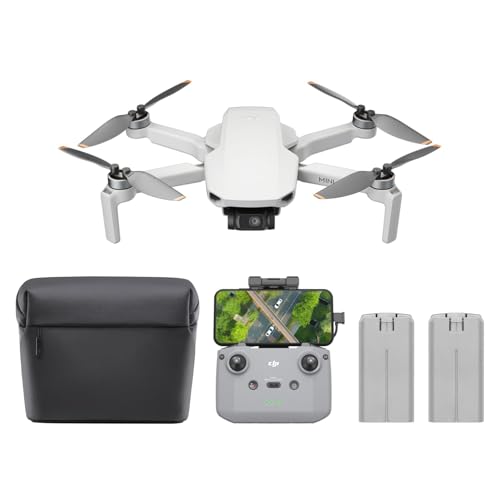
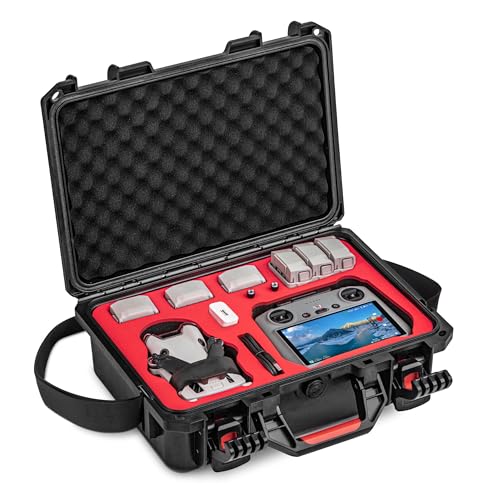
The DJI Mini 2 is a popular consumer drone that offers impressive features and capabilities in a compact and lightweight design. However, like most consumer drones, it is not specifically designed to be waterproof. This means that flying in rain or wet conditions can potentially damage the drone and compromise its performance. To better understand the implications of flying the DJI Mini 2 in rain, let’s delve into its water resistance and IP rating.
Main Points
Understanding the DJI Mini 2
The DJI Mini 2 is a small and agile drone that boasts a maximum flight time of up to 31 minutes and a transmission range of up to 10 kilometers. It features a 12-megapixel camera capable of capturing stunning aerial photos and videos in 4K resolution. Despite its impressive capabilities, it’s important to note that the DJI Mini 2 is not a waterproof drone. While it can withstand some light moisture, it is not designed to be submerged or flown in heavy rain.
Water Resistance and IP Rating
The DJI Mini 2 does not have an official IP rating, which is a standardized measure of a device’s resistance to solids and liquids. While some drones, like the DJI Mavic 2 Enterprise, are designed with water resistance in mind and carry an IP43 rating, the DJI Mini 2 falls short in this aspect. This means that the drone is not adequately protected against water ingress and can sustain damage if exposed to moisture for extended periods or in heavy rain.
Flying in Light Rain
It’s important to make a distinction between flying in light rain and heavy rain when it comes to the DJI Mini 2. While the drone may be able to handle a few raindrops or light moisture, it is still advisable to exercise caution and avoid flying in these conditions whenever possible. Light rain can create a thin film of moisture on the drone’s electronic components, which can potentially cause malfunctions or compromise the integrity of the system.
Flying in Heavy Rain
Flying the DJI Mini 2 in heavy rain is strongly discouraged. Heavy rain can expose the drone to large amounts of water, increasing the risk of water seeping into sensitive areas and causing irreversible damage. The humidity and moisture can also affect the drone’s motors, sensors, and electronics, potentially leading to a loss of control or even a complete failure of the system. It’s essential to prioritize the safety of the drone and avoid flying in heavy rain at all costs.
Effect of Rain on Drone Performance
Rain can have a significant impact on the performance of a drone, including the DJI Mini 2. Moisture can interfere with the drone’s sensors and hinder its ability to accurately detect obstacles and maintain stable flight. Water droplets on the camera lens can distort or block the view, leading to compromised image quality. Additionally, rain can make the drone heavier and affect its aerodynamics, resulting in reduced flight time and decreased maneuverability.
Precautions for Flying in Rain
If you find yourself in a situation where you need to fly the DJI Mini 2 in light rain or wet conditions, there are several precautions you can take to minimize the risks involved. Firstly, ensure that your drone is in optimal condition by performing a thorough pre-flight check. Make sure all connections are secure, the battery is fully charged, and the firmware is up to date. Additionally, consider using a landing pad or launching the drone from a dry area to minimize contact with moisture.
Prime for Young Adults — 6 Months Free
Exclusive Offer Amazon Prime for Young Adults, Students and 18–24s get six months of Prime free, then half price.
Start 6 Months Free As an Amazon Associate I earn from qualifying purchases.Alternatives to Flying in Rain
While it’s not recommended to fly the DJI Mini 2 in rain, there may be instances where you still want to capture aerial footage in wet conditions. In such cases, you can explore alternative options such as utilizing waterproof accessories or investing in a specific waterproof drone model. These options offer enhanced protection against water ingress and can withstand rain and wet environments more effectively than the DJI Mini 2.
Rainproofing Your Drone
If you’re determined to fly the DJI Mini 2 in rainy conditions, you can take certain steps to rainproof your drone and provide it with some level of protection. Consider using a rain cover or waterproof housing specifically designed for the DJI Mini 2 to shield the drone’s sensitive components from moisture. It’s important to note that while these accessories can provide some level of water resistance, they may not guarantee complete protection against heavy rain or submersion.
Legal Considerations
Apart from the potential risks to the drone itself, it’s crucial to be aware of any legal considerations when flying the DJI Mini 2 in rain. Different countries or regions may have specific regulations or restrictions regarding flying drones in wet conditions. It’s important to familiarize yourself with the local drone laws and abide by them to ensure a safe and legal flying experience.
Insurance and Warranty
Lastly, it’s worth mentioning that flying the DJI Mini 2 in rain may have implications on your drone’s warranty and insurance coverage. Most drone manufacturers, including DJI, void the warranty if the drone has been damaged due to water exposure. Additionally, standard insurance policies for drones may not cover damages incurred in rainy conditions. It’s advisable to review the terms and conditions of your warranty and insurance policy to understand the extent of coverage in such scenarios.
Examples
Recommended Best Deal Products


To illustrate the potential dangers of flying the DJI Mini 2 in rain, consider a scenario where a drone enthusiast ignores the risks and attempts to fly their drone in heavy rain. As the rain intensifies, water starts to seep into the drone’s motors and electronics, causing a loss of power and control. The drone crashes, damaging the propellers and camera. Unfortunately, the warranty does not cover water damage, and the enthusiast is left with an inoperable drone and no insurance coverage for repairs.
Visual Aids
Incorporating visual aids such as images, charts, or graphs can enhance the understanding of the topic. Here are some potential visual aids that can be included in the article:
- Image: DJI Mini 2 in flight
- Chart: Comparison of IP ratings for different DJI drone models
- Infographic: Tips for flying the DJI Mini 2 in rain
Conclusion
Recommended Best Deal Products

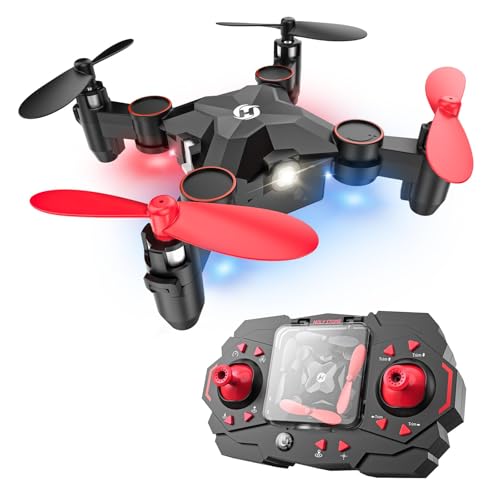
While the DJI Mini 2 is a versatile and powerful drone, it is not designed to be flown in rain or wet conditions. The lack of water resistance and an official IP rating make it vulnerable to water damage, which can compromise its performance and lead to costly repairs. It is essential to prioritize safety and adhere to manufacturer guidelines when operating the DJI Mini 2. If capturing aerial footage in rainy conditions is necessary, consider exploring alternative options specifically designed for wet environments or waiting for favorable weather conditions.
Prime for Young Adults — 6 Months Free
Exclusive Offer Amazon Prime for Young Adults, Students and 18–24s get six months of Prime free, then half price.
Start 6 Months Free As an Amazon Associate I earn from qualifying purchases.FAQs
What are the basics one should know about flying the DJI Mini 2 in rain?
The DJI Mini 2 is not waterproof and lacks an official IP rating. It should not be flown in heavy rain or wet conditions as it can sustain water damage, compromise its performance, and potentially lead to a loss of control.
Are there any common misconceptions about flying the DJI Mini 2 in rain?
One common misconception is that light rain or moisture is harmless to the DJI Mini 2. While it may be able to withstand a few raindrops, it’s still advisable to avoid flying in these conditions to minimize the risk of damage or malfunctions.
How is flying the DJI Mini 2 in rain relevant to the current drone industry?
The topic of flying drones in rain is relevant because it highlights the limitations and considerations involved in operating consumer-grade drones. It emphasizes the importance of understanding a drone’s water resistance capabilities and the potential risks associated with flying in wet conditions.
What future prospects or developments are expected in flying drones in rainy conditions?
As technology advances, there may be improvements in waterproofing capabilities for drones. Future drone models might incorporate better water resistance features and higher IP ratings, allowing for safer operations in rainy conditions. However, it is important to note that currently, there are no guarantees of complete water resistance in consumer-grade drones.
How can someone get involved or learn more about flying the DJI Mini 2 in rain?
To learn more about flying the DJI Mini 2 in rain, drone enthusiasts can consult the DJI Mini 2’s user manual, visit online forums and communities dedicated to drones, and engage in discussions with experienced drone pilots who have knowledge and expertise in flying in various weather conditions.
Call to Action
If you’re interested in exploring the world of drones and want to stay updated with the latest news, tips, and developments, be sure to subscribe to our newsletter and follow our blog. Join our growing community of drone enthusiasts, where you can learn, connect, and share your experiences with like-minded individuals. Happy flying!