The DJI Neo is an ultra-compact, 135g drone designed specifically for vloggers and casual creators who want high-quality 4K footage without a complex setup. It revolutionizes the entry-level market with palm takeoff and landing, AI subject tracking, and the ability to fly without a traditional remote controller.
🎯 Key Takeaways
- Weighing only 135g, it is DJI’s lightest and most portable drone to date.
- Supports controller-free operation using palm takeoff and AI voice commands.
- Captures 4K ultra-stabilized video specifically optimized for social media content.
- Features full-coverage propeller guards for safe indoor and close-quarters flying.
- Offers a budget-friendly entry point for creators transitioning from action cameras.
The DJI Neo is the lightest, smallest, and most user-friendly drone DJI has ever produced. Weighing a mere 135 grams, it serves as a dedicated “vlog” drone designed to bridge the gap between a handheld smartphone camera and a professional quadcopter. It eliminates the steep learning curve of traditional drone flight by prioritizing automated modes and palm-based operation, making it the ultimate tool for creators who need quick, effortless aerial shots without the bulk.
Prime for Young Adults — 6 Months Free
Exclusive Offer Amazon Prime for Young Adults, Students and 18–24s get six months of Prime free, then half price.
Start 6 Months Free As an Amazon Associate I earn from qualifying purchases.This drone matters practically because it changes how we capture daily content. You no longer need a bulky carrying case or a dedicated remote controller to get cinematic footage. Because it falls well under the 250g regulatory weight limit in most regions, it requires minimal paperwork and offers maximum portability. Whether you are hiking, biking, or traveling, the DJI Neo acts as your personal, autonomous photographer that fits right in your pocket.
Understanding the DJI Neo: The Ultimate Palm-Sized Vlog Drone
Recommended Best Deal Products


The DJI Neo is not just a smaller Mavic; it is a fundamental shift in drone philosophy. While most drones are designed for “piloting,” the Neo is designed for “content.” Its core identity is centered on simplicity and accessibility. You can take off and land directly from your palm, which removes the anxiety of finding a flat landing pad or grass-free surface. It is built for the “TikTok and Reels” generation, focusing on vertical-friendly capabilities and immediate sharing.
Controller-Free Operation and Ease of Use
One of the most significant features of the Neo is its ability to operate without a remote controller. While you can pair it with a DJI RC-N3 or FPV Goggles, you can also control it entirely via your smartphone or the physical mode button on the drone itself. This “grab and go” functionality allows you to select a flight mode, press a button, and let the drone do the work. It is essentially a flying tripod that understands your environment and your movement.
- Palm Takeoff and Landing: No more searching for a landing pad; just hold it out and let it fly.
- Full Propeller Guards: The Neo features 360-degree prop protection, making it safe for indoor use and close-proximity filming.
- Voice Control: Use your phone to give the drone verbal commands, perfect for when your hands are busy.
- Instant Sharing: The drone connects to the DJI Fly app for quick video transfers and automated editing.
Who is the DJI Neo For?
This drone is specifically engineered for solo content creators and casual travelers. If you find the Mavic series too complex or the Mini series too focused on traditional flight, the Neo is your middle ground. It is for the person who wants to be in the shot rather than behind the controls. Because it uses AI to maintain focus on the subject, you can record high-quality follow-shots while walking or running without ever touching a joystick.
Technical Specifications and AI-Powered Flight Features
Despite its toy-like size, the DJI Neo packs impressive hardware that rivals larger entry-level drones. It is equipped with a 1/2-inch image sensor capable of capturing 12MP stills and 4K/30fps ultra-high-definition video. To ensure your footage looks professional, DJI has integrated its RockSteady and HorizonBalancing stabilization technologies. These systems digitally smooth out the bumps and tilts caused by wind or sudden movements, providing a gimbal-like look in a much smaller form factor.
Power in a 135g Package
The technical engineering required to keep a 4K camera stable in a 135g frame is remarkable. The Neo utilizes 22GB of internal storage, meaning you do not even need to worry about buying or forgetting a microSD card for short sessions. It can store roughly 40 minutes of 4K video or 55 minutes of 1080p footage. For power, the drone offers a flight time of approximately 18 minutes, which is more than enough for several “QuickShot” sessions on a single charge.
- Video Resolution: 4K at 30fps or 1080p up to 60fps for smooth motion.
- Weight: 135g, making it DJI’s lightest drone to date.
- Internal Storage: 22GB built-in (no SD card required).
- Wind Resistance: Level 4 wind resistance, allowing it to stay stable in light breezes.
- Stabilization: Electronic Image Stabilization (EIS) with RockSteady and HorizonBalancing.
AI Subject Tracking and Intelligent Flight Modes
The “magic” of the Neo lies in its AI algorithms. It doesn’t just fly; it follows. Using advanced computer vision, the Neo can lock onto a person and maintain that position even as they move through complex environments. This is paired with DJI’s signature QuickShots, which are pre-programmed flight paths that create cinematic movements with zero manual input.
Prime for Young Adults — 6 Months Free
Exclusive Offer Amazon Prime for Young Adults, Students and 18–24s get six months of Prime free, then half price.
Start 6 Months Free As an Amazon Associate I earn from qualifying purchases.For example, if you select the Dronie mode, the Neo will fly backward and upward while keeping you centered. In Circle mode, it orbits you perfectly. Other modes like Rocket, Spotlight, and Helix provide the variety of shots usually reserved for professional film sets. These modes are all accessible via the top-mounted button, allowing you to cycle through flight patterns in seconds.
DJI Neo vs. DJI Mini Series: Key Comparisons and Differences
Recommended Best Deal Products
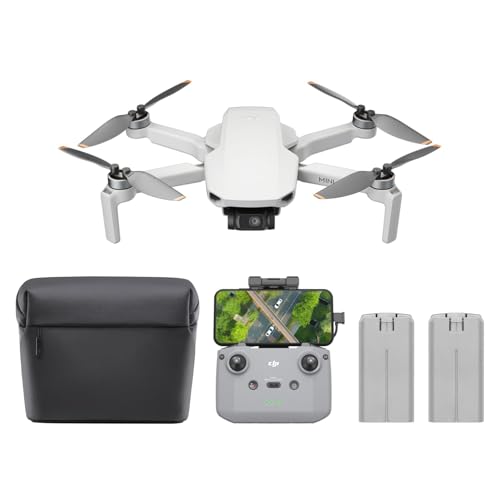

When looking at the DJI lineup, many pilots wonder where the DJI Neo fits in relation to the popular Mini series. While both are incredibly lightweight and beginner-friendly, they serve very different purposes. The Mini series is designed for traditional aerial photography, whereas the Neo is built for effortless content creation and close-quarters vlogging.
Portability and Design Philosophy
The most immediate difference is the physical footprint. While the DJI Mini 4 Pro or Mini 3 are “ultralight” at under 249 grams, the DJI Neo weighs a staggering 135 grams. More importantly, the Neo features a rugged, full-coverage propeller guard design. Unlike the Mini series, which requires careful handling of its exposed folding arms, the Neo is a “toss in your bag” device that feels much more like a piece of wearable tech than a fragile aircraft.
- Weight: Neo (135g) vs. Mini Series (Under 249g).
- Durability: Neo has built-in propeller guards; Mini series requires separate accessories for indoor protection.
- Setup Time: Neo allows for instant palm launches; Mini series usually requires unfolding and controller syncing.
Camera Performance and Stability
If you are looking for cinematic, 4K/60fps masterpieces with a mechanical 3-axis gimbal, the Mini series remains the king. The Neo uses a 1-axis gimbal paired with electronic image stabilization (RockSteady and HorizonBalancing). While the Neo produces surprisingly smooth 4K footage for social media, the Mini 4 Pro offers higher dynamic range and better low-light performance. Choose the Neo for quick selfies and social clips, but stick to the Mini for professional-grade landscapes.
Use Cases and Expert Tips for Getting the Best Footage
The DJI Neo isn’t just a “smaller drone”—it is a specialized tool that thrives in environments where larger drones might feel intrusive or difficult to manage. To get the most out of this tiny powerhouse, you need to understand where its strengths lie.
The Ultimate Solo Vlogging Tool
The Neo shines when it is used as a personal cameraman. Because it features advanced AI subject tracking, it is perfect for solo travelers, hikers, or mountain bikers who want to capture themselves in action without needing a second person to operate a remote. Because it can fly safely indoors and near people, you can get unique “follow-me” shots through narrow hallways or forest trails that would be too risky for a larger drone.
- Dynamic Tracking: Use the Neo to follow your movement during outdoor workouts or walking tours.
- Close-Up Perspectives: Its small size allows it to fly through gaps and closer to subjects for a more intimate feel.
- Social-Ready: The footage is optimized for vertical crops and quick sharing to platforms like Instagram or TikTok.
Maximizing Visual Quality in Various Environments
To get professional-looking results from the Neo, lighting is your best friend. Since the sensor is smaller than those found on the Mavic or Mini series, shooting in bright, natural light will significantly reduce grain and keep the colors vibrant. When flying in windy conditions, try to keep the drone closer to the subject; while the stabilization software is excellent, the physical lightweight nature of the drone means it works harder in high gusts.
Prime for Young Adults — 6 Months Free
Exclusive Offer Amazon Prime for Young Adults, Students and 18–24s get six months of Prime free, then half price.
Start 6 Months Free As an Amazon Associate I earn from qualifying purchases.- Golden Hour: Shoot during the hour before sunset for the most flattering skin tones and soft shadows.
- Audio Sync: Use the DJI Fly app to record audio via your smartphone or a DJI Mic to eliminate the sound of the drone motors.
- Check Your Surroundings: Even with AI tracking, ensure your flight path is clear of thin wires or small branches that sensors might miss.
Conclusion
Recommended Best Deal Products


The DJI Neo is a groundbreaking addition to the world of hobbyist drones, bridging the gap between a high-end flying camera and a portable vlogging accessory. By prioritizing ease of use, palm-based operation, and extreme portability, DJI has created a device that appeals to creators who want the shot without the complexity of traditional flight. Whether you are a seasoned pilot looking for a “fun” backup or a beginner looking for your first 4K camera, the Neo offers incredible value in a tiny package.
Ready to take your content to the skies? Consider the Fly More Combo to ensure you have enough batteries for a full day of shooting, and start exploring the creative possibilities of the DJI Neo today!
💬 Quick Questions & Answers
How much does the DJI Neo weigh?
The DJI Neo weighs approximately 135 grams, making it exempt from most drone registration requirements.
Does the DJI Neo require a remote controller?
No, it can be operated directly via buttons on the drone, a smartphone app, or voice commands.
What is the maximum video resolution?
The DJI Neo captures video at up to 4K/30fps with RockSteady and HorizonBalancing stabilization.
Can it follow you automatically?
Yes, it features advanced AI subject tracking to follow users during various activities like walking or cycling.
How do you launch the DJI Neo?
It is designed for palm takeoff and landing, allowing for quick deployment without a flat landing pad.
❓ Frequently Asked Questions
How does the DJI Neo differ from the DJI Mini series?
While the Mini series focuses on long-range aerial photography with mechanical gimbals, the Neo is a specialized ‘vlog’ drone designed for close-range AI tracking and palm-launching without a controller.
What is the flight time for the DJI Neo?
The DJI Neo offers approximately 18 minutes of flight time per battery, which is sufficient for roughly 20 short palm-launch filming sequences.
Does the DJI Neo have internal storage?
Yes, it features 22GB of internal storage, capable of holding about 40 minutes of 4K/30fps video or 55 minutes of 1080p footage.
Is the DJI Neo safe for flying indoors?
Yes, its fully enclosed propeller guards and lightweight design make it one of the safest drones for indoor vlogging and navigating tight spaces.
Can I record audio while flying the DJI Neo?
You can record high-quality audio by connecting the DJI Fly app to a smartphone or using the DJI Mic 2, which automatically syncs with the footage.
Is the DJI Neo compatible with FPV goggles?
Yes, it supports DJI Goggles 3 and the RC Motion 3 controller, allowing users to experience immersive first-person view flight.