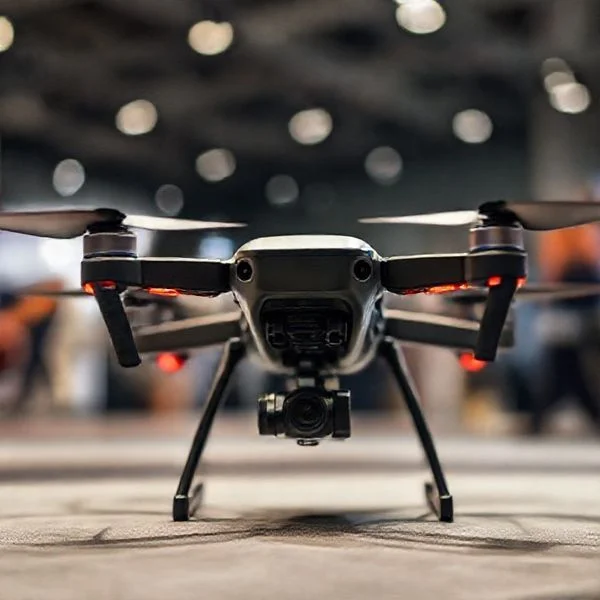
Commercial drones are currently optimized to transport small, high-value, or time-sensitive goods weighing between 1 and 5kg. The most common applications include urgent medical supplies, hot meals, and lightweight retail items for rapid last-mile delivery.
🎯 Key Takeaways
- Medical supplies like vaccines and blood samples are top priority drone payloads.
- Most commercial delivery drones carry weights between 2 and 10 pounds effectively.
- Last-mile retail delivery focuses on electronics, prescriptions, and small household essentials.
- Specialized thermal containers allow drones to transport temperature-sensitive food and beverages.
- Industrial parts are increasingly delivered via drone to offshore or remote work sites.
Current commercial drone delivery is defined by a specific payload window: 1kg to 5kg (roughly 2.2 to 11 pounds). This technology does not replace the heavy-duty delivery truck; instead, it targets high-value, time-critical items that need to bypass urban congestion. By focusing on small, lightweight packages, drone logistics providers can cut delivery windows from hours to under fifteen minutes.
Prime for Young Adults — 6 Months Free
Exclusive Offer Amazon Prime for Young Adults, Students and 18–24s get six months of Prime free, then half price.
Start 6 Months Free As an Amazon Associate I earn from qualifying purchases.
Practical drone delivery matters because it solves the “last-mile” problem—the most expensive and slowest part of the shipping process. Whether you are a pharmacy needing to send urgent medication or a retailer fulfilling a “need it now” gadget order, understanding the specific categories and weight limits ensures you can integrate this tech into your workflow effectively. This guide breaks down exactly what fits into the current drone cargo hold.
Categorizing Deliverable Goods: From Medical to Retail
The most viable items for drone transport share two traits: they are lightweight and have high urgency. Because drones move through the air in a straight line, they are perfect for goods that degrade over time or items needed for emergencies. Currently, three specific sectors dominate the delivery market, each utilizing the drone’s ability to hover and lower packages via tether or land in a designated “clear zone.”
Urgent Medical and Life-Saving Supplies
Medical logistics is the most mature sector of drone delivery. Because medical items are often small and carry a high price point per gram, they fit the drone profile perfectly. Speed in this category isn’t just a convenience; it is often life-saving. Common medical payloads include:
- Blood Products: Whole blood units, platelets, and plasma for emergency transfusions in remote areas.
- Vaccines and Lab Samples: Temperature-sensitive vials and diagnostic swabs that require rapid transport to labs.
- Emergency Hardware: Automated External Defibrillators (AEDs), Epi-Pens, and Naloxone kits for first-responder support.
- Prescription Meds: Direct-to-consumer delivery of daily maintenance medications or urgent antibiotics.
On-Demand Consumer Goods and Food
The retail sector focuses on items that fit within a standard “shoebox” volume. This includes “panic buys”—items you forgot to get at the store but need immediately. Hot food delivery is also a massive driver for drone adoption, as the speed of flight ensures the meal arrives at the proper temperature. Common retail items include:
- Small Electronics: Smartphone chargers, wireless earbuds, charging cables, and power banks.
- Personal Care: Over-the-counter pain relief, infant formula, diapers, and feminine hygiene products.
- Prepared Food: Hot coffee, sandwiches, and small grocery items like a single carton of eggs or a bottle of milk.
- High-Value Tools: Small specialized components for job sites, such as specific drill bits or fasteners needed to finish a project.
Technical Constraints: Understanding Weight and Size Limits
While the idea of a drone carrying a heavy crate is popular in science fiction, the physics of battery density and motor lift-capacity keep current payloads relatively small. To maintain stability in wind and ensure enough battery life for a round trip, commercial drones operate within very tight margins. Exceeding these limits doesn’t just slow the drone down; it creates a significant safety risk and drains the battery before the return leg of the trip.
The 5-Pound Sweet Spot
Most major delivery providers, including Wing and Amazon Prime Air, have optimized their airframes for a 5-pound (2.26kg) limit. This weight accounts for roughly 85% to 90% of all small-parcel retail deliveries globally. Carrying more than this requires significantly larger rotors and high-voltage battery systems, which increases the drone’s noise profile and regulatory complexity. Practical data suggests:
- Average Payload: 1.2kg to 2.5kg is the “efficiency zone” for maximum range.
- Battery-to-Weight Ratio: For every extra 500g of cargo, the drone’s effective range can drop by as much as 15%.
- Packaging Weight: You must account for the specialized aerodynamic packaging, which usually adds 100g-200g to the total payload.
Volumetric Dimensions and Aerodynamics
Size often matters more than weight. A drone’s flight controller is calibrated for a specific center of gravity. If a package is too bulky, it creates “drag,” causing the drone to fight against the wind. This wastes energy and can make the aircraft unstable in gusts. Most delivery drones utilize a standard internal bay or a specialized aerodynamic pod. Typical dimensions include:
Prime for Young Adults — 6 Months Free
Exclusive Offer Amazon Prime for Young Adults, Students and 18–24s get six months of Prime free, then half price.
Start 6 Months Free As an Amazon Associate I earn from qualifying purchases.- Standard Volume: Most cargo bays are roughly 10 to 15 liters in total volume.
- Max Dimensions: Items generally cannot exceed 30cm x 20cm x 12cm (approximately 12″ x 8″ x 5″).
- Shape Constraints: Items must be balanced. A long, thin rod weighing only 1kg is harder to transport than a compact 2kg block because of the leverage it exerts on the drone’s frame.
Last-Mile vs. Remote Logistics: Use Case Comparisons
The geography of a delivery route dictates not just how a drone flies, but what it carries. Understanding the distinction between urban last-mile delivery and remote logistics is essential for choosing the right drone setup. While urban environments focus on efficiency and speed, remote operations often prioritize life-saving reliability and range.
The Urban Last-Mile Efficiency
In densely populated cities, drones are primarily used to bypass traffic congestion. These “last-mile” missions typically involve light, high-frequency payloads. Think of the 15-minute delivery window for a hot meal or a forgotten grocery item. Because the distances are shorter, the payloads can be slightly more varied, provided they fit within the aerodynamic profile of the drone. Efficiency is king here; the goal is to get small items from a local hub to a doorstep in minutes rather than hours.
Critical Access in Remote and Rural Areas
In contrast, remote logistics focus on reaching areas that are inaccessible by traditional vehicles due to terrain, weather, or lack of infrastructure. This is where drones become truly transformative. Instead of consumer goods, these payloads often consist of high-value medical supplies, such as anti-venom, blood samples, or automated external defibrillators (AEDs). These drones usually travel longer distances and must endure harsher environmental conditions, requiring specialized airframes and payload bays.
- Urban Priorities: Low noise profiles, precision landing sensors, and small-parcel capacity.
- Remote Priorities: Long-range battery or hybrid systems, weatherproofing, and satellite-linked navigation.
- Common Payloads: Consumer electronics and food (Urban) vs. medical kits and emergency repair parts (Remote).
The Role of Specialized Accessories in Payload Safety
A drone is only as good as the gear it uses to secure its cargo. In the world of drone accessories, the focus has shifted from simple mounting brackets to sophisticated, purpose-built hardware designed to protect the payload and the aircraft. Without the right accessories, even a light package can cause a drone to become unstable or damage the goods during transit.
Advanced Release Mechanisms and Winches
One of the biggest challenges in drone delivery is the actual “hand-off.” In many residential areas, landing the drone is too risky due to pets, children, or uneven terrain. This is where automated winch systems come into play. These accessories allow the drone to remain at a safe altitude while lowering the payload via a tether. Once the package touches the ground, a smart release mechanism detaches the hook automatically. This keeps the drone’s sensitive rotors away from obstacles and ensures a smooth delivery every time.
Climate-Controlled and Vibration-Dampened Cargo Boxes
For sensitive payloads like vaccines or high-end electronics, a standard cardboard box won’t suffice. Specialized cargo accessories now include insulated, temperature-controlled pods that maintain a strict internal climate regardless of the outside air temperature. Additionally, vibration-dampening mounts are crucial. These accessories sit between the drone’s frame and the payload, absorbing the high-frequency jitters of the motors to protect delicate sensors or liquid medicines from being shaken during flight.
- Gimbal-Stabilized Carriers: Keeps the payload level even during aggressive maneuvers or high winds.
- Thermal Liners: Essential for maintaining the “cold chain” for medical supplies or the heat for food delivery.
- Parachute Systems: An essential safety accessory that deploys automatically if the drone experiences a motor failure, protecting the payload and people on the ground.
- External Lighting: High-visibility LEDs that help keep the payload visible during low-light or night-time operations.
Conclusion
The potential for drone delivery is vast, stretching from the convenience of a hot coffee to the critical urgency of a life-saving medical kit. As we’ve seen, the “what” of drone delivery is limited only by weight, regulations, and the innovation of payload accessories. By matching the right cargo with the appropriate flight environment and protective gear, operators can ensure a delivery process that is both safe and efficient.
Prime for Young Adults — 6 Months Free
Exclusive Offer Amazon Prime for Young Adults, Students and 18–24s get six months of Prime free, then half price.
Start 6 Months Free As an Amazon Associate I earn from qualifying purchases.Next Steps:
- Assess your specific delivery needs by calculating the average weight and dimensions of your most common payloads.
- Invest in high-quality winch systems or stabilized mounts to broaden your delivery capabilities.
Ready to elevate your delivery game? Explore the latest in specialized drone accessories and start optimizing your payload logistics today!
❓ Frequently Asked Questions
What are the most common items delivered by drones today?
The most frequent items include pharmaceutical prescriptions, quick-service restaurant meals, and small household essentials. These items are prioritized because they fit within the 5-pound weight limit and benefit significantly from the speed of aerial transport.
How do drones handle temperature-sensitive medical supplies?
Drones utilize specialized cold-chain cargo boxes equipped with thermal insulation and real-time temperature sensors. This ensures that sensitive biological materials like vaccines remain at a stable, required temperature throughout the flight duration.
What determines the maximum payload size a drone can carry?
Payload capacity is determined by a combination of motor thrust, battery density, and the drone’s structural design. Larger or irregularly shaped items also increase aerodynamic drag, which can significantly reduce the drone’s flight range and stability.
Is it possible to deliver liquids via drone?
Yes, liquids like coffee, soda, and even bottled water are commonly delivered. Specialized spill-proof lids and stabilization gimbals are often used to prevent leaking during the high-acceleration phases of the flight.
How does weather affect what a drone can transport?
High winds and precipitation can lower the effective weight capacity of a drone. Bulkier packages act like sails in the wind, requiring more power to stabilize, which may lead to smaller weight limits during inclement weather.
Why aren’t drones used for heavy furniture delivery yet?
The energy required to lift heavy furniture is currently beyond the capacity of electric battery technology for long-distance flight. Additionally, the risk of a heavy payload falling in an urban environment presents significant regulatory and safety hurdles.