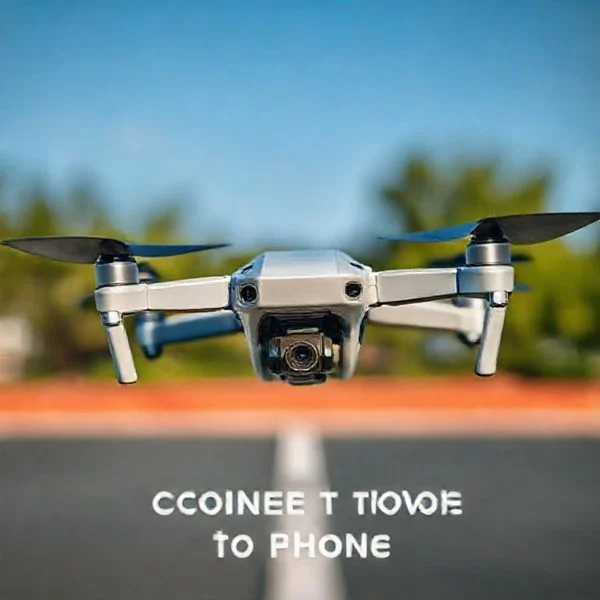
Police drones are typically industrial-grade aircraft characterized by their larger size and specialized payloads like thermal cameras and loudspeakers. While they often resemble high-end commercial drones, they are distinguished by tactical strobe lights and official department markings.
🎯 Key Takeaways
- Industrial Scale:Look for large frames like the DJI Matrice series.
- Advanced Payloads:Spot dual-lens cameras and oversized thermal sensors.
- Lighting Systems:Identify high-intensity strobes or red/blue flashing LED lights.
- External Accessories:Look for mounted loudspeakers or high-powered spotlights.
- Official Markings:Check for ‘Police’ decals or unit identification numbers.
- Flight Behavior:Note steady, high-altitude hovering for extended surveillance durations.
You can identify a police drone by looking for a heavy-duty, industrial frame equipped with specialized attachments like thermal cameras, loudspeakers, or high-intensity strobes. While hobbyist drones are usually sleek and minimalist, law enforcement aircraft are “tools of the trade” and look the part. They often feature matte finishes, oversized multi-lens gimbals, and modular components strapped to the top of the chassis. These drones are built for durability and utility rather than aesthetics.
Prime for Young Adults — 6 Months Free
Exclusive Offer Amazon Prime for Young Adults, Students and 18–24s get six months of Prime free, then half price.
Start 6 Months Free As an Amazon Associate I earn from qualifying purchases.
Being able to distinguish a public safety asset from a recreational flyer is essential for situational awareness. If you see an aircraft with a three-foot wingspan or a smaller drone carrying a “top-heavy” attachment, you are likely looking at a police operation. Recognizing these specific hardware profiles helps you understand the nature of the drone activity in your immediate area during an emergency or public event.
Common Law Enforcement Drone Models and Brands
Recommended Best Deal Products

Most police departments do not build their own drones; they purchase enterprise-grade platforms from a few dominant manufacturers. If you want to know what a police drone looks like, you should familiarize yourself with the DJI Matrice and Mavic Enterprise series, as well as the Autel EVO II Dual. These models account for the vast majority of law enforcement fleets globally.
The DJI Matrice Series: The Heavy Hitter
The DJI Matrice 300 and 350 RTK are the “workhorses” of modern policing. You can spot these easily because of their massive size and unique configuration. Unlike consumer drones, the Matrice has its motors and propellers pointed downward (inverted). This gives it a distinct, spider-like silhouette in the air. These drones typically have a wingspan of nearly three feet and are almost always matte black or dark gray.
- Inverted Motors: The propellers sit below the arms rather than on top.
- Size: It is significantly larger than any drone you would find at a typical electronics store.
- Landing Gear: Large, fixed carbon-fiber legs that do not retract.
- Payload Ports: You might see two cameras mounted side-by-side or even a camera mounted on the top of the drone.
The DJI Mavic 3 Enterprise and Autel EVO II
For quick deployment, many officers use smaller, foldable drones like the DJI Mavic 3 Enterprise or the Autel EVO II Dual. At a distance, these can look like hobbyist drones, but closer inspection reveals key differences. The “Enterprise” versions of these drones have a dedicated accessory port on the top. This results in a “hump” or a “top-hat” look where a speaker or a spotlight has been bolted on. The cameras on these models are also much larger and more rectangular than the small, square cameras found on consumer models.
- Mavic 3 Enterprise: Features a blocky, multi-lens camera and a modular port on the roof of the aircraft.
- Autel EVO II Dual: Often seen in a bright “safety orange” or dark gray color, featuring a massive, bulbous camera housing a thermal sensor.
- Propellers: These drones often use longer, high-efficiency blades that produce a lower-pitched hum compared to the high-pitched whine of a toy drone.
Physical Indicators: Payloads, Sensors, and Markings
The easiest way to identify a police drone is by looking at what it is carrying. Law enforcement missions require specialized “payloads” that are rarely found on civilian aircraft. These external components are often bulky and disrupt the aerodynamic lines of the drone, making them stand out to a trained eye.
Multi-Sensor Gimbals and Thermal Lenses
A standard drone camera has one lens. A police drone camera usually has two to four. When looking at the gimbal (the camera mount), you will notice multiple “eyes.” One is a standard high-definition zoom lens, while the second is often a thermal imaging lens. Thermal lenses look like flat, dark, metallic squares or circles that don’t reflect light the same way glass lenses do. These allow officers to see heat signatures through foliage or in total darkness.
- Hybrid Gimbals: Large, boxy camera units that house both visual and infrared sensors.
- Laser Rangefinders: A small, rectangular glass window near the lens used to calculate distances to objects or suspects.
- Powerful Zoom: The lens may appear physically longer or more recessed, allowing the drone to monitor a scene from hundreds of feet away.
Tactical Attachments: Speakers and Strobes
If the drone has an object sitting on its “roof,” it is almost certainly a professional or law enforcement model. Public safety drones are frequently equipped with “tactical accessories” used for communication or visibility. A loudspeaker (PA system) looks like a rectangular gray box with a mesh front, mounted directly on top of the drone. This allows officers to give commands to suspects or find lost hikers.
Prime for Young Adults — 6 Months Free
Exclusive Offer Amazon Prime for Young Adults, Students and 18–24s get six months of Prime free, then half price.
Start 6 Months Free As an Amazon Associate I earn from qualifying purchases.Additionally, look for high-intensity strobe lights. While all drones have small navigation lights (red and green), police drones often carry an auxiliary strobe that is much brighter. These strobes are designed to be visible for miles and can flash in white, red, or blue. If you see a drone with a light so bright it is uncomfortable to look at directly, it is likely a tactical spotlight or a law enforcement strobe used for night operations.
- Searchlights: Small but incredibly bright LED pods that can tilt independently of the drone.
- Identification Markings: Many departments apply “POLICE” or “SHERIFF” decals in high-visibility or reflective silver lettering along the arms or battery housing.
- RTK Modules: A white or gray cylinder on top of the drone used for centimeter-level GPS accuracy during crime scene mapping.
Size and Structural Differences vs. Consumer Drones
While hobbyist drones are designed to be sleek, portable, and aesthetically pleasing, police UAVs are built for utility and durability. If you see a drone that looks “industrial” or significantly larger than a standard palm-sized quadcopter, there is a high probability it belongs to a public safety agency. These machines are the workhorses of the sky, prioritizing stability and payload capacity over flashy design.
Bulkier Frames and Ruggedized Builds
Most consumer drones, like the DJI Mini series, are lightweight enough to fit in a jacket pocket. In contrast, a typical police drone, such as the DJI Matrice 300 RTK, has a footprint closer to that of a large suitcase. These units feature thick, reinforced arms and landing gear that does not retract, allowing them to carry heavy specialized equipment without compromising flight stability.
- Fixed Landing Gear: Unlike many high-end cinematography drones, police models often have sturdy, fixed legs to protect expensive underside sensors during emergency landings.
- Propeller Size: Look for significantly larger propellers. These produce a deeper, more resonant hum compared to the high-pitched “mosquito” buzz of smaller consumer drones.
- All-Weather Protection: Police drones often have visible weather-sealing or “IP-rated” shells, allowing them to fly in rain or snow—conditions that would grounded a standard hobbyist drone.
Specialized Attachments and Payloads
The most telling sign of a law enforcement drone is what is hanging off of it. While a consumer drone has a single integrated camera, a police UAV is often a “modular” platform. You might see multi-lens gimbal systems that include a standard visual camera alongside a thermal imaging sensor. These payloads are often much larger and more prominent than the built-in cameras found on recreational models.
- External Speakers: Many police drones are equipped with “public address” systems—small, boxy speakers used to communicate with people on the ground.
- High-Intensity Spotlights: Look for powerful LED arrays mounted to the top or bottom, used for illuminating dark alleys or search-and-rescue scenes.
- Dual Battery Packs: To stay airborne longer, these drones often have two large battery compartments visible on the sides or rear of the main body.
Flight Patterns and Operational Behaviors of Police UAVs
Identifying a police drone isn’t just about its physical appearance; it’s also about how it moves through the air. Law enforcement pilots are trained to follow specific protocols and flight paths that differ significantly from the erratic or “playful” movements of a recreational flyer. When a drone is “on the clock,” its behavior is methodical and mission-driven.
Persistent Hovering and Perimeter Monitoring
A hobbyist usually flies a drone to capture a quick sunset photo or to race through obstacles. A police drone, however, is often used as a “eye in the sky” for extended periods. If you notice a drone hovering perfectly still over a specific intersection, building, or event perimeter for 20 minutes or more, it is likely conducting active surveillance or situational awareness for ground units.
- Stationary Observation: They often maintain a “high-perch” position, staying at a consistent altitude to monitor a wide area without moving the airframe.
- Coordinate-Based Flying: These drones move in straight, precise lines. Because they are often controlled via GPS waypoints, their turns and transitions look robotic and perfectly calculated.
- Nighttime Strobes: Per FAA regulations, police drones operating at night must have high-intensity anti-collision strobes. These are often bright white or green and can be seen from miles away.
Search and Rescue (SAR) Grid Patterns
During search operations, police drones perform what is known as a “lawnmower” pattern. The drone will fly back and forth in perfectly parallel lines, covering a specific sector of ground with overlapping sensor data. This is a dead giveaway of a professional operation, as it is a standard technique for finding missing persons or mapping a crime scene.
Prime for Young Adults — 6 Months Free
Exclusive Offer Amazon Prime for Young Adults, Students and 18–24s get six months of Prime free, then half price.
Start 6 Months Free As an Amazon Associate I earn from qualifying purchases.Practical Tip: If you see a large drone flying at a very high altitude (near the 400-foot legal limit) and it seems to be ignoring local landmarks to follow a strict back-and-forth path, it is almost certainly a government or utility UAV performing a scan.
Conclusion
Recognizing a police drone is largely about spotting the scale and the specialized gear that consumer models simply don’t have. From the heavy-duty frames of the Matrice series to the tell-tale presence of thermal sensors, spotlights, and loudspeakers, these aircraft are built for “work” rather than “play.” By observing their methodical flight patterns—such as persistent hovering or grid-based searching—you can easily distinguish a professional public safety operation from a local hobbyist.
If you are interested in the technology behind these aerial tools, take a moment to research the drone policies in your local municipality. Staying informed about how your community uses UAV technology is the best way to understand the “eyes in the sky” above you. Keep your eyes on the horizon and stay curious about the evolving world of drone tech!
❓ Frequently Asked Questions
What are the most popular drone models used by police?
The most common models include the DJI Matrice 300 RTK, the DJI Matrice 30T, and the Autel EVO II Dual 640T, all of which are rugged, enterprise-grade platforms.
How can I tell the difference between a police drone and a regular one?
Look for a bulky ‘payload’ underneath the drone containing multiple camera lenses, as well as add-ons like speakers or spotlights that aren’t found on consumer models.
Can police drones see through walls or into windows?
While they use thermal imaging to detect heat signatures through some materials, they cannot ‘see’ through solid walls like X-ray vision; they mostly observe heat differentials.
How high do police drones typically fly?
They usually operate between 200 and 400 feet to maintain a wide field of view while remaining within FAA regulations and staying relatively discreet.
Do all police drones have ‘POLICE’ written on them?
Not all; while many departments apply ‘Police’ or ‘Sheriff’ decals for public transparency, some tactical units use unmarked, matte-black drones for stealth.
What is the purpose of the round ‘domes’ on top of some police drones?
These are typically RTK (Real-Time Kinematic) antennas used for hyper-accurate GPS positioning and mapping, a feature rarely seen on hobbyist drones.