Drone ants exist solely for the purpose of reproduction, specifically to fertilize a virgin queen during the massive nuptial flight. Unlike worker ants, they do not forage, defend the nest, or care for larvae, and they typically die shortly after completing their mating mission.
🎯 Key Takeaways
- Drone ants are the only males in a colony and exist solely for mating.
- They lack the anatomy required for foraging, stinging, or defending the nest.
- Drones participate in a ‘nuptial flight’ to fertilize new queens from other colonies.
- Most drone ants die immediately or within hours after a successful mating encounter.
- Seeing winged drones is a signal of a mature, healthy ant colony nearby.
Drone ants exist for one single, vital purpose: to fertilize a virgin queen and ensure the genetic survival of the species. Unlike the female workers who build tunnels, forage for sugar, and protect the nest, drones are the colony’s “reproductive missiles.” They are the only males in the colony, born from unfertilized eggs, which means they carry only the DNA of their mother. Their entire life is a high-stakes countdown to a single aerial encounter where they will attempt to pass on their genetics before dying almost immediately.
Understanding the role of the drone is essential for anyone observing ant behavior or managing a property. If you spot these winged ants swarming, you are not just seeing a nuisance; you are witnessing a critical biological event known as the nuptial flight. Recognizing these males helps you identify when a colony has reached maturity and allows you to predict when new nests are likely to form in your immediate environment. By focusing on the drone, you see the “big picture” of how ant populations expand and persist.
Prime for Young Adults — 6 Months Free
Exclusive Offer Amazon Prime for Young Adults, Students and 18–24s get six months of Prime free, then half price.
Start 6 Months Free As an Amazon Associate I earn from qualifying purchases.The Biological Mission: Why Drone Ants Exist
Recommended Best Deal Products


The sole purpose of a drone is genetic delivery. Within the complex social structure of the nest, drones are the only members that do not contribute to daily chores. They do not forage, they do not clean, and they do not defend the entrance. In the eyes of the colony, they are a biological investment. The colony spends energy feeding and protecting them solely for the few minutes they will spend in the air seeking a mate.
Fertilization and Species Survival
A drone’s sperm is the lifeblood of every future colony. When a drone successfully mates with a queen during her flight, she stores his genetic material in a specialized internal organ called a spermatheca. Remarkably, she will use this single “delivery” to produce millions of offspring for the rest of her life, which can last over a decade. Without the drone’s successful mission, a queen cannot produce workers, and the lineage of the colony ends. The drone acts as a bridge, carrying the genetics of his home nest to a completely new location to start a fresh cycle of life.
The Pursuit of Genetic Diversity
Drones are programmed to fly far away from their original nest to find queens from unrelated colonies. This behavior is a natural safeguard against inbreeding. By mixing genetic pools, drones ensure that the next generation of ants is resilient against diseases and environmental changes. They are essentially the “pollen” of the ant world, spreading genetic data across the landscape.
- One-Way Mission: Drones are designed to mate once and die; they have no role in the colony after the nuptial flight.
- Resource Timing: Colonies only produce drones when they have a surplus of food and stable environmental conditions.
- Population Impact: A single swarm can involve thousands of drones, ensuring at least a few successful pairings occur despite heavy predation.
Anatomy of a Drone: Why They Cannot Perform Worker Tasks
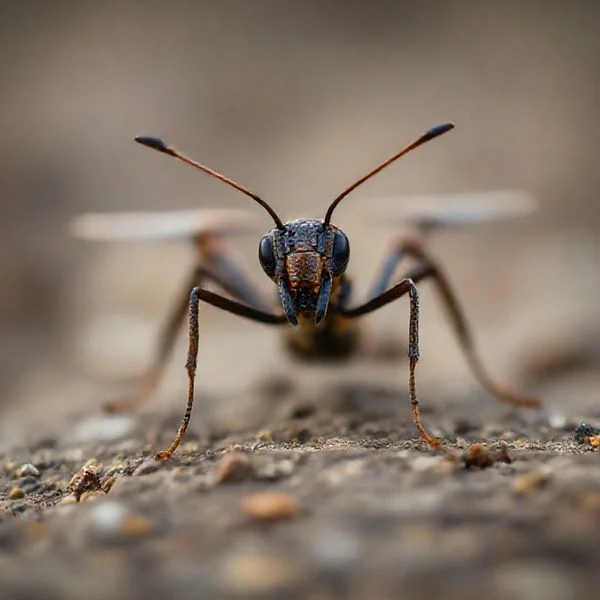
If you look closely at a drone, you will notice they look more like tiny wasps than typical ants. This physical deviation is not accidental. Every part of a drone’s body is optimized for high-speed aerial maneuvers rather than ground-based labor. Their anatomy is so specialized for flight and mating that they are physically incapable of performing the tasks that keep a colony running day-to-day.
Built for the Aerial Hunt
Drones possess massive compound eyes that take up a significant portion of their head. These eyes are much larger than a worker’s, providing the drone with the high-resolution vision needed to spot a queen flying against the bright sky. Additionally, they have long, sensitive antennae packed with pheromone receptors. These allow the drone to “smell” the specific chemical signals released by virgin queens from miles away, guiding them to the mating swarm with pinpoint accuracy.
The Cost of Specialization
Because their bodies are packed with flight muscles, drones lack the “tools” for survival. Their mandibles (jaws) are small and weak, making it impossible for them to dig through soil or chew food. They do not have a stinger or chemical sprays for defense, making them easy targets for birds and spiders. In many species, drones are so specialized that they cannot even feed themselves; they rely entirely on their worker sisters to regurgitate food for them until the day of the flight. Once they leave the nest, they have no way to gather more energy.
- Ocelli: Drones have three simple eyes on top of their head to detect light and maintain orientation during flight.
- Enlarged Thorax: The midsection is oversized to house powerful muscles that drive two sets of wings.
- Abdominal Specialization: Their abdomen is streamlined and contains the reproductive organs necessary for successful coupling mid-air.
- Lack of Tools: They lack the “pollen baskets” or strong legs found in other social insects, as they never forage.
The Nuptial Flight: A Male Ant’s Final Reproductive Journey
Recommended Best Deal Products


The nuptial flight is the most critical moment in a drone ant’s life. This is the only time they leave the safety of the colony to fulfill their biological destiny. It isn’t just a random flight; it is a massive, synchronized event involving thousands of ants from different colonies across the same region.
Prime for Young Adults — 6 Months Free
Exclusive Offer Amazon Prime for Young Adults, Students and 18–24s get six months of Prime free, then half price.
Start 6 Months Free As an Amazon Associate I earn from qualifying purchases.Environmental Triggers and Timing
Nature’s timing is incredibly precise. Drone ants don’t just fly whenever they feel like it. They wait for specific environmental cues to ensure the best chance of survival for the future queen. For many species, this happens on “Flying Ant Day,” typically occurring after a period of heavy rain when the ground is soft and the humidity is high.
- Humidity: High moisture levels prevent the ants’ delicate wings and bodies from drying out during the flight.
- Wind Speed: Drones prefer calm days so they can maintain control while searching for a mate.
- Temperature: Warm, balmy afternoons provide the thermal energy needed for these small insects to stay airborne.
The Aerial Competition
Once in the air, the drone’s life becomes a high-stakes race. They use their oversized eyes to spot a flying queen. Because so many drones from different nests take flight at once, this event ensures genetic diversity. By mating with drones from distant colonies, queens avoid inbreeding, which makes the new colony much stronger and more resilient to disease.
Example: In species like the Carpenter Ant, you might see hundreds of winged drones swarming around treetops or chimneys. They are essentially “nature’s original drones,” using advanced sensory input to track a target in three-dimensional space.
Life Span and the Evolutionary Impact of Male Drones
While the life of a drone ant is short, its impact on the species is monumental. People often view drones as “lazy” because they don’t gather food or defend the nest, but their entire existence is a focused sacrifice for the next generation.
The Genetic Payload
Drone ants are unique because they are haploid. This means they develop from unfertilized eggs and only carry one set of chromosomes—those of their mother, the Queen. When a drone mates, he is essentially passing on a direct copy of the Queen’s genetic legacy. He acts as a biological vessel, transporting her DNA to a new location to start a fresh lineage.
- Genetic Purity: Because they only have one set of genes, drones are a “pure” representation of their colony’s genetics.
- The End of the Line: Once a drone successfully mates, he dies almost immediately. His energy is entirely spent on the flight and the reproductive act.
- Resource Management: If drones do not find a mate, they are rarely allowed back into their home nest. The colony views them as a drain on resources once their “mission” window has closed.
Lessons from the Natural World
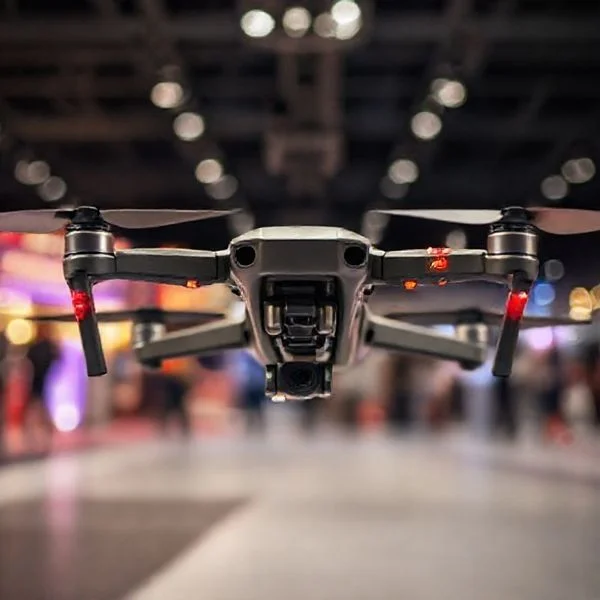
For those interested in tech and robotics, the drone ant offers a fascinating look at swarming intelligence. These insects show us how individual units—even those with very short lifespans—can contribute to the long-term success of a larger system. They are specialized tools designed for one specific high-priority task.
Practical Tip: If you are a drone photographer, keep an eye out for these swarms during the late summer. While they can be a nuisance for your camera lenses, capturing the sheer scale of a nuptial flight provides a stunning look at natural synchronization that mirrors modern drone light shows.
Prime for Young Adults — 6 Months Free
Exclusive Offer Amazon Prime for Young Adults, Students and 18–24s get six months of Prime free, then half price.
Start 6 Months Free As an Amazon Associate I earn from qualifying purchases.Conclusion: The Short but Significant Life of a Drone Ant
Drone ants may not be the workers building the tunnels or the soldiers defending the entrance, but they are the essential link in the survival of the species. From their specialized anatomy to their dramatic, one-way nuptial flight, their lives are a masterclass in biological efficiency. They prove that in nature, every role—no matter how brief—is vital for the success of the hive.
Next Steps:
- Keep an eye on the weather after the next big summer rain to see if you can spot a nuptial flight in your backyard.
- If you are an ant keeper or enthusiast, remember that seeing drones is a sign of a healthy, mature colony.
Nature is full of incredible “tech” that we are only beginning to understand. Next time you see a winged ant, give it a little respect—it’s on a mission that will define the future of its entire world!
❓ Frequently Asked Questions
What is the main difference between drone ants and worker ants?
Worker ants are sterile females responsible for all nest maintenance, foraging, and defense. Drone ants are males whose only function is to provide sperm to a virgin queen to start a new colony.
Why do drone ants have wings while workers do not?
Drones have wings to facilitate the ‘nuptial flight,’ where they fly high into the air to locate and mate with virgin queens from different colonies. This ensures genetic diversity within the species.
What happens to drone ants after they mate?
Drones typically die almost immediately after mating with a queen. If they do not find a mate during the flight, they usually die of exhaustion or are not allowed back into their original nest.
Is there a ‘King Ant’ in the colony?
No, there is no king. While drones are the fathers of future generations, they do not hold any power or long-term presence in the colony like the queen does.
How can I identify a drone ant versus a queen?
Drones are generally smaller than queens but larger than workers, featuring much larger eyes and a slimmer, more wasp-like abdomen compared to the bulky queen.
Why does the colony produce drones if they don’t work?
The production of drones is an evolutionary investment. While they don’t contribute to daily labor, they are essential for the survival and expansion of the species through the creation of new colonies.