DJI drones are high-performance unmanned aerial vehicles (UAVs) manufactured by Da-Jiang Innovations, the global leader in civilian drone technology. These aircraft are defined by their industry-leading gimbal stabilization, high-resolution cameras, and intuitive flight software that caters to both beginners and professionals.
🎯 Key Takeaways
- Takeaway 1:DJI holds over 70% of the global consumer drone market share.
- Takeaway 2:Their drones range from beginner-friendly Mini models to professional Mavic series.
- Takeaway 3:Proprietary OcuSync technology provides superior long-range video transmission stability.
- Takeaway 4:Integrated safety features like obstacle avoidance make them accessible to novices.
- Takeaway 5:DJI’s ecosystem includes specialized software for cinematic editing and flight management.
A DJI drone is much more than a remote-controlled aircraft; it is a sophisticated, highly integrated flying camera system that has become the gold standard for aerial photography. Think of DJI as the “Apple” of the drone industry. They dominate roughly 70% of the global market because they pioneered the out-of-the-box experience, combining high-end stabilized gimbals, advanced GPS flight controllers, and crystal-clear video transmission into a single, user-friendly package.

Choosing a DJI drone matters because it gives you access to a massive ecosystem of support, accessories, and refined software. Whether you are a hobbyist capturing vacation memories or a filmmaker shooting a commercial, DJI hardware offers a level of flight stability and obstacle avoidance that competitors struggle to match. When you buy a DJI drone, you aren’t just buying a toy; you’re investing in a reliable tool designed to keep your camera in the sky and your footage perfectly smooth.
Prime for Young Adults — 6 Months Free
Exclusive Offer Amazon Prime for Young Adults, Students and 18–24s get six months of Prime free, then half price.
Start 6 Months Free As an Amazon Associate I earn from qualifying purchases.Understanding the DJI Brand and Market Dominance
Recommended Best Deal Products
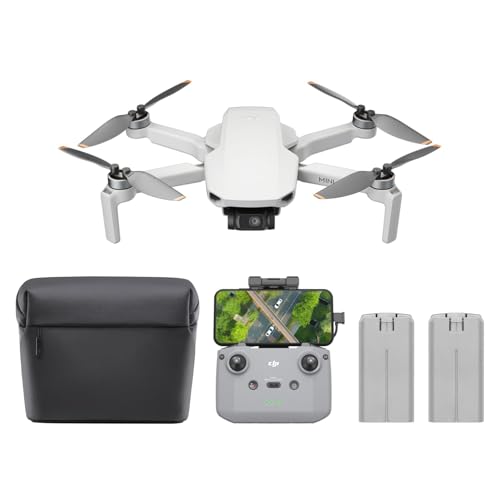


DJI’s dominance isn’t an accident. They have built an ecosystem where the hardware and software are inseparable. Unlike custom-built drones that require technical knowledge to assemble and tune, a DJI drone is ready to fly within minutes of charging the battery. This seamless integration is driven by their proprietary flight technology, specifically their OcuSync transmission system. This technology allows for low-latency HD video feeds over several miles, ensuring you always see exactly what your camera sees without lag or interference.
The Seamless Ecosystem Advantage
What defines the DJI experience is the synergy between the drone, the remote controller, and the DJI Fly app. This ecosystem provides several key benefits that make flying intuitive for beginners while remaining powerful for pros:
- Intelligent Flight Modes: Features like ActiveTrack allow the drone to follow subjects autonomously with professional precision.
- Safety Systems: DJI drones use Vision Sensing Systems and APAS (Advanced Pilot Assistance Systems) to detect and fly around obstacles in real-time.
- Geofencing: Built-in GEO software keeps you safe and legal by preventing flight in restricted zones like airports or sensitive government areas.
Reliability Through Vertical Integration
Because DJI manufactures its own gimbals, cameras, and flight controllers, the components communicate perfectly. This results in the most stable flight performance in the industry. Even in high winds, the mechanical 3-axis gimbals keep the horizon level and the footage shake-free. You get a “tripod in the sky” experience that allows for long-exposure photos and cinematic slow-motion shots that were once impossible for solo operators. Their market dominance also ensures that if you need a spare battery, a ND filter, or a repair part, you can find it in almost any electronics store worldwide.
Exploring the Consumer Product Line: Mini, Air, and Mavic
DJI categorizes its drones to fit specific user needs, ranging from casual travelers to high-end content creators. Understanding these categories is essential for choosing the right tool for your specific creative goals. Each series balances size, image quality, and price differently.
The Mini Series: Ultimate Portability
The Mini series is the gateway into the DJI world. These drones are famous for weighing under 249 grams, which is a critical threshold for drone regulations in many countries. Because they are so light, they often bypass the need for formal registration with aviation authorities for recreational use. Despite their small size, they still offer 4K video and impressive wind resistance, making them the perfect companion for hikers and travelers who prioritize weight over everything else.
The Air and Mavic Series: The Prosumer Choice
If you need higher image quality and better obstacle detection, the Air and Mavic lines are the industry benchmarks. They offer larger sensors that capture more detail in difficult lighting conditions.
- DJI Air Series: This is the middle ground. It offers a larger 1-inch or dual-camera sensor for better low-light performance while remaining relatively compact. It is the sweet spot for enthusiasts who want professional features like 10-bit color profiles without the flagship price tag.
- DJI Mavic Series: This is the flagship consumer line. These drones often feature Hasselblad cameras and omnidirectional obstacle sensing. They are used by professional photographers for their massive dynamic range and adjustable apertures, allowing for total control over the image in any environment.
- DJI FPV and Avata: These are specialty drones that offer a first-person view experience. They focus on speed, agility, and immersion rather than traditional cinematic photography.
Core Technologies That Define the DJI Flight Experience
Recommended Best Deal Products
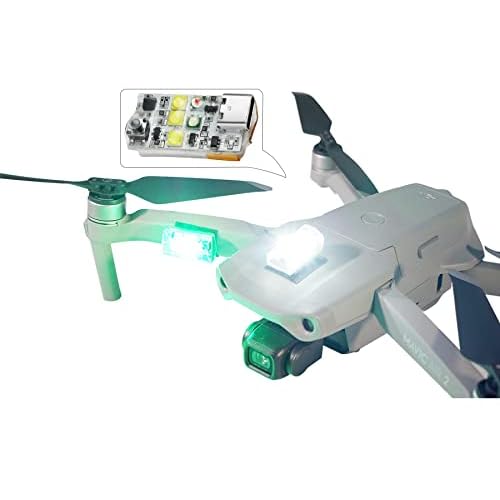


What truly separates a DJI drone from a toy is the sophisticated technology hidden beneath its sleek exterior. DJI doesn’t just build flying cameras; they build flying computers. These machines are packed with proprietary hardware and software designed to make the pilot’s job as easy as possible, allowing you to focus on the creative side of flight.
Prime for Young Adults — 6 Months Free
Exclusive Offer Amazon Prime for Young Adults, Students and 18–24s get six months of Prime free, then half price.
Start 6 Months Free As an Amazon Associate I earn from qualifying purchases.OcuSync Transmission and Stability
The “secret sauce” of a DJI drone is its transmission system, currently known as O3 or O4 (OcuSync). Unlike drones that rely on standard Wi-Fi—which often results in laggy video or signal drops—DJI uses a specialized radio frequency system. This ensures a crisp, high-definition video feed on your remote controller, even when the drone is miles away. Coupled with high-precision GPS and downward vision sensors, these drones can hover perfectly still in the air, even in moderate winds, without any input from the pilot.
Intelligent Safety and Obstacle Sensing
Flying a drone used to be a high-stress activity, but DJI’s safety suites have changed the game. Most modern models feature APAS (Advanced Pilot Assistance Systems), which uses vision sensors to map the environment in 3D. If an object is in the way, the drone will automatically fly around it or hover in place to avoid a collision.
- Return to Home (RTH): If the battery gets low or the signal is lost, the drone uses GPS to fly back to its exact takeoff point autonomously.
- Geofencing (GEO 2.0): DJI’s software helps keep pilots safe by preventing flight in restricted areas like airports or high-security zones.
- 3-Axis Gimbals: This hardware stabilizes the camera, cancelling out the drone’s tilts and vibrations to produce cinematic, “tripod-in-the-sky” footage.
Choosing Between Consumer, FPV, and Enterprise Models
DJI has expanded its lineup so significantly that there is now a drone for every possible use case. Understanding the different categories is the first step toward making a smart investment. Whether you are a casual traveler or a professional surveyor, there is a specific series tailored to your needs.
Consumer and Creative Series (Mini, Air, and Mavic)
The Mini series is the gateway for most hobbyists. These drones weigh under 249 grams, which is a crucial threshold for many international drone regulations, often exempting them from certain registration requirements. For those needing higher image quality, the Mavic series offers larger sensors and adjustable apertures, rivaling professional ground cameras. If you want a balance of both, the Air series provides a “middle ground” with high-end features in a portable frame.
FPV and Industrial Solutions
For those who crave adrenaline, the DJI Avata and FPV models offer an immersive “cockpit” view through high-tech goggles. These drones are built for speed and agility, allowing you to dive through gaps and perform acrobatic maneuvers. On the opposite end of the spectrum is the Enterprise line, such as the Matrice series. These drones are rugged tools used by fire departments and construction crews, often equipped with thermal cameras, high-powered zooms, or mapping sensors.
- Best for Travelers: DJI Mini 4 Pro (Ultra-portable and high-quality).
- Best for Cinematographers: DJI Mavic 3 Pro (Triple-lens camera system).
- Best for Immersion: DJI Avata 2 (First-person view and prop guards for safety).
- Best for Work: DJI Matrice 350 RTK (Industrial-grade durability).
Conclusion
Recommended Best Deal Products
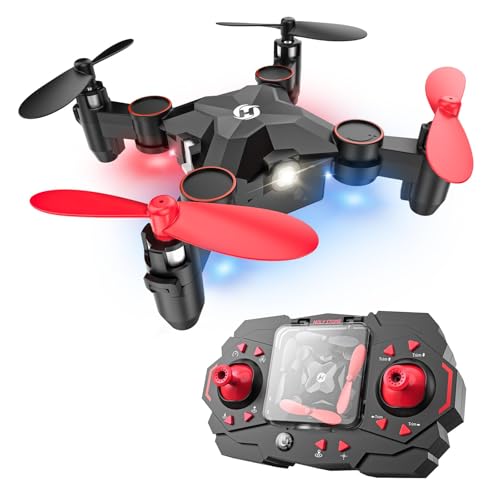

DJI drones have fundamentally changed how we see the world, turning once-impossible aerial photography into a hobby anyone can enjoy. By combining rock-solid flight stability, advanced safety features, and a diverse range of models, they have earned their spot as the undisputed market leader. Whether you are looking to capture stunning vacation memories or utilize thermal imaging for a business project, a DJI drone provides the reliability and performance needed to get the job done.
Ready to take to the skies? Your next steps are simple: Check your local drone regulations to see where you can fly, and then choose a model that fits your specific budget and creative goals. Start small with the Mini series if you’re a beginner—the view from the top is better than you can imagine!
Prime for Young Adults — 6 Months Free
Exclusive Offer Amazon Prime for Young Adults, Students and 18–24s get six months of Prime free, then half price.
Start 6 Months Free As an Amazon Associate I earn from qualifying purchases.❓ Frequently Asked Questions
What makes DJI drones different from other brands?
DJI differentiates itself through its ‘Ready-to-Fly’ philosophy, integrating high-end flight controllers, specialized transmission systems like OcuSync, and superior gimbal stabilization into a single, user-friendly package.
How do DJI drones handle flight safety and restricted zones?
DJI uses a Geofencing system called GEO 2.0, which uses GPS data to prevent drones from accidentally flying into sensitive areas like airports or high-security locations without authorization.
What are the weight categories for DJI drones?
DJI categorizes drones by weight, notably the ‘Mini’ series at under 249g to avoid many registration requirements, while the ‘Air’ and ‘Mavic’ series are heavier and more feature-rich.
How long do DJI drone batteries typically last?
Most modern DJI consumer drones offer flight times ranging from 30 to 46 minutes per battery, depending on the specific model and wind conditions.
Can DJI drones be used for professional work?
Absolutely; the Mavic 3 Pro and Inspire series are industry standards for cinematography, while their Enterprise line is used for thermal imaging, mapping, and search and rescue.
What is DJI OcuSync and why does it matter?
OcuSync is DJI’s proprietary digital transmission system that provides a low-latency, high-definition video feed from the drone to the controller over distances exceeding 10 kilometers.


