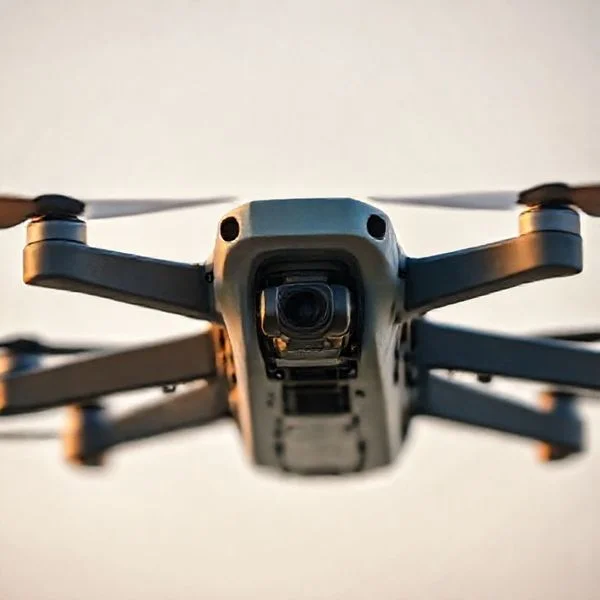
A tethered drone is a physically connected UAV that receives continuous power and high-bandwidth data through a cable from a ground station. This setup enables indefinite flight times, making it ideal for long-term surveillance, live broadcasting, and emergency telecommunications.
🎯 Key Takeaways
- Tethered drones provide unlimited flight time via continuous ground station power.
- Physical cables ensure secure, unhackable, and high-speed data transmission.
- They virtually eliminate the risk of drone ‘fly-away’ incidents.
- Perfect for stationary tasks like event security and temporary cell towers.
- The physical restriction often simplifies regulatory compliance in crowded areas.
A tethered drone is an unmanned aerial vehicle (UAV) physically connected to a ground-based power station via a specialized cable known as an “umbilical.” This connection fundamentally changes how the aircraft operates by bypassing the 30-minute flight limit common to standard battery-powered drones. Instead of relying on internal lithium-polymer batteries, a tethered drone receives a constant stream of electricity from the ground, allowing it to remain stationary in the air for hours, days, or even weeks at a time.
Recommended Best Deal Products


Practically, this setup transforms a drone from a mobile scout into a persistent aerial platform. By maintaining a permanent physical link, you eliminate the logistical downtime required for battery swaps and the risk of signal interference. This makes tethered systems the primary choice for applications requiring “stare” capabilities, such as long-term surveillance, emergency telecommunications, or continuous event broadcasting where a constant eye in the sky is non-negotiable.
Understanding Tethered Drone Mechanics: Power and Data Cables
The core of a tethered system is the cable itself, which is far more than just a simple rope. This high-tech tether is engineered to be lightweight yet strong enough to withstand wind resistance and the drone’s own lift capacity. It typically consists of a multi-core architecture designed to handle two critical functions simultaneously: high-voltage power transmission and high-speed data transfer.
The Constant Power Supply Loop
In a standard drone, the battery accounts for a significant portion of the aircraft’s weight. In a tethered system, that weight is moved to the ground. The Ground Power Unit (GPU) converts standard AC or DC power into high-voltage electricity, which is then sent up the thin cable. Once it reaches the drone, an onboard power module converts it back to the voltage required by the motors and sensors.
- Reduced Onboard Weight: Removing the heavy battery allows the drone to carry more advanced sensors or cameras.
- Voltage Regulation: The ground station actively monitors power consumption to ensure the drone receives a steady flow, even during high-wind gusts.
- Redundancy: Most tethered drones carry a small “buffer” battery. If the ground power fails, this emergency battery provides enough flight time for a safe, controlled landing.
High-Bandwidth Data Transfer
Beyond power, the tether serves as a physical data highway. While standard drones rely on Radio Frequency (RF) signals to transmit video and receive commands, tethered drones use copper or fiber-optic lines embedded within the cable. This creates a “hardwired” connection between the drone and the operator.
This physical link allows for the transmission of massive amounts of data without latency. For instance, you can stream uncompressed 4K video or thermal imaging data directly to a command center without the lag or compression artifacts common in wireless systems. Because the data travels through the wire, it is also immune to signal jamming and electromagnetic interference, which are common issues in dense urban environments or industrial zones.
Key Advantages: Unlimited Endurance vs. Battery-Powered Drones
The most immediate advantage of a tethered system is its sheer endurance. Traditional drones operate in “sorties”—they fly for 20 minutes, land, swap batteries, and take off again. This creates gaps in data and situational awareness. Tethered drones remove these gaps entirely, providing a continuous presence that a standard drone simply cannot match.
Hours and Days, Not Minutes
Because the power source is effectively infinite (drawing from a generator or a building’s power grid), the only limitation to flight time is the mechanical wear on the drone’s motors. In most professional scenarios, a tethered drone can stay at an altitude of 150 to 300 feet for an entire work shift or a multi-day event.
- Event Security: A single tethered drone can monitor a stadium entrance for 12 hours straight without landing.
- Disaster Response: In search and rescue, a drone can act as a permanent light tower or a temporary cellular relay station for days during a crisis.
- Cost Efficiency: You save time and labor costs by not needing a dedicated pilot to manage battery rotations and landing cycles every half hour.
Enhanced Security and Reduced Fly-Away Risk
Safety and security are built into the physical design of a tethered system. One of the greatest fears for a drone operator is a “fly-away,” where the drone loses its GPS or radio link and drifts into restricted airspace or toward people. With a tethered drone, this risk is virtually eliminated because the aircraft is physically anchored to the ground station.
Furthermore, the reliance on a cable rather than RF signals makes the drone nearly impossible to hack or “spoof.” Since the control commands are sent through the wire, an external actor cannot intercept the signal or take control of the aircraft remotely. This level of security is why tethered systems are the gold standard for sensitive military operations, border security, and high-profile government installations where data integrity is the highest priority.
Critical Use Cases: From Public Safety to Event Broadcasting
The true value of a tethered drone lies in its ability to stay airborne when others must land. While standard drones are great for quick “scout and return” missions, tethered systems excel in scenarios that require a persistent aerial presence. By providing a permanent “eye in the sky,” these systems are transforming how professionals manage long-term operations.
Continuous Surveillance for Public Safety
First responders and security teams often need to monitor a scene for hours, if not days. Whether it is managing a large-scale protest, monitoring a wildfire’s perimeter, or overseeing a search and rescue command center, a tethered drone provides a stable, high-altitude vantage point that never blinks. First responders use these systems to:
- Provide real-time situational awareness: Ground teams can see movements and hazards long before they encounter them.
- Establish temporary communication hubs: In areas where cell towers are down, a tethered drone can act as a “flying mast,” relaying signals to keep teams connected.
- Monitor traffic and crowd flow: Authorities can identify bottlenecks or safety risks at major public gatherings without the noise and cost of a helicopter.
High-Stakes Live Media and Sports Broadcasting
In the world of live broadcasting, missing a key moment because of a battery swap is not an option. Tethered drones have become the preferred choice for filming marathons, music festivals, and outdoor sporting events. They offer the sweeping cinematic angles of a drone with the reliability of a fixed cable camera. Because the drone is physically anchored, it is also much easier to secure permits for filming near large groups of people, providing a safer and more consistent production environment.
Security and Regulatory Benefits of Tethered UAV Systems
Beyond the obvious power advantages, tethered drones offer unique security and legal benefits that free-flying drones simply cannot match. For industries dealing with sensitive data or operating in complex urban environments, the physical link between the drone and the ground station is a massive asset.
Unmatched Data Privacy and Anti-Jamming
One of the biggest concerns for corporate and government drone users is data interception. Wireless signals can be jammed or even “spoofed” by bad actors. Because tethered drones can transmit video and telemetry data directly through the micro-tether’s fiber-optic core, the risk of signal hacking is virtually eliminated. This “hard-wired” connection ensures:
- Zero-latency video feeds: Essential for precision monitoring and instant decision-making.
- Jam-resistant operations: The drone remains controllable even in environments with heavy radio frequency interference.
- Secure data transfer: Highly sensitive footage never touches the airwaves, keeping it safe from external interception.
Navigating FAA and Local Regulations
Operating a drone in crowded or restricted airspace usually involves a mountain of paperwork. However, many regulatory bodies, including the FAA, often view tethered systems with less scrutiny because the flight radius is physically restricted by the cable. This “leash” prevents the drone from drifting into flight paths or wandering over unauthorized areas. For businesses, this means easier insurance approvals and a lower risk profile when operating in high-density urban zones.
Conclusion
Tethered drones are the ultimate solution for missions where endurance, security, and reliability are non-negotiable. By bridging the gap between a fixed security camera and a traditional UAV, these systems allow you to maintain a persistent aerial presence for hours or even days on end. Whether you are securing a perimeter or broadcasting a live event, the “unlimited” flight time provided by a tethered system is a total game-changer for professional drone operations.
Ready to take your operations to the next level? Start by evaluating your current flight times; if you find yourself grounded more than you’re in the air, a tethered kit might be your best investment. Check out our latest guide on essential drone accessories to find the right power solution for your specific drone model. Let’s keep your tech in the air where it belongs!
❓ Frequently Asked Questions
How long can a tethered drone stay in the air?
As long as the ground power source is active, tethered drones can fly for hours, days, or even weeks. This is a massive jump from the 20-40 minute limits of standard lithium batteries.
Is the data transfer through the cable more secure than wireless?
Yes, because the data travels through a physical wire, it is immune to radio frequency interference and signal jamming. This makes it the preferred choice for high-security military and police operations.
What are the altitude limits for a tethered drone?
Most commercial tether systems offer cable lengths between 150 and 330 feet. The weight of the cable itself is the primary limiting factor for maximum flight altitude.
Why would a business choose a tethered drone over a standard one?
Businesses choose them for ‘persistent’ needs, such as monitoring a 12-hour music festival or providing a temporary Wi-Fi hotspot. It removes the logistical headache of constant battery swaps.
How do tethered drones handle heavy winds?
Most systems use an automated winch to maintain cable tension, which actually helps stabilize the drone. This allows them to stay on station in wind conditions that might cause a free-flying drone to drift.
Are tethered drones safer for use in crowded areas?
Yes, because the physical cable acts as a leash, it prevents the drone from flying into restricted airspace or falling far from its launch point in the event of a motor failure.