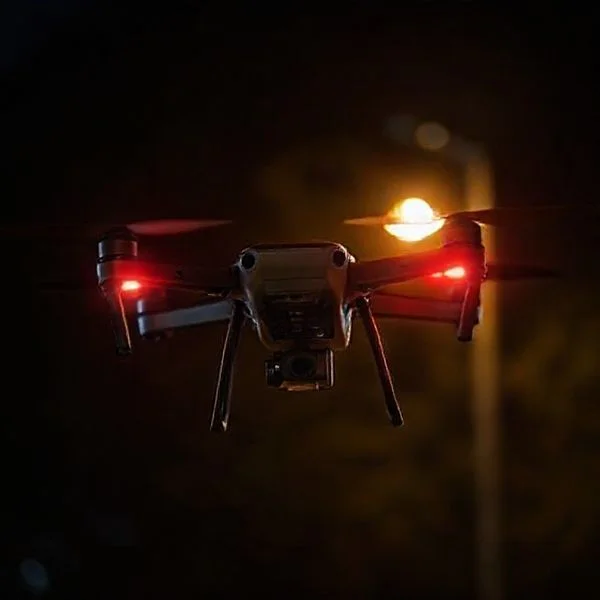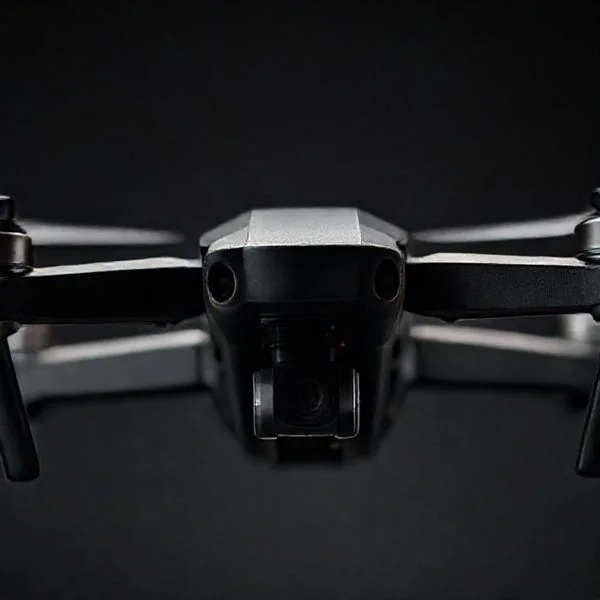
The primary advantage of drone delivery is unmatched last-mile speed, often reducing delivery windows from hours to under 30 minutes. It significantly lowers operational costs by bypassing road congestion and reducing the labor-intensive nature of ground transport. Furthermore, drones provide a sustainable alternative that drastically reduces the carbon footprint of small parcel logistics.
🎯 Key Takeaways
- Drones cut last-mile delivery times to under 30 minutes by bypassing ground traffic.
- Operational costs drop significantly due to reduced fuel, labor, and vehicle maintenance requirements.
- Electric drones can reduce CO2 emissions by up to 50% compared to traditional delivery vans.
- Aerial routes enable rapid medical supply delivery to isolated or disaster-stricken areas.
- Precision GPS technology ensures high accuracy and significantly reduces the rate of missed deliveries.
Autonomous drones solve the last-mile problem by moving the logistics chain from congested roads to the open sky. By bypassing traffic lights, construction, and urban density, these aircraft can fulfill small-parcel orders in under 30 minutes, drastically cutting the time between a customer’s click and their doorstep receipt. This isn’t just a gimmick; it is a fundamental shift that addresses the reality that the final mile of delivery currently accounts for over 50% of total shipping costs.
Prime for Young Adults — 6 Months Free
Exclusive Offer Amazon Prime for Young Adults, Students and 18–24s get six months of Prime free, then half price.
Start 6 Months Free As an Amazon Associate I earn from qualifying purchases.
You care about this shift because it redefines your supply chain expectations and operational margins. Whether you are a retailer looking to cut overhead or a business owner needing to move high-priority components, drone delivery provides a frictionless, point-to-point solution that traditional ground vehicles cannot match. It transforms delivery from a slow, expensive logistical headache into a fast, automated competitive advantage.
Last-Mile Efficiency: Solving the 30-Minute Delivery Challenge
Recommended Best Deal Products

The final leg of a parcel’s journey is notoriously the most inefficient. In traditional logistics, a 5,000-pound van must navigate a complex web of streets, stop signs, and double-parked cars just to deliver a two-pound package. Drones eliminate these variables by navigating in a straight line from the distribution hub to the customer. This “as the crow flies” approach removes the unpredictability of road travel, allowing for delivery windows that were previously impossible.
Bypassing Urban Gridlock and Infrastructure
Traditional vans are at the mercy of city planning and peak-hour traffic. A two-mile journey in a dense city might take twenty minutes or more in heavy traffic. An autonomous drone ignores the road network entirely, traveling at speeds of 40 to 60 mph without stopping for a single red light or pedestrian crossing. This allows your business to offer “instant gratification” services that ground fleets simply cannot fulfill during rush hour.
- Point-to-point routing: Drones fly directly to GPS coordinates, ignoring the constraints of one-way streets or road closures.
- Instant dispatch: Unlike delivery trucks that often wait to be fully loaded before departing, drones can be dispatched the moment a single order is ready.
- Predictable timing: Without traffic interference, flight times become highly consistent, allowing you to provide customers with precise arrival estimates down to the minute.
The Micro-Fulfillment Advantage
To achieve the sub-30-minute standard, many companies are pairing drones with micro-fulfillment centers. These are small, highly automated warehouses located in the heart of urban or suburban areas. When an order is placed, a drone is loaded and launched within minutes. This bypasses the need for large regional sorting facilities and the multi-hour loading processes required for traditional delivery routes. It essentially turns every local hub into a high-speed launchpad for your inventory.
The Economic Impact: Reducing Cost-Per-Delivery and Labor Overheads
Using a gas-powered truck to deliver a small bottle of medicine or a single electronic component is a financial drain. Drones provide a lightweight, electric alternative that slashes the price of every package sent. By rightsizing the vehicle to the parcel, you eliminate the massive energy waste associated with traditional ground transportation.
Slashing Labor Costs with Autonomous Flight
Labor accounts for roughly 60% of last-mile delivery costs. A human driver requires a competitive salary, health insurance, and specialized training. Furthermore, a human driver is limited by “one-to-one” logistics—they can only drive one vehicle at a time. Autonomous drones, however, shift the ratio. A single remote supervisor can monitor a fleet of ten or more aircraft simultaneously, intervening only if the onboard AI flags a specific issue.
- Unmatched Scalability: Your delivery capacity is no longer limited by the number of drivers you can hire and retain.
- Zero Idle Time: Drones do not require lunch breaks, shift changes, or overtime pay. They can operate continuously as long as batteries are swapped or charged.
- Lower Liability: Removing large vehicles from the road reduces the risk of traffic accidents and the astronomical insurance premiums associated with commercial trucking fleets.
Eliminating Fuel and Maintenance Bloat
Traditional delivery vehicles are expensive to keep on the road. They require constant oil changes, brake pads, tire rotations, and expensive fossil fuels. Drones run on high-density lithium batteries, which are significantly cheaper to “refuel” via the electrical grid. Moreover, because a drone has significantly fewer moving parts than an internal combustion engine, your long-term maintenance costs plummet. You are no longer paying to maintain a massive chassis and transmission to move a small item; you are using a tool that is perfectly scaled for the task.
Prime for Young Adults — 6 Months Free
Exclusive Offer Amazon Prime for Young Adults, Students and 18–24s get six months of Prime free, then half price.
Start 6 Months Free As an Amazon Associate I earn from qualifying purchases.In the next section, we will explore the environmental benefits of drone fleets and how they are revolutionizing accessibility for rural and remote areas.
Environmental Sustainability and Urban Traffic Decongestion
One of the most compelling arguments for the widespread adoption of drone technology is its potential to transform our cities into cleaner, less congested environments. As e-commerce continues to grow, the reliance on heavy delivery vans has created a “last-mile” problem that contributes significantly to urban pollution and gridlock. Drones offer a high-tech solution to these age-old logistical headaches.
Reducing Carbon Footprints with Electric Power
Most commercial delivery drones are fully electric, powered by high-capacity lithium-polymer batteries. Unlike traditional delivery trucks that idle in traffic and emit nitrogen oxides and CO2, drones glide through the air with zero tailpipe emissions. This shift is crucial for companies aiming to meet aggressive “Net Zero” targets.
- Energy Efficiency: Small drones use significantly less energy to transport a 5-pound package than a 4-ton van does.
- Reduced Noise Pollution: Modern propeller designs are increasingly quiet, reducing the constant hum of city traffic.
- Renewable Integration: Charging stations for drone fleets can be easily powered by solar panels or wind energy, creating a truly circular green logistics chain.
Decongesting City Streets
By moving small-parcel delivery from the pavement to the sky, we effectively add a new layer to urban infrastructure. Every drone in the air represents one less van blocking a narrow street or double-parking in a busy lane. This doesn’t just help the delivery company; it improves the quality of life for every commuter and pedestrian.
Practical Example: In dense urban centers like London or New York, a single delivery van can spend up to 20% of its time simply looking for parking. A drone eliminates this search time entirely, dropping a package at a designated pad and returning to base immediately, keeping the roads clear for emergency vehicles and public transport.
Critical Comparison: Drones vs. Traditional Ground Transportation Logistics
While delivery trucks have been the backbone of logistics for a century, they are increasingly ill-equipped for the “on-demand” expectations of modern consumers. When we compare drones directly to ground transportation, the advantages in specific niches—particularly small, urgent items—become undeniable.
Speed and Accessibility in Challenging Terrains
Ground logistics are limited by the quality of roads and the unpredictability of traffic. Drones, however, travel “as the crow flies,” bypassing physical barriers that would take a truck hours to navigate. This is particularly transformative for rural or island communities where infrastructure is lacking.
Prime for Young Adults — 6 Months Free
Exclusive Offer Amazon Prime for Young Adults, Students and 18–24s get six months of Prime free, then half price.
Start 6 Months Free As an Amazon Associate I earn from qualifying purchases.- Direct Routing: Drones maintain a constant speed and direct path, making delivery times predictable to the minute.
- Infrastructure Independence: Drones don’t need paved roads, bridges, or tunnels to reach their destination.
- Emergency Response: For time-sensitive items like medical supplies, drones can cut delivery times by over 70% compared to road transport.
Operational Costs and Infrastructure Needs
Traditional logistics require a massive investment in vehicles, fuel, insurance, and human labor. While drones require sophisticated software and maintenance, the long-term operational costs per delivery are remarkably lower for light packages. The key is the removal of the human-driver-per-package ratio.
Specific Tip: Businesses looking to integrate drones should focus on items under 5 pounds. Statistics show that roughly 80% of all e-commerce packages fall into this weight category, making them the “sweet spot” for drone cost-efficiency compared to expensive truck routes.
- Labor Costs: A single pilot or automated system can oversee multiple drone deliveries simultaneously.
- Maintenance: Electric motors in drones have fewer moving parts than internal combustion engines, leading to lower long-term upkeep.
- Scalability: Expanding a drone fleet is often faster and requires less physical real estate than building a new trucking hub.
Conclusion
The benefits of drone delivery extend far beyond simple novelty. From slashing delivery times and operational costs to reducing the carbon footprint of our shopping habits, drones are set to redefine the logistics landscape. As battery technology improves and regulations evolve, the “eye in the sky” will become a standard sight for consumers worldwide. By embracing this technology, businesses can offer unprecedented speed while contributing to a more sustainable, less congested urban future.
Next Steps: To stay ahead, start by auditing your current shipping data to see what percentage of your parcels meet the weight requirements for drone transport. Additionally, keep a close eye on local FAA or aviation authority updates regarding commercial drone corridors in your area.
Are you ready to take your logistics to the next level? Start exploring drone-compatible packaging solutions today and prepare your business for the future of flight!
❓ Frequently Asked Questions
How do drones improve last-mile delivery efficiency?
Drones eliminate the ‘wandering’ time trucks spend navigating neighborhoods and looking for parking. By flying a direct ‘as-the-crow-flies’ path, they can complete multiple delivery cycles in the time it takes a van to finish one route.
What are the specific cost savings for e-commerce businesses?
Businesses save on high-cost variables like driver wages, vehicle insurance, and fossil fuels. Estimates suggest drone delivery can cost as little as $0.05 to $0.20 per mile, whereas traditional van delivery often exceeds $1.50 per mile.
How does drone delivery impact urban traffic congestion?
By shifting the transport of light parcels (which make up the majority of e-commerce) to the air, drones reduce the number of delivery trucks on the road. This leads to fewer double-parked vans and decreased traffic for commuters.
Are drones effective for delivering medical supplies?
Drones are revolutionary for healthcare, providing temperature-controlled, rapid transport for vaccines, blood samples, and AEDs. They can reach remote or gridlocked areas much faster than ambulances or courier bikes.
What makes drone delivery more sustainable than electric vans?
While electric vans are better than diesel, they are still heavy vehicles moving small packages. Drones are lightweight and require significantly less energy per package-mile, resulting in a much lower total energy demand.
How do drones handle delivery precision and security?
Using high-precision GPS and downward-facing sensors, drones can land or drop packages within a few inches of a designated target. Encrypted communications and real-time tracking provide higher security than traditional porch drop-offs.