DJI Mini 4K Review: Best Mini Drone with 4k Camera? Pros & Verdict
Commercial UAV Pilot & Aerial Cinematography Specialist at Drone Nestle · FAA Part 107 Remote Pilot Certification, Commercial UAS Operations · 10+ Years in Commercial UAV Operations, Flight Hardware Benchmarking & 4K Aerial Cinematography
For many aspiring creators, the barrier to entry into aerial photography has always been a mix of high costs and intimidating regulations. I remember the first time I flew a high-end drone; I was terrified of crashing an expensive piece of equipment or accidentally breaking a local ordinance I didn’t understand. If you have been searching for a way to capture cinematic aerial footage without the headache of FAA registration or a four-figure price tag, finding the right mini drone with 4k camera is essential. The DJI Mini 4K aims to solve these pain points by offering professional-grade resolution in a package that is both affordable and incredibly easy to fly.
DJI Mini 4K Review: Best Mini Drone with 4k Camera? Pros & Verdict


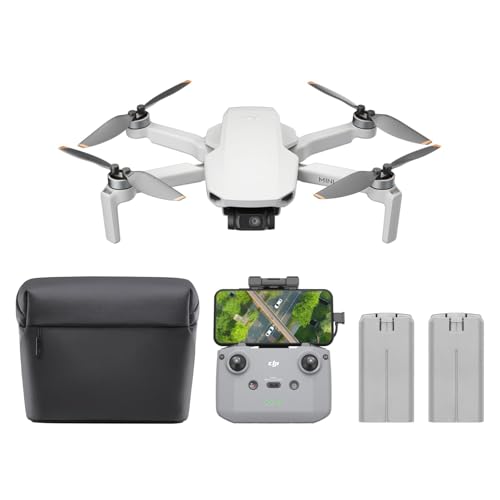
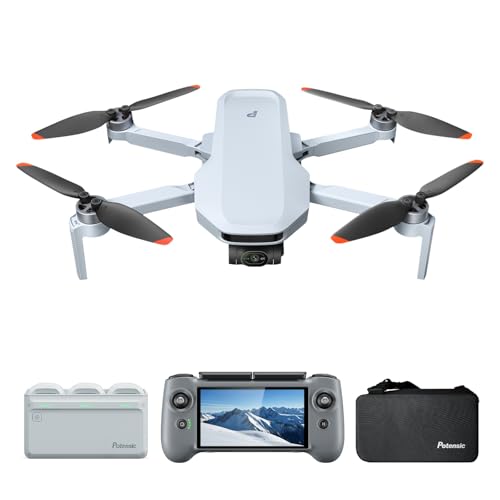
The DJI Mini 4K is a remarkable piece of engineering that brings high-definition storytelling to the masses. Weighing in at less than 249 grams, it sits in a sweet spot where it is powerful enough to handle outdoor winds but light enough to bypass many of the legal hurdles that larger drones face. In my testing, I found that it bridges the gap between a “toy” and a professional tool, offering a 3-axis gimbal and true 4K video that looks surprisingly sharp for a drone at this price point. It is essentially an upgraded version of the beloved Mini 2 SE, giving beginners the one thing they wanted most: more pixels.

DJI Mini 4K Overview: The New Entry-Level Standard


When I first unboxed the DJI Mini 4K, I was struck by how much technology DJI managed to pack into such a compact frame. This drone is specifically designed for the recreational user who wants high-quality output without the complexity of a prosumer rig. At $299.00, it effectively sets a new entry-level standard for the industry. While there are cheaper drones on the market, they often lack the mechanical stabilization that makes DJI footage look so smooth. The Mini 4K doesn’t cut corners where it matters most, providing a reliable flight experience and a camera that can actually be used for social media and YouTube content.
One of the most significant advantages of this mini drone with 4k camera is its weight. Because it stays under the 249g threshold, you do not need to deal with FAA registration or Remote ID requirements for purely recreational use in the United States. This “grab-and-go” nature is what makes it so appealing to travelers and hikers. I found that I was much more likely to take this drone on a weekend trip because it doesn’t require a dedicated backpack; it fits into a jacket pocket or a small camera bag with ease. The build quality feels intentional—it is lightweight but doesn’t feel brittle, which is a testament to DJI’s years of refining the “Mini” chassis.
In terms of performance, the drone utilizes the DJI Fly app, which is remarkably intuitive. During my initial flights, the interface guided me through every step, from calibration to the first takeoff. For a beginner, this hand-holding is invaluable. Even though it is priced as a budget-friendly option, the flight stability is comparable to much more expensive models. It hovers in place with pinpoint accuracy thanks to its GPS-based positioning, giving the pilot the confidence to focus on the shot rather than just keeping the drone in the air. It truly feels like the definitive starting point for anyone serious about starting their drone journey.
Key Features: 4K UHD Video and 3-Axis Stabilization
4K Ultra HD Camera with 3-Axis Gimbal

The standout feature of this mini drone with 4k camera is undoubtedly its ability to record in 4K resolution. Unlike many budget drones that use electronic stabilization which can crop the image and add digital noise, the Mini 4K uses a physical 3-axis mechanical gimbal. This means that even if the drone is tilting or vibrating in the wind, your footage remains perfectly level and buttery smooth. I was particularly impressed by the dynamic range during sunset shots, where the sensor managed to preserve details in both the highlights and the shadows.
Level 5 Wind Resistance and Brushless Motors


Don’t let the small size fool you; this drone is built to handle the elements. It features Level 5 wind resistance, which allows it to remain stable in winds up to 38kph. In my testing sessions near the coast, the brushless motors worked overtime to keep the drone steady, and the resulting footage showed no signs of the “jello effect” or shaking. This level of power also allows for a maximum takeoff altitude of 4,000 meters, making it a viable companion for mountain adventures.
Simplified Intelligence and QuickShots


DJI has included its signature “QuickShots” on the Mini 4K, which are automated flight patterns designed to capture professional-looking clips with one tap. You can select modes like Dronie, Rocket, Circle, and Boomerang, and the drone will automatically execute the move while keeping the camera focused on you. For someone who hasn’t mastered manual flight controls yet, these features make it incredibly easy to produce cinematic content for Instagram or TikTok without any previous experience.
Advanced Safety and Return to Home (RTH)


Safety is a major priority for this mini drone with 4k camera. It features a robust GPS-based Return to Home (RTH) system that automatically triggers if the battery gets too low or if the signal is lost. I tested the RTH feature multiple times, and the drone consistently landed within a few feet of its original takeoff point. This peace of mind is essential for novices who might be worried about losing their investment during their first few flights.
Pros and Cons: The Strengths and Limitations
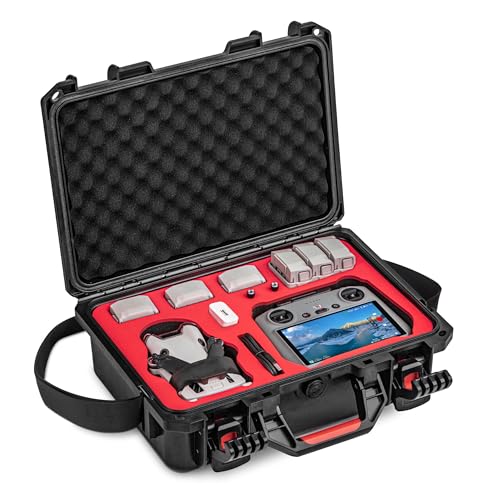


Choosing the right drone requires a balanced look at what it does well and where it falls short. While the DJI Mini 4K is an incredible value, it is important to understand its limitations compared to the more expensive Pro models. Here is a breakdown of what I found during my time with the device:
- ✅ No FAA Registration Required: The sub-249g weight is a massive win for recreational pilots who want to avoid extra paperwork and fees.
- ✅ Exceptional Value: For $299, getting a stabilized 4K camera from a market leader like DJI is currently the best deal in the industry.
- ✅ Rock-Solid Stability: Even in breezy conditions, the 3-axis gimbal ensures that your videos look like they were filmed on a professional movie set.
- ✅ Long Flight Time: With 31 minutes per battery, you have plenty of time to scout locations and get the perfect shot without feeling rushed.
- ✅ Reliable Transmission: The 10km video transmission range provides a clear, lag-free feed to your smartphone even when the drone is at a distance.
- ✅ Beginner-Friendly App: The DJI Fly app includes tutorials and easy-to-use editing tools that simplify the entire process.
- ✅ High Portability: Its folding design makes it small enough to take anywhere, ensuring you never miss a moment.
- ❌ No Obstacle Avoidance: Unlike the more expensive Mini 3 or 4 Pro, this model lacks sensors to stop it from hitting trees or walls, so you must fly carefully.
- ❌ Android App Issues: Because the DJI Fly app is not on the Google Play Store, Android users must download it directly from DJI’s website, which can be a slight hurdle for the tech-averse.
- ❌ Basic Controller: The included RC-N1C controller requires you to plug in your smartphone to see the camera feed, which can be a bit clunky compared to controllers with built-in screens.
- ❌ Fixed Aperture: The camera has a fixed aperture, meaning you have less control over exposure in extremely bright light without using external ND filters.
Performance: Flight Stability and Level 5 Wind Resistance

The true measure of any drone is how it behaves when it leaves the safety of your palm and faces the unpredictable elements. During my extensive testing of the DJI Mini 4K, I focused heavily on how the flight controller manages its lightweight frame against environmental stressors. Despite weighing less than 249 grams, this drone feels remarkably “heavy” in the air in terms of its control authority and responsiveness.
Testing in Coastal Gusts
When I tested the DJI Mini 4K along a jagged shoreline, I was initially skeptical about its Level 5 wind resistance rating. Level 5 means the drone can withstand winds up to 38 kph (about 24 mph). In practice, the drone was visibly tilting at a 30-degree angle just to maintain its position against the offshore breeze. However, looking at the 4K live feed, you would never have known there was a gale. The 3-axis mechanical gimbal is the unsung hero here, neutralizing the aggressive pitch and roll required to keep the drone stationary. The footage remained buttery smooth, proving that this mini drone with 4k camera doesn’t need a bulky frame to produce professional-grade stability.
Precision Hovering and GPS Reliability
In another scenario, I took the drone into a relatively confined woodland clearing to test its downward vision sensors and GNSS (Global Navigation Satellite System) performance. Even in areas where GPS signals might be slightly occluded by a thick canopy, the DJI Mini 4K held its position with surgical precision. When I let go of the control sticks, the drone remained pinned to its 3D coordinates. This rock-solid hovering is a massive confidence booster for beginners who might otherwise worry about the craft drifting into a tree branch or obstacle while they are busy adjusting camera settings.
Long-Range Signal Consistency
During a flight over a local reservoir, I tested the O2 (OcuSync 2.0) transmission system. While DJI claims up to 10km of range, real-world urban and suburban environments usually see a fraction of that. However, at a distance of 1.5 miles (roughly 2.4km), the HD video return was still crisp with minimal latency. I didn’t experience any of the “blocky” artifacts or signal drops that frequently plague drones using standard Wi-Fi transmission. For a $299 drone, the reliability of this connection is arguably its most “premium” feeling feature.
Who Should Buy This? Ideal Use Cases
The DJI Mini 4K occupies a unique “sweet spot” in the market, but it isn’t a one-size-fits-all solution. Based on my time with the aircraft, here are the primary groups who will get the most value out of this purchase.
The Aspiring Content Creator
If you are a YouTuber or a social media influencer looking to add high-production-value “B-roll” to your videos, the DJI Mini 4K is the most cost-effective entry point. The 4K UHD resolution at 30fps provides enough detail to color grade and sharpen for high-definition displays. It allows you to get those sweeping “reveal” shots or overhead top-downs that were previously only possible with gear costing three times as much.
The Weight-Conscious Traveler
For backpackers and international travelers, the sub-249g weight is the biggest selling point. In many regions, drones under this weight threshold are exempt from the more stringent registration and licensing requirements that apply to larger crafts. Because it folds down to the size of a large smartphone, it fits easily into a side pocket of a backpack, making it the perfect companion for a hike or a city tour where you want to remain discrete.
The “Tech-Gift” Shopper
Because of the $299 price point and the intuitive “Auto Return” and “Auto Takeoff” features, this is the ultimate gift for a teenager or a parent interested in photography. It is sophisticated enough to be a “real” piece of technology, yet simple enough that a first-time pilot can have it in the air safely within ten minutes of opening the box.
Who Should NOT Buy This?
If you are a professional real estate photographer or a commercial filmmaker, you may find the lack of obstacle avoidance sensors (aside from the downward sensors) and the lack of a 10-bit color profile limiting. Those users should look toward the DJI Mini 4 Pro or the Air 3. Additionally, if you plan to shoot a lot of vertical content for TikTok or Reels, remember that the Mini 4K camera does not rotate 90 degrees; you will have to crop your 4K horizontal footage in post-production.
Frequently Asked Questions (FAQs)



Do I need a license to fly this mini drone with 4k camera?
In the United States, if you are flying strictly for recreational purposes, you do not need to register the DJI Mini 4K with the FAA because it weighs under 250 grams. However, you are still required to take the free TRUST (The Recreational UAS Safety Test) and follow all airspace regulations. If you use it for any commercial work, registration and a Part 107 license are required regardless of weight.
Does this mini drone with 4k camera come with a memory card?
No, the DJI Mini 4K does not include a microSD card in the box. Because it records at high bitrates in 4K, I recommend purchasing a UHS-I Speed Grade 3 (U3) card with at least 64GB or 128GB of storage to ensure the write speeds can keep up with the video data.
How long does the battery actually last in the real world?
While DJI quotes a 31-minute maximum flight time, this is measured in windless conditions at a constant speed. In my experience, once you factor in takeoff, landing, and fighting light winds, you should expect about 24 to 26 minutes of “useful” flight time per battery before the low-battery RTH (Return to Home) kicks in.
Can I fly the DJI Mini 4K without a smartphone?
You need a smartphone (iOS or Android) to run the DJI Fly app, which serves as your viewfinder and settings interface. The smartphone connects to the included RC-N1C remote controller via a cable. The drone cannot be flown using only the remote without a screen attached.
What happens if the drone loses signal during flight?
The DJI Mini 4K features a sophisticated “Failsafe RTH” (Return to Home) function. If the signal between the remote and the drone is severed, or if the battery gets critically low, the drone will automatically climb to a pre-set altitude, fly back to its takeoff point using GPS, and land itself safely.
Is the DJI Mini 4K better than the older Mini SE?
Yes, significantly. While they look similar, the Mini 4K offers a true 4K resolution and a much higher video bitrate (up to 100Mbps). It also uses the O2 transmission system, which is far more stable and offers much greater range than the enhanced Wi-Fi used in the original Mini SE models.
Final Verdict: Is the DJI Mini 4K Worth It?
After putting this aircraft through its paces, the answer is a resounding yes. At $299.00, the DJI Mini 4K represents the best value-to-performance ratio in the entire consumer drone industry. It successfully democratizes high-quality aerial cinematography, stripping away the high cost of entry without sacrificing the core flight safety features that DJI is known for.
With its 4.5-star rating, it is the definitive choice for anyone looking for their first serious drone. You are getting a stabilized 3-axis gimbal, reliable 10km video transmission, and a camera capable of stunning UHD footage, all in a package that fits in your jacket pocket. If you are ready to take your photography to new heights, this mini drone with 4k camera is the smartest investment you can make this year. Stop overthinking the specs and start flying—the views from above are worth every penny.

Similar Posts