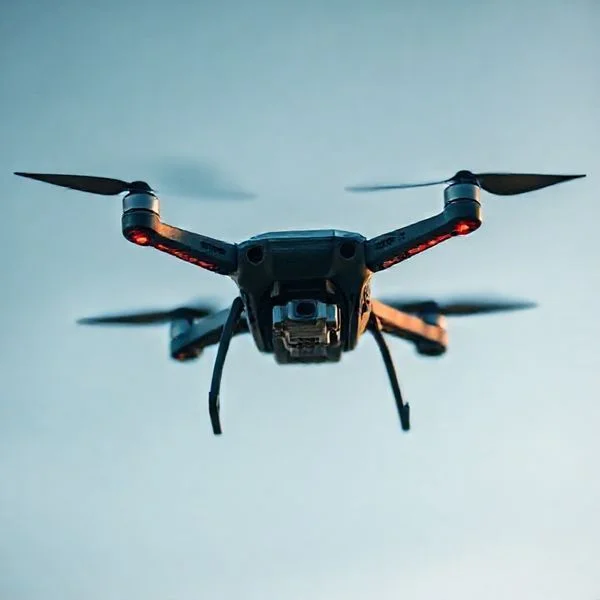
While the FAA controls all ‘navigable airspace,’ there is no fixed federal minimum altitude for drones over private property, though flights below 83 to 500 feet often enter a legal gray area regarding trespassing. Pilots must balance federal flight authority with state privacy and harassment laws that protect a homeowner’s right to the ‘reasonable enjoyment’ of their land.
🎯 Key Takeaways
- The FAA technically governs all airspace from the ground up to 400 feet.
- Legal precedents suggest property owners own the ‘immediate reaches’ of their air.
- Flying below 83 feet is frequently cited by courts as a trespassing threshold.
- State privacy laws apply regardless of altitude if a camera is recording.
- Maintaining a 200-foot buffer is the best practice to avoid legal disputes.
The short answer is that there is no single federal law defining an exact “no-fly” altitude over private property down to the inch. However, legal precedent generally suggests that property owners have exclusive rights to the air space up to at least 83 to 500 feet, depending on how they use their land. While the FAA claims authority over all “navigable airspace” from the ground up, they typically do not protect drone pilots who hover low enough to interfere with a resident’s “quiet enjoyment” of their home.
Recommended Best Deal Products


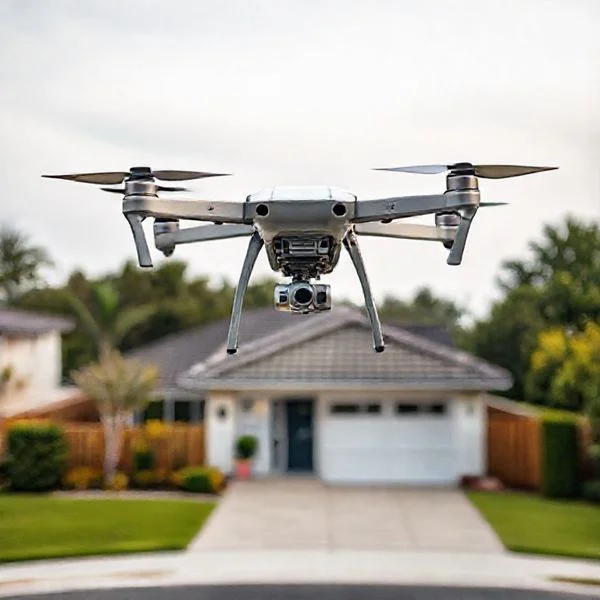
Understanding this boundary is critical for every pilot because crossing it can turn a hobbyist flight into a legal nightmare. You aren’t just dealing with FAA safety guidelines; you are navigating a complex web of state trespass laws and local privacy ordinances. If you fly too low, you aren’t just a pilot in the sky—you are a trespasser in a backyard. Knowing where the FAA’s control ends and a homeowner’s rights begin is the only way to stay out of court.
Navigable Airspace vs. Property Rights: The FAA Legal Framework
The core of the “how low can you fly” debate is a jurisdictional tug-of-war between the Federal Aviation Administration (FAA) and state-level property rights. The FAA officially defines all airspace from the blades of grass upward as “navigable” for drones (Unmanned Aircraft Systems). In their view, they have the sole power to regulate where drones fly to ensure safety and prevent mid-air collisions. However, this federal claim often ignores the centuries-old legal principle of Cuius est solum, eius est usque ad coelum—the idea that if you own the land, you own it all the way to the heavens.
The Overlap of Federal and Local Authority
While the FAA manages the “flight” aspects of your drone, they generally do not regulate the “land use” aspects. This means that even if the FAA says it is safe to fly at 50 feet, a local judge might decide that doing so over a neighbor’s fence constitutes a “nuisance” or “trespass.” The FAA provides the safety rules, but the state provides the privacy rules. You must balance both to stay legal.
- FAA Jurisdiction: Primarily concerned with safety, flight paths, and avoiding manned aircraft. They generally do not prosecute for “trespassing” but will for “reckless endangerment.”
- State and Local Jurisdiction: These authorities handle privacy, harassment, and physical trespass. They are the ones who will respond if a neighbor calls the police because your drone is hovering outside their window.
- The 400-Foot Ceiling: Under Part 107 and Recreational rules, you must stay below 400 feet. This creates a narrow 400-foot “gray zone” where property rights and flight rights are constantly clashing.
Practical Limits of the “Navigable” Definition
In practice, the legal “gray area” is usually found between 50 and 200 feet. Most courts have been hesitant to convict a pilot of trespassing if they are flying above 200 feet, as that is widely considered “public” enough to not interfere with the land below. However, if you are flying below 50 feet, you are almost certainly within the “immediate reaches” of the property. In this low-altitude zone, the homeowner’s right to exclude others usually outweighs your right to fly your drone.
Historical Precedents: Understanding the ’83-Foot Rule’ and Causby Case
To understand why the law is so murky today, we have to look back at 1946 and a famous Supreme Court case: United States v. Causby. This case involved a chicken farmer whose birds were literally dying of fright because low-flying military bombers were passing just 83 feet over his barn. The court’s decision in this case created the foundation for how we handle drone altitudes today. They ruled that the farmer owned at least as much of the air as he could “occupy or use in connection with the land.”
Why 83 Feet is the “Magic Number” for Many Lawyers
The Causby case is where the “83-foot rule” comes from. The court decided that the government’s low flights were a “taking” of the farmer’s property because they directly interfered with his livelihood. For drone pilots, this case is the primary reason why hovering at 50 or 60 feet over a neighbor’s yard is legally dangerous. It established that a property owner has a “buffer zone” above their roofline that cannot be invaded without permission.
- Reasonable Enjoyment: The law protects a homeowner’s right to be on their property without being disturbed by overhead traffic.
- The “Immediate Reaches” Doctrine: If your drone is close enough to the ground that it affects the owner’s use of the land, you are legally “occupying” their space.
- Evolution of the Rule: While 83 feet was the specific height in the 1940s, modern interpretations often extend this higher for drones because they carry cameras and microphones, which increase the “interference” beyond just noise.
The Concept of “Constructive” Trespass
In the modern era, you don’t even have to touch the ground to be guilty of trespassing. “Constructive trespass” occurs when your drone enters that lower altitude buffer zone mentioned in the Causby case. If you are flying at 40 feet over someone’s garden, you are effectively “on” their property in the eyes of many state courts. Even if the FAA doesn’t care about your altitude, the local sheriff might, especially if your flight path is persistent or invasive.
When you fly low, you are essentially challenging the owner’s right to privacy and seclusion. Most legal experts suggest that if you want to avoid a “trespass” claim, you should maintain an altitude of at least 100 to 150 feet when crossing private property. This height is generally high enough to be considered “navigable” but low enough to stay under the FAA’s 400-foot limit for small drones.
State and Local Privacy Laws vs. Federal Flight Regulations
While the FAA manages the “navigable airspace,” they don’t necessarily handle what happens in your neighbor’s backyard. This is where state and local laws come into play. Many people assume that because the FAA allows flight, they have a free pass to fly anywhere. However, states have the power to regulate privacy, voyeurism, and harassment. This creates a dual-layer of rules that every pilot must navigate carefully.
Navigating the “Gray Zone” of Airspace
The space between the ground and about 400 feet is often a legal tug-of-war. Federal law generally protects the flight path, but local ordinances focus on the operator’s behavior. If your drone is hovering five feet above a neighbor’s fence, you might not be violating a federal flight path rule, but you are likely violating a local privacy statute. This “gray zone” is where most legal disputes begin.
Local Privacy Restrictions You Should Know
- Voyeurism Laws: Using a drone camera to peek into windows or fenced-in backyards is a criminal offense in almost every jurisdiction.
- Harassment Statutes: Repeatedly flying over the same person or property can be legally classified as stalking or harassment, regardless of your altitude.
- Surveillance Restrictions: Some states, like Florida and Texas, have specific laws prohibiting the use of drones to capture images of individuals on private property without consent.
Practical Tip: Always check your city’s municipal code. Some towns have specific “no-fly” zones for parks or residential blocks that go beyond federal requirements.
Determining Liability: When Low-Altitude Flight Becomes Trespassing
Is flying over a house technically trespassing? In the traditional sense, trespassing involves physical entry on land. However, modern courts are increasingly viewing the immediate reaches of the atmosphere as part of the property owner’s domain. If a drone interferes with the “quiet enjoyment” of the land, liability becomes a real risk for the pilot.
The Concept of “Reasonable Enjoyment”
Property owners have a right to use their land without outside interference. When a drone flies low enough to create significant noise, kick up dust, or cause animals to panic, it may be considered a private nuisance. You don’t have to touch the ground to be held liable for damages or face a civil lawsuit. If your flight prevents a homeowner from enjoying their space, you have likely crossed a legal line.
Intent Matters in Drone Disputes
The “why” behind your flight often determines the legal outcome. There is a significant difference between a drone passing through at 200 feet and one hovering at 30 feet to capture footage of a private event. To stay on the right side of the law and maintain good neighborly relations, keep these points in mind:
- Altitude is your friend: The higher you fly (within the 400-foot FAA limit), the less likely you are to be accused of trespassing or invasion of privacy.
- Avoid hovering: Constant hovering over a single property is a red flag for privacy invasion. Keep your drone moving if you are in a residential area.
- Respect the “Buffer Zone”: Aim to stay at least 100 feet above private structures unless you have explicit permission from the owner.
Conclusion
Understanding the legal limits of drone flight is about more than just avoiding fines; it is about being a responsible member of the pilot community. While the FAA provides the framework for the skies, local privacy laws and common-law trespassing rules define the boundaries of private property. By maintaining a respectful altitude and staying informed about your specific local ordinances, you can enjoy your hobby without the stress of legal disputes.
As a next step, download an airspace awareness app to check for local flight restrictions before your next takeoff. If you plan on filming near residential areas, a quick chat with your neighbors can go a long way in preventing misunderstandings. Ready to upgrade your flight experience? Check out our latest drone accessories to ensure every flight is safe, stable, and professional!
❓ Frequently Asked Questions
What is the ’83-foot rule’ for drones?
The 83-foot rule stems from the Supreme Court case Causby v. United States, which suggested that frequent flights below this height interfere with the use of the land and constitute a ‘taking’ or trespassing. While not an official FAA regulation, it is a key metric used in property law disputes.
How do state privacy laws affect low-flying drones?
Even if a drone is in legal FAA airspace, state laws often prohibit using a drone to peek into windows or record individuals where they have a reasonable expectation of privacy. If the drone is low enough to capture intimate details of a backyard, it may violate surveillance or anti-paparazzi statutes.
What should I do if a drone is hovering low over my property?
You should document the event with video or photos, note the drone’s registration number if visible, and contact local law enforcement or the FAA. Do not attempt to ground the drone yourself, as this can lead to criminal charges against you.
Can local cities pass laws on drone flight heights?
Cities can pass ordinances related to where a drone can take off or land, and they can enforce privacy laws. However, they generally cannot regulate the flight path or altitude of a drone, as that falls under exclusive FAA jurisdiction.
Is flying over a neighbor’s house considered trespassing?
It is generally not trespassing if the drone is transiting through navigable airspace at a reasonable height. It becomes trespassing or a nuisance if the drone lingers at low altitudes or causes a disturbance that prevents the owner from using their property.
How can drone pilots avoid legal trouble when flying near homes?
Pilots should maintain a high altitude (above 200 feet), avoid hovering over any single property for extended periods, and keep the camera tilted away from windows or private areas. Transparency and communication with neighbors are the most effective ways to prevent conflict.