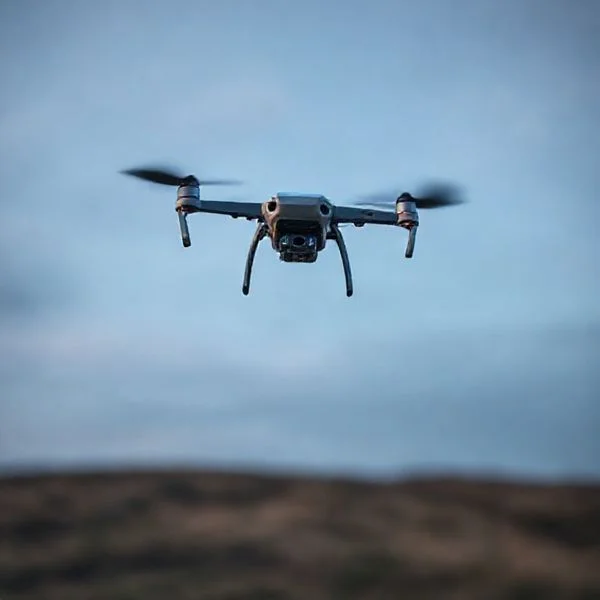
To fly a drone legally in the U.S., you must first pass the FAA TRUST test and register any aircraft weighing over 250 grams. Essential hardware includes a Remote ID-compliant drone, a high-speed microSD card for data, and airspace awareness apps to ensure you are flying in permitted zones.
🎯 Key Takeaways
- Pass the FAA TRUST exam before your first recreational flight.
- Register drones over 250g through the FAA DroneZone portal.
- Ensure your drone has a functional Remote ID broadcast system.
- Use U3/V30 rated microSD cards for stable 4K recording.
- Check airspace restrictions using B4UFLY or Air Control apps.
To get a drone into the air legally in 2024, you need more than just a charged battery and a clear sky. You must complete the FAA’s TRUST test, register any aircraft weighing over 250 grams, and ensure your drone is equipped with functional Remote ID technology. These steps are not optional; they are the baseline requirements for any recreational flyer in the United States. Skipping them can result in civil penalties or equipment seizure before you have even finished your first flight.
Prime for Young Adults — 6 Months Free
Exclusive Offer Amazon Prime for Young Adults, Students and 18–24s get six months of Prime free, then half price.
Start 6 Months Free As an Amazon Associate I earn from qualifying purchases.
Practical compliance matters because it protects both your investment and the airspace. Federal regulations have tightened significantly over the last two years, shifting from “recommendations” to hard requirements. Beyond the paperwork, your hardware must meet specific technical thresholds to handle high-resolution video and maintain a stable link with GPS satellites. This guide breaks down the exact legal hurdles you must clear and the specific gear you need to pack in your drone bag to ensure a successful launch.
Legal and Regulatory Compliance for Drone Pilots
Recommended Best Deal Products


The regulatory landscape for drones is governed strictly by the Federal Aviation Administration (FAA). Even if you are only flying in your backyard, you are operating in national airspace. The first thing you must determine is the weight of your drone. If your drone weighs 250 grams or more (which includes the weight of the battery and any accessories like propeller guards), you must register it through the FAA DroneZone website. This registration costs 5 USD and is valid for three years. Once registered, you must mark your drone with your unique registration number on an exterior surface.
The TRUST Test and Remote ID Requirements
Regardless of your drone’s weight, all recreational flyers must pass the The Recreational UAS Safety Test (TRUST). This is a free, online training module followed by a multiple-choice test. It is designed to ensure you understand basic safety rules, such as staying below 400 feet and keeping your drone within your visual line of sight. You must carry a digital or physical copy of your TRUST completion certificate whenever you fly. If an FAA official or local law enforcement officer asks for your credentials, this is the first document they will request.
As of early 2026, Remote ID is now a mandatory requirement for almost all drones flying in U.S. airspace. Think of Remote ID as a digital license plate. It broadcasts your drone’s location, altitude, and serial number via radio frequency. Most modern drones from manufacturers like DJI, Autel, and Skydio have this technology built-in. If you are flying an older model that lacks internal Remote ID, you must either fly in a specific FAA-Recognized Identification Area (FRIA) or purchase a dedicated Remote ID broadcast module to attach to your aircraft.
- FAA Registration: Required for drones over 250g; cost is 5 USD.
- TRUST Certificate: Mandatory for all recreational pilots; free and permanent.
- Remote ID: Required for all drones that must be registered; must be active during flight.
- Visual Line of Sight (VLOS): You must be able to see your drone without binoculars or “first-person view” goggles at all times.
Essential Hardware and Technical Gear Requirements
Once your legal paperwork is in order, you need to focus on the hardware that keeps your drone functional and your footage safe. The most overlooked piece of gear is the microSD card. Drones record at high bitrates, often in 4K resolution. A standard SD card will fail to keep up, leading to “card error” messages or corrupted video files. You specifically need a card rated as UHS Speed Class 3 (U3) or Video Speed Class 30 (V30). These cards guarantee a minimum write speed of 30MB/s, which is the industry standard for modern drone cinematography.
Control Systems and Power Management
Your drone will come with a remote controller, but the type of controller dictates your mobile device needs. If you have a standard controller (like the DJI RC-N2), you will need a compatible smartphone or tablet. Your device must run a recent version of iOS or Android to support the drone’s flight app. Furthermore, the screen must be capable of high brightness (measured in nits). In direct sunlight, a standard phone screen often becomes unreadable, making it difficult to monitor your battery levels or GPS signal. Many prosumer pilots now opt for “Smart Controllers” with built-in high-brightness screens to avoid using their phones entirely.
Power management is the final technical hurdle. A single drone battery typically provides 20 to 30 minutes of actual flight time once you account for takeoff, landing, and the “return to home” safety margin. To have a productive day, you should follow the “Rule of Three”: one battery in the drone, one in the charger, and one ready to go. Additionally, ensure your mobile device or controller has a dedicated charging cable that is long enough to reach the controller’s USB port without putting tension on the connection, as a loose cable can cause a total loss of video feed mid-flight.
Prime for Young Adults — 6 Months Free
Exclusive Offer Amazon Prime for Young Adults, Students and 18–24s get six months of Prime free, then half price.
Start 6 Months Free As an Amazon Associate I earn from qualifying purchases.- MicroSD Cards: Must be V30 or U3 rated; 64GB is the recommended minimum capacity.
- Mobile Device: Requires high-nit brightness (1000+ nits preferred) and updated firmware.
- Spare Batteries: Aim for at least three batteries to ensure adequate flight time.
- Cables: High-quality USB-C or Lightning cables that support data transfer, not just charging.
Critical Software and Digital Tools for Airspace Safety
Recommended Best Deal Products

While the hardware is what gets you off the ground, software is what keeps you legal and safe. In 2024, flying “blind” without checking digital airspace maps is a recipe for heavy fines or lost equipment. Modern drone pilots rely on a suite of applications to understand the invisible boundaries of the sky.
Airspace Awareness and LAANC Authorization
Before you even power on your controller, you must know if the area is restricted. Airspace isn’t just “open sky”; it is a complex grid of controlled zones, temporary flight restrictions (TFRs), and “no-fly” areas near airports or government buildings. Applications like Aloft (Air Control) or OpenSky are industry standards for this purpose.
- LAANC Access: These tools provide Low Altitude Authorization and Notification Capability, allowing you to get near-instant permission to fly in controlled airspace directly from the FAA.
- Real-Time Restrictions: Digital maps alert you to temporary events, such as sporting matches or VIP movements, that might ground your drone for the day.
- Compliance Logging: Many of these apps allow you to log your flight hours, which is vital for maintaining your equipment and proof of experience.
Hyper-Local Weather and GPS Health
A standard weather app isn’t enough for a drone pilot. You need to know what is happening at 200 feet in the air, not just on the ground. Tools like UAV Forecast provide specific data points that determine if a flight is even possible. For example, wind speeds are often significantly higher at altitude than they are at the surface.
- KP Index Monitoring: This measures geomagnetic activity. A high KP index can interfere with your drone’s GPS and onboard compass, leading to “toilet-bowling” or fly-aways.
- Visibility and Cloud Base: Essential for maintaining Visual Line of Sight (VLOS), a core legal requirement for drone operation.
- Wind Gusts: Knowing the difference between steady wind and sudden gusts ensures you don’t overwork your motors or drain your battery prematurely.
Operational Factors and Environmental Considerations
Beyond the tech, your physical environment dictates what you need to bring along. Being prepared for the terrain and the elements separates the hobbyists from the professionals. These accessories protect your investment from the “silent killers” of drones: dust, moisture, and poor visibility.
Physical Launch and Landing Solutions
Never underestimate the value of a clean take-off. Taking off from tall grass can tangle your props, while dry dirt or sand can be sucked into the motor magnets or scratch your gimbal lens. A portable landing pad is an essential, inexpensive piece of kit that creates a “clean room” environment anywhere.
- Weighted Pads: Look for double-sided, weighted pads that won’t blow away from the prop wash of your own drone.
- High-Visibility Marking: Bright orange or yellow pads help your drone’s downward sensors “see” the landing spot more accurately during automated Return-to-Home sequences.
- Protection: Using a pad prevents the “sandpaper effect” on your delicate camera sensors when landing on gravel or concrete.
Storage and Battery Safety
How you move your drone is as important as how you fly it. Lithium Polymer (LiPo) batteries, which power most drones, require specific care. They are sensitive to extreme temperatures and can be a fire hazard if punctured or handled incorrectly. High-quality protective cases and fire-safe bags are non-negotiable for the responsible pilot.
- LiPo Safe Bags: If you plan on traveling by air, these fire-resistant bags are often required by airlines for battery transport.
- Hard-Shell Cases: While soft backpacks are great for hiking, a hard-shell case with custom foam inserts protects the delicate gimbal and arms from crushing forces during transport.
- Propeller Guards/Straps: Small silicone straps that hold the props in place prevent them from bending or snapping while the drone is tucked away in your bag.
Conclusion: Ready for Takeoff
Flying a drone in 2024 is an incredible experience, but it requires more than just the aircraft itself. By checking off your hardware essentials, staying updated with airspace software, and preparing for environmental challenges, you ensure every flight is legal, safe, and productive. From high-speed microSD cards to landing pads and LAANC apps, these tools are what transform a fragile gadget into a powerful aerial platform.
Prime for Young Adults — 6 Months Free
Exclusive Offer Amazon Prime for Young Adults, Students and 18–24s get six months of Prime free, then half price.
Start 6 Months Free As an Amazon Associate I earn from qualifying purchases.Your next step is simple: Download a reputable airspace app today and check the map for your local area. Knowing where you can fly is the first move toward a successful first flight. Gear up, stay informed, and enjoy the view from above!
❓ Frequently Asked Questions
What are the specific requirements for recreational drone pilots?
Recreational pilots must pass the TRUST test, register drones over 250g, fly within visual line of sight, and follow community-based safety guidelines.
What kind of microSD card is required for drone photography?
You should use a card with a U3 or V30 speed rating to ensure it can handle the high bitrates of 4K video without crashing.
How much does it cost to register a drone with the FAA?
Registration for recreational flyers costs $5 and is valid for three years, covering all drones in your fleet.
What accessories are considered essential for beginners?
Beyond the drone, you need at least two spare batteries, a landing pad for dusty terrain, and a high-quality sun hood for your mobile device.
How do I know if I am allowed to fly in a specific location?
You must check a LAANC-enabled app like Air Control or B4UFLY to see if the airspace is restricted or requires digital authorization.
What happens if I fly a drone without the proper requirements?
Flying without registration or a TRUST certificate can result in significant civil penalties and fines from the FAA.