How Many Drone Bees Are in a Hive? Typical Counts & Ratios
Commercial UAV Pilot & Aerial Cinematography Specialist at Drone Nestle · FAA Part 107 Remote Pilot Certification, Commercial UAS Operations · 10+ Years in Commercial UAV Operations, Flight Hardware Benchmarking & 4K Aerial Cinematography
A healthy honeybee colony typically contains 200 to 1,000 drone bees, representing roughly 5% to 15% of the total population during peak season. These numbers fluctuate significantly, as drones are produced during spring and summer for mating and are expelled from the hive before winter to conserve resources.
🎯 Key Takeaways
- Peak drone populations occur during late spring and summer swarming seasons.
- Drones usually represent 5% to 15% of a healthy colony’s total population.
- A hive without drones during spring may indicate health or queen issues.
- Drones are entirely absent in winter following the annual autumnal drone purge.
- Excessive drone counts can signal a failing queen or laying workers.
In a thriving honeybee colony, you will typically find between 200 and 500 drone bees during the peak of the active season. While a massive hive of 60,000 bees might occasionally support up to 1,000 males, they rarely exceed 5% to 15% of the total population. Understanding these numbers is vital because the drone count serves as a direct barometer for your hive’s health, its reproductive intentions, and its current resource levels.




Monitoring these counts helps you make informed management decisions. A hive with zero drones in mid-summer might signal a failing queen or a lack of incoming forage, while an overabundance could indicate a “drone layer” issue or a colony preparing to swarm. By tracking these ratios, you gain a clearer picture of whether your bees are focusing on survival, expansion, or preparation for the winter months ahead.
Standard Drone-to-Worker Ratios in a Healthy Colony
The balance between male drones and female workers is never accidental; the colony strictly regulates it based on available space and food. In a standard managed hive using wax foundation, the drone population usually stays at the lower end of the spectrum. This is because beekeepers often provide “worker-sized” cell templates, which naturally restricts the number of drones the queen can lay. However, even with these restrictions, a healthy hive will always find space to raise its males.




The 5% to 15% Population Rule
In a typical backyard hive, you should expect drones to make up roughly 5% to 10% of the total bee count. If you are looking at a colony of 50,000 bees, this equates to 2,500 to 5,000 drones. In wild or “feral” colonies where bees build their own comb without human interference, that number often climbs higher, sometimes reaching 20%. The bees naturally want more drones to ensure successful mating with virgin queens from neighboring areas.
- Small Colonies (10k – 20k bees): Expect 100 to 300 drones.
- Medium Colonies (30k – 40k bees): Expect 500 to 1,000 drones.
- Large/Peak Colonies (50k – 60k+ bees): Can support 1,500+ drones in ideal conditions.
Factors That Shift the Drone Balance
The ratio isn’t a fixed number. It shifts based on the age of your queen and the type of equipment you use. Younger queens tend to produce fewer drones, focusing their energy on building a massive worker force to establish the hive. As a queen ages, she may naturally start laying more unfertilized eggs (drones). Additionally, if you use “foundationless” frames, you will notice a significant spike in drone production. Given the choice, bees prefer to build larger drone cells over worker cells for a significant portion of their comb.
Seasonal Fluctuations: Why Drone Counts Peak and Plunge
Drone populations are entirely dependent on the calendar and the climate. Unlike workers, who are essential for the hive’s daily survival and winter thermoregulation, drones are seen by the colony as “luxury items.” They consume a significant amount of honey and contribute no labor. Consequently, the hive only maintains a high drone count when the environment can support the extra caloric cost and when there is a biological need for mating.


The Spring Surge and Summer Peak
As soon as the first major nectar flow begins in spring, the queen ramps up drone production. This usually occurs between April and June in most temperate climates. The colony wants as many mature drones as possible available for “Drone Congregation Areas” (DCAs) to intercept virgin queens. During this window, you will see the highest drone counts of the year. It is not uncommon to see frames with entire corners dedicated to the larger, domed drone brood cells during your inspections.
- Late Spring: Rapid increase as the colony prepares for swarming season.
- Early Summer: Population stabilizes at its peak to ensure genetic dispersal.
- Mid-Summer: Counts may begin to dip slightly if a “summer dearth” (nectar shortage) occurs.
The Autumn Eviction: The “Drone Purge”
As the days shorten and the nectar flow stops in late summer or autumn, the worker bees change their attitude toward their brothers. To conserve winter stores, the workers will forcibly evict drones from the hive. You might see workers dragging drones out of the entrance or preventing them from re-entering after a flight. Because drones cannot forage for themselves and have no stingers to defend themselves, they quickly perish in the cold. By the time the first hard frost hits, the drone count in a healthy hive typically drops to zero.
This “purge” is a sign of a healthy, prepared colony. If you see drones still present in the heart of winter, it is actually a red flag. It often suggests the hive is “queenless” or has a “drone-laying queen” that is unable to produce the female workers necessary for the colony’s survival through the cold months.
Factors Influencing Drone Production and Survival Rates
While the genetic blueprint of a colony sets the stage, environmental factors dictate the actual headcount of drones on any given day. Honeybees are masters of resource management; they won’t invest energy into raising drones unless the external conditions are just right. Because drones are larger and do not forage, they are a significant “tax” on the hive’s food stores.
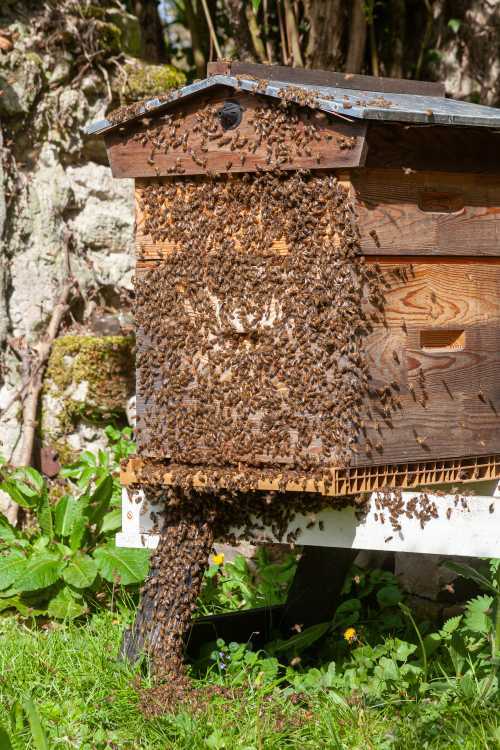
The Impact of Seasonal Shifts and Food Supply
The abundance of drones is directly tied to the nectar flow. When forage is plentiful and the weather is warm, the colony feels secure enough to raise these high-maintenance residents. Drones require significantly more food than workers during their larval stage and as adults, so their numbers often peak during the late spring and early summer months.
- The “Drone Purge”: As winter approaches or during a sudden nectar dearth (a period with no flowers), workers will forcefully evict drones to save honey stores. You may see drones huddled on the landing board, unable to get back in.
- Pollen Availability: High protein levels from diverse pollen sources are essential for drones to reach sexual maturity. A hive low on pollen will often scale back drone production immediately.
- Temperature Consistency: Colonies in warmer climates may maintain a small drone population year-round, while northern hives typically drop to zero drones during the frost months.
Space, Comb Construction, and Hive Volume
A colony’s physical environment also limits drone production. Workers generally build larger drone-sized cells at the edges or bottoms of the frames. If a beekeeper uses foundation with exclusively small worker-sized cells, the bees may struggle to find space to raise drones. This often leads them to build “burr comb” in inconvenient gaps or between boxes just to meet their biological need for drone production.
Pro Tip: If you want to encourage or monitor drone production, consider adding one “drone frame” with larger cell embossing. This allows the bees to consolidate their drone brood in one area, making it easier for you to assess their numbers during an inspection.
Interpreting High or Low Drone Numbers in Your Hive
As a beekeeper, the number of drones you see during a routine inspection is a powerful diagnostic tool. It tells you a story about the queen’s health, the colony’s mood, and their future intentions. Identifying these patterns early can prevent hive loss or unexpected swarming.
When High Drone Counts Signal Trouble
Seeing an explosion of drones isn’t always a sign of a thriving hive. While a healthy colony typically maintains a 10-15% ratio, an “all-drone” brood pattern is a major red flag. If you see drone larvae being raised in small worker-sized cells, you are likely looking at a “drone layer” situation. This happens when a queen has run out of sperm or when laying workers have taken over in the absence of a queen.
- Swarm Prep: A high but healthy drone count—where drones are being raised in large cells at the bottom of the frame—often precedes a swarm. The hive is preparing to send out drones to mate with new queens in the neighborhood.
- The “Bullet Capping” Sign: Look for “bullet cappings”—these are domed, protruding wax lids on cells that should normally be flat. If these appear in the center of the brood nest where worker bees should be, the queen’s health is declining.
- Genetic Contribution: On a positive note, a high drone count in a strong hive is a gift to your local beekeeping community. These drones will fly to Drone Congregation Areas (DCAs) and improve the genetic diversity of the local bee population.
What Scanty Drone Populations Tell You
If you open a hive in the middle of a warm June and see almost no drones or drone brood, it is time to investigate. This could indicate the colony is under severe nutritional stress or is focusing entirely on survival due to a high mite load. However, do not panic if drone numbers drop significantly in late September. This is a natural instinct as the bees prepare for the “cluster” phase of winter where drones would only be a drain on survival resources.
Visual Check: During your inspection, do a quick “eye test.” If you see more than two or three drones for every twenty worker bees, your ratio is likely at the upper limit. If you see none at all during the spring, check your nectar stores to ensure the colony isn’t starving.
Conclusion
Monitoring the drone population is about more than just counting bees; it’s about understanding the heartbeat of your colony. While drones are often dismissed as the “lazy” members of the hive, their presence—usually ranging from a few hundred to a couple of thousand—is a vital indicator of a colony’s vitality and reproductive readiness. By keeping an eye on that 10-15% ratio and noting seasonal shifts, you can stay one step ahead of queen failure or swarming events.
For your next hive inspection, take a moment to look specifically at the edges of the brood nest. Observe whether the drone cappings look healthy and if the workers are treating them as welcome guests. Paying attention to these subtle population shifts will help you become a much more intuitive and successful beekeeper. Happy inspecting!
❓ Frequently Asked Questions
Why does the number of drones change so drastically throughout the year?
Drones exist solely for mating; they are produced in abundance when virgin queens are available in spring and removed in winter when resources are scarce.
What percentage of a honeybee colony consists of male drones?
In a managed hive, drones typically account for 5% to 15% of the total population, though this varies by honey flow and colony health.
Why are drones kicked out of the hive in the fall?
Drones consume large amounts of honey but do not contribute to winter survival, so workers forcibly remove them to protect the colony’s food stores.
Does a high drone count mean my hive is about to swarm?
A surge in drone production is a common precursor to swarming, as the colony prepares for the possibility of mating new queens.
What happens if a hive has zero drones during the summer?
Zero drones in summer may indicate a colony that is struggling with nutrition or a very young colony prioritizing worker brood for growth.
How do drone counts differ between feral and managed hives?
Feral hives often have higher drone percentages (up to 25%) because they build more drone-sized honeycomb compared to managed hives using pre-stamped foundation.

Similar Posts