The drone wall is a collaborative defense infrastructure initiative involving six NATO nations designed to protect the European border with Russia and Belarus. It utilizes a sophisticated network of surveillance UAVs and anti-drone technologies to monitor hybrid warfare threats and illegal incursions in real-time.
🎯 Key Takeaways
- Takeaway 1:Protects the 1,000km NATO border using integrated drone technology.
- Takeaway 2:Involves Lithuania, Latvia, Estonia, Poland, Norway, and Finland.
- Takeaway 3:Combines physical surveillance drones with ground-based electronic jamming systems.
- Takeaway 4:Specifically designed to counter ‘hybrid warfare’ and illegal migration.
- Takeaway 5:Represents a shift toward dynamic, digital border security over physical walls.
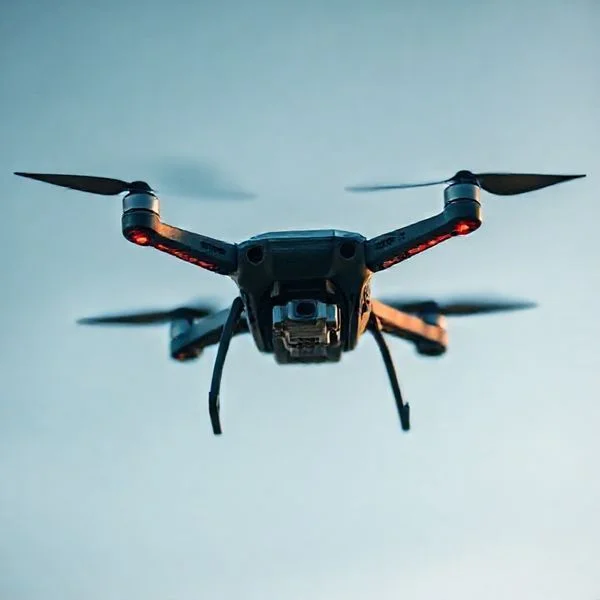
The Drone Wall is not a physical structure made of concrete or steel. It is a sophisticated, coordinated defensive shield composed of thousands of unmanned aerial vehicles (UAVs) and electronic warfare systems. This digital and physical barrier stretches across the borders of six NATO nations, creating a continuous surveillance and interception zone. It is designed to detect, track, and neutralize unauthorized drones or “hybrid threats” before they can penetrate sovereign airspace.
Prime for Young Adults — 6 Months Free
Exclusive Offer Amazon Prime for Young Adults, Students and 18–24s get six months of Prime free, then half price.
Start 6 Months Free As an Amazon Associate I earn from qualifying purchases.
For you to understand why this matters, you must look at the shifting nature of modern conflict. Traditional border fences cannot stop a surveillance drone from hovering over a sensitive military site or a smuggling operation. By deploying a unified drone wall, these nations are moving from passive defense to an active, tech-driven security posture. It ensures that every inch of the border is under constant, automated observation, protecting critical infrastructure and national security in real-time.
Understanding the Drone Wall Initiative: A New Era of Border Defense
Recommended Best Deal Products


The Drone Wall is a multi-national security project led by Lithuania, Latvia, Estonia, Poland, Norway, and Finland. These six countries share a significant border with Russia and Belarus, making them the front line of NATO’s eastern flank. In May 2024, the interior ministers of these nations agreed to synchronize their drone capabilities. The goal is to create a seamless “wall” of protection that spans from the Arctic in Norway down through the Baltic States and into Poland.
A Unified Front Against Hybrid Threats
This initiative is a direct response to hybrid warfare. Unlike traditional combat, hybrid threats involve tactics like GPS jamming, weaponized migration, and the use of small, low-cost drones for espionage. The Drone Wall allows these six countries to share intelligence and operational data instantly. If a suspicious drone is spotted on the Estonian border, the information is immediately accessible to neighboring Latvian forces. This collective defense strategy ensures there are no gaps in the surveillance net.
- Geographic Scope: Over 1,000 miles of border protection.
- Primary Participants: Norway, Finland, Estonia, Latvia, Lithuania, and Poland.
- Strategic Purpose: Countering unauthorized surveillance and preventing border provocations.
- Funding: A combination of national defense budgets and European Union security grants.
The Shift from Physical to Digital Barriers
Traditional border security relies on personnel and stationary cameras. However, the Drone Wall introduces mobility and persistence. Patrol drones can cover hundreds of miles of rugged terrain that human guards cannot reach. This system operates 24/7, using artificial intelligence to distinguish between a bird and a hostile drone. For these nations, the wall is a force multiplier, allowing a smaller number of border guards to monitor vast, often inaccessible forested regions.
The Technology Stack: Surveillance UAVs and Anti-Drone Systems
The effectiveness of the Drone Wall relies on a complex “stack” of integrated technologies. It is not just about flying drones; it is about the sensors and software that tie them together. The system uses a layered approach to security. This starts with early detection at long range and ends with active neutralization if a threat enters restricted airspace. Every component is designed to work in the harsh weather conditions of Northern Europe.
Surveillance UAVs and Persistent Monitoring
The “eyes” of the wall consist of high-endurance surveillance UAVs. These are not your typical consumer drones. They are equipped with advanced optics and sensors that allow them to see through fog, rain, and total darkness. Many of these units are VTOL (Vertical Take-Off and Landing) drones, which means they can launch from a small forest clearing without needing a runway. They provide a live video feed directly to border command centers, using encrypted satellite links to prevent hacking.
- Thermal Imaging: Detecting the heat signatures of engines or individuals in dense forests.
- LIDAR and Mapping: Creating 3D models of the border to detect changes in terrain or new structures.
- Acoustic Sensors: Listening for the specific frequency of drone motors before they are even visible.
- AI Object Recognition: Automatically flagging unauthorized movement without human intervention.
Anti-Drone Systems and Mitigation
A wall is useless if it cannot stop an intruder. The “anti-drone” component of the stack focuses on Soft-Kill and Hard-Kill solutions. Soft-kill methods involve electronic warfare (EW) to jam the communication links between a drone and its pilot. Hard-kill methods involve physically intercepting the drone. The Drone Wall prioritizes electronic interference to avoid kinetic accidents near the border. These systems create “no-fly zones” where rogue drones simply lose power or return to their point of origin.
Prime for Young Adults — 6 Months Free
Exclusive Offer Amazon Prime for Young Adults, Students and 18–24s get six months of Prime free, then half price.
Start 6 Months Free As an Amazon Associate I earn from qualifying purchases.- Signal Jammers: Disrupting the 2.4GHz or 5.8GHz frequencies used by most UAVs.
- GPS Spoofing: Sending false coordinates to a drone to trick it into flying away from the border.
- Interception Drones: High-speed UAVs designed to “net” or crash into hostile drones.
- Directed Energy: Using microwave or laser technology to disable drone electronics instantly.
Geopolitical Context: Why Baltic States and Poland Are Investing
Recommended Best Deal Products



The “Drone Wall” isn’t just a futuristic concept; it is a direct response to the shifting security landscape in Eastern Europe. For countries like Poland, Lithuania, Latvia, and Estonia, the border with Russia and Belarus has become a focal point for “hybrid warfare.” This involves activities that fall just below the threshold of open conflict, such as orchestrated migrant surges or unauthorized reconnaissance flights. Investing in a coordinated drone infrastructure allows these nations to monitor vast, often forested areas that are difficult to patrol with human guards alone.
The Shift from Physical Barriers to Digital Deterrence
Traditional fences and walls are static. They can be climbed, cut, or bypassed. A drone-based defense system offers a dynamic layer of security. By investing in this technology, the Baltic states are signaling a shift toward tech-driven deterrence. This isn’t just about catching intruders; it is about creating a “transparent border” where any movement is detected instantly, recorded, and analyzed in real-time. This level of visibility makes it much harder for adversaries to conduct clandestine operations without being caught on camera.
Regional Unity and Shared Defense
One of the most significant aspects of this investment is the collaborative nature of the project. Rather than each country building its own isolated system, they are working toward a unified regional defense. This cooperation ensures that there are no “blind spots” along the NATO eastern flank. Practical benefits of this regional investment include:
- Standardized Communication: Using compatible hardware and software across borders for seamless data sharing.
- Shared Intelligence: A suspicious drone detected in Latvia can be tracked and flagged for Estonian authorities before it crosses the line.
- Cost Efficiency: Joint procurement of drone accessories and platforms helps lower the overall financial burden on individual states.
Operational Challenges: Electronic Warfare and Regional Scalability
Building a wall out of drones is significantly more complex than building one out of concrete. The primary obstacle is the high-intensity Electronic Warfare (EW) environment in the region. Border zones are frequently subject to GPS jamming and signal interference, which can render standard consumer drones useless. To make the Drone Wall effective, the hardware must be “hardened” against these digital attacks, requiring specialized accessories and encrypted communication links.
The Signal Struggle: Overcoming Jamming and Interference
In the Suwalki Gap and surrounding areas, signal interference is a daily reality. For the Drone Wall to function, operators cannot rely on basic radio frequencies. They must utilize frequency-hopping spread spectrum (FHSS) technology and advanced signal boosters. Many of the drones used in this initiative are equipped with redundant navigation systems that don’t rely solely on GPS, using visual odometry or inertial sensors to maintain their position when signals are lost.
Maintaining Scalability Across Diverse Terrains
Scaling a drone program to cover hundreds of miles of border requires more than just more pilots. It requires autonomous infrastructure. One of the biggest hurdles is the battery life and charging logistics. To solve this, the Baltic states are looking into “drone-in-a-box” solutions—automated docking stations that protect drones from the harsh northern winters and recharge them without human intervention. Key operational challenges include:
- Extreme Weather: High winds and sub-zero temperatures can drastically reduce flight times and damage sensitive gimbal components.
- Data Management: Handling the massive amounts of 4K video and thermal data generated by hundreds of drones requires a robust, secure cloud infrastructure.
- Legal Hurdles: Coordinating flight paths near civilian airspace and ensuring privacy laws are respected while maintaining security.
Conclusion
The Drone Wall represents a massive leap forward in how modern borders are secured. By combining cutting-edge UAV technology with regional cooperation, the Baltic states and Poland are creating a blueprint for 21st-century defense. This system doesn’t just watch the border; it provides a comprehensive, real-time understanding of the environment, allowing for faster and more accurate responses to potential threats. While electronic warfare and harsh weather remain significant obstacles, the rapid advancement in hardened drone accessories and autonomous software is making this ambitious vision a reality.
Prime for Young Adults — 6 Months Free
Exclusive Offer Amazon Prime for Young Adults, Students and 18–24s get six months of Prime free, then half price.
Start 6 Months Free As an Amazon Associate I earn from qualifying purchases.As drone technology continues to evolve, staying informed about the latest hardware and defense strategies is essential. Whether you are a hobbyist or a professional, understanding these large-scale applications helps put the power of modern drones into perspective. Keep exploring our site to learn more about the latest drone accessories and tech updates that are shaping the future of flight!
❓ Frequently Asked Questions
How does the drone wall differ from traditional border fencing?
Unlike static physical fences, the drone wall is a dynamic system that provides 24/7 aerial visibility and the ability to intercept airborne threats like hostile reconnaissance drones.
What technical equipment is used in the drone wall infrastructure?
It utilizes high-endurance surveillance UAVs, thermal imaging sensors, acoustic detection units, and electronic warfare (EW) systems to jam drone signals.
What is the strategic purpose of the drone wall in NATO defense?
The system acts as an early warning network to detect ‘gray zone’ activities and hybrid warfare tactics used to destabilize border regions without direct military conflict.
Can the drone wall operate in extreme weather conditions?
The initiative selects specialized UAVs and sensors designed for the harsh climates of Northern Europe, including sub-zero temperatures and high-wind environments.
How does the initiative handle data and intelligence sharing?
Participating nations coordinate through shared communication protocols to ensure that a threat detected in one sector is immediately visible to neighboring border guards.
What role does anti-drone technology play in this system?
Anti-drone tech is used for ‘soft kills,’ which involve jamming the radio frequencies or GPS signals of intruder drones to force them to land or return to their origin.