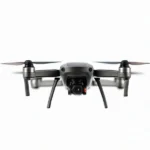
What to Do if a Drone Is Spying on You: Legal Safety Tips
Commercial UAV Pilot & Aerial Cinematography Specialist at Drone Nestle · FAA Part 107 Remote Pilot Certification, Commercial UAS Operations · 10+ Years in Commercial UAV Operations, Flight Hardware Benchmarking & 4K Aerial Cinematography
Never attempt to physically damage or shoot down a drone, as it is a federal crime that can result in felony charges and imprisonment. To protect your privacy safely, document the incident thoroughly and report the behavior to local law enforcement and the Federal Aviation Administration (FAA).
🎯 Key Takeaways
- Avoid physical retaliation to prevent serious federal felony charges.
- Record the drone’s flight path and duration for evidence.
- Use Remote ID apps to help identify the drone’s operator.
- Contact local police for immediate privacy or harassment concerns.
- File an FAA report for dangerous or illegal flight operations.
If you spot a drone hovering outside your window or lingering over your backyard, your first instinct might be to knock it out of the sky. You must resist that urge. Under federal law, drones are classified as aircraft, and interfering with one is a felony. Instead, the most effective way to stop a drone from spying on you is to combine immediate evidence collection with a targeted report to local law enforcement and the FAA. You have a legal right to privacy in your home, and while the pilot might own the drone, they do not own the right to film you inside your private domain.
Protecting yourself requires a calm, tactical approach. Because the legal landscape regarding consumer drones is still evolving, the burden of proof often rests on the person being surveilled. You need to know exactly which laws are being broken and how to identify the person holding the controller. This guide skips the fluff and provides the direct, legal steps you need to take to reclaim your privacy and ensure the pilot faces the consequences of their actions.
Legal Framework for Drone Privacy and Airspace Rights
Understanding who controls the air above your head is the first step in building a legal case. In the United States, the Federal Aviation Administration (FAA) maintains total jurisdiction over all navigable airspace, from the blades of grass to the clouds. This means you do not “own” the air above your house in the same way you own the soil. However, the FAA does not regulate privacy; that is handled by state and local statutes. When a drone crosses the line from “flying” to “spying,” it moves from FAA territory into the jurisdiction of your local police department.
Navigating “Peeping Tom” and Trespass Laws
While a pilot can legally fly over your house at a safe altitude, they cannot legally use that drone to peek into your windows or monitor your private movements. Most states have updated their “Peeping Tom” and harassment laws to specifically include aerial surveillance. If a drone captures images of you in a place where you have a reasonable expectation of privacy—such as your bedroom, bathroom, or a fenced-in backyard—the pilot is likely violating state privacy laws.
- The 200-Foot Rule: While not a universal federal law, many local jurisdictions are adopting a “low-altitude” trespass rule. If a drone is flying below 200 feet over your private property, it is often viewed as a trespass violation rather than a standard flight.
- Surveillance Statutes: States like Florida, California, and Texas have specific “Privacy Acts” that prohibit using a drone to record a person without their consent in a private setting.
- Harassment and Stalking: If the drone follows you or appears whenever you go outside, this falls under criminal harassment. Documentation of these repeated incidents is vital for a restraining order.
Remember, the pilot is subject to the same laws as someone standing on a ladder looking into your window. The technology changed, but your fundamental right to be left alone in your home has not. Never attempt to use signal jammers or projectiles; these are illegal for civilians and will result in you being the one facing charges.
Identifying the Differences Between Surveillance and Recreational Flight
Before you call the police, you must determine if the drone is actually spying or if a hobbyist is simply passing through. Many recreational pilots are just capturing landscape shots or practicing maneuvers and may not even realize they are making you uncomfortable. Distinguishing between a neighbor learning to fly and a deliberate intruder is essential for a credible police report.
Visual Cues and Flight Patterns
A drone’s behavior is the clearest indicator of intent. Recreational flyers usually move in predictable paths or wide, sweeping circles to get cinematic shots of the neighborhood. A drone being used for surveillance will exhibit specific “loitering” behaviors that suggest it is focused on a specific target. Look for these signs to determine if you are being watched:
- Stationary Hovering: The drone stays in a fixed position near your windows or balconies for more than a few seconds.
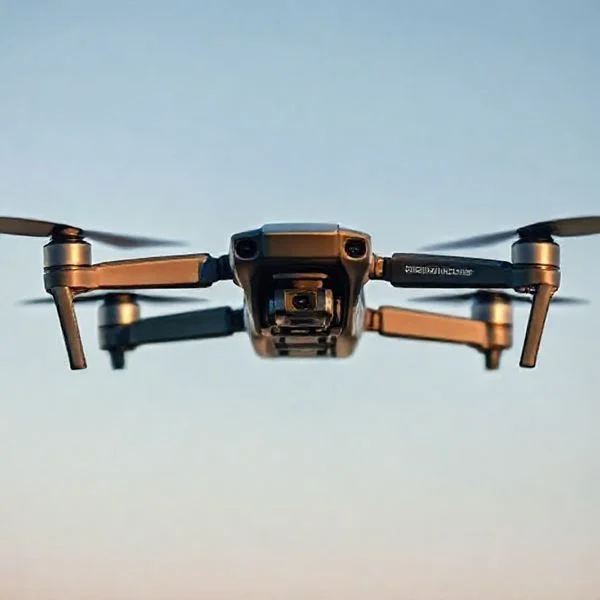
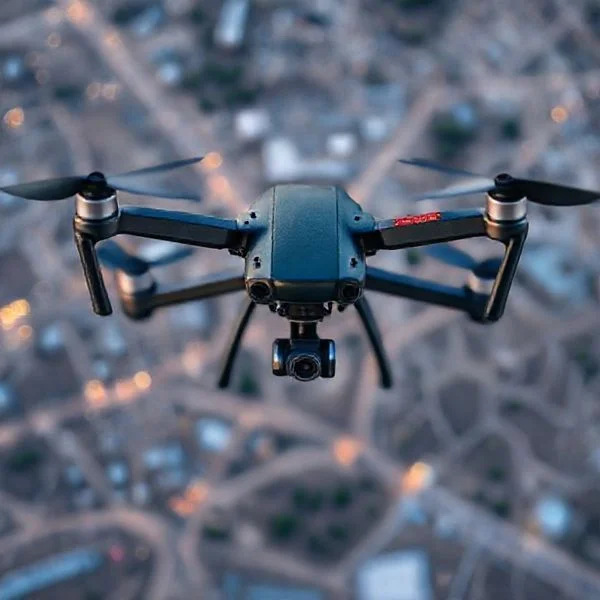
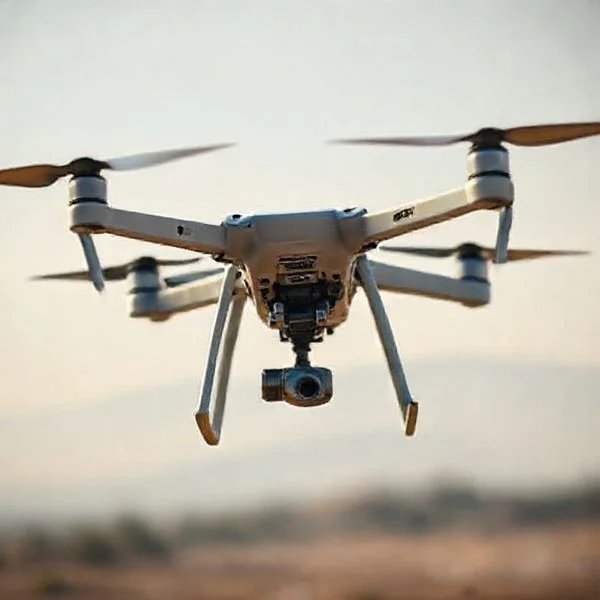
- Gimbal Orientation: Look at the camera beneath the drone. If the camera is tilted directly toward your property rather than toward the horizon or the street, the pilot is focused on you.
- Repeated Intrusion: If the drone returns to your specific address at the same time every day, it is likely a pattern of monitoring rather than a random flight.
- Low Altitude: Surveillance drones usually fly low (below 50-100 feet) to get clear images through windows. High-altitude flight usually indicates general photography or transit.
Using Remote ID and Identification Apps
As of 2026, the FAA requires most consumer drones to broadcast “Remote ID” data. This is essentially a digital license plate. This broadcast includes the drone’s location, its serial number, and—most importantly—the GPS coordinates of the pilot. You can use this information to find exactly where the pilot is standing without ever leaving your porch.
- Identification Apps: Download apps like DroneScanner or OpenSky on your smartphone. If the drone is broadcasting Remote ID, these apps will show you the craft’s flight path and the pilot’s current position in real-time.
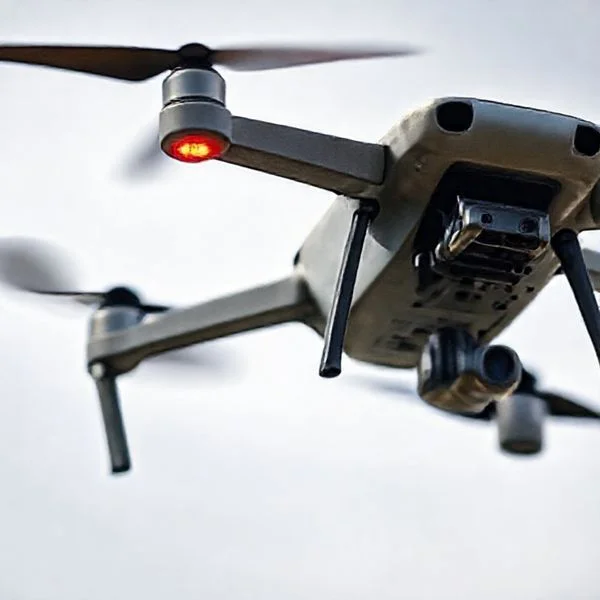
- Visual Identification: If you cannot get a digital signal, look for the drone’s lights. FAA-compliant drones must have anti-collision lighting (strobe lights) if flying at night or in low light. Note the color and flash pattern, as this helps police identify the model.
- Visual Line of Sight (VLOS): FAA rules require the pilot to keep the drone in their sight at all times. If you see a drone, the pilot is likely within a few hundred yards of your location, often parked in a car or standing on a nearby sidewalk.
By identifying the pilot’s location through Remote ID or visual tracking, you provide the police with actionable data. Reporting a “black drone” is difficult for authorities to follow up on; reporting a “DJI Mavic 3 being operated by a person in a silver SUV two blocks over” will get an immediate response.
The Risks and Legal Consequences of Physical Retaliation
When you spot a drone hovering over your backyard, your first instinct might be to reach for a garden hose, a rock, or even a firearm. While it feels like a violation of your space, taking physical action against the device is almost always a mistake. In the eyes of the law, drones are considered “aircraft,” and interfering with them carries heavy penalties that often outweigh the initial annoyance of the drone itself.
Why Damaging a Drone is a Federal Offense
In many jurisdictions, including the United States, the Federal Aviation Administration (FAA) classifies drones as civil aircraft. This means that “interfering” with a drone in flight can be treated similarly to interfering with a commercial airliner. Damaging a drone can lead to felony charges, significant fines, and potential jail time. Even if the drone is clearly over your private property, you do not have the legal right to destroy it.
- Federal Prosecution: You could face federal charges for damaging “protected” aviation equipment.
- Civil Liability: Drone equipment is expensive. High-end camera drones can cost thousands of dollars, and the owner can sue you in civil court for the full replacement value.
- Hazardous Materials: Most drones use Lithium Polymer (LiPo) batteries. If punctured or crushed, these batteries can explode or catch fire, creating a major safety hazard for your home and family.
The Danger of Falling Debris
If you successfully disable a drone, gravity becomes your next enemy. A drone weighing several pounds falling from 100 feet in the air is a dangerous projectile. It could land on your roof, hit a neighbor’s car, or strike a bystander. You are legally responsible for any secondary damage or injuries caused by the falling “wreckage.” Taking the high road is not just about being polite; it is about protecting your bank account and your freedom.
Authorities and Organizations That Handle Drone Misconduct
If you feel your privacy is being compromised, there are specific channels designed to handle these disputes. You don’t have to handle the situation alone, and knowing which authority to contact depends on whether the issue is a privacy concern or a safety violation.
Local Law Enforcement and Privacy Statutes
Your first point of contact should generally be local police. While they may not have specialized drone units, they are responsible for enforcing privacy, stalking, and harassment laws. If a pilot is using a drone to look into your windows or follow you around, they are likely violating “Peeping Tom” statutes or local nuisance ordinances.
- Harassment Laws: Persistent hovering can be classified as stalking or harassment depending on your state’s specific language.
- Local Ordinances: Many cities have passed “No Fly Zones” over residential areas or public parks. Police can issue citations for these local violations.
- Documenting the Pilot: If you can see the pilot, describing their location to the police is much more effective than just describing the drone.
Reporting to the FAA for Airspace Violations
The FAA handles the “how” and “where” of the flight. If the drone is flying too close to structures, flying over people, or operating in a reckless manner, the FAA’s Flight Standards District Office (FSDO) is the agency to notify. With the rollout of Remote ID technology, most modern drones now broadcast a digital “license plate” that authorities can use to track the pilot’s identity and flight history instantly.
By reporting the incident through official channels, you create a paper trail. This documentation is essential if you ever need to seek a restraining order or file a formal complaint against a repeat offender. Professional drone organizations also encourage reporting, as “rogue pilots” give the entire hobby a bad name.
Conclusion
Dealing with a suspicious drone is undoubtedly frustrating, but staying calm and legal is your best defense. Remember that while the drone is in the air, your primary goals are documentation and personal safety. Avoid the temptation to retaliate physically, as the legal consequences for damaging an aircraft can be far more severe than the drone’s intrusion. Instead, rely on local law enforcement and federal agencies to handle pilot misconduct and protect your privacy rights.
As a next step, take a few minutes to look up your specific city’s drone ordinances so you know exactly where the line is drawn. If you ever find yourself being watched, grab your phone, start recording, and let the authorities do their job. Stay safe, stay legal, and protect your peace of mind!
❓ Frequently Asked Questions
Is flying a drone over my backyard considered trespassing?
In most jurisdictions, the FAA owns the airspace above your home, so flying over isn’t trespassing. However, if the drone hovers at a very low altitude or interferes with your ‘quiet enjoyment’ of the land, it may violate local ordinances.
What legally counts as ‘spying’ by a drone?
Spying typically involves a drone operator intentionally recording or observing individuals in places where they have a reasonable expectation of privacy, such as inside their homes or fenced backyards. Laws vary by state, but persistent targeted surveillance is usually a crime.
Can I use a net or water hose to stop a drone?
Using any physical means to down a drone—including nets or water—is illegal and subjects you to civil lawsuits for property damage and potential criminal charges for interfering with an aircraft.
What documentation do the authorities need for a report?
You should provide clear video of the drone’s flight path, timestamps of the occurrence, and any identifying marks or serial numbers visible on the craft. Descriptions of the operator’s vehicle or appearance are also highly valuable for investigators.
How does FAA Remote ID help with privacy concerns?
Remote ID acts like a digital license plate, broadcasting the drone’s identity and location. If you have a compatible app, you can identify the drone’s serial number, which the FAA and police can use to find the registered owner.
Are there specific privacy laws for drones in my state?
Yes, many states have passed specific legislation regarding ‘Peeping Tom’ drone use and unauthorized photography. It is important to research your specific state’s drone privacy statutes to understand your rights during a dispute.

Similar Posts