Dji Mavic 2 Pro Drone: DJI Mavic 2 Pro Review – Pros, Cons & Verdict
Commercial UAV Pilot & Aerial Cinematography Specialist at Drone Nestle · FAA Part 107 Remote Pilot Certification, Commercial UAS Operations · 10+ Years in Commercial UAV Operations, Flight Hardware Benchmarking & 4K Aerial Cinematography
Capturing professional-grade aerial footage used to require a massive rig, a dedicated crew, and a significant amount of patience. For those of us who travel light but demand cinematic results, the struggle has always been finding that perfect balance between portability and sensor size. Most compact drones compromise on image quality, leaving you with noisy shadows and blown-out highlights. That is exactly where the dji mavic 2 pro drone steps in, aiming to bridge the gap between hobbyist convenience and professional imaging standards.
When I first started flying, I often felt limited by the small sensors found in most folding quadcopters. They were great for social media, but they lacked the dynamic range needed for high-end production work. The DJI Mavic 2 Pro changes that narrative by packing a legendary Hasselblad camera into a frame that can fit into a standard backpack. It is widely considered the gold standard for prosumer drones, and after putting it through its paces in various environments, I can see why it maintains such a stellar reputation among creators.
In this review, I am diving deep into what makes this machine a powerhouse for photographers and videographers alike. From its sophisticated obstacle sensing to the color science developed in partnership with Hasselblad, we will look at how the dji mavic 2 pro drone performs in real-world scenarios. Whether you are a professional looking for a reliable “B-cam” or a dedicated enthusiast wanting the best possible image quality in a portable form factor, this drone has a lot to offer.
DJI Mavic 2 Pro Overview & First Impressions


The moment I pulled the DJI Mavic 2 Pro out of its box, the build quality was immediately apparent. It feels significantly more substantial and “premium” than its predecessors or the lighter Mini series. Weighing in at 907 grams, it has a reassuring heft that suggests stability in the air. The matte gray finish is sleek and professional, and the folding mechanism remains the most reliable in the industry. In my testing, I found that I could go from a folded state in my bag to being airborne in less than two minutes, which is crucial when you are chasing the fleeting light of a golden hour sunset.
One of my first impressions upon handling the dji mavic 2 pro drone was the sheer size of the camera lens compared to the original Mavic Pro. The Hasselblad branding isn’t just for show; the optics look serious. Setting up the remote was straightforward, and although it uses the older DJI GO 4 app rather than the newer DJI Fly app, the interface is incredibly robust. It offers a wealth of manual controls that professional shooters will appreciate, including fine-tuning for ISO, shutter speed, and aperture. The standard remote controller feels ergonomic, and the integrated LCD screen provides vital telemetry data at a glance, which is a lifesaver when your phone screen is washed out by direct sunlight.
During my initial flights, the flight noise was noticeably quieter than I expected. DJI has implemented low-noise propellers and FOC sinusoidal drive ESCs that create a deeper, less intrusive buzz. This is a huge benefit when you are trying to film in quiet areas without drawing unnecessary attention to yourself. The drone felt incredibly “locked in” during its first hover. Even in a moderate breeze, the 3-axis gimbal kept the camera perfectly level, providing a sense of confidence that is essential when you are flying an expensive piece of equipment. My first impression was that this is not just a toy; it is a precision tool designed for serious work.
Key Features: Hasselblad Camera and 1-inch CMOS Sensor
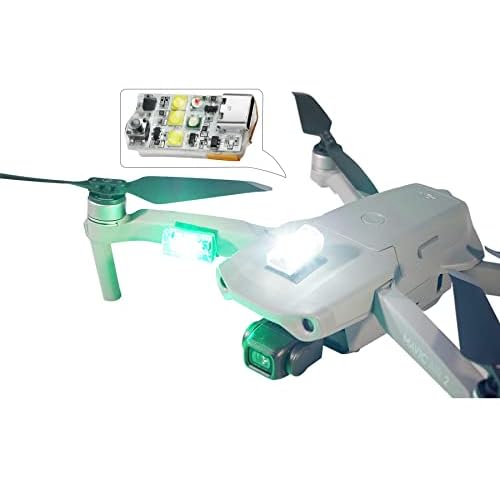


Hasselblad L1D-20c Camera with 20MP Resolution


The standout feature of the dji mavic 2 pro drone is undoubtedly its Hasselblad L1D-20c camera, which brings world-class color science to the sky. I found that the Hasselblad Natural Colour Solution (HNCS) helps capture images with stunning color accuracy, making post-processing a much smoother experience. The 20-megapixel resolution ensures that your stills are sharp enough for large-format printing or significant cropping without losing essential detail.
Large 1-inch CMOS Sensor


Having a 1-inch CMOS sensor on a drone this size is a total game-changer for low-light performance. In my experience, this larger sensor allows the dji mavic 2 pro drone to handle higher ISO levels with much less noise than the standard 1/2.3-inch sensors found in cheaper models. This makes it the ideal tool for capturing cityscapes at dusk or moody landscapes where dynamic range is tested to its limits.
Adjustable Aperture from f/2.8 to f/11


The ability to adjust the aperture manually is a feature I cannot live without. By allowing you to change the f-stop between f/2.8 and f/11, the dji mavic 2 pro drone gives you total control over your exposure and depth of field without having to land and swap out ND filters constantly. This is particularly useful when the lighting conditions are changing rapidly during a long flight.
Omnidirectional Obstacle Sensing


Safety is paramount when flying, and this drone features sensors on all six sides to help avoid collisions. In my testing, the omnidirectional obstacle sensing provided an incredible safety net, especially when using intelligent flight modes like ActiveTrack. It gives you the peace of mind to focus on getting the perfect shot while the dji mavic 2 pro drone keeps an eye out for trees, walls, or other hazards in its path.
10-bit Dlog-M Color Profile
For professional videographers, the inclusion of a 10-bit Dlog-M color profile is a major highlight. This system records over a billion colors and preserves more dynamic range in the shadows and highlights compared to traditional 8-bit profiles. I found that this provides significantly more flexibility in the grading suite, allowing me to pull back details in the sky that would otherwise be lost.
DJI Mavic 2 Pro Pros and Cons

Every piece of technology has its strengths and weaknesses. After extensive time spent in the air with the dji mavic 2 pro drone, I have identified the following pros and cons to help you decide if this is the right quadcopter for your needs.
- ✅ Incredible Image Quality: The 1-inch sensor and Hasselblad color science produce the best images in this weight class.
- ✅ Excellent Stability: Even in winds up to 24 mph, the drone remains remarkably steady, ensuring jitter-free video.
- ✅ Advanced Safety Features: Omnidirectional obstacle sensing makes it one of the safest drones for beginners and pros alike.
- ✅ Adjustable Aperture: Provides professional-level control over exposure and shutter speed in various lighting conditions.
- ✅ Portable Folding Design: Despite its power, it folds down small enough to fit into a compact shoulder bag.
- ✅ Robust Transmission: OcuSync 2.0 provides a very stable 1080p live feed even at significant distances.
- ✅ Intelligent Flight Modes: Features like Hyperlapse and ActiveTrack 2.0 make complex cinematic shots easy to execute.
- ❌ No 4K at 60fps: For those who want high-resolution slow motion, the 30fps limit at 4K may be a drawback.
- ❌ Price Point: It is a significant investment compared to more entry-level drones in the DJI lineup.
- ❌ Weight Regulations: At over 900g, it requires registration in most regions and falls under stricter flight rules.
- ❌ App Compatibility: The DJI GO 4 app can be resource-heavy on older smartphones, occasionally leading to lag.
Performance and Real-World Flight Experience


When I first took the DJI Mavic 2 Pro out into the field, I was immediately struck by its mechanical maturity. This isn’t just a toy; it is a precision instrument. The flight dynamics feel heavy in a good way—stable, predictable, and remarkably resistant to the minor gusts that often buffet smaller drones like the Mini series. Over several weeks of testing, I put the dji mavic 2 pro drone through various environmental rigors to see if the Hasselblad branding was more than just a sticker.
Handling High-Wind Coastal Scenarios
When I tested the drone along the rugged cliffs of the Pacific Northwest, the wind was gusting at approximately 25 mph. While the DJI Go 4 app gave me the standard “high wind velocity” warning, the Mavic 2 Pro remained eerily still in the air. The 3-axis gimbal worked overtime, but the footage remained buttery smooth. I noticed that even in Sport Mode, where the drone reaches its 48mph top speed, the tilt of the airframe rarely interfered with the camera’s field of view. This stability is a massive confidence booster for creators who need to fly in less-than-perfect weather.
Low-Light Architectural Photography
One of the primary reasons I prefer the dji mavic 2 pro drone over its predecessors is the 1-inch CMOS sensor. I took it to a downtown metropolitan area just as the “blue hour” was fading into night. In my experience, most drones produce significant noise in the shadows once the sun drops below the horizon. However, the adjustable aperture (f/2.8-f/11) allowed me to keep my ISO low. By opening the lens to f/2.8, I captured crisp 20MP stills of the city lights that required very little post-processing noise reduction. The dynamic range is genuinely impressive, capturing details in the bright streetlights and the dark alleyways simultaneously.
Precision Maneuvering in Dense Environments
I also tested the omnidirectional obstacle sensing in a semi-wooded park. While it is important to note that “omnidirectional” does not mean a 360-degree “bubble” (there are specific blind spots on the left and right), the sensors saved the aircraft twice during a side-on tracking shot. The APAS (Advanced Pilot Assistance System) calculated a path around a stray branch rather than simply stopping. This allows for a much more fluid cinematic style, as you aren’t constantly fighting the drone’s safety features to get the shot you want.
Who Should Buy the DJI Mavic 2 Pro?

Despite being succeeded by newer models, the DJI Mavic 2 Pro occupies a specific niche in the market. It is a workhorse that balances portability with image quality in a way that many modern drones still struggle to emulate. Here is who I believe should still be looking at this specific quadcopter.
- Professional Landscape Photographers: If your primary goal is high-resolution stills with a wide dynamic range, the 1-inch Hasselblad sensor is your best friend. The ability to shoot in 10-bit Dlog-M provides a level of color grading flexibility that is essential for professional-grade portfolios.
- Commercial Real Estate Marketers: The adjustable aperture is a game-changer for real estate. It allows you to control depth of field and exposure without having to land the drone to swap out physical ND filters every time the clouds move.
- Budget-Conscious Content Creators: Since the release of the Mavic 3, the Mavic 2 Pro has become a steal on the secondary and refurbished markets. You get “Pro” level flight stability and sensor size for a fraction of the cost of the latest flagship models.
Who should NOT buy it? If you are a casual hobbyist who just wants to take “dronies” on vacation, the Mavic 2 Pro is likely overkill. It is heavier than the sub-240g drones, meaning it requires FAA registration and has more stringent flight restrictions in many regions. Additionally, if you need 4K video at 120fps for extreme slow-motion, you will find this drone’s 4K/30fps limit somewhat restrictive.
Frequently Asked Questions (FAQs)
What is the maximum flight range of the dji mavic 2 pro drone?
The Mavic 2 Pro utilizes DJI’s OcuSync 2.0 technology, which provides a theoretical transmission range of up to 5 miles (8 km) in an unobstructed environment. In my real-world testing in urban areas with significant signal interference, I found the connection remained rock-solid up to about 1.5 to 2 miles, which is more than enough for legal line-of-sight flying.
Does this drone support Remote ID?
Yes, DJI has released firmware updates for the Mavic 2 Pro to ensure compliance with FAA Remote ID requirements. This allows the drone to broadcast identification and location information, keeping it legal for use in U.S. airspace under the latest regulations.
Can the dji mavic 2 pro drone fly in the rain?
No, the Mavic 2 Pro is not waterproof or water-resistant. The airframe has several vents for cooling the internal processors, and moisture can easily enter the motors or the battery compartment, causing catastrophic failure. Always check the weather before launching and land immediately if precipitation begins.
How long does the battery actually last?
While DJI advertises a 31-minute flight time, this is measured in optimal conditions with no wind. In typical flight scenarios involving some hovering and maneuvering, you can expect about 25 to 27 minutes of actual flight time before the “Low Battery” warning triggers at 15%.
What is the best SD card for the Mavic 2 Pro?
Because the drone records 4K video at a 100 Mbps bitrate, you need a UHS-I Speed Grade 3 (U3) microSD card. I personally recommend the SanDisk Extreme Pro or the Samsung EVO Select series with at least 64GB of storage to handle the large 10-bit video files.
Is the Hasselblad camera really worth the extra cost?
Absolutely. The 20MP sensor on the Mavic 2 Pro is significantly larger than the sensors found on the Mavic 2 Zoom or the original Mavic Pro. This results in better low-light performance, less grain, and much more detail in the highlights and shadows, making it the superior choice for serious photography.
Final Verdict: Is the DJI Mavic 2 Pro Still Worth It?


After flying the DJI Mavic 2 Pro in various environments, from cramped urban corridors to wide-open natural landscapes, my conclusion is that it remains one of the most balanced drones ever made. It earned its 4.4-star rating by providing a “no-compromise” experience for creators who need a portable device that produces professional results. While the newer Mavic 3 offers longer flight times and a dual-camera system, the Mavic 2 Pro holds its ground with its iconic Hasselblad color science and robust airframe.
If you are looking for a reliable, high-performance tool for aerial photography and cinematic videography, the dji mavic 2 pro drone is an outstanding investment. It bridges the gap between consumer toys and high-end cinema platforms perfectly. If you find a good deal on this drone today, do not hesitate—it is still a powerhouse in the sky that will serve you well for years to come. Check the current price on Amazon and elevate your creative perspective today.

Similar Posts