10 Drones with the Longest Flight Time: 2024 Rankings
Commercial UAV Pilot & Aerial Cinematography Specialist at Drone Nestle · FAA Part 107 Remote Pilot Certification, Commercial UAS Operations · 10+ Years in Commercial UAV Operations, Flight Hardware Benchmarking & 4K Aerial Cinematography
The DJI Mini 4 Pro currently leads the consumer market with a 45-minute flight time when using the Intelligent Flight Battery Plus. For enterprise users, the DJI Matrice 350 RTK sets the bar with an impressive 55-minute duration, though real-world conditions typically reduce these figures by 15-20%.
🎯 Key Takeaways
- Select ‘Intelligent Flight Battery Plus’ options to maximize consumer drone endurance.
- Expect real-world flight times to be 15-20% lower than manufacturer laboratory specs.
- Enterprise-grade drones provide the longest durations but involve significantly higher costs.
- Extended batteries often push sub-250g drones into higher weight classes requiring registration.
- Maintaining a steady cruising speed is more energy-efficient than stationary hovering.
The current champion for consumer drone endurance is the DJI Mini 3, which delivers a staggering 51 minutes of flight time when equipped with the Intelligent Flight Battery Plus. For professional enterprise users, the DJI Matrice 350 RTK leads the pack with a maximum flight time of 55 minutes. While these advertised numbers represent ideal conditions, they set the benchmark for what is possible in 2024. Most high-end consumer drones now average between 34 and 46 minutes, a massive leap from the 20-minute limit of previous years.


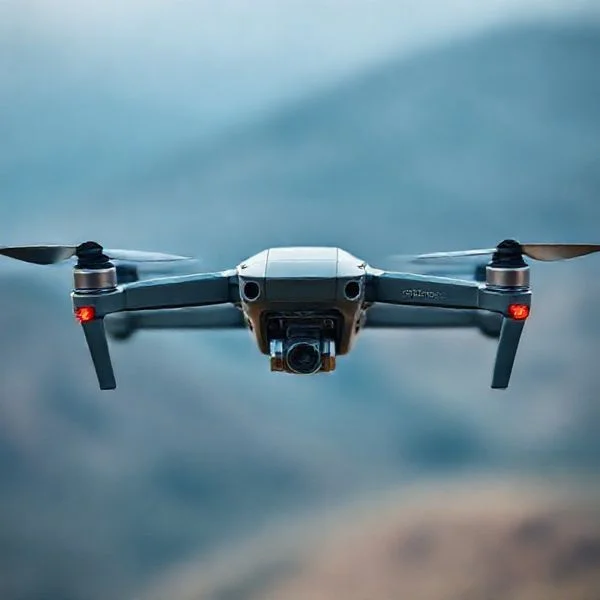
Maximizing your time in the air is not just about convenience; it is about operational efficiency. Whether you are mapping a large construction site or waiting for the perfect sunset light, every extra minute reduces the need for frequent landings and battery swaps. Longer flight times allow you to cover more ground per mission and keep your sensors in the air where they belong. However, achieving these peak numbers often involves a trade-off between battery capacity, total weight, and local aviation regulations.
Top-Ranked Consumer Drones for Maximum Endurance
In the consumer market, flight time is dominated by DJI’s specialized battery technology. The standout feature in recent years is the “Intelligent Flight Battery Plus” option available for the Mini series. These batteries have higher energy density but come with a significant catch regarding the drone’s weight. When you choose a drone based on endurance, you must decide if those extra minutes are worth the additional administrative requirements.
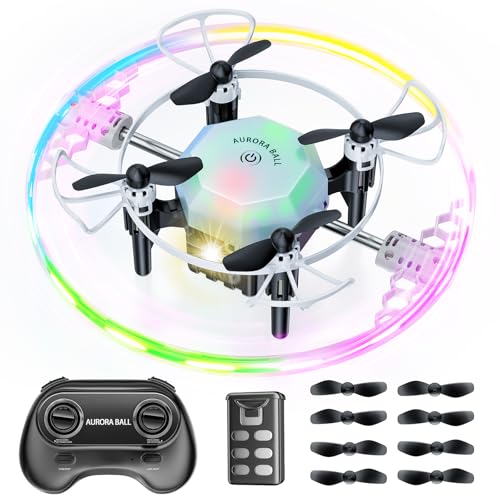


The “Plus” Battery Trade-off: Weight and Legality
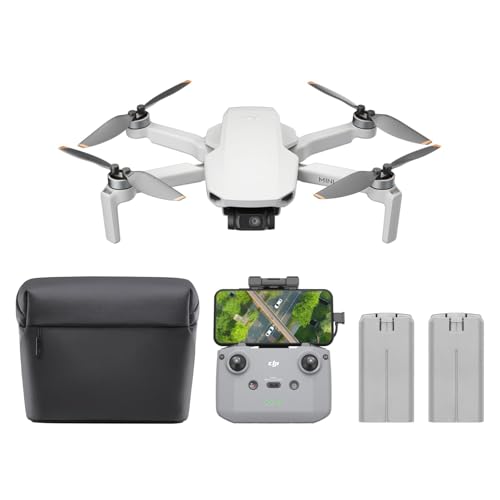
Most modern sub-250g drones, like the DJI Mini 4 Pro, come with a standard battery designed to keep the aircraft under the 250-gram limit. This weight is critical because it exempts you from many “Category 1” drone regulations in the US and Europe. If you upgrade to an Intelligent Flight Battery Plus to reach the 45 or 51-minute marks, your drone will exceed 249 grams. This shift means you must register your drone with the FAA and potentially follow more stringent flight rules. You are essentially trading regulatory ease for 10-15 minutes of extra airtime.
Top 5 Consumer Drones by Flight Duration
- DJI Mini 3: 51 minutes (with Intelligent Flight Battery Plus). This is the current king of consumer endurance. It is a simplified version of the Pro model but outlasts it in the air.
- DJI Air 3: 46 minutes. This drone uses a dual-battery charging hub that can transfer power from multiple low batteries to the one with the most remaining juice.
- DJI Mini 4 Pro: 45 minutes (with Intelligent Flight Battery Plus). While slightly lower than the Mini 3, it offers much better obstacle avoidance and signal range.
- DJI Mavic 3 Pro: 43 minutes. This is the top choice for professional photographers who need a balance of heavy triple-camera hardware and long-range endurance.
- Potensic Atom: 31 minutes. For those outside the DJI ecosystem, the Atom provides a respectable half-hour of flight in a compact, sub-250g package.
High-Performance Enterprise Drones with 50+ Minute Capacities
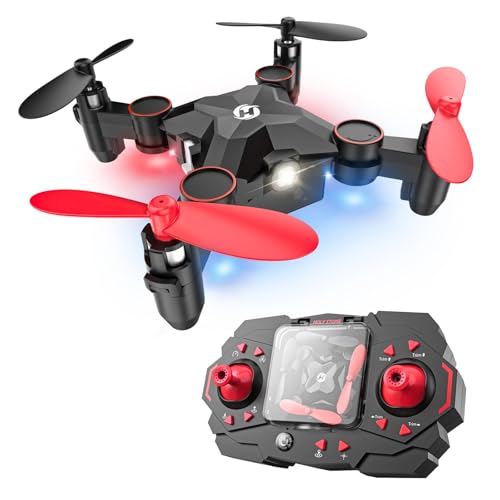
Enterprise drones are built for stamina and reliability in demanding environments. Unlike consumer models, these aircraft often carry heavy thermal cameras, LIDAR sensors, or spotlight attachments. To maintain long flight times while carrying these payloads, enterprise drones use massive dual-battery systems and high-voltage propulsion. These machines are designed to stay airborne long enough to complete complex search-and-rescue missions or infrastructure inspections in a single flight.
The Industrial Benchmarks
The DJI Matrice 350 RTK is the gold standard for industrial endurance, boasting a 55-minute maximum flight time. However, it is important to note that this figure is calculated without a payload. Once you add a heavy sensor like the Zenmuse H20T, your actual flight time will likely drop to around 40-45 minutes. Even with that reduction, it remains the most capable platform for long-duration missions. The 350 RTK also features hot-swappable batteries, allowing you to change power cells without even turning the drone off, which keeps your uptime at a maximum.


Best Enterprise Drones for Long Missions
- DJI Matrice 350 RTK: 55 minutes. Best for large-scale mapping and public safety operations.
- DJI Mavic 3 Enterprise (M3E): 45 minutes. This is essentially a “Mavic on steroids,” optimized for survey efficiency without the bulk of a Matrice.
- Autel EVO II RTK V3: 42 minutes. Autel remains a top competitor, offering high endurance and a system that does not require the same geofencing restrictions as DJI.
- DJI Matrice 30T: 41 minutes. A weather-resistant, foldable enterprise drone that balances portability with professional-grade airtime.
When selecting an enterprise drone, you should prioritize the “mission time” rather than the “hover time.” Hovering in place uses less energy than fighting wind or moving at high speeds. Most enterprise pilots plan for a 20% battery buffer, meaning a 45-minute drone actually gives you about 36 minutes of “productive” working time before you need to head back to the landing pad.
Advertised vs. Real-World Flight Times: The Impact of Accessories
When you see a drone advertised with a “46-minute flight time,” it is vital to understand that this figure represents an ideal scenario. Manufacturers typically conduct these tests in controlled indoor environments with zero wind, at sea level, and often with the camera gimbal stabilized but not recording. In the real world, your flight time will almost always be 15% to 20% lower than the number on the box.

The Weight Penalty of Add-ons
Every extra gram you add to your drone forces the motors to spin faster to maintain lift, which increases the current draw from the battery. If you are using your drone for specialized tasks, you likely have accessories attached that weren’t factored into the manufacturer’s lab test. Even small additions can have a cumulative effect on endurance.
- Propeller Guards: Essential for indoor flying or beginners, but they add weight and significantly increase wind resistance.
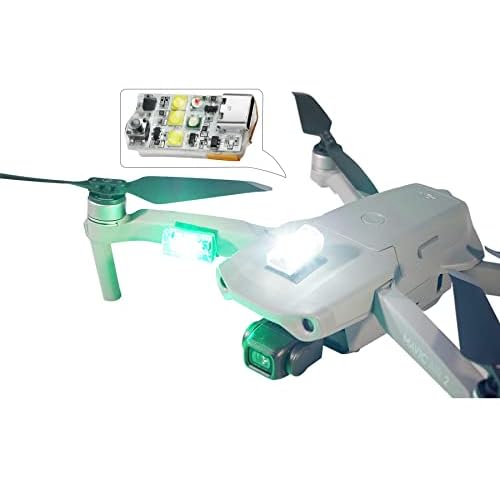
- External Lighting: High-intensity strobe lights for night flight safety draw power directly from the drone’s main battery or add “dead weight” if they have their own power source.
- Lens Filters: While a single ND filter is light, adding heavy wide-angle lens attachments can slightly alter the gimbal’s balance and motor workload.
- Landing Gear Extensions: These allow for safer landings in tall grass but create extra drag during forward flight.
Why Hovering Isn’t Always Most Efficient
It is a common misconception that hovering in place saves battery. In fact, many modern drones are more efficient when moving forward at a moderate, steady speed. This is known as “translational lift,” where the drone moves into “clean” air, allowing the rotors to work more efficiently than they do when spinning in the turbulent air created during a static hover. If you want to maximize your time in the sky, keep the drone moving smoothly rather than fighting to stay perfectly still.
Crucial Environmental Factors That Drain Your Drone Battery Faster
Beyond the hardware you carry, the environment is the most significant variable in battery consumption. You can have the highest-capacity battery on the market, but certain weather conditions will still force an early “Return to Home” command.
Fighting the Elements: Wind and Temperature
Wind is the ultimate battery killer. If your drone’s flight controller is constantly fighting 15 mph gusts to maintain its GPS position, the motors are working at peak capacity. Furthermore, the chemical composition of Lithium-Polymer (LiPo) batteries makes them highly sensitive to the thermometer.
- Cold Weather: In temperatures below 50°F (10°C), the chemical reactions inside the battery slow down. This leads to a lower voltage output and a much faster “percentage drop” during flight.
- Extreme Heat: While heat doesn’t always shorten flight time immediately, it can lead to battery swelling and permanent capacity loss over time.
- High Winds: Flying against a headwind requires significantly more throttle than flying with a tailwind. Always plan your flight so you aren’t fighting a headwind on your way back to the landing pad.
High Altitude and Air Density
If you are flying in the mountains or at high elevations, your flight times will naturally decrease. As altitude increases, the air becomes thinner (less dense). To generate the same amount of lift required to stay airborne, the propellers must spin significantly faster than they would at sea level. This increased RPM leads to a faster battery drain. Professional pilots flying at high altitudes often switch to specialized “high-altitude props” which have a more aggressive pitch to compensate for the thin air, though this is only a partial solution for the lost battery efficiency.
Final Thoughts on Choosing the Longest-Lasting Drone
Finding the drone with the longest flight time is about balancing manufacturer specifications with the reality of your specific flying environment. While the industry leaders in 2024 are finally breaking the 45-minute barrier, your actual airtime will depend on your payload, the wind, and your flying style. To get the most out of every charge, keep your drone aerodynamic, pre-warm your batteries in cold weather, and fly in calm conditions whenever possible.
Next Steps: Start by auditing your current drone accessories to see if you can shed any unnecessary weight before your next mission. Then, consider investing in a high-quality car charger so you can top off your batteries between locations. Ready to maximize your airtime? Explore our guide to the best high-capacity intelligent flight batteries today!
❓ Frequently Asked Questions
How do ‘Intelligent Flight Battery Plus’ models differ from standard ones?
These batteries feature higher energy density but increase the drone’s total weight beyond the 249g regulatory limit. This adds roughly 10-15 minutes of flight time but mandates stricter pilot registration and compliance.
Why is my real-world flight time much lower than the manufacturer’s estimate?
Manufacturers test flight times in controlled, windless laboratory environments at specific speeds. Real-world variables like wind resistance, payload weight, and frequent maneuvering consume significantly more energy than these controlled tests.
Can I use third-party batteries to increase my flight duration?
While third-party batteries exist, they often lack the sophisticated power management systems of OEM batteries. They can be heavier or less efficient, potentially voiding warranties or compromising the drone’s flight stability.
Does the weight of drone accessories impact battery life significantly?
Absolutely; adding accessories like prop guards, landing gear extensions, or external cameras increases the motor load. Even a few extra grams can shave several minutes off your total flight duration.
Are there any drones that can fly for more than an hour?
Some specialized hydrogen-powered or fixed-wing surveillance drones can exceed 60 minutes. However, for standard consumer and commercial quadcopters, 45 to 55 minutes remains the current industry ceiling.
How does cold weather affect the battery life of high-end drones?
Low temperatures slow down the chemical reactions inside LiPo batteries, leading to a sudden drop in voltage. Many long-range drones now include self-heating batteries to mitigate this effect during winter flights.

Similar Posts