Where is Amazon Drone Delivery Available? 2024-2025 Locations
Commercial UAV Pilot & Aerial Cinematography Specialist at Drone Nestle · FAA Part 107 Remote Pilot Certification, Commercial UAS Operations · 10+ Years in Commercial UAV Operations, Flight Hardware Benchmarking & 4K Aerial Cinematography
Amazon Prime Air currently operates in College Station, Texas, serving residential customers with ultra-fast delivery times. The service is actively expanding, with Tolleson, Arizona, and international locations in the UK and Italy slated for launch in 2024 and 2025.
🎯 Key Takeaways
- College Station, Texas, remains the primary active hub for Prime Air deliveries.
- Tolleson, Arizona, is the next major U.S. city scheduled for deployment.
- International expansion includes specific regions in Italy and the UK by 2025.
- Delivery is restricted to packages weighing 5 pounds or less.
- A clear, unobstructed backyard landing zone is required for successful delivery.
Currently, the only place in the world where you can receive an active Amazon Prime Air drone delivery is College Station, Texas. While the company has tested various sites over the last decade, they have recently consolidated their operations to focus on this high-performing hub. If you live in specific neighborhoods within College Station, you can order over 15,000 eligible items—ranging from cold medicine to office supplies—and have them land in your backyard in less than 60 minutes.
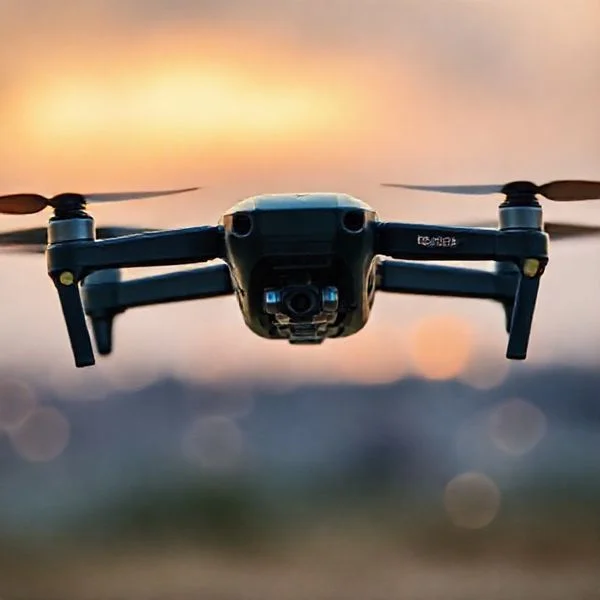
Knowing exactly where these drones are flying matters because the service is no longer a concept; it is a functional part of the Amazon logistics machine. For residents in active zones, this means bypassing traffic and delivery vans entirely. As we move through 2024 and into 2025, the map is finally starting to grow again after a period of refinement. If you are a drone enthusiast or a frequent shopper, understanding this rollout helps you see how close you are to the future of delivery.
Current Active Amazon Prime Air Locations
As of late 2024, Amazon Prime Air has focused its live residential operations on one primary “super-site.” While other locations have existed in the past, Amazon recently streamlined its efforts to prepare for a much larger 2025 expansion. This means that for the moment, the drone delivery experience is highly exclusive to one specific region of the United States.
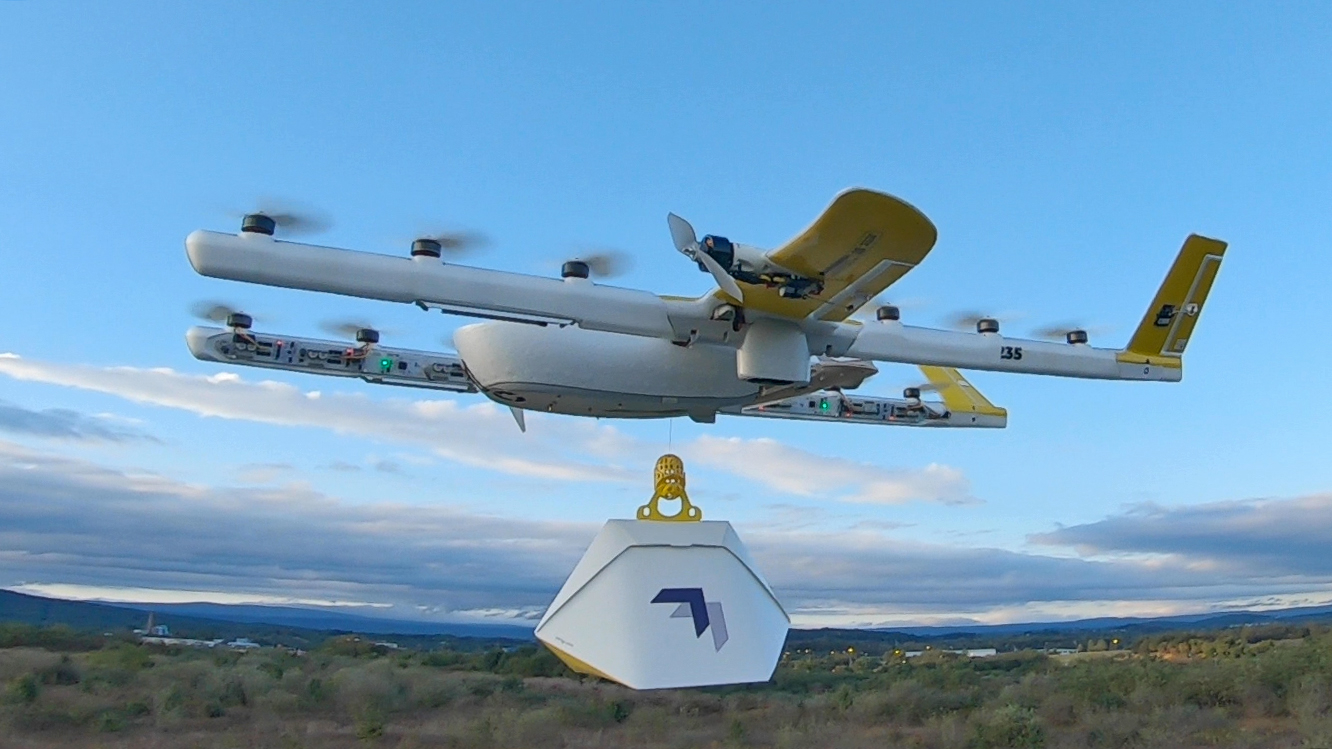
College Station, Texas: The Current Hub
College Station serves as the flagship for Amazon’s drone ambitions. The service here isn’t just a limited trial; it is fully integrated into the local fulfillment center. Customers in eligible ZIP codes can see a “Prime Air” delivery option at checkout. The drones operating here are designed to deliver packages weighing up to five pounds. This covers a massive percentage of typical daily Amazon orders, including pharmacy items and small household essentials.
- Primary Service Area: Residential neighborhoods surrounding the Texas A&M University area.
- Delivery Speed: Most packages arrive in under 60 minutes, with many reaching backyards in less than 30.
- Operational Status: Fully live and delivering daily, weather permitting.
The Lockeford, California Transition
It is important to note that as of April 2024, Amazon officially closed its drone delivery site in Lockeford, California. If you are looking for drone delivery in the Central Valley, the service is no longer available there. Amazon shifted those resources and staff to the College Station hub and upcoming 2025 locations. This move was part of a strategic shift to use more advanced drone models that require different ground infrastructure than what was available in the Lockeford pilot program.
Amazon Drone Delivery Made Easy: Your Essential Action Plan
Amazon Prime Air is the retail giant’s ambitious project to deliver packages to customers’ doorsteps in under 60 minutes using autonomous drones. While the technology is futuristic, the rollout is highly strategic and localized. This guide covers everything you need to know about locating active service zones, checking your specific property for eligibility, and understanding the technological requirements for receiving a package from the sky. Following these steps is crucial because drone delivery is restricted by strict FAA regulations and local zoning, meaning even if you live in a “delivery city,” your specific backyard might not qualify.
Step 1: Identify the Currently Active Service Hubs
What you need: A computer or smartphone and access to current Amazon Prime Air press releases.
Instructions: As of mid-2024, Amazon has refined its delivery footprint. You must first determine if you live within the general vicinity of an active drone fulfillment center. Currently, the primary operational hub is in College Station, Texas. Amazon recently announced the integration of drone deliveries into their Same-Day Delivery site in Tolleson, Arizona (part of the Phoenix metro area). Notably, operations in Lockeford, California, have been phased out to focus on these newer, more integrated locations. Before trying to place an order, verify that you reside within approximately 3.7 to 9 miles of these specific hubs, as the current MK30 drone technology has a limited flight radius for round-trip missions.
Pro Tip: Don’t rely on old blog posts from 2022; Amazon’s drone program pivots quickly. Always check the “Amazon News” (AboutAmazon.com) section for the “Prime Air” tag to see the most recent city additions.
Step 2: Use the Amazon App to Check Address Eligibility
What you need: The latest version of the Amazon Shopping app and a Prime membership.
Instructions: Once you have confirmed you are in a supported city like College Station or Tolleson, log into your Amazon account and set your delivery address to your primary residence. When browsing for items, look for a specific “Prime Air” icon or a delivery filter. If your address is within the geofenced delivery zone, eligible items (generally under five pounds) will display a delivery window of “under 60 minutes” or “under 30 minutes” with a drone icon. If you do not see this icon, your specific neighborhood may be outside the current flight path authorized by the FAA for that specific fulfillment center.
Pro Tip: Ensure your “Location Services” are turned on in your phone settings to allow the app to pinpoint your exact coordinates relative to the drone’s launch pad.
Step 3: Evaluate Your Property for Landing Zone Suitability
What you need: A measuring tape and a clear view of your backyard or driveway.
Instructions: Amazon drones do not land on your roof or your porch; they require a clear, flat area to hover and drop the package via a tether or controlled release. You need a clear space of at least 4 meters by 4 meters (approximately 13 feet by 13 feet). This area must be free of “vertical obstructions,” which include overhanging tree branches, power lines, clotheslines, or tall patio umbrellas. The drone’s onboard sensors (using “sense and avoid” technology) will abort the delivery if it detects any unexpected obstacles in the drop zone, such as a parked car or a roaming pet.
Pro Tip: If you have a choice, designate a spot on a flat driveway or a well-manicured lawn. The drone’s sensors struggle with high weeds or extremely uneven rocky terrain.
Step 4: Verify Item Weight and Dimension Restrictions
What you need: Knowledge of the product specifications for the items you wish to order.
Instructions: Even if you live next door to a drone hub, not everything can be delivered by air. The current MK30 drone is designed to carry packages weighing 5 pounds (2.2 kg) or less. This covers roughly 80% of Amazon’s typical order volume, including household essentials, beauty products, and light electronics. Furthermore, the package must fit within the standardized Prime Air cargo box. If your order includes a gallon of milk or a heavy cast-iron skillet, the drone delivery option will automatically disappear from your checkout screen, defaulting back to traditional van delivery.
Pro Tip: Think “pharmacy and snacks.” The most successful drone deliveries are usually small, high-urgency items like fever reducers, chargers, or toothpaste.
Step 5: Monitor Local Weather and Time Constraints
What you need: A reliable weather app and a clock.
Instructions: Drone delivery availability is highly dependent on real-time environmental conditions. Amazon drones currently operate during daylight hours only. Additionally, while the new MK30 drone is designed to fly in light rain and higher temperatures than its predecessor (the MK27), delivery will be suspended during high winds (typically above 25 mph), heavy thunderstorms, or extreme heat waves that could affect battery performance. If you are checking for availability during a storm, the option will likely be “greyed out” until conditions clear. Always check for availability between 8:00 AM and sunset.
Pro Tip: If a sudden gust of wind occurs during the drone’s flight, it may return to the station for safety. Don’t worry—you won’t be charged extra for a failed flight attempt.
Step 6: Prepare for Future Expansion (International and Domestic)
What you need: An eye on international tech news and Amazon’s “Day One” blog.
Instructions: If you aren’t currently in Texas or Arizona, you should look for the “Expansion 2024” roadmap. Amazon has identified the United Kingdom and Italy as the next major frontiers for Prime Air. In the UK, specific testing has occurred in areas like Cambridge, but broader consumer availability is expected in late 2024. In the US, Amazon is working with the FAA to gain “Beyond Visual Line of Sight” (BVLOS) permissions, which will allow drones to fly further from the centers, significantly increasing the “available” zones in existing cities. Stay informed by signing up for Amazon’s corporate newsletters to be the first to know when a “nest” is built in your region.
Pro Tip: Keep an eye on local zoning board meetings in your city. Amazon must often get local permission before setting up the drone launch infrastructure.
✅ Final Checklist
- Confirmed residence within 9 miles of College Station, TX or Tolleson, AZ.
- Verified the item in the cart is under the 5-pound weight limit.
- Cleared a 13ft x 13ft landing area free of overhead wires and trees.
- Confirmed it is currently daylight and weather conditions are clear.
- Prime membership is active and the “Prime Air” delivery option is selected at checkout.
Important Notes:
- Safety First: Never attempt to touch or “catch” a drone. They are fully autonomous and will divert if they sense human movement too close to the landing zone.
- Privacy: Amazon drones use cameras for navigation and obstacle avoidance, but the company states they do not use these cameras to collect identifiable images of people.
- Cost: Currently, Amazon does not charge an additional “drone fee” for eligible Prime members in active zones, as they are in a trial and expansion phase.
- Estimated Time: From the moment you click “Place Order,” the goal is delivery in 30 to 60 minutes.
Expansion Roadmap: Upcoming Cities in the US, UK, and Italy
While the current list of active cities is short, the roadmap for the next 12 to 18 months is the most aggressive in Amazon’s history. The company is moving away from small-scale pilots and toward “integrated” sites where drones fly directly from existing Same-Day Delivery sites. This change allows them to scale much faster across different geographic regions.

Tolleson, Arizona: The Next US Gateway
The next major city to see drones in the sky is Tolleson, Arizona, located in the West Valley of the Phoenix metropolitan area. Amazon has confirmed that Tolleson will be the first location to feature drone deliveries integrated into their “Same-Day Site” network. This is a massive step forward because it places the drone launchpads right next to the packages, rather than at a separate, dedicated drone facility.
- Expected Launch: Late 2024 to early 2025.
- Coverage Area: Tolleson and surrounding West Valley residential zones.
- Key Feature: This site will be the debut location for the new MK30 drone, which can fly in light rain and higher temperatures.
International Expansion: United Kingdom and Italy
For the first time, Amazon is taking Prime Air outside of the United States. By the end of 2024 and throughout 2025, customers in select regions of Italy and the United Kingdom will begin receiving drone deliveries. Unlike previous experimental flights in the UK, these will be permanent residential delivery services integrated into the local fulfillment network.
- Italy: Initial operations are expected to begin in specific northern regions, though exact city names are currently under wraps for final regulatory clearance.
- United Kingdom: One specific “deployment site” will be chosen to start, with plans to expand to multiple regions quickly. Amazon is working closely with the Civil Aviation Authority (CAA) to finalize these flight paths.
- The Goal: To offer drone delivery to customers in these countries who live within 12 kilometers (about 7.5 miles) of a designated fulfillment center.
This international push is significant because it proves the technology can adapt to different regulatory environments and weather patterns. If you live in these regions, you should look for updates in your Amazon app shopping settings, as the “Prime Air” eligibility check will appear once the local flight corridors are approved.
Eligibility Criteria: Weight Limits and Property Requirements
Even if you live within a designated service area, not every order or every backyard is ready for a drone arrival. Amazon Prime Air is currently optimized for speed and efficiency, which means there are strict physical limitations on what the MK30 drone can carry. Understanding these criteria helps set realistic expectations for your next ultra-fast delivery.
The 5-Pound Rule and Packaging Dimensions
Currently, the weight limit for Amazon drone deliveries is five pounds (2.26 kg). While this might sound restrictive, Amazon notes that the vast majority of their daily orders actually fall under this threshold. This makes drone delivery perfect for small, high-necessity items or lightweight drone accessories like extra propellers, ND filters, or microSD cards. If your order exceeds this weight or involves bulky packaging that doesn’t fit the drone’s specialized cargo bay, the system will automatically default to standard ground shipping.
- Weight Limit: Maximum of 5 pounds per delivery.
- Item Categories: Ideal for household essentials, beauty products, and light tech gear.
- Packaging: Items must fit within specific aerodynamic containers designed for the drone.
Backyard and Landing Zone Requirements
The “last mile” of drone delivery requires a clear, unobstructed space to safely lower the package. Amazon’s sophisticated sensors require a flat landing area, usually in a backyard, that is free of overhanging obstacles. This means your property needs a designated “drop zone” clear of low-hanging tree branches, power lines, or patio furniture. For those living in high-density apartments or condos without private yards, drone delivery remains a challenge that Amazon is still working to solve through communal drop points.
- Clearance: A minimum radius of clear space (usually around 2-3 meters) is required for the descent.
- Surface Type: Grass or pavement is preferred; steep slopes or cluttered areas may be rejected by the drone’s sensors.
- Obstacles: Ensure no temporary obstacles, like a parked bicycle or a pet’s playpen, are in the designated zone on delivery day.
Operational Constraints and Safety Considerations
Amazon’s expansion into 2025 isn’t just about moving into new cities; it’s about navigating the complex world of aviation safety and local weather patterns. Because these drones share the sky with manned aircraft and birds, they operate under a set of strict constraints designed to keep the neighborhood safe and quiet.
Weather Limitations and Daylight Hours
While the newer MK30 drone is designed to be more resilient than its predecessors, it still has its limits. Drone deliveries are typically limited to daylight hours and favorable weather conditions. High winds, heavy rain, or thick fog can ground the fleet. If you are expecting a delivery and a storm rolls in, the system will likely reschedule your order for a traditional van delivery or wait for a clear window. This ensures that the drone’s sensitive navigation sensors aren’t compromised by extreme elements.
- Wind Speeds: Operations usually cease if sustained winds or gusts exceed specific safety thresholds.
- Visibility: Drones require clear visibility to navigate safely and identify the landing marker.
- Temperature: Extreme heat or cold can affect battery performance, leading to occasional service pauses.
Advanced Obstacle Avoidance and Noise Reduction
One of the biggest hurdles for widespread adoption is “community acceptance.” Amazon has addressed this by making the MK30 drone significantly quieter—roughly 40% quieter than previous models. Furthermore, the drones are equipped with “sense and avoid” technology. This system allows the drone to detect and navigate around unexpected obstacles like a neighbor’s new flagpole, a wandering pet, or a curious bird in real-time without needing a human pilot to intervene.
- Safety Sensors: Multiple cameras and thermal sensors detect people and animals from a distance.
- Autonomous Rerouting: If a landing zone is compromised at the last second, the drone is programmed to abort the delivery and return to the fulfillment center.
- Privacy: Sensors are focused on navigation and obstacle detection, not high-resolution surveillance of private property.
Conclusion
Amazon drone delivery is no longer a futuristic concept; it is a rapidly expanding reality for thousands of customers in 2024 and 2025. As service moves beyond the initial test sites in California and Texas into states like Arizona and international locations in the UK and Italy, the “Prime Air” logo is becoming a common sight in the sky. By understanding the weight limits, property requirements, and the impact of weather, you can make the most of this cutting-edge technology.
If you are lucky enough to live in a current or upcoming service area, your next step is to check the Amazon app for the Prime Air eligibility icon on your favorite lightweight items. Keep your landing zone clear, stay updated on local expansion news, and get ready to experience the future of logistics right in your own backyard. Happy flying!
❓ Frequently Asked Questions
Which specific city in Texas currently offers Amazon Prime Air?
College Station, Texas, is the most active location where residents can currently receive drone deliveries for thousands of eligible household items.
Where is Amazon planning to expand its drone services next in the US?
Amazon has officially announced Tolleson, Arizona, as the next domestic location to receive Prime Air services, integrating drones into their existing delivery network.
What are the international plans for Amazon drone delivery?
Amazon plans to launch drone delivery in one location in the United Kingdom and one location in Italy by late 2024 and 2025.
What happens if my backyard has trees or power lines?
The MK30 drone uses sophisticated sensors and computer vision to identify obstacles; if a safe, clear landing zone isn’t available, the delivery cannot be completed.
Are all Amazon products available for drone delivery?
No, only items that meet the weight requirement of 5 pounds or less and fit within the drone’s specialized cargo compartment are eligible.
Does Amazon drone delivery operate in the rain?
Current operations are weather-dependent and typically pause during heavy rain, high winds, or other severe weather conditions for safety.

Similar Posts