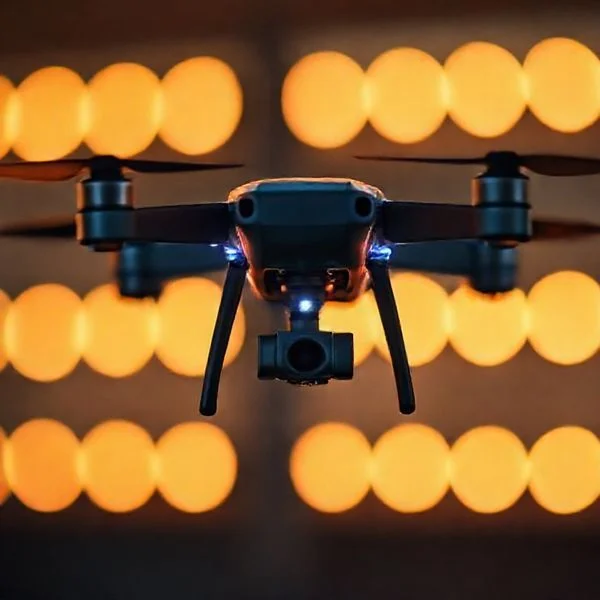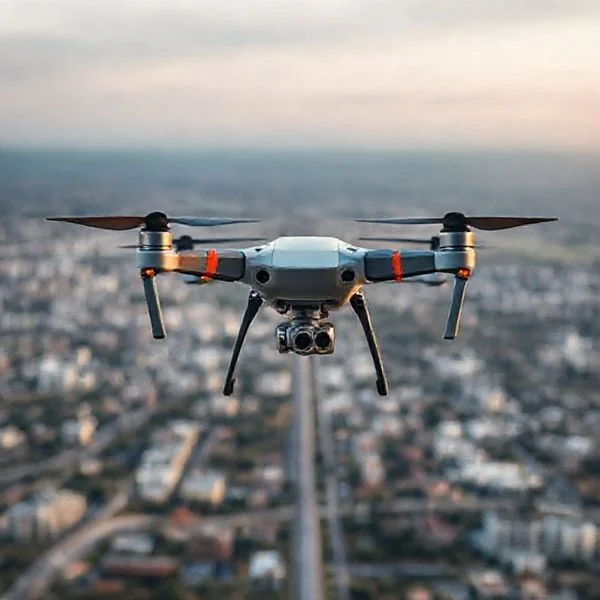
A Cinewhoop is a small FPV drone characterized by ducted propellers designed for capturing stable, high-definition cinematic footage in tight spaces. Unlike racing drones, they prioritize safety and stability, making them ideal for flying indoors or near people.
🎯 Key Takeaways
- Ducted propellers provide safety for indoor flights and proximity to people.
- Small frames (2-3 inches) allow for navigation through tight gaps.
- They typically carry a high-definition action camera for professional video.
- Cinewhoops are optimized for smooth, slow flight rather than high speed.
- Propeller guards increase lift and efficiency at lower speeds.
A Cinewhoop is a specialized class of FPV (First Person View) drone engineered specifically for stable, high-quality cinematic recording in tight, complex, or populated environments. Unlike traditional drones that prioritize speed or long-range travel, a Cinewhoop is defined by its ducted propellers and compact 2-to-3.5-inch frame. These features allow you to fly safely near people or through narrow indoor gaps that would be impossible—and dangerous—for larger aircraft. It is the essential tool for those seamless “one-take” fly-throughs seen in real estate tours, music videos, and commercials.
Prime for Young Adults — 6 Months Free
Exclusive Offer Amazon Prime for Young Adults, Students and 18–24s get six months of Prime free, then half price.
Start 6 Months Free As an Amazon Associate I earn from qualifying purchases.
Understanding the Cinewhoop is vital if you want to move beyond standard static aerial shots and enter the world of immersive proximity flying. By prioritizing physical protection and flight stability over raw racing power, these drones allow you to capture smooth, professional-grade 4K footage without the constant risk of damaging your surroundings or harming bystanders. If you need a camera to act like a floating, agile eye that can navigate through a chair leg or over a dinner table, the Cinewhoop is your primary solution.
Defining the Cinewhoop: Ducts, Size, and Design
Recommended Best Deal Products


The most striking physical feature of a Cinewhoop is the presence of ducts or prop guards surrounding the propellers. These aren’t just for aesthetics; they serve a dual purpose that defines how the drone interacts with its environment. While standard drones have exposed spinning blades that shatter upon impact, the Cinewhoop encloses them in high-density plastic, foam, or carbon fiber shrouds. This design choice fundamentally changes your flight envelope, allowing for “bump-and-go” flying where minor contact with a wall doesn’t end your mission.
The Role of Ducts and Propeller Guards
The ducts are the “secret sauce” of the Cinewhoop design. They act as a physical bumper, protecting both the drone’s expensive internal components and the environment you are filming. This makes them the only viable choice for high-stakes indoor filming or working near talent. Beyond safety, ducts provide a slight boost in thrust efficiency at lower speeds, which helps the drone carry heavy camera gear despite its small stature.
- Safety: You can fly within inches of people or expensive equipment with minimal risk of injury or property damage.
- Durability: The reinforced frame is built to withstand clips and bumps during complex maneuvers that would ground a standard camera drone.
- Visual Confidence: Knowing the props are guarded allows you to take tighter lines and more aggressive paths through obstacles.
Compact Frames and Propeller Specs
Size is the second defining characteristic. Most Cinewhoops utilize 2.5-inch to 3.5-inch propellers. This small footprint makes the drone incredibly portable and capable of fitting through gaps the size of a small window or a car interior. Despite their small size, they are over-engineered to carry a full-sized GoPro or a “naked” stripped-down action camera. Many modern Cinewhoops use a “pusher” configuration, where the motors are mounted upside down. This keeps the center of gravity low and ensures the camera has a completely unobstructed view of the world, free from any propeller tips appearing in the frame.
Cinewhoop vs. Traditional FPV Drones: Key Differences
It is a common mistake to think all FPV drones are the same. A Cinewhoop is essentially the “slow and steady” sibling of the nimble 5-inch freestyle drone. While they share some internal electronics like flight controllers and video transmitters, their flight characteristics are polar opposites. You wouldn’t use a Cinewhoop for a high-speed mountain dive, just as you wouldn’t use a racing drone to fly through a glass-filled art gallery.
Speed and Agility vs. Smooth Stability
Standard FPV drones are designed for high power-to-weight ratios, reaching speeds over 100 mph and performing violent acrobatic flips. Cinewhoops, however, are heavy for their size due to the weight of the ducts and the high-definition cameras they carry. This extra weight creates more inertia, which helps you maintain a smooth, “floaty” flight path. While a racing drone feels like a sports car, a Cinewhoop feels like a heavy camera crane in the sky.
- Flight Time: Cinewhoops typically offer shorter flight times (3–5 minutes) because the motors work harder to lift the heavy, ducted frame against air resistance.
- Handling: While they can do basic rolls, they are prone to “washout” in sharp turns, meaning they aren’t meant for aggressive freestyle tricks but rather for steady, predictable lines.
- Acoustics: Because of the ducts and small props, Cinewhoops have a distinct, higher-pitched sound compared to the low growl of a 5-inch drone.
Operational Use: Proximity and the “Fear Factor”
The biggest difference is how people react to the aircraft. A 5-inch freestyle drone with exposed blades is intimidating, loud, and dangerous to be near. A Cinewhoop looks and feels safer to the average person. This psychological difference allows you to fly over a crowd at a wedding or through a busy office without causing panic. The ducted design changes your operational mindset from “outdoor exploration” to “indoor precision.” Where a standard FPV drone excels at 50 feet in the air, the Cinewhoop excels at 5 feet from the ground, weaving through a doorway or under a table to create a sense of scale and intimacy that larger drones simply cannot replicate.
Prime for Young Adults — 6 Months Free
Exclusive Offer Amazon Prime for Young Adults, Students and 18–24s get six months of Prime free, then half price.
Start 6 Months Free As an Amazon Associate I earn from qualifying purchases.Essential Hardware: HD Cameras and FPV Goggles
Recommended Best Deal Products
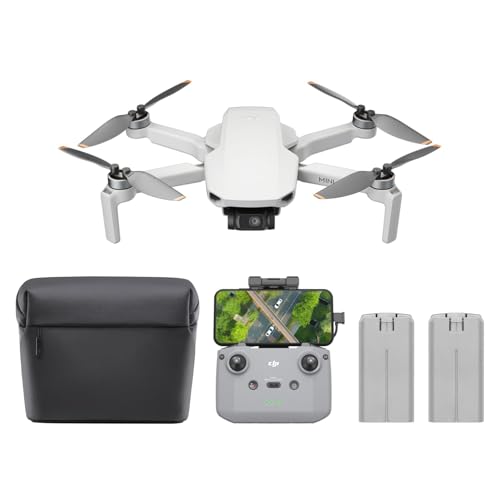


To capture that signature cinewhoop footage, you need more than just a sturdy frame and protected props. The hardware setup is unique because it usually involves two different camera systems working in tandem. One provides the live feed to your eyes, while the other records high-definition video for your final edit.
The HD Camera: Full Size vs. Naked GoPro
The “cinematic” part of a cinewhoop comes from carrying a dedicated action camera. While many pilots use a standard GoPro Hero or DJI Action camera, weight is always a concern for small drones. This has led to the popularity of “Naked” GoPros—cameras stripped of their heavy outer shells and internal batteries to save weight, allowing even tiny 2.5-inch drones to carry professional-grade sensors.
- ND Filters: Essential for achieving natural motion blur by locking your shutter speed.
- Image Stabilization: Most pilots rely on software like ReelSteady or Gyroflow to smooth out vibrations in post-production.
- Mounting Angles: Use a fixed TPU mount (usually 10-25 degrees) to match your typical flight speed.
FPV Goggles: The Pilot’s Perspective
Unlike traditional photography drones that use a phone screen, cinewhoops are flown using FPV goggles. This immersive view is what allows pilots to fly through narrow gaps with centimeter-level precision. Digital systems, such as the DJI O3 Air Unit or Walksnail Avatar, are now the industry standard for cinewhoops because they provide a crystal-clear HD feed that makes it much easier to spot thin wires or small obstacles indoors.
Primary Use Cases: Real Estate, Events, and Creative Film
Cinewhoops have carved out a specific niche in the professional video world. Because they are smaller, quieter, and safer than traditional drones, they can go where a DJI Mavic or a heavy cinema rig simply cannot. They are the ultimate tool for creating a sense of scale and continuity in a single shot.
Real Estate and Indoor Tours
The “one-take” property tour is perhaps the most famous use for a cinewhoop. By flying from the front door, through the kitchen, under a dining table, and out a second-story window, you create a seamless experience that feels like a floating camera. This perspective gives potential buyers a much better sense of the home’s layout than static photos ever could.
Live Events and Action Sports
Because the propellers are guarded, cinewhoops are much safer to fly around people. This makes them ideal for capturing dynamic footage at weddings, concerts, or corporate events. They can glide over the dance floor or follow a subject through a crowd without the risk of causing injury if a minor collision occurs.
- Automotive Shoots: Tracking cars at low speeds for close-up, ground-level action.
- Factory Tours: Showcasing industrial processes by navigating through complex machinery.
- Hospitality: Creating immersive fly-throughs of luxury hotels, resorts, and restaurants.
Pro Tip: When filming indoors, always fly in “Angle Mode” or use a high level of expo on your controller sticks. This helps maintain a level horizon and ensures your movements are slow, smooth, and professional.
Prime for Young Adults — 6 Months Free
Exclusive Offer Amazon Prime for Young Adults, Students and 18–24s get six months of Prime free, then half price.
Start 6 Months Free As an Amazon Associate I earn from qualifying purchases.Conclusion
Recommended Best Deal Products


A cinewhoop drone is more than just a hobbyist toy; it is a specialized cinematic tool that bridges the gap between traditional videography and high-speed FPV racing. By combining the safety of ducted propellers with the high-quality output of modern action cameras, these drones allow creators to capture perspectives that were once impossible. Whether you are looking to elevate your real estate marketing or add a “wow” factor to your creative film projects, the cinewhoop is an essential addition to any pilot’s kit.
If you’re ready to start your cinematic FPV journey, your first steps should be picking up a quality radio controller and practicing in a drone simulator. Once you’ve mastered the basics of flight, choose a “Bind-and-Fly” cinewhoop to get into the air quickly. The world looks better from the inside of a duct—get out there and start filming!
❓ Frequently Asked Questions
What makes a drone a ‘Cinewhoop’?
A Cinewhoop is defined by its ducted frame and its purpose for cinematic capture. The ducts (shrouds) around the propellers provide a safety buffer and added thrust, allowing the drone to bounce off obstacles and fly safely in confined environments.
Why would I choose a Cinewhoop over a DJI Mavic?
While a Mavic is great for landscapes, a Cinewhoop offers the ‘immersive’ FPV perspective and can fly through windows, under chairs, or through narrow gaps where a GPS drone would be too bulky or restricted by sensors.
What is a ‘Naked GoPro’ in the context of Cinewhoops?
A Naked GoPro is a standard action camera stripped of its heavy waterproof housing, screen, and battery to save weight. This allows smaller 2-inch Cinewhoops to carry high-quality cameras without sacrificing flight performance or battery life.
Can I fly a Cinewhoop outdoors?
Yes, but they are less effective in windy conditions due to their light weight and the ‘sail effect’ of the ducts. They perform best in calm outdoor conditions or sheltered environments.
How long do Cinewhoop batteries last?
Typical flight times range from 3 to 6 minutes. The heavy payload of an HD camera and the extra drag from the ducts mean they have shorter flight durations than standard aerial photography drones.
Do I need FPV goggles to fly a Cinewhoop?
Yes, to get the precise control needed for cinematic shots, pilots use FPV goggles to see exactly what the drone sees in real-time. This immersion is what allows for complex indoor navigation.