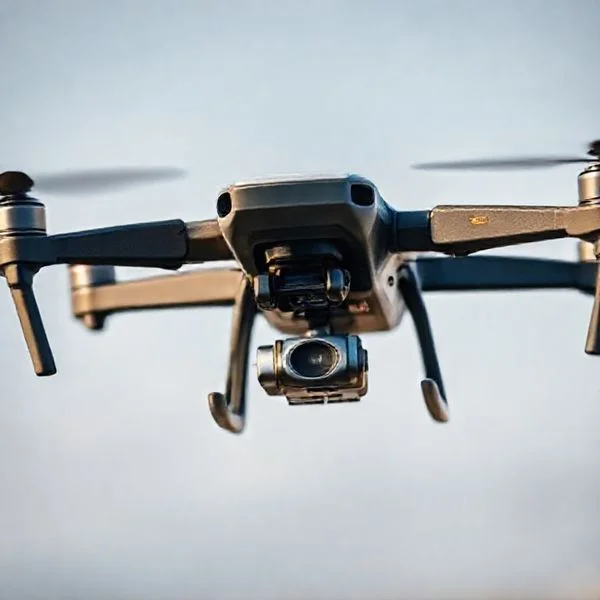
A drone gimbal is a motorized support system that stabilizes the camera by counteracting the aircraft’s movement in real-time. It ensures your footage remains perfectly level and shake-free, even during high-speed maneuvers or windy conditions.
🎯 Key Takeaways
- A gimbal uses brushless motors to keep cameras level during flight.
- 3-axis gimbals provide the highest level of stabilization for cinematic video.
- Mechanical stabilization is far superior to digital cropping for professional results.
- Gimbals eliminate the ‘jello effect’ caused by high-frequency motor vibrations.
- Choosing the right gimbal is the most important factor for aerial photography.
A drone gimbal is a motorized mounting system designed to keep your camera perfectly level, regardless of how your drone moves in the air. While your drone tilts, leans, and vibrates to stay airborne, the gimbal acts as an intelligent counterweight. It uses sensors and brushless motors to isolate the camera from the drone’s erratic movements. Without a gimbal, your aerial videos would look shaky, tilted, and unwatchable as the camera follows every dip and bank of the aircraft.
Recommended Best Deal Products

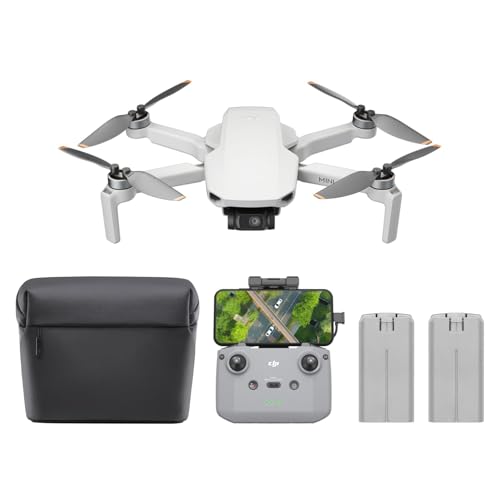
The practical importance of a gimbal cannot be overstated for anyone serious about aerial photography or videography. It provides the “cinematic” look we associate with high-end productions by locking the horizon in place. Even in high winds or during aggressive maneuvers, a high-quality gimbal ensures that your footage remains butter-smooth. Essentially, it is the bridge between a flying camera and a professional film tool, turning raw mechanical motion into stable visual data.
Understanding Mechanical Stabilization and How Gimbals Work
Mechanical stabilization is the heart of a gimbal’s functionality. Unlike digital stabilization, which crops your image and reduces quality to hide shakes, a gimbal physically moves the camera to prevent the shake from ever happening. It relies on a closed-loop system that reacts in milliseconds to external forces. When you push your drone’s control stick forward, the drone must tilt down to gain speed; the gimbal instantly tilts the camera up by the exact same degree to maintain a level view.
The Role of IMUs and Brushless Motors
The “brain” of the gimbal is the Inertial Measurement Unit (IMU). This sensor detects the slightest change in orientation or vibration. Once the IMU senses a movement, it sends a signal to the gimbal’s dedicated controller. This controller then instructs the brushless motors to move in the opposite direction. These motors are incredibly precise, capable of making hundreds of tiny adjustments every second. Here is how the hardware components work together:
- The Sensors: Gyroscopes and accelerometers track the drone’s position in 3D space.
- The Controller: A specialized processor calculates the necessary counter-movements instantly.
- The Motors: High-speed brushless motors apply torque to the camera mount to negate gravity and centrifugal force.
- The Dampeners: Small rubber balls usually sit between the drone body and the gimbal to soak up high-frequency vibrations from the propellers.
Active Correction in Real-Time
When you fly your drone in a gusty environment, the aircraft is constantly fighting to stay positioned. This creates “micro-jitters.” A gimbal’s mechanical stabilization is specifically tuned to ignore the drone’s vibration while following your intentional movements. For example, if you want to tilt the camera down to look at the ground, the gimbal allows that specific command to pass through while still filtering out the wind-induced swaying. It creates a fluid motion that feels intentional rather than accidental.
Comparing 2-Axis vs. 3-Axis Drone Gimbals
When shopping for a drone or a separate mount, you will encounter two primary types: 2-axis and 3-axis gimbals. The “axis” refers to the direction of movement the gimbal can stabilize. Understanding the difference is vital because it directly impacts the “pro” look of your video. While both types are vastly superior to a fixed camera mount, they handle different types of flight physics with varying degrees of success.
The Three Dimensions: Pitch, Roll, and Yaw
To understand the difference, you first need to know the three ways a drone moves in the air. Each axis of a gimbal is dedicated to one of these movements:
- Pitch (Tilt): The up and down movement. Essential for looking at the horizon or straight down at the ground.
- Roll: The side-to-side tilt. When your drone banks left or right to turn, the roll axis keeps the horizon flat.
- Yaw (Pan): The left and right rotation. This happens when the drone rotates its nose around its center point.
Why 3-Axis is the Gold Standard
A 2-axis gimbal typically stabilizes only the Pitch and Roll. This is often sufficient for still photography because the camera stays level with the horizon. However, for video, 2-axis gimbals often struggle with “yaw jitters.” When the drone rotates or faces side-winds, the video may jerky horizontally. This is why professional pilots almost exclusively use 3-axis systems. A 3-axis gimbal adds a motor for the Yaw axis, which absorbs the side-to-side “fishtailing” that occurs during flight.
If you are looking for professional-grade results, the 3-axis setup is the winner. It provides a fluid, floating sensation in your footage. 2-axis gimbals are lighter and cheaper, making them okay for hobbyists or those primarily taking photos, but they lack the total isolation required for cinematic video. In modern drone technology, 3-axis stabilization has become the industry standard for everything from mid-range consumer drones to heavy-lift Hollywood rigs.
The Critical Benefits of Gimbals for Aerial Cinematography
Without a gimbal, drone footage often looks like a shaky home video from the 90s. Even the most stable drones are subject to wind resistance and the natural tilt required to move through the air. A gimbal acts as the ultimate buffer between these chaotic movements and your camera lens, ensuring that every frame remains level and fluid.
Eliminating the “Jello Effect” and High-Frequency Vibration
One of the biggest enemies of drone photography is high-frequency vibration caused by the rapidly spinning propellers. This often results in the “jello effect,” where the image appears to wobble or distort unnaturally. A high-quality gimbal uses dampened mounts and brushless motors to absorb these vibrations before they ever reach the sensor.
- Professional Polish: Even in 20mph winds, a gimbal keeps the horizon perfectly flat, giving your work a Hollywood-style production value.
- Better Low-Light Performance: Because the camera is held perfectly still, you can use slightly slower shutter speeds without resulting in motion blur.
- Consistent Framing: You can focus on flying the drone while the gimbal ensures the camera stays locked on your subject, regardless of the drone’s pitch or roll.
Unlocking Dynamic Camera Movements
Beyond simple stabilization, gimbals allow for creative shots that would be impossible with a fixed camera. Because the gimbal can move independently of the drone’s body, pilots can perform complex maneuvers like the “reveal shot” (tilting the camera up while flying forward) or the “top-down orthomosaic” (locking the camera at a perfect 90-degree angle to the ground).
Key Factors to Consider When Choosing a Gimbal System
If you are looking to upgrade your setup or buy your first professional drone, not all gimbals are created equal. The right choice depends on your specific needs, whether you are a casual hobbyist or a commercial cinematographer. Understanding the hardware specs will save you from a “shaky” investment down the road.
Three-Axis vs. Two-Axis Stabilization
When shopping, you will likely encounter these two configurations. A two-axis gimbal stabilizes the pitch (tilt) and roll. While this is better than nothing, it often leaves the footage vulnerable to “yaw” jitters—the side-to-side shaking that happens when the drone turns. For truly cinematic results, a three-axis gimbal is the industry gold standard. It adds that third layer of stability on the yaw axis, smoothing out horizontal rotations and creating that “floating” sensation in your videos.
Payload, Weight, and Software Integration
Before you mount a heavy DSLR or a specialized sensor to your drone, you must check the gimbal’s maximum payload capacity. Overloading a gimbal will burn out the motors and drain your drone’s battery rapidly.
- Motor Torque: Look for gimbals with high-torque brushless motors that can resist strong wind gusts without “slipping.”
- Follow Modes: Ensure the system offers various modes, such as “Follow Mode” (where the camera follows the drone’s nose) and “FPV Mode” (which allows for a more immersive, leaning feel).
- App Compatibility: Check if the gimbal settings (like tilt speed and smoothness) can be adjusted through your flight control app for real-time customization.
Conclusion
A gimbal is arguably the most important accessory for any drone enthusiast looking to move beyond simple “flight” and into the world of “creation.” By isolating the camera from the drone’s vibrations and movements, it transforms a flying robot into a professional-grade flying tripod. Whether you are capturing breathtaking landscapes or inspecting industrial sites, a three-axis gimbal ensures your data and your memories are crystal clear.
Next Steps: First, check your drone’s current gimbal settings in your flight app; often, increasing the “pitch smoothness” can immediately improve your footage. If you’re looking to upgrade, prioritize a 3-axis system that is compatible with your drone’s specific payload requirements. Now, get out there, take flight, and capture the world from a whole new, perfectly stable perspective!
❓ Frequently Asked Questions
What is the difference between a 2-axis and 3-axis gimbal?
A 2-axis gimbal stabilizes pitch (up/down) and roll (side-to-side), while a 3-axis gimbal adds yaw (left/right) stabilization. 3-axis systems are essential for eliminating horizontal jitters during turns and pans.
How does a gimbal counteract drone vibration?
Gimbals use a combination of rubber dampeners to absorb high-frequency vibrations and active brushless motors to cancel out larger movements. This prevents the ‘jello effect’ often seen in unstabilized footage.
What is ‘Follow Mode’ on a drone gimbal?
Follow mode allows the gimbal to smoothly track the drone’s orientation while smoothing out sudden jerks or turns. This creates a more natural, cinematic feel for the viewer compared to a locked position.
Can I upgrade the gimbal on my existing drone?
It depends on the drone model; while some modular drones allow for gimbal swaps, most consumer drones like the DJI Mini series have integrated systems that cannot be easily changed.
Does a gimbal help with still photography?
Yes, it allows for significantly longer exposure times by keeping the camera perfectly still even if the drone is drifting. This results in much sharper photos, especially in low-light conditions.
Why is a 3-axis gimbal preferred for professional work?
Professional work requires the elimination of all micro-stutters, especially during yaw (horizontal) movements. Only a 3-axis gimbal can smooth out the yaw axis effectively for true cinematic quality.