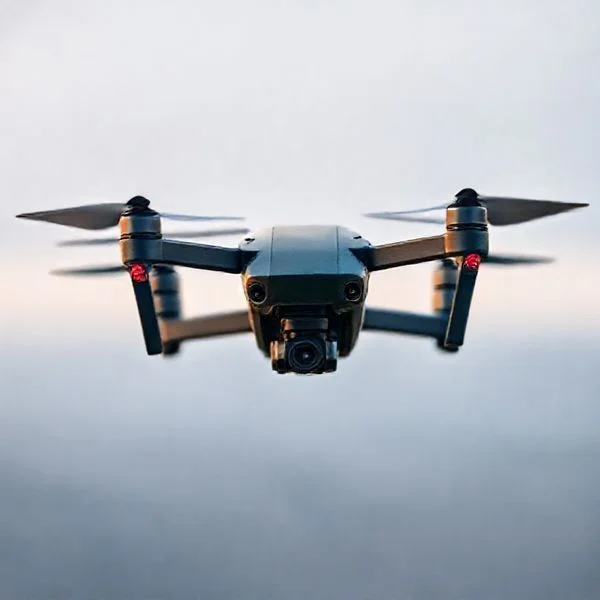
Most drones spotted over residential areas are performing legitimate professional tasks such as real estate photography, roof inspections, or utility line maintenance. While the FAA governs navigable airspace, homeowners are protected by state-level privacy and harassment laws if the drone is used intrusively. Identifying the operator via Remote ID apps is the first step in addressing concerns.
🎯 Key Takeaways
- Professional drones often perform roof inspections, real estate shoots, or utility surveys.
- The FAA regulates the air, but state laws protect against privacy invasion.
- Check for Remote ID signals using smartphone apps to identify nearby drones.
- Do not attempt to damage the drone, as it is a federal crime.
- Contact local law enforcement if you suspect harassment or stalking behavior.
Seeing a drone hovering near your property can feel like a direct invasion of privacy, but in most cases, the pilot is completing a specific professional task. Whether it is a real estate agent capturing listing photos or a utility worker inspecting power lines, drones have become the standard tool for tasks that used to require ladders, helicopters, or expensive scaffolding. Understanding these common uses helps you distinguish between a legitimate commercial operation and a potential privacy concern.
Prime for Young Adults — 6 Months Free
Exclusive Offer Amazon Prime for Young Adults, Students and 18–24s get six months of Prime free, then half price.
Start 6 Months Free As an Amazon Associate I earn from qualifying purchases.
This matters because the rules governing the sky are different from the rules governing your land. While you own your home and the ground it sits on, the federal government views the air above it as public transit space. Knowing the legitimate reasons for these flights—and the specific legal boundaries the pilot must follow—empowers you to respond calmly and legally if you feel a flight has crossed the line from professional work into harassment.
Common Professional and Recreational Reasons for Residential Drone Flight
Recommended Best Deal Products


The vast majority of residential drone flights are strictly business-oriented. Because drones are significantly cheaper and safer than sending a human onto a roof or into a bucket truck, companies across several industries now use them daily. If a drone is hovering near your house, it is likely focused on a specific data-gathering goal rather than your personal activities.
Real Estate Photography and Property Maintenance
One of the most frequent reasons for a drone to be in a residential neighborhood is real estate marketing. Modern home listings almost require aerial views to show the property’s layout, the condition of the roof, and the proximity to local amenities. Even if your house isn’t for sale, a neighbor’s listing may require the drone to fly high enough to capture the entire surrounding block.
- Roof and Solar Inspections: Insurance companies and solar installers use drones to check for hail damage or structural integrity without the risk of falling.
- Gutter and Chimney Checks: Homeowners often hire drone pilots to get high-resolution photos of hard-to-reach areas before committing to expensive repairs.
- Construction Progress: If there is a new development nearby, drones are frequently used to map the site and provide updates to project managers.
Utility Infrastructure and Public Services
Utility companies are increasingly swapping ground patrols for drone surveys. This is especially common for power line inspections, where a drone equipped with a thermal camera can spot a “hot spot” on a transformer before it fails. These flights often follow the path of the utility easement, which may run directly through or alongside your backyard.
- Power Line Surveys: Drones check for sagging lines, cracked insulators, or encroaching tree branches that could cause outages.
- Gas Leak Detection: Some advanced commercial drones carry sensors that can “smell” methane leaks from the air, ensuring neighborhood safety.
- Land Surveying: City planners and civil engineers use drones to create 3D maps for drainage improvements or road repairs.
- Hobbyist Transit: Recreational pilots are legally allowed to fly over residential areas as long as they are transiting to a destination and not loitering to spy.
Understanding FAA Airspace Regulations vs. Homeowner Privacy Rights
When a drone flies over your fence, you might feel like they are trespassing, but legally, “trespassing” in the air is a complex issue. The Federal Aviation Administration (FAA) has sole jurisdiction over all “navigable airspace” in the United States. This means that from the blades of grass up to the stars, the FAA dictates who can fly and where. Generally, as long as a drone is flying safely, it has a legal right to be in the air above your home.
The Concept of Navigable Airspace
Under federal law, a homeowner does not “own” the air above their property in the same way they own the dirt. While historic court cases (like United States v. Causby) established that owners have some rights to the immediate reaches of the atmosphere, modern drone regulations typically allow flight at low altitudes. Pilots are generally expected to stay above 50 to 100 feet over private property to avoid being a nuisance, though the FAA does not set a specific “minimum height” for drones as long as the flight is safe.
Where State Privacy Laws Take Over
While the FAA controls the flight path, state and local laws control the behavior of the person operating the drone. Even if a pilot is in legal airspace, they are not allowed to use that position to violate your “reasonable expectation of privacy.” This is where the legal line is drawn between a utility survey and an illegal act.
Prime for Young Adults — 6 Months Free
Exclusive Offer Amazon Prime for Young Adults, Students and 18–24s get six months of Prime free, then half price.
Start 6 Months Free As an Amazon Associate I earn from qualifying purchases.- Peeping Tom Laws: Most states have updated their surveillance laws to include drones. If a drone is hovering specifically to look into your bedroom or bathroom windows, the pilot is likely committing a crime.
- Harassment and Stalking: If a drone follows you or repeatedly hovers at a low altitude specifically to annoy or intimate you, it may violate state anti-harassment statutes.
- Weaponization: It is a federal felony to attach a weapon to a drone, regardless of whether it is on private or public property.
- Privacy Torts: You may have the right to sue for “intrusion upon seclusion” if a drone captures images of you in a place where you should reasonably expect to be private, such as a fenced-in backyard or inside your home.
It is crucial to remember that while the pilot might be annoying, the drone is considered an aircraft by the federal government. This means that interfering with the flight—such as trying to disable the drone—falls under federal jurisdiction and can lead to severe criminal charges. The proper path to resolution is always through legal and regulatory channels, not physical intervention.
Identifying the Drone Operator: Remote ID and Visible Registration
Recommended Best Deal Products


If a drone is hovering near your property, your first instinct is likely to wonder who is controlling it. In the past, drones were anonymous ghosts in the sky, but new regulations have changed the game for accountability. Most modern drones are now required to act like digital cars with “digital license plates” that broadcast information to those nearby.
The Rise of Remote ID
The FAA’s Remote ID rule is the most significant development in drone identification. Think of Remote ID as a beacon that broadcasts the drone’s serial number, position, and the location of the pilot. This technology allows law enforcement and the general public to identify a drone’s “identity” without needing to physically catch it. Many newer models from brands like DJI and Autel have this technology built-in, while older drones often use external broadcast modules.
Visual Markings and Physical Compliance
While Remote ID handles the digital side, physical markings are still a legal requirement for any drone weighing over 250 grams used for any purpose. If a drone lands or is flying low enough to see clearly, look for these identifying features:
- FAA Registration Number: This must be displayed on the exterior of the aircraft. It is usually a series of alphanumeric characters.
- Operator Decals: Professional pilots, such as those working for utility companies or news agencies, often place company logos or contact information on the drone’s shell.
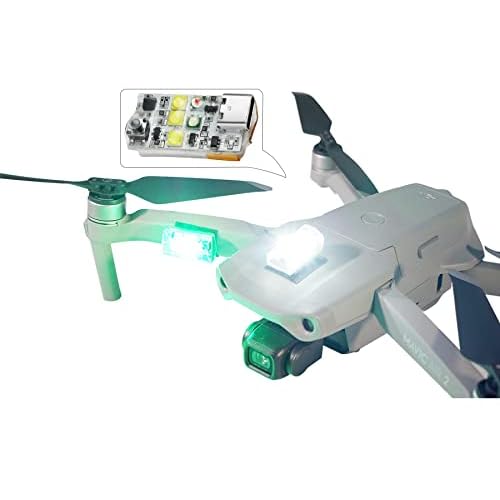
- Anti-Collision Lighting: Commercial drones flying at night or in low visibility must have high-intensity strobe lights visible for three statute miles.
When to Report a Drone: Distinguishing Between Utility and Harassment
Not every drone flight over your home is a cause for alarm. Most pilots are simply hobbyists enjoying a sunset or professionals completing a job. However, there is a clear line between a drone passing through the “public highway” of the sky and one that is invading your private space. Recognizing the intent of the flight is key to deciding whether to take action.
Signs of Routine Professional Work
A professional drone pilot usually wants to get in and out as quickly as possible. They follow specific flight paths and rarely linger in one spot unless they are capturing a specific data point. You can usually tell a drone is there for a legitimate reason if you notice the following:
- Uniform Flight Patterns: The drone moves in a “lawnmower” pattern, indicating it is mapping the area or checking power lines.
- Standard Height: Most professional missions occur between 150 and 400 feet to maximize the field of view while staying safe.
- Visible Crew: Look for individuals in high-visibility vests nearby, often holding a controller with a large screen or standing next to a marked vehicle.
Red Flags for Privacy Concerns
If a drone’s behavior feels intrusive, it might be. Harassment or privacy violations are typically characterized by repeated, targeted behavior rather than a one-off flight. You should be concerned if you witness a drone hovering directly at window level, following a specific person as they move around their yard, or returning to the same spot multiple times a day without a clear utility purpose. In these cases, the pilot may be violating local privacy laws or stalking ordinances, which are separate from FAA flight regulations.
Prime for Young Adults — 6 Months Free
Exclusive Offer Amazon Prime for Young Adults, Students and 18–24s get six months of Prime free, then half price.
Start 6 Months Free As an Amazon Associate I earn from qualifying purchases.Conclusion
Recommended Best Deal Products


Seeing a drone over your house can be an unsettling experience, but in the vast majority of cases, it is a tool being used for progress—whether that is inspecting a neighbor’s roof, mapping local infrastructure, or capturing a stunning real estate photo. By understanding Remote ID technology and learning to distinguish between professional utility and actual harassment, you can approach these situations with confidence rather than concern. Most drone pilots are eager to follow the rules and maintain a positive relationship with the community.
Next Steps: If you are curious about the drones in your area, consider downloading a Remote ID scanner app on your smartphone to see broadcast data in real-time. If you believe a drone is being used for illegal surveillance, document the behavior and contact your local non-emergency law enforcement line.
Stay informed and stay curious—the sky is busier than ever, and knowing the “why” makes all the difference!
❓ Frequently Asked Questions
Why would a real estate agent fly a drone over my house?
They are likely capturing high-angle photos or videos of a neighboring property for sale, or mapping the local neighborhood to show prospective buyers the surrounding area and amenities.
Does the ‘No Fly Zone’ rule apply to my individual house?
Individual homeowners cannot declare their own property a ‘No Fly Zone’; these restrictions are typically set by the FAA for airports, military bases, or temporary flight restrictions.
What is Remote ID and how does it help me?
Remote ID is a digital ‘license plate’ that most modern drones must broadcast, allowing you to use a smartphone app to see the drone’s ID number and the pilot’s takeoff location.
Can a drone see through my curtains or into my windows?
Most standard consumer drones use wide-angle lenses that are poor for peering through windows, though high-end zoom cameras can capture detail from a distance if the pilot is intentional.
What laws protect me from drone surveillance?
While the FAA controls flight paths, state and local ‘Peeping Tom’ or anti-stalking laws protect you from drones being used specifically to record you in private spaces like bathrooms or bedrooms.
How do I report a suspicious drone to the FAA?
You can contact your local Flight Standards District Office (FSDO) with the drone’s registration number, time of flight, and a description of the unsafe or suspicious activity for investigation.