Latest Advancements In Drone Technology
Commercial UAV Pilot & Aerial Cinematography Specialist at Drone Nestle · FAA Part 107 Remote Pilot Certification, Commercial UAS Operations · 10+ Years in Commercial UAV Operations, Flight Hardware Benchmarking & 4K Aerial Cinematography
Hey there! If you’re someone who’s interested in drones, then you’re in the right place. In this article, we’ll be exploring the latest advancements in drone technology. From educational articles to product reviews, we’ve got you covered with all the information you need to know. Whether you’re a beginner looking for buying guides, an enthusiast wanting to stay updated on tech advancements, or a professional seeking expert reviews and legal updates, our goal is to provide valuable content for everyone. So, let’s dive in and discover the exciting world of drone technology together!



Battery Technology


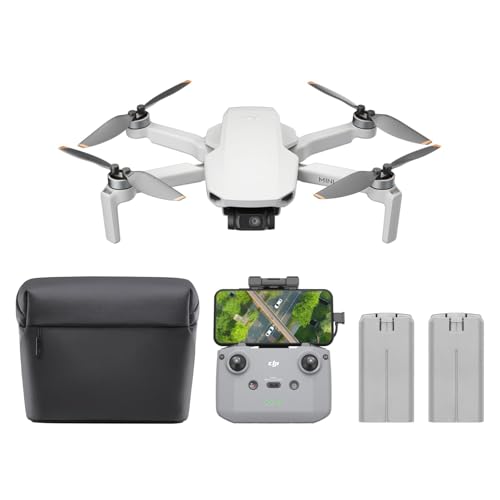
Drones have come a long way in terms of their battery technology. One of the most significant advancements is longer flight times. In the earlier days of drone technology, flight times were limited to just a few minutes, which greatly hindered their usability. However, with the development of high-capacity lithium-ion batteries, drones can now stay airborne for much longer periods of time, sometimes up to 30 minutes or more.
Another major improvement in battery technology is fast charging. Traditionally, it would take several hours for a drone battery to fully charge, making it impractical for many users. However, with the introduction of advanced charging technologies, such as quick-charging and fast-charging systems, drones can now be charged in a fraction of the time it used to take. This allows users to quickly get back in the air and continue their flights without much downtime.


Additionally, the concept of swappable batteries has revolutionized the drone industry. Swappable batteries allow users to easily replace a drained battery with a fully charged one, eliminating the need to wait for the battery to charge. This is especially useful for professionals who rely on drones for their work and need to maximize their productivity. Swappable batteries have made it much more convenient and efficient to fly drones for extended periods of time without interruption.
Collision Avoidance Systems


One of the most important advancements in drone technology is the implementation of collision avoidance systems. Drones equipped with cameras and sensors are now capable of detecting obstacles in their flight path and taking the necessary actions to avoid them. This is particularly crucial for ensuring the safety of both the drone and the surrounding environment.


The cameras and sensors on drones play a key role in obstacle detection and avoidance. These sensors can detect objects such as buildings, trees, and other drones in real-time and provide feedback to the drone’s flight control system. This enables the drone to adjust its flight path and avoid colliding with any obstacles that may be present.
In addition to obstacle detection, drones with collision avoidance systems also offer autonomous flight modes. These modes allow the drone to fly on its own, following a pre-determined flight path or executing specific tasks. This is particularly useful for professionals who need to focus on capturing high-quality footage or conducting complex aerial surveys, as it eliminates the need for constant manual control.


Improved Camera Technology


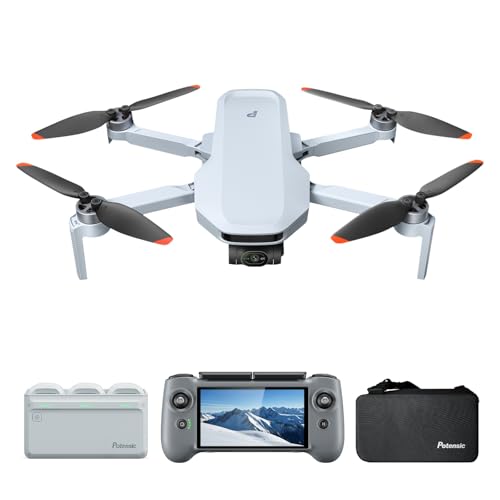
Another area where drone technology has made significant advancements is in camera technology. Drones are now equipped with higher resolution cameras that can capture stunning, high-quality images and videos. This is especially beneficial for photographers and videographers who rely on drones to capture aerial footage for their work.
Advanced image stabilization is another key feature of improved camera technology. This feature helps to eliminate any shaky footage caused by the drone’s movements or vibrations. With advanced image stabilization, drone users can capture smooth, professional-looking footage, even in challenging flight conditions.
Zoom and tracking features have also been incorporated into drone cameras, allowing users to get closer to their subjects or track them as they move. This is particularly useful for capturing detailed shots or following moving objects, such as vehicles or animals. The ability to zoom and track subjects adds a new level of creativity and versatility to drone photography and videography.
Enhanced Flight Performance


Drone flight performance has been greatly enhanced through various technological advancements. One of the major improvements is in terms of maneuverability. Drones can now perform intricate flight movements, such as flips, rolls, and precise hovering, with ease. This is particularly beneficial for hobbyists and drone enthusiasts who enjoy flying their drones in challenging and acrobatic ways.
Another notable improvement in flight performance is the increased speed of drones. With more powerful motors and streamlined designs, drones can now reach higher speeds than ever before. This is especially important for professionals who need to quickly cover large areas or capture fast-moving subjects, such as sports events or wildlife.



Increased payload capacity is another key advancement in drone flight performance. Drones can now carry heavier payloads, such as high-quality cameras or specialized equipment, without compromising their flight capabilities. This allows professionals to use drones for a wide range of applications, from aerial photography and cinematography to scientific research and industrial inspections.
Remote Control Innovations
Remote control innovations have greatly improved the user experience of flying drones. One of the most exciting advancements is gesture control. Some drones now allow users to control their flight and camera movements using simple hand gestures. This intuitive and hands-free control method makes it much easier for beginners to fly drones and allows for more creative and immersive flight experiences.
Voice command integration is another remote control innovation that has gained popularity. Users can now give voice commands to their drones, such as “take off” or “land,” making it even more convenient to control the drone’s flight. This feature is particularly useful in scenarios where the user’s hands are occupied or when precise control is required without the need to use manual controllers.
Advanced controllers have also been developed to enhance the flying experience. These controllers feature ergonomic designs, intuitive control layouts, and advanced functions. They provide users with precise control over their drones and allow for more advanced maneuvers and flight techniques. With the right controller, users can have greater confidence and control over their drones, leading to better aerial footage and more enjoyable flight experiences.
Drones for Delivery
The use of drones for delivery purposes has gained significant attention in recent years. This emerging technology has the potential to revolutionize the way goods are transported, offering faster and more efficient delivery services. However, there are several challenges that need to be addressed before widespread adoption can occur.
One of the key challenges is logistics optimization. Delivering goods using drones requires careful planning and optimization of routes, payload weights, and flight patterns. Companies need to find the most efficient ways to transport goods while considering factors such as weather conditions, airspace regulations, and battery life. Advanced algorithms and artificial intelligence can play a crucial role in optimizing delivery logistics and ensuring that drones can operate effectively in real-world delivery scenarios.
Urban air mobility is another aspect of drone delivery that needs to be considered. Delivering goods in densely populated urban areas poses unique challenges, such as navigating through complex airspace, avoiding obstacles, and ensuring public safety. Infrastructure development, including designated landing zones and charging stations, will be necessary to support the widespread use of drones for delivery in urban environments.
Regulatory challenges also need to be addressed for the successful implementation of drone delivery. Governments and aviation authorities need to establish appropriate regulations and guidelines to ensure the safe and responsible operation of delivery drones. This includes defining flight corridors, height restrictions, and rules for flying over populated areas. Clear and consistent regulations will provide a framework for companies to develop and scale their drone delivery operations.

Precision Agriculture
Drones have emerged as valuable tools in the field of precision agriculture. They offer a cost-effective and efficient way to monitor and manage crops, livestock, and farm infrastructure. Through the use of advanced sensors and imaging technology, drones can provide farmers with valuable data and insights to optimize their agricultural practices.
Crop monitoring is one of the key applications of drones in precision agriculture. Drones equipped with high-resolution cameras or multispectral sensors can capture detailed imagery of crop fields. This imagery can then be processed using specialized software to identify areas of crop stress, nutrient deficiencies, or pest infestations. By identifying these issues early on, farmers can take targeted actions to improve crop health and maximize yields.
Livestock surveillance is another area where drones can be highly beneficial. Drones equipped with thermal imaging cameras can detect heat signatures and identify variations in animal behavior. This information can help farmers monitor the health of their livestock, identify any signs of disease or distress, and make informed decisions regarding feeding, breeding, and healthcare practices.
Spraying and seeding operations can also be significantly enhanced with the use of drones. Drones equipped with sprayers or seeders can precisely apply fertilizers, pesticides, or seeds to specific areas of a field. This targeted approach reduces wasted resources and ensures that the right amount of inputs is applied where needed. It can also minimize the need for farmers to enter potentially hazardous areas, such as steep slopes or flooded fields.
Mapping and Surveying
Drones have revolutionized the field of mapping and surveying by offering a faster, more efficient, and cost-effective alternative to traditional methods. With the ability to capture high-resolution imagery, collect geospatial data, and create 3D models, drones have become invaluable tools for various industries that rely on accurate and up-to-date mapping and surveying information.
High-resolution mapping is one of the key applications of drones in this field. Drones equipped with high-quality cameras can capture detailed imagery of large areas, including terrain features, vegetation, and man-made structures. This imagery can then be processed using photogrammetry software to create highly accurate and detailed maps. These maps can be used for various purposes, such as urban planning, environmental monitoring, or infrastructure development.
Geospatial data collection is another important application of drone technology. Drones can collect various types of data, such as GPS coordinates, elevation data, and thermal imagery. This data can be used to create digital elevation models, contour maps, or orthomosaics. By collecting accurate and up-to-date geospatial data, drones can help professionals make informed decisions and conduct detailed analysis for various industries, including construction, mining, and environmental management.
The ability of drones to create 3D models is another significant advancement in mapping and surveying. Drones can capture imagery from multiple angles and use photogrammetry techniques to create detailed 3D models of objects, structures, or landscapes. These models can be used for visualization, virtual reality applications, or accurate measurements and assessments. The creation of 3D models through drone technology has opened up new possibilities for industries such as architecture, archaeology, and cultural heritage preservation.

Security and Surveillance
Drones have become valuable tools for security and surveillance applications, offering a range of capabilities that can greatly enhance the effectiveness of security operations. From intelligent tracking systems to thermal imaging, drones are bringing new levels of situational awareness and support to security professionals in various industries.
Intelligent tracking systems are a key feature of drones used for security and surveillance. Drones equipped with advanced cameras and tracking algorithms can autonomously track and follow moving objects, such as vehicles or individuals. This capability is particularly useful in scenarios where large areas need to be monitored or when a fast response is required.
Thermal imaging is another important feature of security and surveillance drones. Thermal cameras can detect heat signatures and provide a clear view of objects or individuals, even in low-light or adverse weather conditions. This technology is particularly useful in search and rescue operations, perimeter surveillance, or identifying potential threats in critical infrastructure.
Drones also offer valuable support to emergency services. In situations such as natural disasters or accidents, drones equipped with cameras or sensors can provide real-time aerial footage and data that can assist emergency responders in assessing the situation, locating individuals in need of help, or planning rescue operations. The ability of drones to quickly and efficiently access hard-to-reach areas makes them invaluable tools in emergency situations.
Drone Swarms
Drone swarms represent a highly advanced and collaborative application of drone technology. A drone swarm consists of multiple drones that work together in a coordinated manner to accomplish complex tasks or missions. This technology opens up new possibilities in various fields, including search and rescue operations, surveillance, and entertainment.
Coordinated flight is a key feature of drone swarms. Drones within a swarm can communicate with each other and synchronize their movements to create precise formations or follow specific patterns. This synchronized flight allows swarms to perform tasks that would be difficult or impossible for a single drone to accomplish.
Collaborative applications are another important aspect of drone swarms. Each drone within a swarm can have a different role or function, such as capturing imagery, monitoring environmental conditions, or carrying out specific actions. By working together, the drones can efficiently perform complex tasks or missions that would require significant resources or time if done individually.
Swarm intelligence is a fundamental concept in drone swarms. Drones within a swarm can collectively analyze the environment, make decisions, and adapt their behavior based on real-time information. This collective intelligence allows swarms to respond to changing conditions, optimize their performance, and achieve their objectives in a more efficient and effective manner.
In conclusion, the latest advancements in drone technology have brought about significant improvements in various areas. Battery technology has enabled longer flight times, fast charging, and swappable batteries, increasing the usability and productivity of drones. Collision avoidance systems have made drones safer and more autonomous, with cameras and sensors detecting and avoiding obstacles. Improved camera technology has resulted in higher resolution, advanced image stabilization, and zoom and tracking features, enhancing aerial photography and videography. Enhanced flight performance, including improved maneuverability, higher speeds, and increased payload capacity, has expanded the possibilities of drone applications. Remote control innovations such as gesture control, voice command integration, and advanced controllers have made flying drones more intuitive and enjoyable. Drones are being explored for delivery purposes, with optimization of logistics, urban air mobility, and regulatory challenges being key considerations. In precision agriculture, drones are being used for crop monitoring, livestock surveillance, and spraying and seeding operations, optimizing agricultural practices. Mapping and surveying have been revolutionized by drones, enabling high-resolution mapping, geospatial data collection, and 3D modeling. Drones are proving valuable in security and surveillance, with intelligent tracking systems, thermal imaging, and support for emergency services. Drone swarms with coordinated flight, collaborative applications, and swarm intelligence have the potential to accomplish complex tasks and missions. These advancements in drone technology are transforming industries and offering new possibilities for beginners, enthusiasts, and professionals alike.



Similar Posts