What Is Drone Delivery? A Guide to Autonomous Logistics
Commercial UAV Pilot & Aerial Cinematography Specialist at Drone Nestle · FAA Part 107 Remote Pilot Certification, Commercial UAS Operations · 10+ Years in Commercial UAV Operations, Flight Hardware Benchmarking & 4K Aerial Cinematography
Drone delivery is an autonomous logistics system that uses unmanned aerial vehicles (UAVs) to transport packages directly to consumers. By utilizing GPS and AI-driven navigation, it provides a faster, more eco-friendly solution to the ‘last-mile’ delivery challenge.
🎯 Key Takeaways
- Takeaway 1:Drone delivery uses autonomous UAVs to bypass traffic and deliver packages rapidly.
- Takeaway 2:It significantly reduces last-mile logistics costs and carbon emissions for retailers.
- Takeaway 3:Medical logistics companies like Zipline currently lead the industry in successful operations.
- Takeaway 4:Onboard sensors and AI allow drones to avoid obstacles and navigate safely.
- Takeaway 5:Regulatory approval remains the biggest hurdle for widespread global commercial adoption.
Drone delivery is a logistics revolution that uses autonomous Unmanned Aerial Vehicles (UAVs) to transport packages directly from distribution hubs to consumers. By bypassing ground traffic and navigating via direct air routes, these systems redefine the “last-mile” delivery phase. This technology isn’t just a gimmick; it’s a high-precision solution for the most expensive and time-consuming part of the modern supply chain.

For you, this means receiving essential items—from prescription medications to hot meals—in under 15 minutes. As companies like Amazon, Wing, and Zipline scale their operations, understanding how these machines function and why they are replacing traditional courier vans is essential for anyone following the evolution of modern logistics and drone accessories. This guide breaks down the complex tech making these flights possible.


Understanding the Mechanism of Autonomous UAV Logistics


The process of a drone delivery begins long before the propellers start spinning. It starts with a highly integrated software ecosystem that bridges the gap between a warehouse order and an aerial flight path. Unlike manual drones you might fly in a park, delivery drones operate on a “closed-loop” autonomous system that requires zero human steering during the mission.

The Loading and Pre-Flight Phase
Once you place an order, the items are picked and packed into specialized aerodynamic containers. These aren’t standard cardboard boxes; they are custom-engineered pods designed to secure the center of gravity within the drone’s chassis. Stability is vital when the drone is battling wind resistance at 300 feet in the air. The drone is then either manually loaded by a technician or automatically picked up by a robotic gantry at the fulfillment center.


- Automated Diagnostics: Before takeoff, the drone performs a digital “handshake” with the hub, checking motor torque, battery voltage, and sensor calibration.
- Flight Path Calculation: The AI system generates a 3D route. It doesn’t just look at a map; it analyzes Unmanned Traffic Management (UTM) data to avoid restricted airspace, tall structures, and even high-traffic avian paths.
- Geofencing: Virtual boundaries are programmed into the drone’s logic to ensure it never drifts into prohibited areas like airports or government buildings.
Intelligent Navigation and Safety Protocols


Once in the air, the drone relies on a sophisticated “sensor fusion” stack. It uses a combination of GPS for high-level positioning and GLONASS for redundant satellite tracking. However, satellite data isn’t enough for precision. For the “last-hundred-feet,” the drone uses real-time computer vision. High-resolution cameras and LiDAR sensors allow the drone to “see” obstacles like power lines, temporary scaffolding, or unexpected trees.
- Sense-and-Avoid Technology: Onboard AI processors analyze 360-degree data feeds to make split-second course corrections if a bird or another drone enters its flight path.
- The Drop-Off Execution: When the drone reaches your GPS coordinates, it initiates a delivery protocol. Systems like Alphabet’s Wing use a winch and tether to lower the package from a stable hover. This keeps the spinning rotors 20 feet in the air, safely away from pets or property.
- Zipline’s Parachute Method: In medical logistics, Zipline drones use a “zip” method where they fly over a target zone and release the package via a small, degradable parachute, allowing the drone to maintain its speed and return to base immediately.
Key Benefits: Speed, Cost Efficiency, and Environmental Impact
Drone delivery solves the “last-mile” problem, which typically accounts for over 50% of total shipping costs. By moving delivery to the sky, logistics companies eliminate the variables of road congestion, traffic accidents, and fuel price volatility that plague traditional trucking.
Slashing Delivery Times and Operational Costs


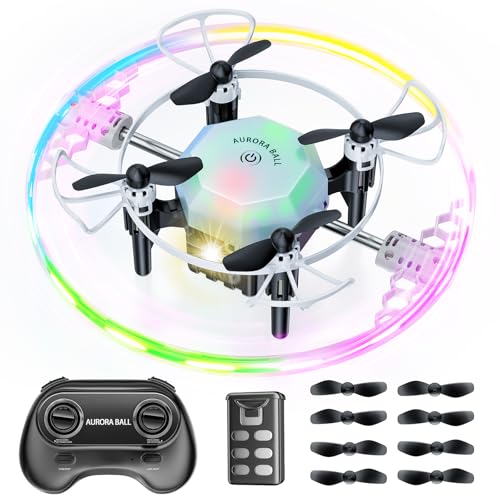
Traditional delivery vans are remarkably inefficient for small, single-item orders. A multi-ton van might spend twenty minutes idling in traffic just to deliver a two-ounce bottle of life-saving insulin. A drone covers that same distance in three minutes at a fraction of the energy cost. This efficiency is why companies like Amazon Prime Air are focusing on “sub-one-hour” delivery targets.


- Instant Fulfillment: Current leaders like Zipline have completed over 1 million commercial deliveries. In Rwanda and Ghana, they have reduced the delivery time of emergency blood supplies from four hours by truck to just 20 minutes by air.
- Labor Efficiency: While a truck requires one driver per vehicle, a single remote flight operator can oversee a fleet of 20 or more autonomous drones simultaneously.
- On-Demand Availability: Drones don’t need to wait for a “full load” to leave the hub, allowing for true on-demand retail where items are shipped the second the order is placed.
Reducing the Carbon Footprint of the Last Mile



Drones are almost exclusively powered by high-capacity electric motors. When you replace a 2-ton internal combustion engine with a 25-pound electric drone for a light-weight delivery, the environmental savings are massive. This shift is a cornerstone of “green logistics” initiatives worldwide.
- Energy Consumption: Research indicates that drone delivery can reduce greenhouse gas emissions by up to 80% per package compared to traditional diesel delivery trucks in suburban environments.
- Reduced Infrastructure Strain: Moving light-weight logistics to the air reduces the physical wear and tear on city roads, leading to fewer repairs and less urban noise pollution.
- Battery Efficiency: Modern delivery drones use high-density power cells optimized for short, high-output bursts, ensuring they can complete multiple rounds of deliveries on a single charge cycle at the hub.
Leading Players in the Space: Amazon Prime Air, Wing, and Zipline


While the concept of drone delivery once felt like science fiction, several industry giants have already logged hundreds of thousands of successful flights. These companies aren’t just testing prototypes in closed labs; they are actively shaping how autonomous logistics work in real-world residential neighborhoods and medical corridors.

Retail Giants vs. Specialized Medical Services
Amazon Prime Air is perhaps the most recognizable name in the industry. After years of iterative design, their latest MK30 drone is engineered to be quieter and more durable than previous models, capable of delivering packages under five pounds in less than 60 minutes. However, the current leader in terms of sheer volume is Wing, a subsidiary of Alphabet (Google). Wing has successfully integrated its services with major retailers like Walmart to deliver household essentials, snacks, and even fragile items like eggs across Australia, Finland, and parts of the United States.
- Amazon Prime Air: Focuses on deep integration with massive fulfillment centers to provide rapid “last-mile” delivery for a vast catalog of consumer goods.
- Wing: Utilizes a unique “store-to-door” model, where drones pick up orders directly from rooftop nests at local shopping centers to minimize transit time.
- Zipline: The gold standard for humanitarian and medical logistics. Zipline’s fixed-wing drones deliver life-saving blood supplies and vaccines in Rwanda and Ghana, and they have recently expanded into home delivery in the U.S. using a high-tech “tethered droid” system.
Practical Tip: If you are a business owner looking to enter this space, focus on “lightweight” inventory. Statistics show that nearly 80% of all package deliveries weigh less than five pounds, making them perfect candidates for existing drone technology.
Current Challenges and the Future of Urban Airspace Regulations


Despite the technological leaps, the road—or rather, the sky—to universal drone delivery is paved with significant hurdles. The transition from rural test sites to dense urban environments requires a sophisticated blend of engineering and legal cooperation.

Navigating Regulatory and Environmental Hurdles
The primary bottleneck for drone delivery today is the regulatory framework surrounding BVLOS (Beyond Visual Line of Sight) operations. Traditionally, drone pilots were required to keep eyes on their aircraft at all times. For autonomous logistics to scale, authorities like the FAA (Federal Aviation Administration) must approve systems that allow drones to fly autonomously over long distances. This shift requires robust “detect and avoid” technology to ensure drones do not collide with birds, power lines, or low-flying helicopters.
- Noise Pollution: One of the biggest public hurdles is the high-pitched hum of propellers. Leading companies are now using “acoustic shaping” and custom blade designs to make drones blend into the ambient city noise.
- Privacy Concerns: Many residents are wary of cameras flying over their backyards. To solve this, many delivery drones use low-resolution sensors for navigation and obstacle avoidance rather than high-definition cameras that record video.
- The “Last-Yard” Problem: Figuring out exactly where to drop a package—whether it’s a balcony, a driveway, or a designated “drone mailbox”—remains a logistical puzzle that companies are solving with precision GPS and AI-driven site analysis.
Looking forward, the implementation of Remote ID (often called a digital license plate for drones) will allow for better accountability and safety. This technology ensures that every delivery drone is identifiable by authorities, clearing the way for more complex flight paths in crowded cities.
Conclusion
Drone delivery is no longer a futuristic dream; it is a rapidly maturing industry that promises to make logistics faster, greener, and more efficient. By shifting small-package transport from heavy delivery vans to lightweight autonomous aircraft, we can significantly reduce road congestion and carbon emissions. While regulatory challenges regarding airspace and noise management still exist, the progress made by leaders like Zipline and Wing proves that autonomous logistics are here to stay.
To stay ahead of these changes, keep an eye on local pilot programs in your city and follow FAA updates regarding Remote ID and BVLOS flight. The next time you order a quick meal or a medical prescription, don’t be surprised if it arrives from the sky!
Are you ready to see the skies transform? Explore our latest guides on drone accessories to see how the technology behind these autonomous flyers is evolving every day.
❓ Frequently Asked Questions
What exactly is the ‘last-mile’ delivery problem?
The last-mile problem is the final, most expensive leg of a package’s journey from a hub to the customer. Drones solve this by avoiding ground traffic and reducing the need for large delivery vans.
How do delivery drones drop off packages safely?
Drones typically use one of two methods: landing on a designated pad or hovering and lowering the package via a tether and winch system. Specialized sensors ensure the drop zone is clear of obstacles or people.
What are the environmental benefits of drone delivery?
Drones are battery-powered and produce zero tailpipe emissions during flight. They are significantly more energy-efficient than traditional gasoline-powered delivery trucks for small, individual orders.
Can drones deliver in bad weather like rain or snow?
While some industrial drones are weather-resistant, most current delivery models are grounded during heavy rain, high winds, or low visibility. Improving all-weather capability is a major focus for hardware developers.
How do drones avoid hitting birds or other aircraft?
They use ‘Detect and Avoid’ (DAA) technology, which combines radar, LIDAR, and optical sensors. This allows the drone to identify and maneuver around flying objects in real-time.
What role do drone accessories play in delivery logistics?
Essential accessories include automated charging docks, climate-controlled cargo containers for medicine, and precision landing mats. These tools ensure the drone can operate continuously and protect the integrity of the goods.

Similar Posts