Who Hires Drone Pilots? Top Industries & Job Platforms
Commercial UAV Pilot & Aerial Cinematography Specialist at Drone Nestle · FAA Part 107 Remote Pilot Certification, Commercial UAS Operations · 10+ Years in Commercial UAV Operations, Flight Hardware Benchmarking & 4K Aerial Cinematography
Professional drone pilots are currently in high demand across specialized industries like construction, agriculture, and public safety. Whether seeking freelance contracts through gig platforms or full-time in-house corporate roles, pilots can find lucrative opportunities by targeting sectors that rely on aerial data.
🎯 Key Takeaways
- Construction firms hire pilots for 3D mapping and site progress monitoring.
- Real estate remains the largest market for freelance drone photography.
- Precision agriculture companies use drones for crop health and irrigation analysis.
- Public safety agencies utilize pilots for search, rescue, and fire monitoring.
- Gig networks like DroneBase and FlyGuys provide consistent freelance mission opportunities.
Professional drone pilots are no longer a niche curiosity; they are essential assets for data collection across several multi-billion dollar industries. Companies are moving away from expensive helicopter rentals and dangerous ladder climbs, opting instead for the speed and precision of Unmanned Aerial Systems (UAS). If you hold a Part 107 certificate, you are sitting on a valuable skill set that many corporate sectors are currently scrambling to integrate into their daily operations.


Finding work as a pilot requires looking beyond “photography” and understanding the specific data needs of major stakeholders. From construction site managers needing weekly progress reports to insurance adjusters processing claims after a storm, the demand is high for pilots who can deliver actionable insights. This guide breaks down exactly which sectors are hiring right now and which digital marketplaces can help you secure your next high-paying contract.
Top 7 High-Growth Industries Recruiting Professional Drone Pilots


The transition from hobbyist to professional happens when you stop selling “cool photos” and start selling “valuable data.” Major corporations in the following sectors hire pilots to reduce costs, improve safety, and increase the frequency of their inspections.


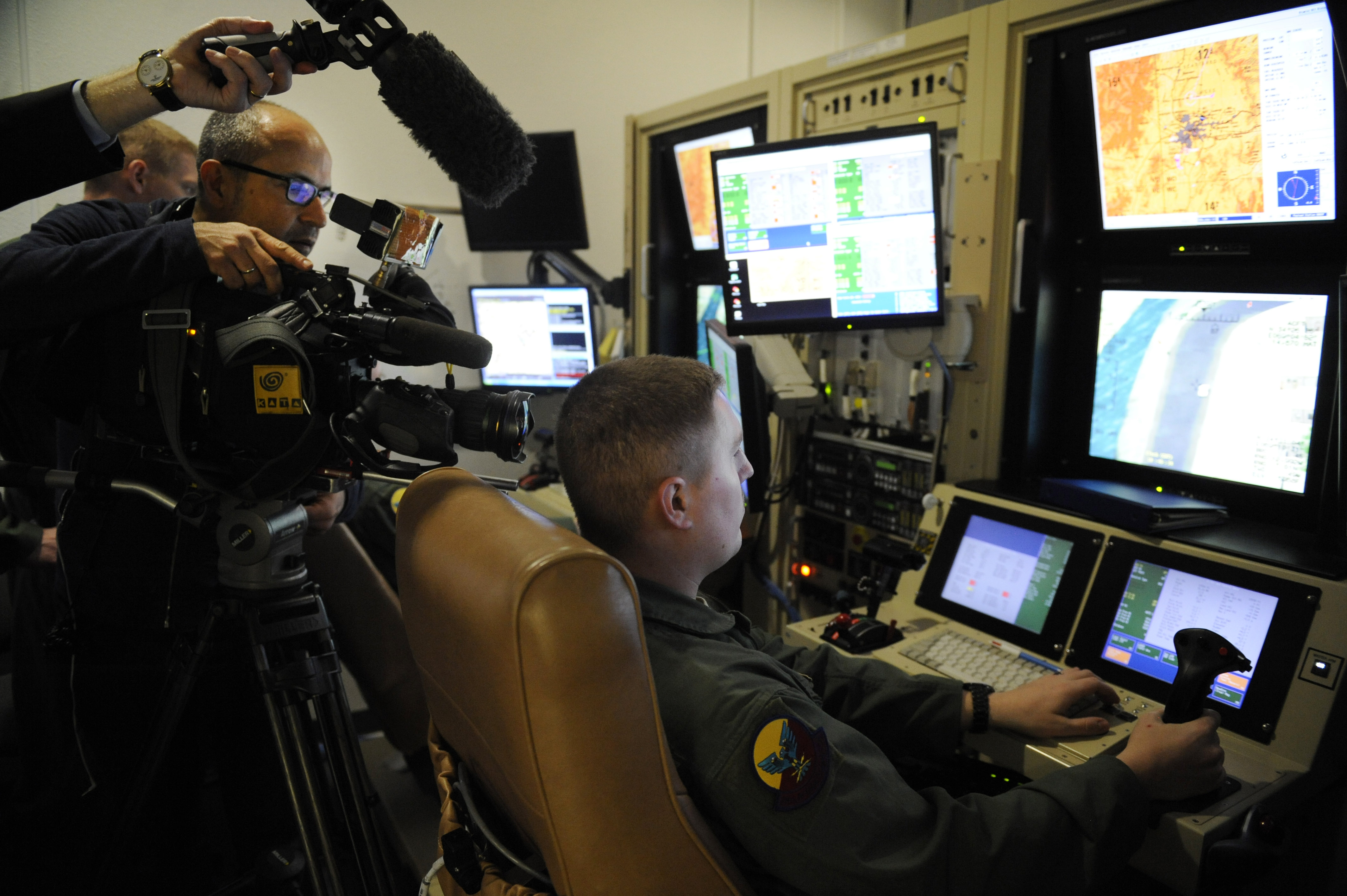
1. Construction and Engineering
The construction industry is arguably the largest employer of professional drone pilots today. Project managers use drones for orthomosaic mapping, which creates highly accurate, top-down maps of a job site. You will likely be hired to perform:
- Volume Measurements: Calculating the size of stockpiles (dirt, gravel, or mulch) using photogrammetry.
- Progress Tracking: Taking weekly aerial shots to show stakeholders the evolution of a project.
- BIM Integration: Feeding drone data into Building Information Modeling software to compare real-world progress against blueprints.
2. Real Estate (Residential and Commercial)



While residential real estate is a common starting point, commercial real estate is where the larger contracts live. Commercial brokers hire pilots to showcase massive warehouse properties, shopping centers, and undeveloped land. Expect to provide:


- “Hero” Cinematic Shots: High-quality video to entice investors.
- 3D Models: Allowing potential buyers to “walk through” a property virtually.
- Site Context Views: Showing proximity to highways, ports, and neighboring businesses.
3. Insurance and Claims Adjustment

Insurance companies are hiring drone pilots to keep their adjusters on the ground and out of harm’s way. After major weather events, firms like State Farm or Allstate often outsource “catastrophe response” to drone networks. Your tasks include:
- Roof Inspections: Identifying hail damage or missing shingles without using a ladder.
- Claim Verification: Providing timestamped evidence of property damage for faster processing.
- Underwriting: Helping companies assess the risk of a property before they issue a policy.
4. Energy and Utilities


This is one of the highest-paying sectors for specialized pilots. Utility companies must inspect thousands of miles of infrastructure annually. Because this work involves flying near high-voltage lines or massive wind turbines, you often need specialized thermal or zoom cameras. Key tasks include:


- Solar Farm Inspections: Using thermal sensors to find “dead cells” in solar panels.
- Cell Tower Inspections: Checking for structural integrity or equipment damage.
- Wind Turbine Maintenance: Looking for hairline fractures in blades that are hundreds of feet in the air.
5. Agriculture
Farmers use drones to practice “precision agriculture.” Instead of treating a whole 500-acre field, they use drone data to target specific areas. You will be hired to fly multispectral sensors that measure plant health. Common roles involve:
- NDVI Mapping: Identifying crop stress before it is visible to the human eye.
- Crop Spraying: Using large-scale drones to apply pesticides or fertilizers with surgical precision.
- Irrigation Management: Finding leaks or dry patches in vast watering systems.
6. Public Safety and Emergency Services
Local police, fire departments, and search-and-rescue (SAR) teams are increasingly hiring dedicated UAS coordinators or contracting freelance pilots. Your work here is literally life-saving. You might be called for:
- Search and Rescue: Using thermal imaging to find missing persons at night.
- Fire Monitoring: Providing “eyes in the sky” for fire chiefs to see where a blaze is spreading.
- Crime Scene Reconstruction: Mapping an area for forensic evidence.
7. Telecommunications
Telecom companies are rushing to expand 5G networks, which requires constant equipment upgrades. They hire drone pilots to perform “pre-climb” inspections. This tells the technicians exactly what tools they need before they ever leave the ground, saving hours of labor. You will provide 360-degree views of equipment mounts and signal obstructions.
Gig-Economy Platforms and Networks for Freelance Drone Work


If you aren’t ready to pitch corporate clients directly, drone pilot networks act as a bridge. These platforms operate like an “Uber for drones,” matching certified pilots with local jobs. Most of these platforms handle the billing and insurance for you, though they take a commission from your fee.
The “Big Players” in Pilot Networking
These platforms are the best place to find consistent work if you have a Part 107 certificate and a reliable aircraft like a DJI Mavic or Phantom series.


- Zing (formerly DroneBase): One of the largest networks globally. They specialize in real estate and insurance. You can often find “passive” jobs where you fly a property on spec and they buy the imagery later.
- FlyGuys: A nationwide service that focuses on high-end mapping, surveying, and infrastructure. They tend to look for pilots with more technical experience in LIDAR or thermal imaging.
- Droners.io: This is a marketplace where clients post jobs and you bid on them. It is excellent for building a portfolio and finding local real estate or event work.
- Skycatch: If you are interested in the industrial and mining sectors, Skycatch is a leader. They often provide the software, and you provide the piloting skills for massive Earth-moving projects.
- Droneers: A job board style site that lists both freelance gigs and full-time corporate openings for drone operators across various industries.
When using these platforms, your profile is your resume. High-quality samples of your mapping or 3D modeling work will always win out over generic sunset photos. Most platforms will also require you to upload proof of your Part 107 certification and your drone insurance (such as a policy from SkyWatch or Verifly) before you can accept your first mission.
Corporate vs. Freelance: Navigating Different Types of Employers


Once you have your Part 107 certification in hand, you face a pivotal choice: do you want the security of a 9-to-5 or the freedom of the gig economy? The drone industry is currently split between internal corporate flight departments and a massive network of independent contractors. Understanding these two worlds is essential for tailoring your resume and choosing the right equipment for your kit.

The Stability of Corporate and Public Sector Roles
Many large-scale organizations have moved beyond hiring outside help and now maintain their own internal flight teams. These employers value consistency, safety protocols, and long-term data tracking. In these roles, the company usually provides the aircraft, insurance, and software, allowing you to focus entirely on the technical execution of the flight. This is often the best path for pilots who enjoy working as part of a larger team and want a steady paycheck.
- Utility and Energy Giants: These firms hire full-time pilots to conduct repetitive inspections of power lines, wind turbines, and oil pipelines to prevent infrastructure failure.
- Government and Public Safety: Fire departments and search-and-rescue teams increasingly employ dedicated drone operators to provide “eyes in the sky” during emergency situations.
- Large-Scale Construction: National developers keep pilots on staff to provide daily progress updates and volumetric measurements for massive job sites.
The Flexibility of the Freelance Hustle
If you prefer variety and autonomy, freelancing is a highly lucrative alternative. Most drone pilots start here, taking on diverse projects ranging from wedding photography to roof inspections. As a freelancer, you are a business owner. This means you are responsible for your own marketing, drone maintenance, and insurance. However, it also allows you to set your own rates and choose the niches that interest you most.
- Real Estate Agencies: Local realtors frequently hire freelancers to capture “hero” shots and cinematic walkthroughs of residential and commercial listings.
- Third-Party Drone Networks: Platforms like Zeitview or Droneers act as “Uber for drones,” connecting independent pilots with local inspection or mapping jobs.
- Event Coordination: From music festivals to outdoor weddings, freelancers are the go-to choice for capturing high-energy aerial content.
Industry-Specific Requirements: Skills and Sensors in Demand


In the professional world, simply knowing how to fly isn’t enough. Most high-paying employers are looking for “Data Collectors” who happen to use drones. The value you provide is found in the specialized sensors you carry and your ability to interpret the information they gather. To stay competitive, you must align your skills with the specific technical needs of your chosen industry.
Specialized Sensors and Payload Expertise
While a standard 4K camera is sufficient for marketing, industrial clients require advanced payloads. Professional pilots often need to invest in specific drone accessories—such as specialized landing gear, high-capacity batteries, or ruggedized carrying cases—to handle these sensitive tools in the field. Mastering these sensors allows you to charge premium rates for your services.
- Thermal Imaging (IRT): Essential for solar farm inspections and identifying heat leaks in industrial buildings. You will need to understand “thermography” to explain the data to clients.
- LiDAR and Photogrammetry: Used by surveyors to create high-resolution 3D models and topographical maps. This requires precision flying and an understanding of ground control points (GCPs).
- Multispectral Sensors: Primarily used in agriculture to measure plant health and nitrogen levels, helping farmers optimize their crop yields.
Beyond the Flight: Data Analysis and Reporting
The most successful pilots are those who deliver a finished, actionable product rather than a folder of raw images. Employers look for proficiency in post-processing software that turns aerial data into business intelligence. If you can show a client exactly where a leak is located or how many cubic yards of dirt have been moved, you become an indispensable asset.
- Software Proficiency: Candidates who know how to use Pix4D, DroneDeploy, or Adobe Premiere Pro are significantly more employable than those who don’t.
- Precision and Compliance: In industries like telecommunications, pilots must follow strict flight paths and data-naming conventions to ensure the data integrates with corporate databases.
- Technical Reporting: Being able to write a clear, concise summary of your findings is just as important as the flight itself.
Conclusion
The drone industry is no longer just about “taking pictures from the sky.” From inspecting critical infrastructure to helping realtors close deals, the opportunities for skilled pilots are vast and varied. Whether you prefer the steady environment of a corporate role or the fast-paced life of a freelancer, success comes down to your ability to provide high-quality, specialized data.

To move forward, identify a niche that matches your interests and start building a portfolio that showcases those specific technical skills. Invest in the right training, maintain your gear with professional accessories, and stay curious about new sensor technology. The demand for drone expertise is only going up—now is the perfect time to claim your spot in the sky. Reach out to local firms or join a pilot network today to take your first professional flight!
❓ Frequently Asked Questions
What specific tasks do construction companies hire drone pilots for?
Construction firms hire pilots to perform aerial land surveys, generate 3D site models, and track project progress. These visuals help project managers identify potential safety hazards and ensure the build aligns with architectural blueprints.
How do utility and energy companies use drone pilots?
Utility companies hire pilots to inspect high-voltage power lines, wind turbines, and solar panels using thermal sensors. Drones allow these companies to identify equipment failures without putting human workers in dangerous heights or live-wire situations.
What kind of government agencies hire drone pilots?
At the federal level, agencies like FEMA and the Department of the Interior hire pilots, while local municipalities hire them for police, fire, and public works departments for disaster response and urban planning.
Is there a demand for drone pilots in the agricultural sector?
Yes, agriculture is a massive employer of drone pilots who use multispectral sensors to analyze crop health, manage irrigation, and even apply fertilizers or pesticides more efficiently than ground-based methods.
Do media and production houses still hire independent drone pilots?
While many large production houses have in-house teams, there is a consistent demand for freelance pilots for local news, commercial advertising, sports broadcasting, and independent filmmaking.
What are the benefits of joining a drone pilot network or marketplace?
Marketplaces like Skycatch or FlyGuys handle the client acquisition, insurance, and billing aspects of the job. This allows pilots to focus purely on flying and data collection while building a professional portfolio of diverse missions.

Similar Posts